There are home improvements that get all the attention. The new backsplash. The cabinet refresh. The pendant lights that finally make the kitchen feel like the space you always imagined. Those are the changes that end up in photos and get shared with friends.
And then there are the quiet ones. The ones that do not photograph well but somehow make every single day feel a little better. For me, switching to filtered water was one of those.
Why I Finally Did Something About It
I had been meaning to look into home water filtration for years. Not because anything was obviously wrong with our tap water. It tasted fine, looked clear, and passed whatever the utility sends out every year. But I kept reading about what can be present in treated water even when it meets legal standards. Disinfection byproducts. Trace lead from older pipes. Compounds that form during the chlorination process. None of it alarming on its own, but enough to make me curious.
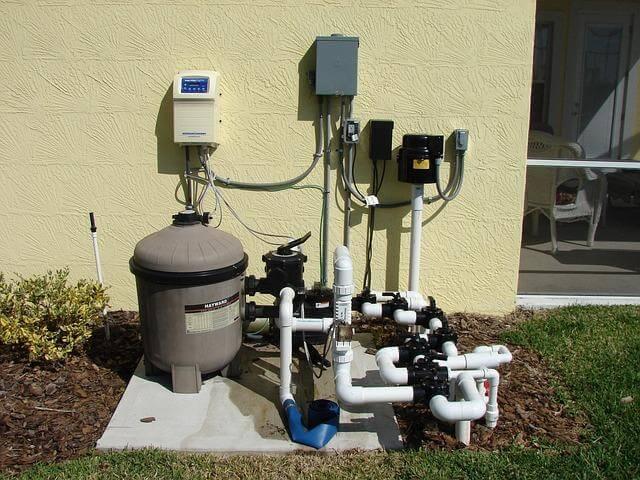
What finally pushed me to act was coming across 8 independent lab results comparing different filter types against the same residential tap water source. There is a real difference between a filter brand claiming it removes contaminants and seeing the actual before and after numbers from certified testing. Seeing that data laid out clearly made the decision easy.
What the Data Actually Showed
The thing that surprised me most was how differently filter types perform. A basic pitcher filter and a reverse osmosis system are not just different price points. They address completely different problems.
Disinfection byproducts like trihalomethanes showed up at 31.83 parts per billion in untreated tap water during independent testing. After filtration through certified systems those same compounds came back at non-detect. That gap between what comes out of the tap and what comes out of a properly matched filter is what I kept coming back to.
The other thing worth knowing is that not all filters reduce the same contaminants. A filter that improves taste and odor is not the same as one that removes lead or PFAS. Matching the right filter to your actual water is the step most people skip.
How It Changed Daily Life
The changes were smaller than I expected and more noticeable than I anticipated. Both things at once.
The water tastes different. Not dramatically, but in the way that you notice when you drink a glass and do not think about it at all. No faint chlorine edge. No aftertaste. Just water.
Cooking changed slightly too. I use filtered water for pasta, soups, anything where water is actually an ingredient. Whether that makes a measurable difference I cannot prove, but it feels like the right call.
The biggest practical change was stopping the bottled water habit. We were going through a case or two a week without really tracking it. The cost adds up faster than you realize and the plastic waste was always in the back of my mind. Both of those went away.
What to Think About Before Buying
The options are overwhelming if you start researching without a framework. A few things that helped me narrow it down:
- Test your water first. Your local utility publishes an annual water quality report that shows what has been detected in your supply. That is the starting point before buying anything.
- Match the filter to the problem. A carbon pitcher handles chlorine taste and odor. A reverse osmosis system handles lead, PFAS, nitrates, and dissolved salts. They solve different things.
- Think about installation realistically. Under-sink systems require plumbing work and a dedicated faucet. Countertop and pitcher options need nothing. Where you land depends on your kitchen setup and comfort level.
- Check for published lab results. Filter brands make a lot of claims. The ones worth trusting publish actual third-party test results rather than just certification badges on the box.
The Change Nobody Talks About

A water filter does not make a great photo. Nobody is going to comment on it at a dinner party. It does not change how the kitchen looks.
But it is one of those changes that works in the background every single day. Every glass of water, every pot of coffee, every time the kids fill up a bottle before school. Small moments that quietly add up.
If you have been putting it off the way I did, it is worth an afternoon of research. The data is more accessible than it used to be, the options are better than they have ever been, and the difference in daily life is more noticeable than you might expect.
0
Leave a Reply