Kitchen upgrades start with big plans. Then reality hits. You find dozens of brands online. Prices jump around wildly. Reviews contradict each other completely.
Your cooking style determines what you need. A home baker wants different tools than a catering business. Someone prepping meals for six people has separate requirements from a cafe owner. Smart choices now save headaches later.
How Your Space Affects Equipment Choices
Measure everything before you start shopping. Your kitchen layout decides what fits and where. That 36-inch range looks amazing online. But it might block your doorway completely.
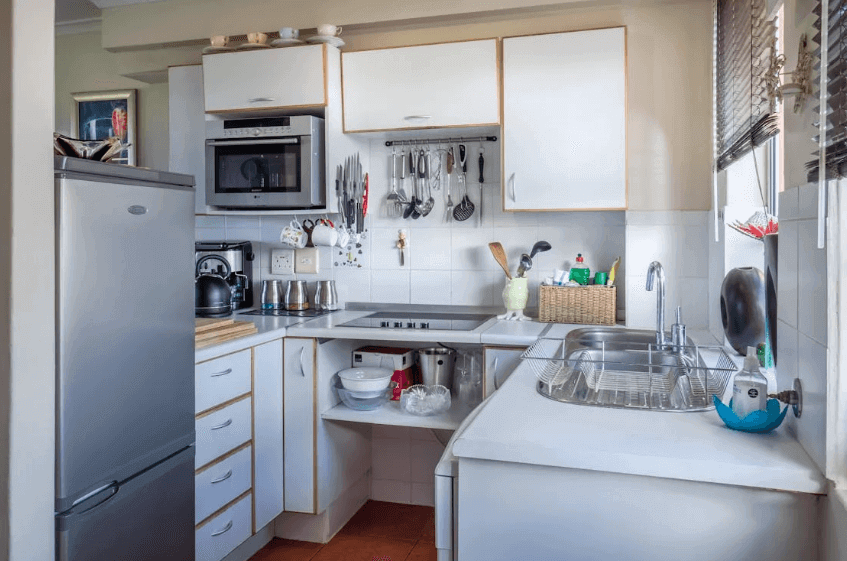
Photo by Jean van der Meulen
Where to Place Your Equipment
Think about how you move around while cooking. You walk between prep areas, stoves, and sinks constantly. Professional kitchens put cold storage near prep tables. This cuts down walking time significantly. Home setups work better with the same approach.
Keep your most-used items close to your main work area. You grab them multiple times per day. Extra steps add up fast over months of cooking.
Installation Requirements You Can’t Ignore
Gas ranges need proper exhaust systems installed. Commercial-style equipment often needs upgraded electrical circuits. Check your local building codes first. Some areas require permits for major appliances.
Ventilation gets overlooked constantly. But it matters more than people think. Poor airflow causes problems with gas equipment. It also makes your kitchen unbearably hot.
Storage Capacity and Temperature Control
Bad refrigeration ruins food and wastes money. Figure out your real storage needs first. Base this on how often you shop. Weekly shoppers need less space than bulk buyers.
Temperature stability protects your food investment. Cheap units struggle during summer heat. Temperatures swing up and down constantly. For businesses with perishable stock, reliable cooling can’t be optional. Canadian suppliers understand climate challenges in different regions. Companies like Toronto Commercial Refrigeration know what works in varied conditions, and they provide commercial refrigeration built for consistent performance year-round.
Glass Doors vs. Solid Doors
Glass-door units let you see inventory without opening them. You spot what you need instantly. Internal temps stay more stable this way. Solid-door models insulate better overall. They’re also more energy efficient, usually. Pick based on how you actually use the space.
Different businesses have different visibility needs. Retail settings benefit from glass doors. Back-of-house storage works fine with solid doors. Match your choice to your real usage patterns.
What Energy Ratings Really Cost You
The sticker price only tells part of the story. Operating costs pile up over the years. An Energy Star refrigerator costs more up front. But it saves hundreds on electricity annually.
Calculate the full ownership cost before buying. Include energy use and maintenance fees. Add in the expected lifespan, too. Commercial freezers cost twice what residential ones do. But they last three times longer, typically. According to the U.S. Department of Energy, commercial refrigeration uses about 6% of total building energy. This makes efficiency ratings worth reviewing carefully.
Seasonal Energy Patterns
Energy use changes throughout the year. Refrigeration works harder during hot months. Your ovens and ranges add heat constantly. This makes air conditioning systems work overtime. Plan for these interactions when budgeting. Summer months can double your cooling costs.
Budget equipment needs replacement, often within five years. Professional units run reliably for 15 to 20 years. The math works out in favor of quality.
Build Quality and Warranty Protection
Construction quality determines how long equipment survives. Stainless steel resists rust better than anything. It also cleans up easily. Heavy-duty hinges handle constant use without failing. Restaurant equipment survives abuse that destroys consumer models quickly.
Warranty length shows how confident manufacturers feel. Look past standard one-year coverage always. Here are the minimums worth considering:
- Compressor warranties should cover at least five years
- Parts and labor protection matter just as much
- Professional installation might be required to keep coverage
- Regular maintenance sometimes activates warranty terms
Read all warranty details before buying. Some exclude damage from power issues. Others only cover specific regions or service providers. Extended warranties cost extra upfront. But they prevent expensive surprises with vital equipment.
Business owners need to calculate downtime costs. A broken freezer in July means lost inventory. This can cost thousands in a single day. Warranty investment often pays for itself once.
Commercial Equipment vs. Home Models
Commercial gear does more than just last longer. Higher BTU burners heat faster and hold temps better. Professional mixers power through dense doughs easily. These differences matter when you cook frequently.
Home models work fine for occasional baking and cooking. They cost less right out of the gate. Many include features that home cooks love. Preset programs make common tasks simpler. They also run quieter than commercial units. Match your equipment grade to actual usage. Don’t buy for imaginary cooking goals.
Installation Gets Complicated Fast
Professional ranges need gas lines rated for higher output. Commercial refrigeration sometimes requires three-phase electrical service. These upgrades add thousands to your project budget. Factor infrastructure costs in before falling for specific equipment. Your dream range might need a complete electrical overhaul.
Some modifications need licensed contractors and permits. This adds time and money to projects. Know these requirements before you commit.

Photo by On Shot
Choosing Equipment That Works Long-Term
Visit showrooms whenever you can. See and touch the equipment in person. Online photos hide important details about size and weight. Test controls and open doors yourself. Judge the quality with your own hands. Compare noise levels between different models.
Talk to people who own what you’re considering. They know the real pros and cons. Consumer Reports provides reliability data worth reading. Professional groups often rate equipment, too. Ask suppliers which models sell best and why. Popular items usually earn their reputation through real performance.
Customer service and parts availability matter enormously. Great prices mean nothing if repairs take weeks. Canadian buyers should verify local parts stocking. Check service response times too. Broken equipment sitting idle costs money daily. This applies whether you run a business or just cook for family.
0
Leave a Reply