Enhance livability, safety, and aesthetics. Outdoor landscape lighting enhances security, usability during evening hours, and architecture. 1015% will be added to the home’s calculated value.
The question most homeowners ask when considering exterior illumination is: DIY (do it yourself) or hire a professional outdoor lighting crew?
This is a difficult choice for many West Chester homeowners. That’s where this guide comes in, showing you how material grades impact long-term return on investment, when electrical permits are required, and how to evaluate your property’s specific needs before installing.
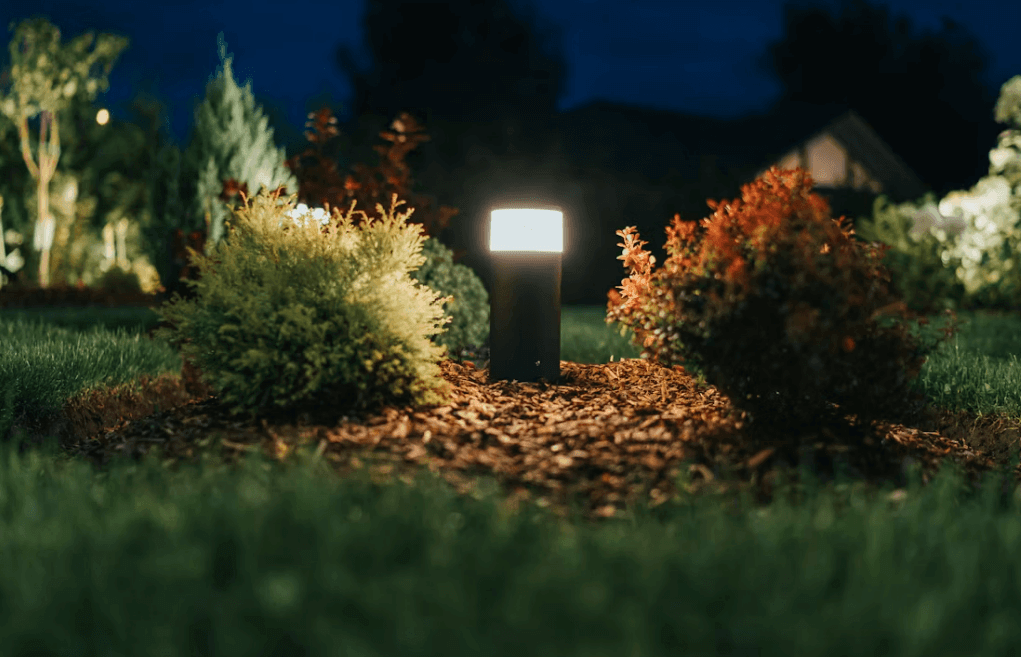
The Real Differences Between DIY and Professional Outdoor Lighting
Cost Upfront vs. Cost Over Time
According to LawnStarter’s 2026 industry data, DIY store lighting kits cost $200 to $500, whereas professional landscape systems average $2,000 to $4,500. However, initial prices hide cumulative expenses.
For DIY kits, Pennsylvania homeowners can use stamped aluminum or plastic fixtures, which corrode in the state’s harsh weather within 1 to 3 years. That means every couple of years, you need to purchase a new lighting kit and install it yourself.
This is why many Chester County residents attempting to enhance curb appeal often end up at Lighthouse Outdoor Lighting of West Chester seeking expert advice from Ray and his team. After their DIY fixtures fail, encountering early corrosion, the cast brass fixtures installed by Ray and his team have a 15-20 year lifespan, proving a much greater long-term investment.
Design and Layout Expertise
Professional designers apply subtle artistic techniques beyond basic pathway lighting. Uplighting highlights mature trees, moonlighting casts soft shadows from upper gables, and wall grazing reveals natural fieldstone textures.
Achieving these effects requires calculating voltage drops and the resistance decay across low-voltage wire runs. While DIY projects often suffer from dimming end-of-line fixtures, professionals use multi-tap transformers and hub topologies to maintain uniform 12V power distribution across every luminaire.
Equipment Quality
Retail kits consist of thin 16-gauge wire alongside other low-grade materials like C-clip connections that are not durable. On the other hand, professional contractors are the ones buying from brands like Kichler, VOLT, etc. They use low-gauge ultraviolet-resistant cables, waterproof splices, and OK-sealed brass housings to ensure durability.
And high-efficiency LED luminaires cut down on energy consumption of traditional halogen systems by 50% to 75%, per the results from the U. S Department of Energy.
Time and Effort
Properly installing a circuit requires digging 6 inches deep, tunneling under roads, determining circuit loads, and balancing resistance, among others. A major part of the process involves fixing a broken DIY loop, which takes entire weekends, while having professionals do excavation, wiring, and installation on the same day.
| Feature | DIY Lighting Kits | Professional Installation |
| Initial Cost | $200 – $500 | $2,000 – $4,500+ |
| Fixture Material | Plastic / Stamped Aluminum | Heavy Cast Brass / Solid Copper |
| Expected Lifespan | 1 to 3 Years | 15 to 20+ Years (Lifetime Warranties) |
| Wiring & Connections | Pinch Connectors / 16-Gauge Wire | Gel-Filled Heat Shrink / 12-Gauge Cable |
| Permit & Code Handling | Homeowner Responsibility | Handled by a Licensed Contractor |
Permits, Codes, and Certifications You Need to Know
When Permits Are Required
Under the Pennsylvania Uniform Construction Code (UCC) (Title 34 PA Code), all permanent electrical installations require municipal authorization. In West Chester, hardwired 120V line-voltage projects or installations adding new breaker circuits require electrical permits, which can range from $75 to $400 based on township regulations.
Pretty much only 120V line-voltage landscape lighting triggers permit requirements. Still, NEC Article 411 regulates where you can install your transformers and whether or not your location is wet or not.
License Electrician requirements
Per Pennsylvania’s regulations, high-voltage electrical work must be carried out or managed by an electrician with the appropriate license. This means if you plan to install a permanent, hardwired outdoor lighting on your property, you either need to have an electrician’s license or hire a professional.
Why This Trips Up DIYers
Unpermitted electrical work creates serious financial liabilities. Homeowners’ insurance carriers may deny damage claims caused by unpermitted wiring. Additionally, West Chester home inspectors flag unpermitted installations during real estate sales, causing mandatory repairs or transaction delays.
What a Professional Handles For You
Licensed contractors submit permit paperwork, schedule township inspections, and ensure full adherence to municipal setback rules and dark-sky ordinances.
When DIY Makes Sense (and When It Doesn’t)
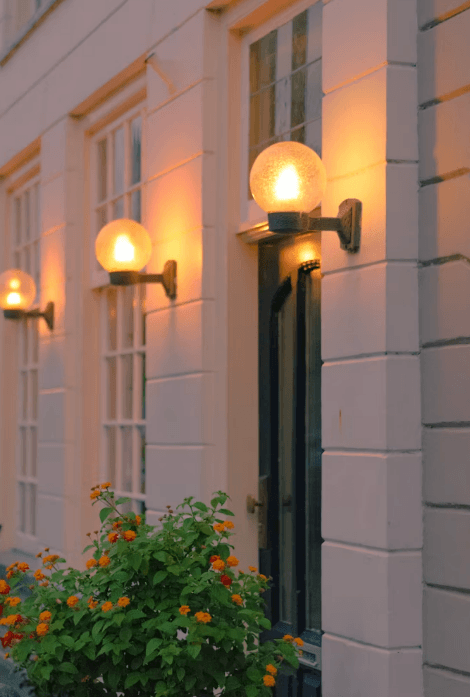
Good DIY Candidates
- Solar Stake Lights: Portable, zero-voltage solar fixtures ideal for temporary garden pathways or rental properties.
- Plug-In String Lights: Seasonal bistro lighting plugged directly into existing outdoor GFCI outlets.
- Small Low-Voltage Paths: Short, single-line walkway kits requiring under 5 fixtures and 50 feet of cable.
Where DIY Falls Short
- Whole Property Systems: Complete designs consisting of several zones illuminating whole residential property exteriors and exterior living spaces.
- Trenching Near Utilities: Underground installations located near public utilities require the excavation clearance of PA One Call.
- Hardwired Permanent Fixtures: High-voltage installations that are used in core drilling, construction mounting, or connection to the main panel.
- Smart Lighting Networks: Systems that offer automated zone control, RGBW color programming, as well as smart home integration.
Why West Chester Homeowners Choose a Professional Team
Homeowners making high-value improvements in their house choose specialized local contractors for turnkey reliability:
- Custom Design Consultation: Site mapping identifies dark spots, security zones, and focal landscape elements.
- Turnkey Permitting & Compliance: Complete management of Chester County permits, township inspections, and UCC codes.
- Local Architectural Alignment: Lighting layouts tailored to West Chester’s historic colonial architecture and local HOA dark-sky regulations.
- Commercial Warranties: Heavy-duty brass hardware backed by comprehensive equipment warranties and ongoing maintenance.
Making the Right Call for Your Home
Though solar-powered stake lights may be suitable for tiny weekend projects, setting up long-lasting outdoor lighting definitely calls for figuring out the right voltage, using commercial-quality materials, and meeting the necessary code requirements. Getting the lighting setup professionally done not only will add to the look and appearance of the outside of the house and increase safety but will also help preserve the value of the home in a professional manner.
FAQ
Do I need a permit for outdoor lighting in West Chester?
In West Chester, you do not need a permit to install low-voltage (12V) lighting in a conventional outdoor outlet. On the other hand, a local electrical license will surely be required if the installation calls for new high-voltage (120V) wiring or a new outlet.
Can I install low-voltage lighting by myself?
Easy-to-use plug-in low-voltage kits ensure you can handle the simplest DIY landscape lighting tasks. However, professional assistance is advised for complicated installations requiring computations for voltage drop, trench digging, and the application of waterproof connections.
What is the usual price of professional outdoor lighting?
Usually starting at about $2,000 to $4,500, professional LED landscape lighting in West Chester accompanies standard accent packages. Most other installations constructed from robust brass and featuring intelligent automated capabilities range in price from $5,000 to $10,000+.
0
Leave a Reply