From classic African violets and peace lilies to elegant potted orchids, indoor flowering plants have a remarkable ability to transform a room with color and life. For most people, the challenge isn’t finding a plant they love — it’s keeping it alive and blooming season after season. The good news is that lasting success with indoor flowering plants comes down to one core principle: matching the plant’s needs to the environment your home naturally provides, rather than struggling to force unsuitable conditions.
Understanding Your Indoor Environment
Light is the single most critical factor for flowering houseplants. Many species need bright, indirect light to bloom reliably, yet few homes offer ideal conditions in every room. A practical way to assess your space is to observe shadow intensity near windows at different times of day. North-facing rooms typically receive low light, east-facing windows offer gentle morning brightness, and south- or west-facing rooms deliver the strongest, most sustained light.
Temperature stability and humidity matter just as much. Most flowering houseplants prefer consistent, room-temperature conditions and suffer when placed near cold drafts, heating vents, or air conditioning units. Tropical species, in particular, benefit from higher ambient humidity. Grouping plants together, setting pots on pebble-filled water trays, or running a small humidifier nearby can all help maintain adequate moisture in the air.
Key takeaway: Choose plants that suit the light, temperature, and humidity your home naturally offers — not the other way around.
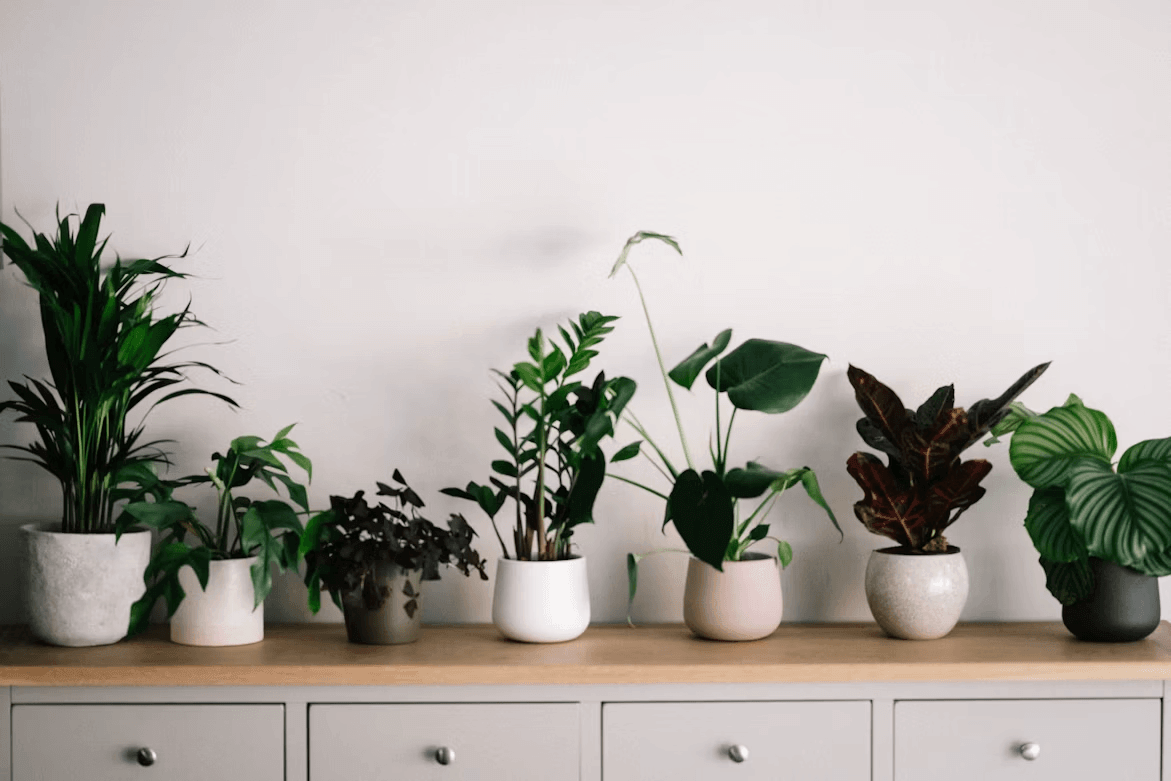
Choosing the Right Plants for Your Lifestyle
Before selecting any flowering houseplant, take an honest look at how much time you can realistically commit to care. Someone with a busy schedule and a single north-facing window is far better served by low-light, forgiving plants — peace lilies, for instance, tolerate shade and the occasional missed watering without complaint. Someone with a bright home office and moderate humidity has considerably more flexibility and can branch out into species that demand more consistent, brighter conditions.
Common beginner mistakes include choosing sun-loving plants for dim rooms or jumping into high-maintenance varieties before building a solid foundation of basic plant care skills. Starting with one or two straightforward species and expanding as your confidence grows is nearly always the more satisfying approach.
Core Care Principles
Overwatering remains the leading cause of houseplant failure, and it’s an easy trap to fall into. Rather than following a rigid watering schedule, check soil moisture directly press a finger about an inch into the soil and water only when it feels dry at that depth. When you do water, do so thoroughly until excess drains freely from the bottom, then empty the saucer promptly to prevent root rot from waterlogged roots sitting in standing water.
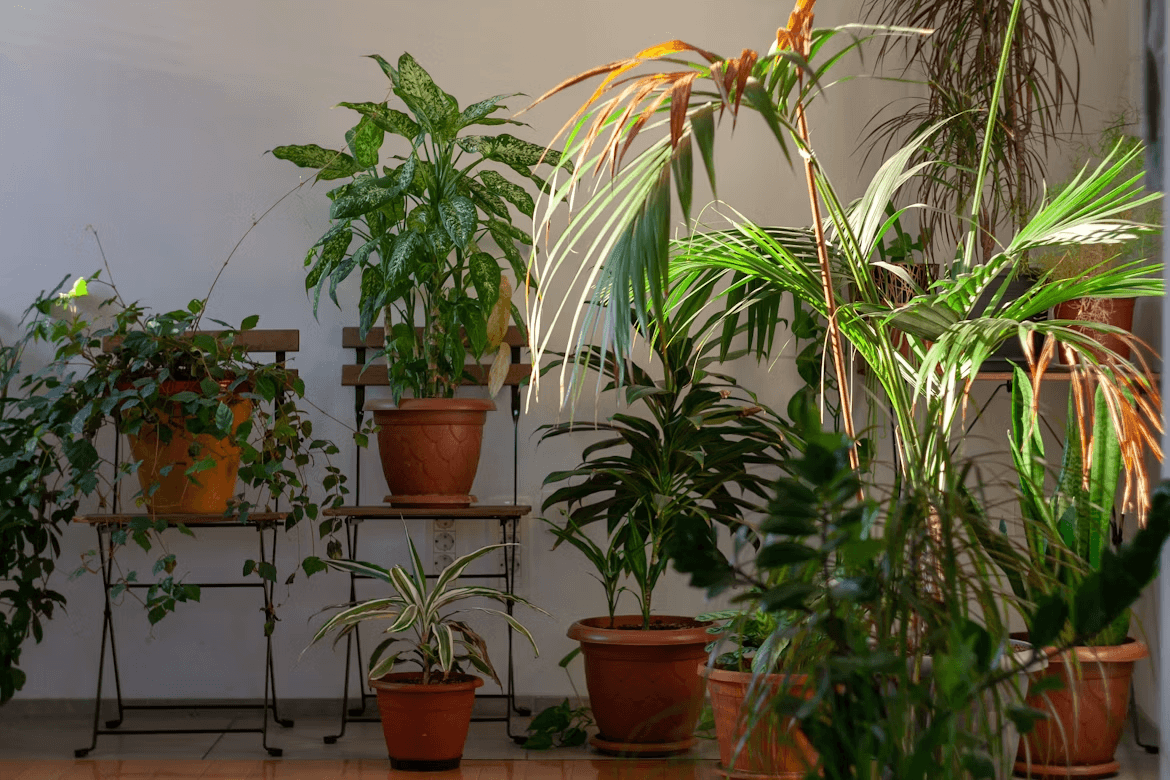
Choosing the right pot and soil matters just as much as how you water. Containers with drainage holes and a well-draining potting mix keep moisture from accumulating around roots. Terra cotta pots dry out faster and work well for plants that prefer drier conditions, while plastic or glazed ceramic pots hold moisture longer — a useful trait for species that like consistently damp soil.
For fertilizing, a balanced, water-soluble fertilizer applied at reduced strength every four to six weeks during active growth supports healthy blooms without risking salt buildup or leaf burn. When a plant goes dormant, skip fertilizing altogether.
Pro tip: Pay attention to how your plant responds to any changes in care — new growth, leaf color, and bloom frequency are among the most reliable signals that conditions are working, or that something needs adjusting.
Building a Long-Term Routine
Healthy indoor plants rarely flourish through occasional bursts of attention. A simple weekly habit — scanning for wilting, discoloration, or signs of pests, and quickly wiping dust from leaves to improve light absorption — makes a meaningful difference over time. Catching common problems like spider mites, yellowing leaves, or brown tips early allows for gentle, targeted interventions before they become harder to manage. University extension services and master gardener resources are excellent, trustworthy sources for detailed guidance on pest identification and treatment.
Ultimately, healthy conditions and consistent, attentive care matter far more than buying specific plant varieties or specialized tools. Choose one or two flowering plants well-suited to your space, apply these foundational principles, and let your observations guide adjustments as you go. Whether you’re drawn to African violets, peace lilies, or potted orchids, the same core skills — reading your light, managing water carefully, and staying observant — will serve you well with virtually any indoor flowering plant you decide to grow.
0
Leave a Reply