Living in a warm, sticky climate changes what a home needs from its furnishings. Around New Port Richey, the way a room is dressed does more than set a mood. It shapes how cool the air feels, how much afternoon sun collects inside, and how long the cooling system runs before it catches up.
Heat off the Gulf can quietly drain the comfort out of a good-looking room by early afternoon. The right handful of choices keeps things livable without flattening the style.
When the Cooling Gives Out
A failing air conditioner is the fastest way to lose comfort in a Gulf Coast summer, and the problem rarely waits for a convenient time. Left unattended, a weak or dead system turns a whole house hot and humid within hours. The best way to handle a situation like this is to schedule professional AC repair in New Port Richey for a broken cooling system. A good service responds fast and explains the fix before starting the work.
Treat Your Windows as a Cooling Tool
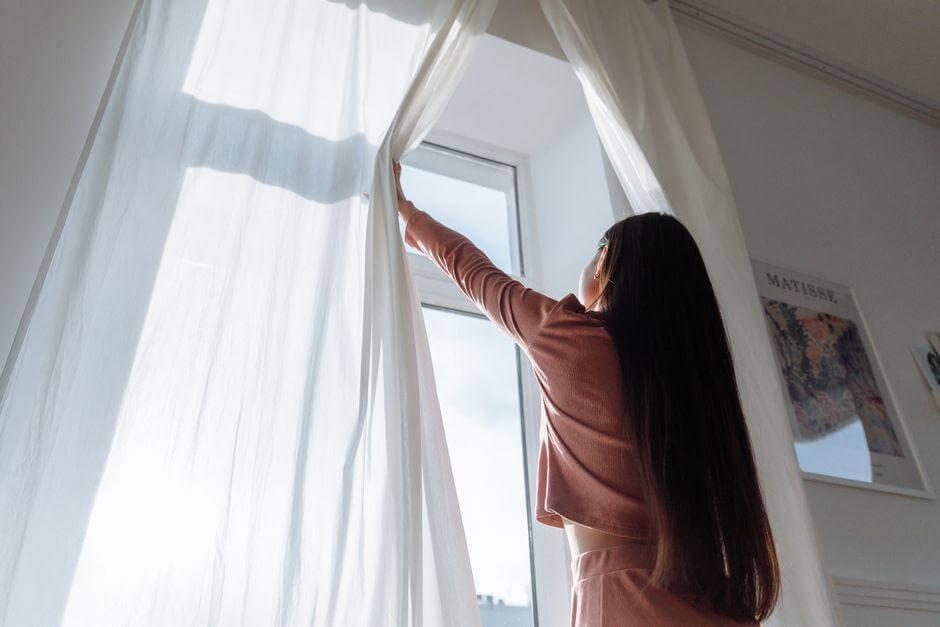
Glass lets in far more warmth than most homeowners give it credit for. Drapes, shades, and blinds are not only there to dress a window, but they also hold back the solar heat gain that bakes a room the way a lens focuses sunlight.
Where the afternoon sun hits hard, thin sheer panels barely earn their place. Lined drapes, cellular shades, or a couple of layers together perform better by catching heat before it drifts across the floor.
A few practical moves help:
- Pick pale window coverings that push heat back outside
- Hang blackout or thermal-lined drapes in the sunniest rooms
- Tilt blinds upward to turn away direct rays while keeping some daylight
- Mount rods past the window frame so fabric clears the glass fully
Even minor window tweaks can change how hot a room runs by evening, and they rarely cost much to try.
Pick Materials That Actually Feel Cool
The way a surface feels underhand matters as much as how it photographs. Plenty of fabrics look rich in a catalog and turn miserable in high summer, and dense velvet, heavy polyester, and deep shag can hold warmth long after the thermostat claims the room is fine.
There is no need to gut a space back to bare floors. What helps is choosing things that let air pass and shed heat quickly. Cotton, linen, and loosely woven cloth sit cooler on the skin and keep a room from feeling sealed and close.
Try updating these pieces first:
- Cushion covers in cotton or linen rather than synthetic weaves
- Thin throws in place of bulky knit blankets
- Rugs with a low or flat weave instead of deep pile
- Slipcovers you can pull off and launder through the damp months
This carries the most weight in spots where people settle in for a while, such as a lounge or a work-from-home setup. Comfort registers in the body, not just the eye, and seating that soaks up heat can sour the feel of an entire room.
Arrange Furniture So Air Can Travel
Where things sit decides comfort as surely as what things are. A room can be beautifully put together and still cool poorly if the air has nowhere to go, and a wide sectional parked across a floor vent quietly cancels out the system feeding it.
Air has to loop freely to do its job. Once a vent hides behind a couch, a curtain, a stack of baskets, or a folding screen, the equipment strains to hold the number on the dial. What follows is a patchwork of warm and cool pockets that leaves the house feeling erratic.
Check these common trouble spots:
- Beds set right on top of floor vents
- Floor-length curtains draped over return grilles
- Side tables parked against wall registers
- Tall shelves or chairs jammed into corners where air needs to pass
A slow walk through a room with airflow in mind turns up plenty. When air cannot enter, circle, and slip back out with ease, even a handsome space feels wrong. Thoughtful placement holds comfort together without drawing attention to itself, which is usually the mark of a good call.
Lean on Color and Light for a Cooler Feel
How a room reads to the eye sets a mood well ahead of any temperature. A space can appear cooler before the air ever changes, and that impression quietly steers how comfortable it feels.
Deep, heavy colors drink in light and can weigh a room down, while paler shades scatter it and lift the whole atmosphere. Chalky whites, soft grays, sandy tones, hushed blues, and gentle greens all sit well in a hot climate.
Repainting from top to bottom is overkill. A few small swaps shift the feel in a hurry:
- Trade dark lampshades for lighter ones
- Work in glass, ceramic, or pale wood for a bit of shine
- Hang simpler, brighter art in place of heavy pieces
- Add a mirror or two to spread daylight without adding warmth
Light sources count as well. Older incandescent bulbs give off noticeably more heat than LEDs, and in a tight room that adds up. LEDs stay cool to the touch, sip power, and spare you from paying to light and chill the same space at once.
Let the Humidity Guide Your Choices
Dampness has the final say in how long furnishings last. In a muggy climate, anything chosen without it in mind tends to fade fast, and a piece adored at the register can swell, sour, or look worn within a season.
That plays out all along coastal Florida, where the air indoors grows heavy the moment a system stops pulling moisture the way it should. Raw wood, some wallpapers, and thick natural-fiber goods usually ask for more care than buyers expect.
Look for decor that handles humidity better:
- Sealed or painted wood in place of untreated timber
- Washable rugs by doors and in high-traffic rooms
- Moisture-resistant window coverings in bathrooms
- Baskets woven from fibers that shrug off dampness
Plants keep a room feeling alive, though crowding them into a stale corner can push moisture the wrong way. A single pothos or snake plant charms a shelf, while a dozen crammed in a dim nook edges toward a mildew problem.
Set a Seasonal Rhythm for Your Rooms
A home gains from being reset with the calendar, not only for holidays or a fresh look. Shifting decor around comfort and temperature pays off for little effort, landing somewhere between staging and plain good sense.
When the heat climbs, a stripped-back setup serves better. Pack away heavy blankets, layered bedding, and the bulky odds and ends that trap warmth. Bring forward airy fabrics, plainer tabletops, and clear surfaces that let a room breathe.
A useful warm-weather refresh might include:
- Trading flannel or thick duvet covers for crisp cotton percale
- Pulling spare accent pillows off beds and sofas
- Thinning out packed shelves that crowd the eye
- Swapping dark seasonal pieces for lighter, neutral ones
None of this has to cost much, since the work is trimming rather than starting over. The point is a room that looks deliberate and feels kinder to live in as the numbers climb. Furnishings will never stand in for solid insulation, sound ducts, or steady upkeep, yet they shape comfort more than most people credit. When a home looks cool, breathes easily, and moves air along instead of trapping it, every part of it works better.
0
Leave a Reply