Grocery shopping looks simple, but when you are feeding a family, it can feel like a weekly puzzle. Prices change, packages shrink, and store layouts seem to move things just when you get used to them. Over time, I have learned that staying on budget is not about chasing every deal or buying the cheapest item every time. It is about building a few steady habits that work for real family life.
Before I ever grab a cart, I think about what our week looks like at home. Busy evenings, school lunches, and meals that need to stretch without feeling boring all play a role. With a short plan and a little awareness of prices, it is possible to keep grocery trips calm, practical, and friendly to your budget without giving up the foods your family enjoys.
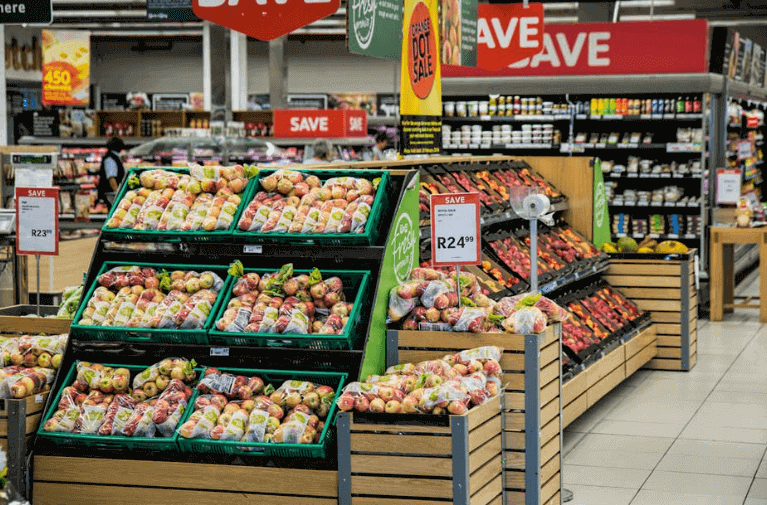
Know the Price Baseline
Tracking a few staple prices tells you when a deal is real. Note the usual tag for eggs, milk, rice, chicken thighs, and a favorite vegetable. When a sale dips well below your baseline, you can stock up with confidence and skip impulse grabs that look exciting but save little.
Year over year, context matters too. The Bureau of Labor Statistics reported that food-at-home prices rose 1.8% from December 2023 to December 2024, which means many items are still trending a bit higher than a year ago. That small climb can sneak into your basket if you are not watching unit prices and package sizes.
Plan Before You Enter the Aisle
In your short list, put the highest cost items at the top so you see their impact first. If the total looks high, swap or trim on paper before you step inside. Collect a few inflation tips in one place for quick reference while you shop, then jot a note about how those ideas worked for you. You will learn which swaps fit your taste and which ones do not.
Bring a backup plan for two or three items. If fresh berries are pricey, be ready to pick frozen or another fruit. If the brand you like is up $1 this week, set a cap and move to a store brand that still fits your recipe.
Use Unit Prices and Package Math
Shelf labels show the price per ounce, pound, or count. That tiny number beats the big bold sticker every time. Compare containers by unit price first, and confirm that the size fits your needs so you do not pay for food that spoils.
Quick checks that take seconds:
- Compare per ounce across 2 or 3 sizes before you pick a package.
- Watch for rounded weights like 12 ounces vs 16 ounces that change the math.
- Check if a multi-pack actually lowers the unit price or just looks bigger.
- Remember storage space and shelf life, so a bulk buy does not become waste.
Unit price helps balance convenience with value. If pre-cut produce is only a little more per pound and saves you 15 minutes on a busy night, that can be a fair trade. The key is making that call on numbers, not on glossy packaging.
Lean on Store Brands and Real Substitutes
Modern grocery stores are not a step down by default. Many are made by the same factories as name brands and score well in quality tests. Try a few low-risk swaps first, like pantry staples and dairy, and keep the ones that match your taste.
Sales of private-label grocery goods reached about $270.6 billion in 2024, a sign that shoppers are shifting to these lines for steady savings. Treat your favorites as the exception, and let the rest of your cart flex with price and taste.
Time Your Trips and Avoid Waste
Fewer trips can mean fewer impulse buys, but very long gaps can push you into emergency takeout. Aim for a rhythm that fits your week, and prep ingredients once so dinner builds itself. Cook a base like rice, beans, or roasted vegetables that can stretch across several meals.
Store care is as valuable as coupon clipping. Use clear bins, label leftovers by date, and keep a first-in-first-out shelf. A quick Friday sweep for soon-to-expire items can turn a would-be loss into a budget pasta, soup, or stir-fry.
Work the Digital Tools, Not the Other Way Around
Apps and loyalty programs can help, but only if they match your plan. Clip digital coupons for items already on your list, and ignore flashy deals that lure you into extras. Price-match tools can set a target for a fair price so you know when to buy.
How apps serve your plan:
- Turn on price alerts for only your staples and household basics.
- Sort weekly ads by unit price, not brand.
- Use a shared list app so the family does not double-buy milk or bread.
- Track the top 10 items you always replace and set a restock threshold.
Remember that stacking deals is only a win if you will use the product before it expires. A discounted item you never open is a loss.
Shop the Perimeter With Purpose
The perimeter holds fresh food, but prices swing here the most. Compare cuts in the meat case and pick value options like thighs over breasts or bone-in over boneless when the numbers favor them. In produce, choose in-season picks for better flavor and lower cost, and balance fresh with frozen for stability.
Frozen vegetables and fruit are harvested at peak ripeness and help control waste. They cook fast and keep for months, which makes them a strong partner for budget meals. Mix fresh and frozen in the same week to keep variety high and spoilage low.
Stretch Meals At Home
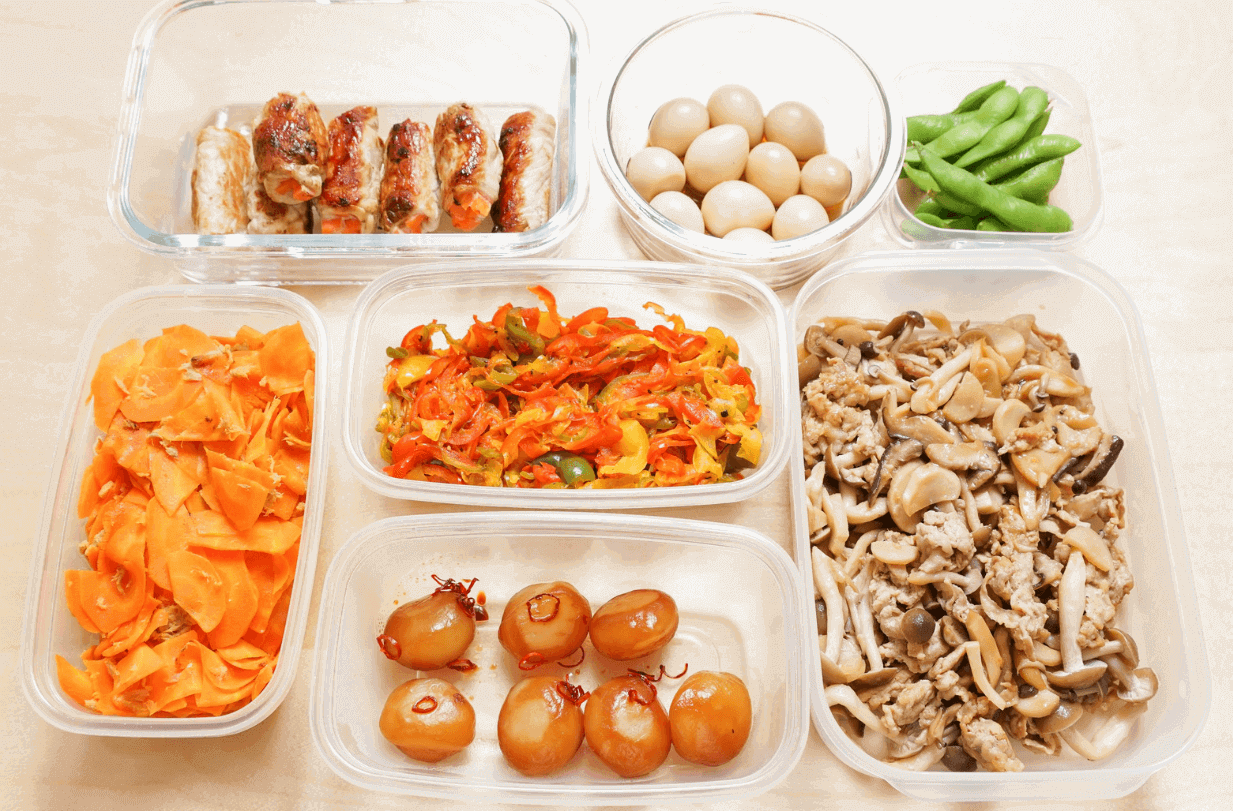
A little prep turns one main into two more meals. Roast extra chicken and save the meat for tacos or soup. Make a double batch of beans and freeze half flat in a bag for quick thawing. The more parts you have ready, the fewer high-priced emergencies you face.
Looking ahead helps you manage rising costs over the year. The USDA Economic Research Service projects that food-at-home prices will tick up modestly in 2026, around the low single digits, so building habits now protects you as those small increases accumulate.
Cooking from a flexible base keeps your budget steady. A pot of grains, a pan of roasted vegetables, and a protein option can remix into grain bowls, wraps, or fried rice. Spice blends and sauces change the profile without bouncing your cart total.
Conclusion
I have found that planning with simple, family-friendly meals in mind makes all the difference. When your fridge is stocked for easy wins, like ingredients that can turn into quick dinners or lunches such as these simple taco hand pies, you are less likely to overspend or stress at the end of the day. A flexible plan that works with busy schedules is far more useful than strict rules. When you shop with intention and cook with ease, grocery shopping in modern grocery stores becomes calmer and your home stays filled with meals that truly work for your family.
0
Leave a Reply