Cut flowers lose a significant chunk of their vase life when you skip basic care steps in the first 2 hours after purchase. That realization changed how I treat every bouquet that enters my kitchen. Whether you bring home a dozen long-stemmed roses or a handful of small flowers like spray carnations and miniature asters, the basics behind freshness stay the same – and mastering them saves both money and heartbreak.
Why Cut Stems Die Faster Than You Think
A freshly cut stem begins to seal within seconds of leaving water. Air bubbles travel up the xylem – the plant’s internal pipeline – and block moisture flow, reducing how much water the stem can draw up. Bacteria compound the problem. A vase of untreated tap water builds up bacteria remarkably fast within just a few days. Those microbes clog stem vessels the same way cholesterol clogs arteries.
Temperature matters, too. Warmer rooms speed up the metabolic rate of cut blooms considerably. A bouquet sitting near a sunny window wilts noticeably faster than one kept in a cooler spot. I learned that lesson the hard way after placing tulips on a south-facing windowsill in July. They drooped within 18 hours.
The First 30 minutes: Your Freshness Window
Act fast. The steps you take immediately after bringing flowers home have an outsized effect on total vase life.
Trim, strip, submerge
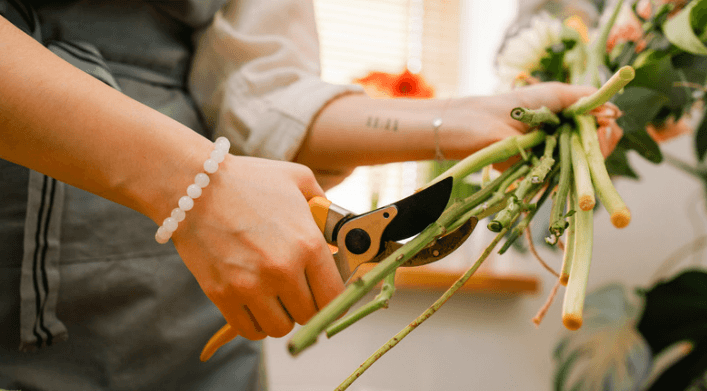
- Cut 1–2 inches off each stem at a sharp 45-degree angle while holding the stem underwater in a bowl or sink.
- Remove every leaf that would sit below the waterline – leaves decompose and breed bacteria within 24 hours.
- Place stems into a clean vase filled with lukewarm water between 100°F and 110°F (warm water molecules move into stems faster than cold ones).
- Add the flower food packet that came with your bouquet – each sachet typically contains sucrose, citric acid, and a biocide calibrated for 1 quart of water.
Why the 45-degree angle? A straight cut lets the stem sit flat against the vase bottom, sealing the opening. The angled cut exposes more surface area and prevents a tight seal.
Choosing the right vase
Vase shape affects airflow and stem crowding. Tight bunches trap ethylene gas – a ripening hormone that flowers release naturally. A good rule of thumb: leave at least half an inch of space between each stem at the rim. Narrow-necked vases suit single-variety displays of 5–7 stems. Wide-mouthed vessels work better for mixed arrangements of 12 or more stems.
Daily Maintenance That Adds 4–7 Extra Days
Most people set flowers down and forget them. A 2-minute daily routine stretches vase life dramatically.
Water changes and re-trimming
Swap the water every 48 hours. Wash the vase with soap each time – biofilm (that slimy ring) harbors Pseudomonas and other bacteria that accelerate decay. Re-trim stems by half an inch during every water change. Regularly re-cut roses consistently outlast untrimmed ones by several days.
Homemade Flower Food – What Works and What Doesn’t
Ran out of commercial flower food? Two recipes hold up under testing:
- Mix 1 teaspoon of sugar, 1 teaspoon of white vinegar, and 1 quart of lukewarm water – the sugar feeds the bloom while the vinegar lowers pH to about 3.5, inhibiting bacterial growth.
- Combine 1 quart of water with 2 tablespoons of lemon juice and 1 tablespoon of sugar plus ¼ teaspoon of household bleach – the bleach acts as a biocide similar to commercial packets.
Skip the vodka trick. Despite viral popularity, adding spirits to the water shows no real advantage over a proper flower food mix. The pennies-in-the-vase myth also falls flat – modern pennies contain too little copper to suppress bacteria.
Species-specific Secrets You Won’t Find on Most Labels
Different cut flowers respond to different care tweaks. Here’s what I’ve picked up over years of arranging.
Roses
Roses drink roughly 1 quart of water per day during the first 48 hours. Plunge wilting roses into warm water up to the bloom – a technique called “conditioning” – for 30 minutes to revive droopy heads. Guard petals (the outer 2–3 bruised petals) should come off before arranging; removing guard petals exposes fresh layers and improves appearance.
Hydrangeas
Hydrangea blooms absorb water through petals as well as stems. Misting the flower heads twice daily noticeably extends display time. Dip freshly cut hydrangea stems in alum powder (potassium aluminum sulfate) for 30 seconds before placing them in the vase – this trick prevents the stem from sealing itself.
Tulips
Tulips continue growing after cutting – up to 1 inch per day in a warm room. Use a tall, narrow vase to support the lengthening stems. Add 5–6 ice cubes to the water once daily to slow growth and prevent the characteristic tulip “flop.”
Delicate blooms like baby’s breath and spray roses
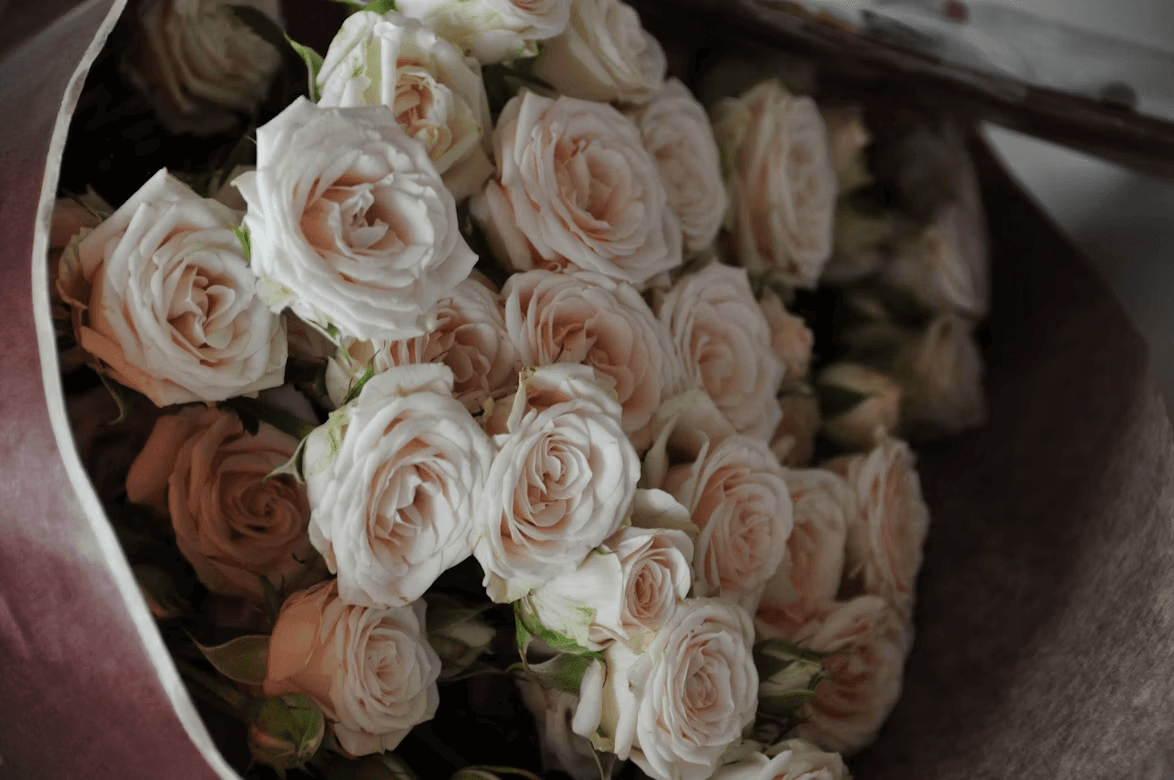
Petite stems with clusters of tiny blossoms dry out faster because each flower head draws from a thinner water channel. Trim these stems every day instead of every 2 days. Group delicate varieties in separate vessels to avoid competition with larger, thirstier stems like sunflowers or lilies. For inspiration on pairing petite pink varieties, browse curated selections of small blooms that lend themselves well to compact arrangements.
Environmental enemies: heat, fruit, and drafts
Three household factors sabotage vase life more than anything else.
Fruit bowls. Ripening apples, bananas, and avocados emit ethylene gas that speeds up wilting nearby. Place your vase at least 6 feet from any fruit.
Direct sunlight. Even 2 hours of afternoon sun raises water temperature inside a glass vase by 10–15°F. Move arrangements to indirect light or a north-facing counter.
HVAC vents. Forced air – both heating and cooling – dehydrates petals rapidly. A bouquet placed directly below an air conditioning vent loses moisture noticeably faster than one in still air. Position vases away from ceiling registers and floor vents.
Quick-reference vase life chart
| Flower | Average vase life (with proper care) | Key tip |
| Roses | 7–12 days | Re-cut and change water every 2 days |
| Carnations | 14–21 days | Keep water cool; avoid ethylene sources |
| Tulips | 5–7 days | Add ice cubes daily; use a tall vase |
| Lilies | 10–14 days | Remove pollen-covered anthers to prevent staining |
| Hydrangeas | 7–10 days | Mist petals; dip stems in alum powder |
| Sunflowers | 6–12 days | Use deep water; stems drink heavily |
| Chrysanthemums | 14–21 days | Break (don’t cut) stems for better uptake |
What Good Care Really Comes Down To
I’ve arranged hundreds of bouquets over the past decade, and the pattern never changes. Clean water, sharp cuts, cool temperatures, and distance from fruit – those four habits beat every trendy hack on social media. Flowers don’t need aspirin tablets or copper pennies. They need science-backed basics executed consistently.
Try the lemon-juice-and-bleach recipe on your next grocery-store bouquet and track the results day by day. You might surprise yourself.
0
Leave a Reply