Keeping kids active, social, and engaged all year long isn’t always easy, especially once the weather turns and outdoor time becomes limited. As a parent, I love having a few indoor ideas in my back pocket for rainy days, cold weekends, family trips, or those afternoons when everyone simply needs a change of scenery.
Sometimes that means getting out of the house altogether. A good indoor play space can be a lifesaver on a rainy day, whether you’re close to home or trying to entertain the kids while traveling.
If a family trip takes you to central Indiana, for example, looking up an indoor playground indianapolis is one way to find a place where the kids can run, climb, and play for a while. No matter where you’re exploring, the same basic questions apply: Does the space feel safe? Is it a good fit for your child’s age? And, most importantly, will they have fun?
Of course, indoor play doesn’t have to mean a huge play center. A corner of the living room can sometimes be just as much fun with a little creativity. Here are a few ways to make indoor play work, whether you’re staying home or heading somewhere new.
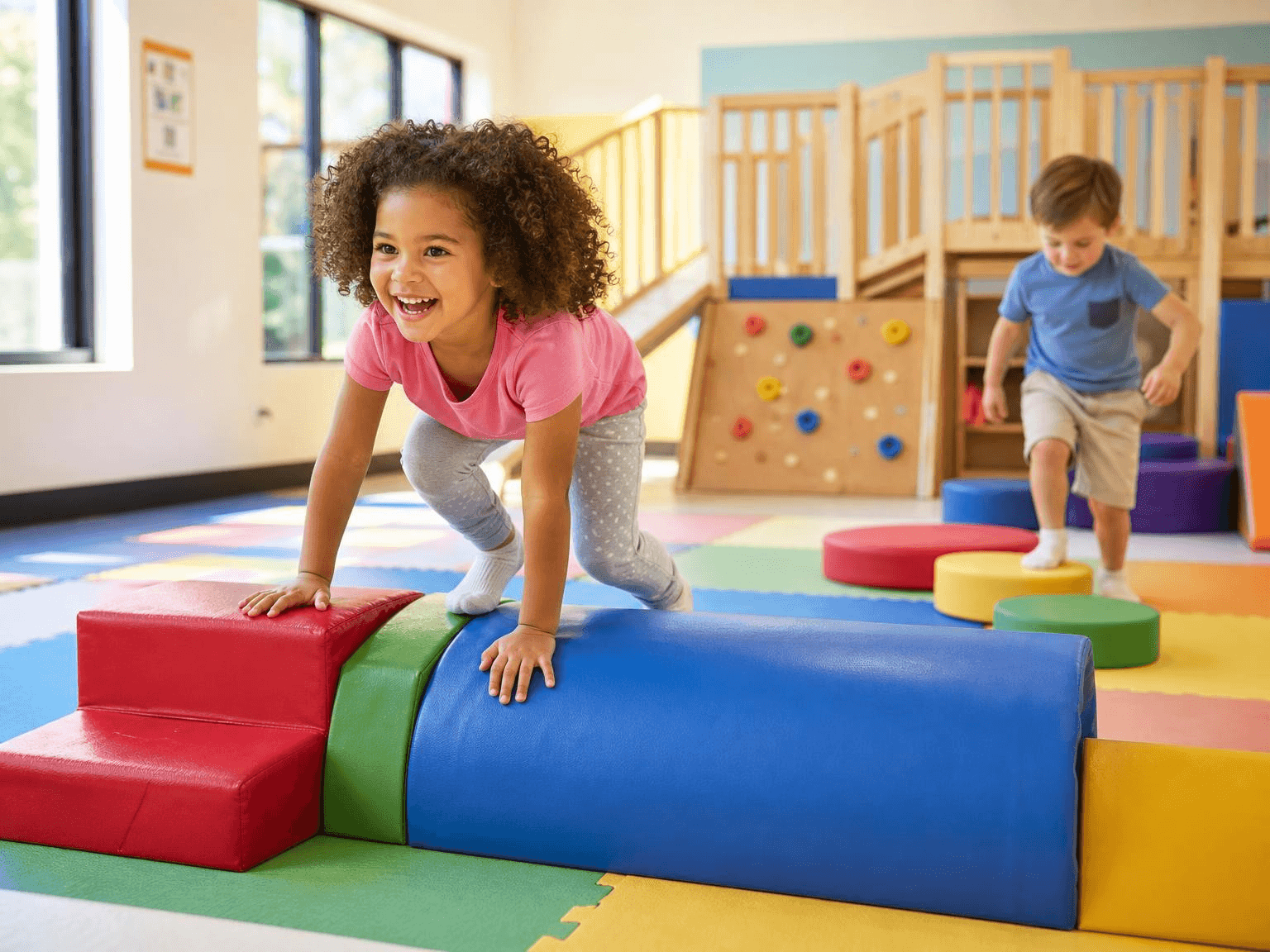
Why Indoor Play Matters for Kids
Climbing, jumping, crawling, running, and balancing help kids burn off energy while building coordination, balance, and confidence. They’re figuring out what their bodies can do, often without realizing they’re practicing anything at all.
There’s plenty of thinking involved, too. Watch a child trying to figure out how to get from one side of a climbing structure to the slide without going back down. There’s planning and problem-solving happening in real time.
The same goes for quieter activities. Building a block tower, putting together a puzzle, or setting up a pretend restaurant gives little minds something to figure out.
Playing around other kids brings its own lessons. There will be turns to take, toys to share, disagreements to work out, and probably a few moments when somebody wants the exact same thing at the exact same time. That’s part of play, too.
And while it’s tempting to step in and help every time something gets tricky, kids gain a lot from having the chance to work a few things out themselves.
Indoor Play Options for Every Kind of Day
At home, you really don’t need a Pinterest-perfect playroom to give kids something fun and active to do. A little open floor space and a few things you already own can go surprisingly far.
Try:
- Simple obstacle courses built from pillows or furniture
- Sensory corners stocked with books, music, or tactile toys
- Imaginative play areas like pretend kitchens or block-building stations
I’ve found that the simplest ideas are often the ones kids turn into something completely different anyway. A pillow obstacle course might become a pirate ship five minutes later, and that’s half the fun.
When everyone is ready to get out of the house, community centers, children’s museums, libraries, and recreation facilities are worth checking out. Many have play areas, hands-on exhibits, or activities designed for different ages. They’re especially useful when you’re traveling and the kids need something of their own between all the grown-up plans.
Dedicated indoor playgrounds usually offer bigger climbing structures, slides, trampolines, and soft play areas. I’ve found that the same basic checklist works whether you’re trying a play place near home or looking for something to do with the kids while traveling.
Don’t worry too much about finding the biggest or flashiest option. Pay attention to whether it feels clean, safe, well supervised, and right for your kids.
If you’re bringing children of different ages, it’s also nice when the high-energy areas are separate from the quieter ones. And some kids simply need a break from all that noise and activity once in a while.
How to Evaluate Indoor Play Spaces
Safety and cleanliness are always at the top of my list when kids are involved. Before everyone kicks off their shoes and disappears into the play structure, take a quick look around.
Look for:
- Soft, well-maintained flooring and secure railings
- Clearly posted age and height guidelines
- Visible rules and attentive staff
- Clean facilities and accessible handwashing stations
You don’t have to conduct a full inspection. A quick glance at the equipment, entrances, exits, and how the staff respond when kids get a little too enthusiastic can tell you quite a bit.
Age matters, too. A toddler needs different equipment than a school-age child. Kids who are sensitive to noise or crowds may also be happier during quieter hours or somewhere with a calm area where they can take a break. Ramps and wider pathways can make a space easier for more families to enjoy.
And let’s be practical: Is there parking? How much does it cost? Is there somewhere to sit while the kids play? How far is it from your house, hotel, or wherever you’re staying?
Those little details can make the difference between a fun family outing and one that leaves everyone ready for a nap, including Mom.
Indoor play doesn’t need to compete with playing outside, either. It’s simply another option for days when the weather, travel plans, or your family’s schedule makes getting outdoors difficult.
Making Indoor Play Part of the Routine
I don’t worry about making every day screen-free, but I do try to give kids plenty of chances to get up, move around, build something, or make up their own games.
A few easy ways to make that happen:
- Set aside a little time for everyone to move each day.
- Plan an occasional indoor play outing when you need to get out of the house.
- Mix things up between home activities, community spaces, and bigger indoor play facilities.
You can also let your child take the lead. Instead of planning every activity, give them a few choices and see where they go with them.
Maybe they want to build the tallest block tower they can. Maybe they’re determined to make it through the obstacle course without touching the floor. Or maybe they’re finally ready to climb to the top of that play structure they’ve been eyeing all afternoon.
Those little challenges mean more when kids decide to take them on themselves.
Ask Them About It Afterwards
You don’t need to turn playtime into a serious discussion, but the ride home or dinner table can be a good chance to hear what your kids thought about the day.
Try asking:
- “What did you enjoy most?”
- “Did you feel safe and comfortable?”
- “What did you try that was new?”
You might be surprised by the answer. Sometimes the giant slide you thought would be the highlight isn’t nearly as exciting as the new friend they made or the little climbing wall they finally conquered.
Their answers can also tell you which places and activities are actually worth doing again.
Bringing It All Together
You don’t need a huge playroom or a packed activity schedule to make indoor play worthwhile. Sometimes a pile of couch cushions, a rainy afternoon, and permission to turn the living room into an obstacle course are more than enough.
And when everyone needs a change of scenery, whether you’re at home, visiting family in Indianapolis, or exploring somewhere completely new, an indoor play space can give kids a chance to climb, explore, meet other children, and have fun.
I don’t think every afternoon needs to become a learning opportunity. Sometimes kids just need somewhere safe to climb, make a mess, invent a game, and play.
And sometimes the best play days are the ones we didn’t really plan at all.
0
Leave a Reply