Silver has shaped human history and continues to impact the world today.
From its use by ancient traditions to its usage in cutting-edge technology, this metal holds a unique place in culture, industry, and innovation.
Here are some fun facts you might not know…
Silver Jewelry Boxes Became Popular at the Dawn of Mass Production
The Industrial Revolution transformed how people accessed luxury items, including silver jewelry boxes. Before this period, such ornate pieces were handcrafted and reserved for the wealthy. However, advancements in mass production during the early 1900s changed everything.
Factories began producing jewelry boxes on a larger scale, making them affordable for middle-class families. Designs often featured intricate silver embellishments that added elegance without requiring solid silver construction.
These decorative boxes weren’t just functional—they became cherished gifts and symbols of personal style. Many were used to store heirlooms or treasured keepsakes.
Silver jewelry boxes from this era remain collectibles today, offering a glimpse into society’s changing tastes and manufacturing ingenuity!
Silver Was Once a Cornerstone of Global Currencies
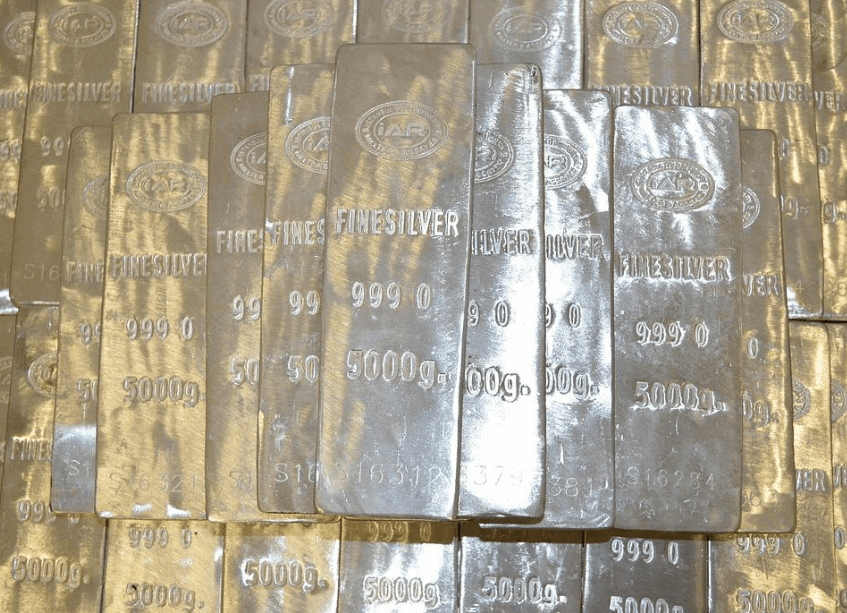
Silver has played a key role in the history of money. For thousands of years, civilizations used silver coins as a trusted medium of exchange. From Ancient Greece to the Roman Empire, its scarcity and intrinsic value made it ideal for trade.
During the 19th century, many countries operated on bimetallic systems that valued gold and silver together. The U.S., for instance, minted silver dollars under these policies until shifting away from precious metals in currency by the 20th century.
Even today, some nations still produce commemorative silver coins due to their historic significance.
Though paper currencies dominate now (and perhaps not for long, as the digital age continues to advance), silver’s legacy in shaping global economies remains undeniable.
Silver Is the Best Conductor of Electricity
Did you know that silver holds the title as the most efficient conductor of electricity? It outperforms copper and gold. Silver’s atomic structure allows electrons to pass through effortlessly, resulting in unmatched conductivity.
This property makes silver essential in high-performance electronics like printed circuit boards (PCBs), switches, and connectors. It ensures seamless electrical flow where precision is critical.
Industries also depend on silver for specialized applications requiring consistent performance under intense conditions. For instance, its reliability supports complex systems in aerospace or telecommunications.
While alternatives such as copper are often used due to cost-effectiveness, no material rivals silver’s efficiency when absolute conductivity is a priority.
Medicine Has Long Benefited From Silver
Silver’s use in medicine dates back centuries, as it’s valued for its antimicrobial properties. Ancient civilizations like the Greeks and Romans applied silver to wounds, recognizing its ability to prevent infection even before germs were understood.
Today, these same properties continue to play a role in healthcare. Modern wound dressings incorporate silver to stop bacterial growth and aid healing.
Medical devices, such as catheters and surgical tools, often feature silver coatings to reduce infection risks.
And some topical creams also include silver compounds for treating burns or chronic wounds.
Solar Panels Depend on Silver to Function Properly
Thin silver paste is used to create conductive lines on photovoltaic cells, allowing electricity generated by sunlight to flow efficiently in solar panels. Without silver, these cells wouldn’t be as effective at converting light into power.
Its unique properties make it irreplaceable for maximizing efficiency. Even small amounts of silver significantly enhance the performance of solar panels.
As demand for clean energy rises globally, so does the need for silver in this sector.
Countries expanding their solar infrastructure rely heavily on it—showcasing how this precious metal supports the shift toward greener solutions and sustainable technology.
The Value of Silver Changes with Economic Trends
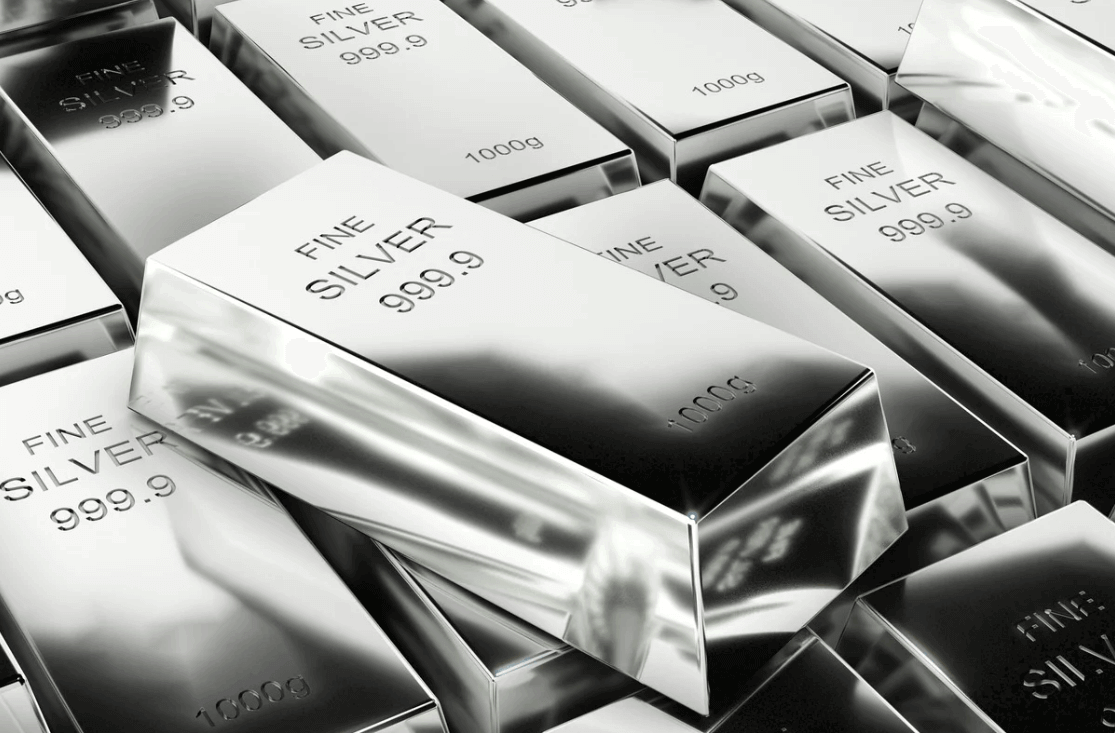
Silver’s value isn’t static—it fluctuates based on supply, demand, and global economic conditions.
Industrial use, especially in electronics and renewable energy, can drive up demand.
Meanwhile, during economic uncertainty or inflationary periods, silver often attracts investors as a “safe-haven” asset.
Trading activity reflects these trends closely. For example, many investors monitor Axi silver trading or other trusted platforms to track market shifts or capitalize on price changes driven by industrial needs or investor sentiment.
Whether used for diversification or short-term speculation, silver remains an intriguing option for engaging with modern global markets.
Final Thoughts
The versatility of silver spans technology, medicine, currency, and energy. Its timeless value connects the past to the present while continuing to shape innovation and global markets in fascinating ways!
2
Leave a Reply