As a small business owner, you know how hard it can be to stand out in a busy market. Whether you’re running a handmade shop, a boutique brand, or a home-based product line, finding ways to create buzz around your products can feel like a full-time job. That’s where limited edition product drops come in.
These short-term releases aren’t just about selling fast—they’re about creating moments your audience will remember. Done right, a limited drop builds excitement, adds perceived value, and helps deepen customer loyalty. In this post, I’m sharing five practical strategies to help small businesses plan and launch limited editions with purpose—without feeling overwhelmed.
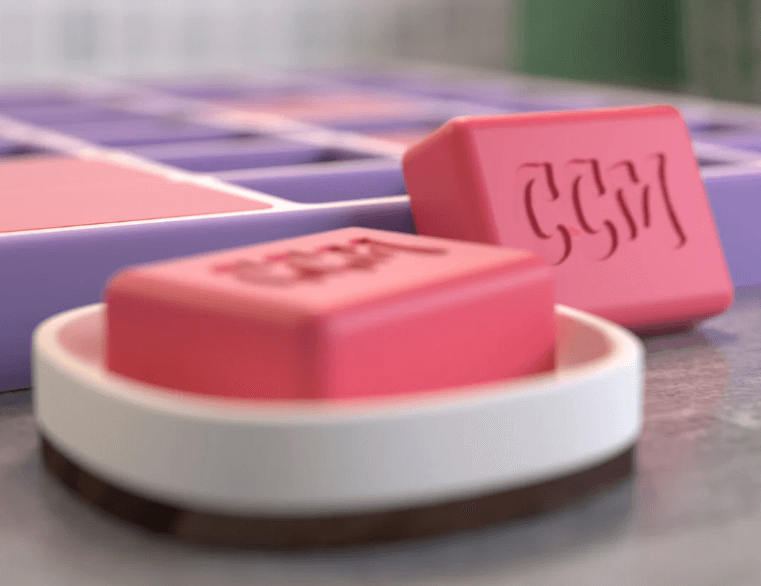
Use trusted molds to ensure consistent limited edition products.
When launching a limited edition product, production should combine creativity with precision. While small businesses might rely on manual crafting for unique pieces, larger companies depend on industry trusted custom molds to maintain consistency and efficiency at scale. These molds help brands recreate intricate designs, logos, or seasonal details while ensuring each batch meets the same quality standards.
By using reliable molds, businesses can ensure that each piece matches the intended design, making the limited edition feel exclusive and high-quality. This also allows brands to plan pre-launch campaigns, share behind-the-scenes production content, and build anticipation without revealing the full product before the drop.
Set a clear time limit or quantity cap to create urgency.
A limited window or small batch release helps customers see that an offer will not last forever. This sense of scarcity pushes them to decide sooner rather than later. People often act faster when they believe an item could sell out or disappear soon.
A clear deadline, such as a specific end date or countdown timer, gives structure to the offer. It signals that the opportunity is real and time-sensitive. As a result, customers feel more confident about taking quick action.
Setting a quantity cap also works well. For example, releasing only a few hundred units adds exclusivity and keeps demand high. This approach helps businesses manage inventory while creating excitement around each drop.
Both methods encourage faster decisions and stronger engagement. They turn limited editions into events that attract attention and drive immediate sales.
Leverage influencer partnerships to expand reach.
Influencers help brands connect with audiences that already trust their opinions. By selecting individuals whose values align with the product, a business can introduce limited edition drops to more interested and engaged followers. This approach builds credibility faster than traditional ads.
A clear agreement about goals and content keeps both sides aligned. The influencer should understand the product story and share it in an authentic way that fits their usual style. As a result, the message feels natural and gains stronger attention.
Businesses can track engagement, reach, and conversions to measure success. Data from these campaigns helps refine future product drops and identify which influencers deliver the best results. Therefore, each partnership supports both brand growth and audience trust.
Use exclusive packaging or design to raise perceived value.
Limited edition drops often stand out through special packaging or unique design details. A distinct look can signal rarity and quality, which helps customers see the product as more desirable. Even small changes, such as a different color palette or texture, can create a strong impression.
Exclusive materials or finishes can also make a difference. For example, matte coatings, embossed logos, or numbered labels can suggest craftsmanship and care. These touches give buyers a sense that the product holds more worth than a standard version.
Design that reflects the story behind the drop can further strengthen appeal. Consistent visuals across labels, boxes, and inserts help communicate purpose and authenticity. As a result, customers feel they are purchasing something special rather than an ordinary item.
Incorporate customer feedback for product refinement.
Successful limited edition drops depend on how well a business understands its customers. Feedback helps identify what buyers value most, such as product features, design choices, or price points. This insight allows teams to adjust details before the next release.
Direct feedback from surveys, reviews, or social media helps spot patterns in customer preferences. For example, frequent comments about packaging or sizing can guide small but meaningful changes that improve satisfaction.
Businesses can also use early feedback from test groups to validate ideas before launch. This step reduces risk and helps confirm that the product meets real customer needs.
After each drop, teams should analyze reactions and sales data together. This process creates a loop of learning and refinement that keeps future launches aligned with customer expectations.
Conclusion
Limited edition drops can be more than just a sales tactic—they can be a meaningful part of your brand story. Whether you’re crafting by hand or working with a trusted supplier, offering something rare and thoughtful shows your customers that you care about the details.
The key is to keep things simple and intentional. Use what you’ve learned from your community, plan your timing carefully, and give your audience something they’ll want to talk about and share. When your drop feels authentic to your brand, your customers notice—and that’s what builds connection and loyalty over time.
0
Leave a Reply