Health emergencies can happen without warning. From sudden illnesses to accidents, these situations can be stressful, confusing, and overwhelming—especially when they involve multiple family members. Being prepared ahead of time can make all the difference, helping your family respond calmly, get the care they need quickly, and reduce financial or logistical stress. Preparing for health emergencies isn’t just about first aid—it’s about planning, communication, and knowing your resources.
Assess Your Family’s Health Risks
The first step in preparing for emergencies is understanding the specific health risks in your family. Each family member has unique needs, whether it’s chronic conditions, allergies, or age-related concerns. Children may need guidance on common illnesses or minor injuries, while adults may have chronic conditions that require ongoing care. Seniors might have mobility challenges or be on medications that require close monitoring. By identifying these risks early, families can create a plan tailored to each member’s needs and ensure that nothing is overlooked during a crisis.
Organize Important Medical Information
In an emergency, time is critical. Having medical information organized and easily accessible can save precious minutes—and even lives. Create a centralized system that includes doctor contacts, hospital information, a complete list of medications, allergies, and vaccination records.

Consider both digital backups and a physical binder that can be quickly grabbed in a rush. Knowing exactly where to find this information can make hospital visits smoother and ensure that all family members receive the correct care.
Establish an Emergency Communication Plan
Communication is key during health emergencies. Develop a clear plan that outlines how family members will alert one another and who will be responsible for contacting doctors, caregivers, or emergency services. Include multiple ways to reach each person, such as phone numbers, email, and messaging apps, and make sure that everyone understands the procedure. If children are home alone or seniors live independently, designate a responsible adult to coordinate care in their absence.
A well-structured communication plan reduces confusion and ensures everyone knows their role in a crisis.
Know Your Insurance Coverage
Health insurance is a critical part of preparing for emergencies. Understanding what is covered, how to access care, and the costs involved can prevent added financial stress. For families with senior members, knowing the ins and outs of Medicare insurance is particularly important.
Medicare can cover hospital stays, doctor visits, and certain medications, helping families make informed decisions quickly during emergencies. Regularly reviewing insurance policies and keeping copies of coverage information accessible ensures that your family can focus on care rather than costs when the unexpected happens.
Prepare a Home Emergency Health Kit
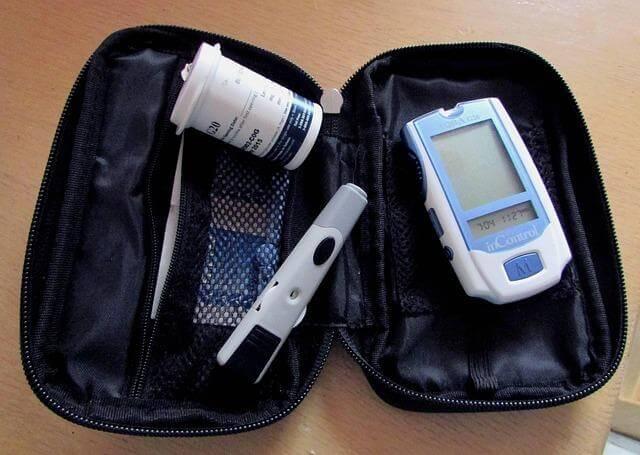
Having the right supplies on hand is essential. A well-stocked health kit should include:
- First-aid supplies (bandages, antiseptic wipes, gauze, and adhesive tape)
- Prescription medications for family members
- Over-the-counter medicines such as pain relievers and fever reducers
- Thermometer and basic medical tools
- Special items for children, seniors, or those with chronic health conditions
Keep your kit in an easily accessible location, regularly check expiration dates, and restock supplies as needed. This ensures that your family can respond immediately to minor injuries or stabilize a situation while waiting for professional care.
Educate Family Members on Emergency Procedures
Everyone in the family should know basic emergency procedures. Teaching first aid and CPR can be lifesaving, and children should understand when to call for help. Conduct practice drills periodically so that everyone knows how to respond quickly and confidently. Reinforce that calling 911 or seeking professional help is always appropriate when a situation seems serious. A prepared family is a safer family, and these skills give everyone the confidence to act effectively in a crisis.
Plan for Medical Emergencies Away from Home
Emergencies don’t only happen at home. Whether traveling for vacation, visiting relatives, or commuting, it’s important to plan for health issues on the go. Carry a copy of medical records, insurance information, and a small emergency health kit. For seniors, consider researching nearby hospitals or clinics in advance. Having this information at hand ensures that your family can access care quickly and efficiently, even when far from home.

Conclusion
Health emergencies are unpredictable, but planning ahead makes a significant difference. By assessing risks, organizing medical information, establishing a communication plan, understanding insurance coverage, preparing a home health kit, and educating the family on emergency procedures, you create a safety net that reduces stress and protects your loved ones.
Proactive planning doesn’t just protect your family physically and financially—it also provides peace of mind. When everyone knows what to do, and resources are in place, your family can handle emergencies calmly and efficiently. Taking these steps today ensures your family is ready for whatever life throws your way tomorrow.
0
Leave a Reply