Emergencies rarely give advance notice. Whether it’s a wildfire evacuation, medical crisis, power outage, or an unexpected call from school, having critical information in one place can save time and reduce panic.
That’s where a home emergency binder comes in. In 2025, more households are turning to organized, easy-to-grab binders as part of their preparedness plans and for good reason.
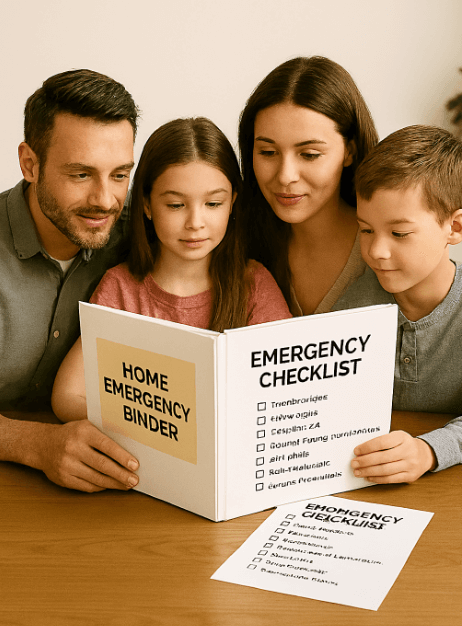
A well-built binder acts as a central hub for information your family might need when stress levels are high and decisions need to be made quickly. Below are 10 things every home emergency binder needs, with practical tips to keep it both functional and family-friendly.
1. Emergency Contacts and Legal Support Numbers
This section should come immediately after your introduction page, so it’s the first thing anyone sees when opening the binder.
Include:
- Immediate family contact details
- Out-of-area emergency contact
- Local police and non-emergency numbers
- Family attorney or legal aid
- Trusted neighbors or nearby relatives
For California households, it can also be helpful to include legal support resources for unexpected situations.
For instance, families may want a simple reference that explains the local bail process and points to Riverside County Bail Bonds in the event of an emergency arrest. Having this information prepared ahead of time can ease decision-making and reduce stress when time and clarity matter most.
Source: Copilot
2. Insurance Policies and Claim Information
Insurance paperwork is often scattered across emails, apps, and filing cabinets. In an emergency, you want quick access.
Your binder should include:
- Homeowners or renters insurance
- Auto insurance
- Health insurance cards and policy numbers
- Photos or PDFs of policy declarations
Tip: Add a one-page summary listing policy numbers and claim phone lines so you don’t have to flip through full documents.
3. Medical Information for Each Household Member
This is especially important for families with children, seniors, or anyone managing a chronic condition.
Include:
- Current medications and dosages
- Allergies
- Medical conditions
- Primary care physician and pharmacy
- Copies of insurance cards
Store this section in clear sheet protectors so it can be updated easily as medications change.
4. School and Childcare Pickup Authorizations
During evacuations or unexpected closures, schools and childcare centers will only release children to approved adults.
This section should contain:
- Copies of pickup authorization forms
- School and daycare contact information
- Class schedules and teacher names
If a trusted friend or relative is authorized for pickups, list their contact details clearly.
5. Pet Care Instructions and Records
Pets are often overlooked in emergency planning, but responders or helpers may need clear guidance.
Helpful items include:
- Feeding schedules and food brand
- Medication instructions
- Vaccination records
- Vet contact information
- Microchip or license numbers
A short “Pet Care Quick Notes” page can make a big difference if someone else is caring for your animals temporarily.
6. Utility Shutoff Instructions
Knowing how to shut off utilities can prevent further damage during fires, earthquakes, or flooding.
Add:
- Photos or diagrams showing gas, water, and electrical shutoffs
- Step-by-step instructions
- Emergency utility contact numbers
This section is particularly valuable for babysitters, house sitters, or relatives unfamiliar with your home.
7. Evacuation Routes and Meeting Points
In fast-moving emergencies, clarity matters.
Include:
- Primary and secondary evacuation routes
- Pre-determined family meeting locations
- Local shelter information
Consider adding printed maps in case mobile data is unavailable.
8. Copies of Identification and Important Documents
You don’t need originals, but copies can be essential for recovery and verification.
Recommended copies:
- Driver’s licenses or state IDs
- Passports
- Birth certificates
- Marriage or custody documents
Keep these in a sealed plastic sleeve to protect against moisture.
9. Household Inventory and Photos
A basic home inventory can help speed up insurance claims after loss or damage.
Include:
- Photos of major rooms
- Serial numbers for electronics
- High-value items with receipts (if available)
This doesn’t need to be exhaustive – clear documentation is more important than perfection.
10. Quick-Reference Emergency Checklist
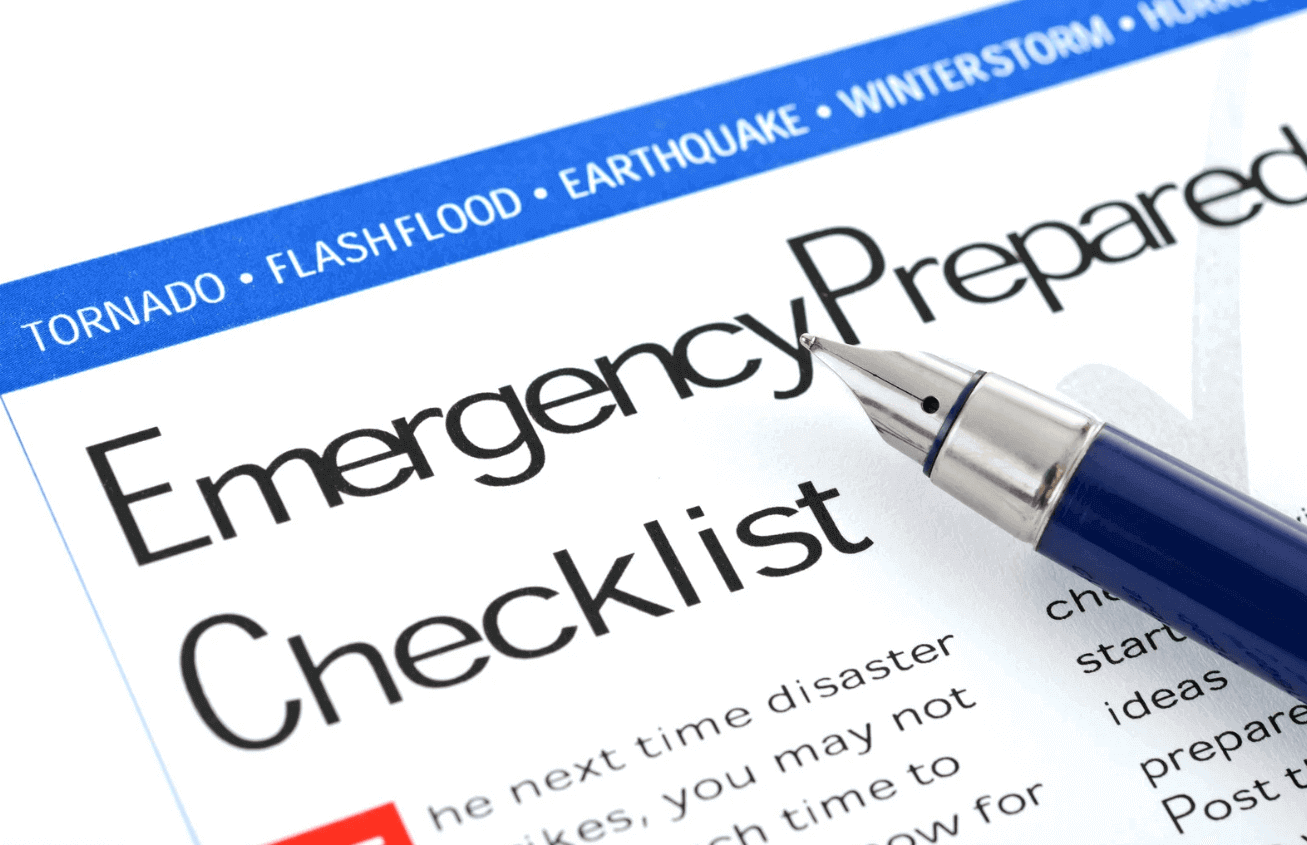
End your binder with a simple, calming checklist that outlines what to grab or do in the first 5–10 minutes of an emergency.
Examples:
- Grab binder, phones, chargers
- Secure pets
- Shut off utilities if safe
- Contact out-of-area family
Many families design this page with printable dividers or a DIY cover that matches a clean, cozy aesthetic, something in line with WhipperBerry’s style, so the binder feels approachable rather than intimidating.
Final Thought
A home emergency binder isn’t about preparing for worst-case scenarios. It’s about creating calm through organization. When information is easy to find, families can focus on safety, communication, and next steps instead of scrambling for paperwork.
Once assembled, review your binder every six to twelve months to keep details current. It’s a small investment of time that can make a meaningful difference when it matters most.
0
Leave a Reply