• Skip to primary navigation
  • Skip to main content
  • Skip to primary sidebar
  • Skip to footer

Whipperberry

WhipperBerry • Your Home For Creative Inspiration

  • Home
  • Recipes
    • Starters
    • Easy Weeknight Dinners
    • Main Dish
    • Salads
    • Side Dish
    • Soups & Stews
    • Desserts
    • Breakfast
    • Miscellaneous
  • Tutorials
    • Creative Crafts
    • DIY Decor
    • Fabric Crafts
    • Food How-To
    • Jewlery
    • Paint Projects
    • Paper Art
    • Party Styling
    • Photography and Graphic Design
    • Silhouette
  • Holidays
    • Easter
    • Mother’s Day
    • Father’s Day
    • 4th of July
    • Halloween
    • Thanksgiving
    • Christmas
    • Valentine’s Day
  • Gift Ideas
    • Gifts For Everyone
    • Gifts for Dad
    • Mother’s day
    • For The Girls
    • For The Kids
    • Teacher Gift Ideas
    • Christmas
  • Printables
    • Holiday
    • Gift Idea
    • LDS Primary
  • Travel
  • About
    • Terms
  • Contact
  • Nav Social Menu

    • Facebook
    • Instagram
    • Pinterest
    • RSS
    • Twitter

Crafts

Holiday Clothes: American Traditions Woven in Children’s Fashion

0 · Oct 16, 2025 · Leave a Comment

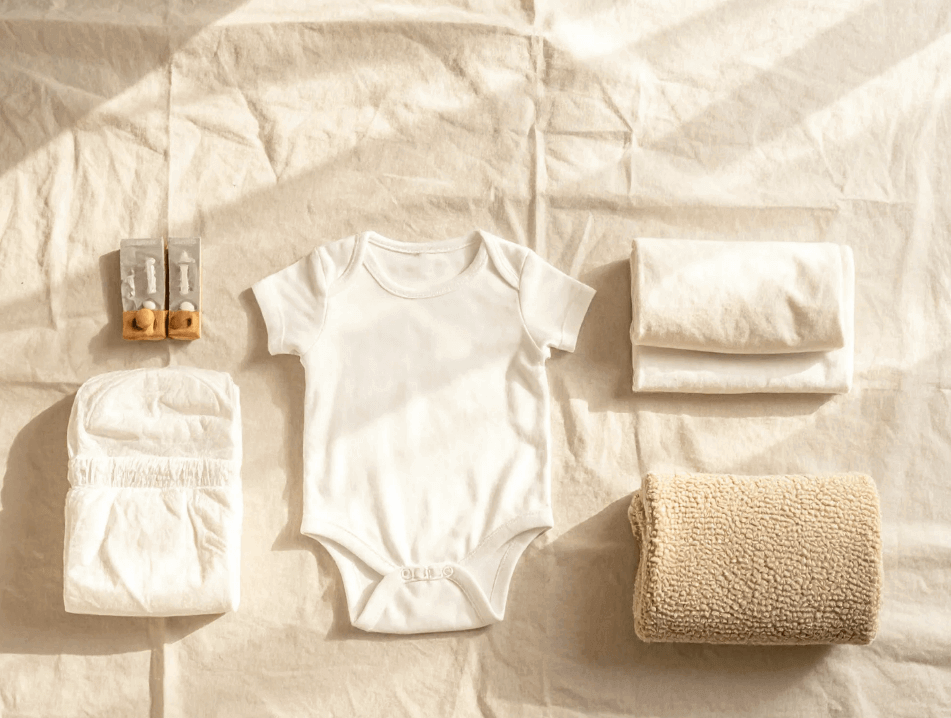
In the United States, every occasion has its own beat–and its own style. Children’s fashion will shift with the seasons due to the Thanksgiving dinners, and the Christmas Eve with the red, and the 4th of July with the blue, of the red, white and blue. It is during these moments that the clothes, colors, and textures come alive and develop the vibrant picture of happiness, home, and child innocence.

Dressing up for the holidays is not merely about appearing presentable in the family album to the children but about being involved in the event. Their garments are little jingles of the cultural pulse of the country, practical and a bit of storybook fantasy.

children's fashion

The Language of the American Calendar

The U.S. is a country where many holidays are celebrated so diversely, and the fall is the start of the festive season, and Thanksgiving is the precursor of it with the textures and warm colors reminding of falling leaves, ochre, amber, and deep brown. Dresses are worn in layers, corduroy pants or knit dresses and wool cardigans go well with either.

Then comes December in a torrent of color and nostalgia. Holiday parties assume a movie-star flair: plush velvet gowns, cable knit sweaters, and plaid skirts that recall old postcards. So much there is a silent eloquence in seeing children in costume befitting the season–be it they are sipping a cup of cocoa by the fire-side, or they are watching the snow-snow fall on the window.

The spring, on the contrary, is fresh. Easter holiday clothes are bright: pastel flowers in the form of embroidery, linen shirts, light jackets. It is a time, when nature and wardrobe seem to bloom and young wearers are willing to relish the delight of lighter clothes and brighter colors.

Towards summer, celebrations are taken outside. The Fourth of July provides a burlesque shot of patriotism to the closets of children. Denim shorts, loose cotton dresses, and striped tees are indicative of freedom of movement and spirit.

A Touch of Fairytale Elegance

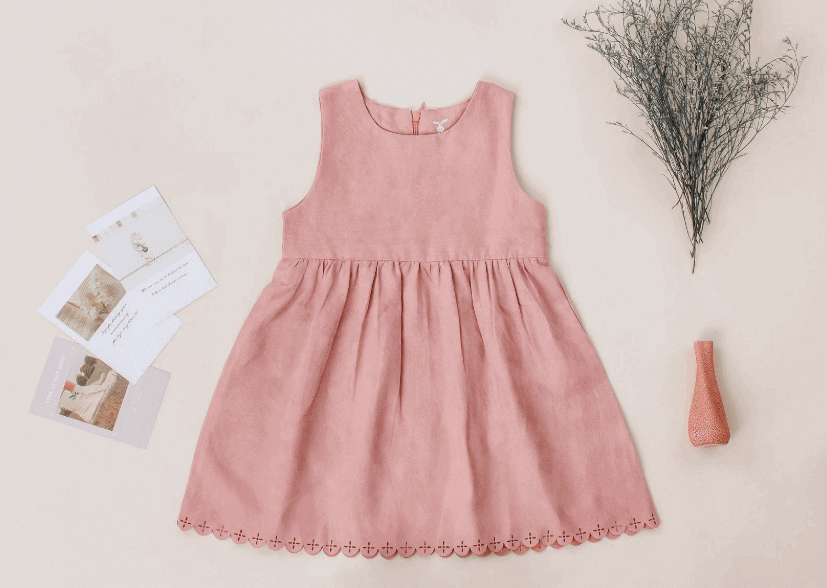
Among the numerous fashions that are present in such celebrations, there is one that never goes out of fashion: the princesses dress. It is not much about fantasy kingdoms but rather the sense of change. The silhouette, which can be characterized by tender tulle, satin ribbons or delicate lace, makes regular days special memories.

This type of dress is commonly worn in American parties such as Christmas pageants, birthday parties or spring recitals. Designers have taken the conventional ball-gown concept and changed it into more fashionable versions, which are lightweight, comfortable and easy to play. The idea is to make a child feel free and at the same time, extraordinary.

It is that type of clothing that does not depend on occasion. Fashion on children must always retain some element of fantasy, and whether you have them with glittering shoes or barefoot on the grass, it will remind everybody of that.

Textures That Tell a Story

The craft of child holiday clothes is in their texture the interaction of the fabric with light and movement. Plush fabrics such as fleece and velvet are worn in colder seasons and cotton and linen are used in warmer seasons. These changes are more functional than they are emotional.

Both parents and designers are aware that children feel clothes. A breathable weave, a soft lining or a weightless skirt is not a detail but comfort made into design. This sensitivity characterizes the finest of American festive fashion: gorgeous garments that do not ignore the natural casualness of childhood.

holiday children's fashion

Sustainability in Small Sizes

There is no single festive dressing aesthetic in the United States, in part because of the wide variety of cultures that exist. Families draw on their heritage to dress their children. Silk shimmers beside lamps during Diwali; reds and golds, adorned with auspicious imagery, for Lunar New Year; and embroidery and drapery for Eid, where tradition informs contemporary relevance.

Mainstream design is getting more diverse, and even American children’s clothing from casual to formal, especially around the holidays, has become a silent celebration of multicultural beauty. In the end, style is one of the greatest forms of inclusion.

Diversity in Celebration and Style

I believe that the little things often add the most personality; a velvet bow, a sailor hat, a pair of embroidered suspenders, a tiny clip adorned with a string of pearls. Children can express themselves through accessories even when within family themes or color palettes.

The trend right now for children is for very subtle touches – whether the metallic threads are faded, the embroidered stars are tiny, or the frills just catch the light in the right way. It’s all very glossy without trying too hard, just a veneer of effortless style.

Accessories: Where Character Lives

Small details often hold the most personality. Velvet bow, a sailor hat, a couple of embroidered suspenders or a fancy pearl clip can make a plain outfit in something to remember. The accessories enable the children to be unique even when it comes to family themes or color palettes.

The fashion trend currently being followed in children’s fashion is inclined towards subtle accents. In place of the heavy glitter, we behold dull metallic fibers, miniature embroidered stars or delicate frills, which shine through the light just a bit to make a person feel special. The effect is refined and never coerced–an indication of uncoercive fashion.

Fashion That Grows with the Moment

Their links to memory are what give these seasonal outfits real significance. Year after year, a Thanksgiving jumper worn, a scarlet dress from a school play, or a pastel ensemble from a spring picnic become family history. Laughter, festivities, and development may be seen in these clothes.

For parents, dressing their children for American holidays is about participation not about presentation. Translating family, society, and joy moments into color and texture, clothing becomes the language of experience.

The holiday outfit of the nation is thereby about narrative, not only style. Every stitch, every pattern, every dress worn beneath fairy lights or fireworks narrates a chapter of growing up in a society that honors via fashion.

The Future of Travel: Why Crowd-Free Adventures Are on the Rise

0 · Oct 16, 2025 · Leave a Comment

You know that feeling when the whole family piles into the car, bags packed, cameras charged, and excitement high? Whether it’s a beach escape, a weekend in the mountains, or a far‑away trip, half the peace of mind comes from knowing your home is just as cared for while you’re away.

Imagine: while you’re chasing sunsets or making museum memories, your home quietly stands guard—locking doors, watching windows, sending alerts, staying ready. You don’t have to wonder: you know. Because smart design and thoughtful security let your home travel with you, even when you’re far away.

This isn’t a tale of gadgets for gadgets’ sake. It’s about helping your family go, explore, and rest easy—confident that your home is part of the plan, not an afterthought.

Not to Hide, but to Breathe

Vacations are no longer just breaks from work — they’re ways to return to ourselves. Many don’t want to spend their time off chasing schedules and crowds. They want to turn off notifications, step away from algorithms, and feel that their rhythm belongs to them again.

That’s nearly impossible in a 200-room hotel or on a guided bus tour that departs at 9:00 sharp. So the question appears more often: “Can I do it without people?”

One answer is something that used to seem niche: experiences like a private yacht charter in Turkey. It’s not just about luxury; it’s about freedom. You choose where to sail, when to stop, and who shares the deck with you. The whole world stays behind — both literally and metaphorically.

crowd-free travel

photo: magnificentworld.com

Why Travelers Are Choosing “Quieter, Farther, Freer”

This isn’t a whim; it’s a need. Our idea of comfort has evolved in recent years:

  • Control over space. Travelers want to know who’s around them — to choose neighbors instead of tolerate them.
  • Flexible routes. Instead of spending five days in one hotel, people prefer open plans: stay longer if it feels right, move on if it doesn’t.
  • The value of silence. Loud vacations feel exhausting. “Recharge” is now taken literally.
  • Emotional ecology. Fewer stimuli, fewer contacts, less stress.

Crowd-free travel isn’t necessarily expensive, but it’s almost always smart. It’s a choice in favor of balance, awareness, and a sustainable pace.

crowd-free travel

What’s Replacing the Classics

The travel landscape is shifting. New formats are redefining what it means to rest: luxury-style campgrounds, retreats instead of tours, camper vans and yachts instead of hotels.

Rising trends include:

  • Private tours with personal guides.
  • Remote cabins by lakes or in the mountains.
  • Boat rentals, with or without crew.
  • Off-season trips — May instead of August, September instead of July.

All these choices have one thing in common: mindfulness. Travel is no longer about seeing everything. It’s about choosing what truly matters to you.

Not a Trend, but a Transition

Your home is more than the place you leave behind—it’s part of your family’s story, even when you’re away. Smart locks, cameras, motion sensors, and strong structural features don’t just protect bricks and walls; they guard memories, routines, and your peace of mind.

Picture returning from a family trip: your door unlocks just as you arrive, your lights greet you, and the home you left is safe, unchanged, and ready for you. No surprises, no worries. Maybe you captured unexpected adventures abroad, but you don’t have to capture home insecurity.

Trips should expand your world, not your stress. A home that’s secure, intuitive, and responsive gives you the freedom to roam yet always feel safe returning. Want help weaving this kind of protection into your travel-ready home? Let’s build something that supports your journeys—near and far.

5 Steps to Plan a Family Stay in Greece

0 · Oct 16, 2025 · Leave a Comment

A prolonged family residence in Greece delivers something uncommon: the opportunity to inhabit rather than merely tour. Exchanging hotel accommodations for a house lease, vacation itineraries for community patterns, and frantic monument visits for unhurried seaside days alters the entire experience. These five measures convert the challenge of arranging an extended visit into an achievable procedure that prepares your family for weeks of genuine Greek existence, where the most difficult choice involves selecting between early dips and midday rests.

Establish Your Budget and Timeline

Begin by establishing how long you can feasibly remain and what you can manage to invest. Prolonged visits in Greece become considerably more cost-effective when you surpass the two-week threshold.

Numerous villa and apartment proprietors provide substantial reductions for monthly reservations, occasionally decreasing nightly costs by thirty to forty percent. Include off-season travel expenses. These reduce airfare expenditures by half compared to peak summer charges.

Develop a thorough budget that encompasses lodging, meals, activities, transport, and an emergency reserve. Greece benefits families who remain longer with superior offers and richer experiences. If your timeline permits adaptability, consider prolonging your visit by a week or two to optimize your time.

5 Steps to Plan a Family Stay in Greece

Photo by Johnny Africa on Unsplash

Compare Accommodation Options and Understand Legal Requirements

Explore websites focused on extended-term lodging, where property managers specifically target families remaining for weeks or months. When assessing accommodations, confirm they satisfy current safety requirements, including adequate air circulation, cooling systems, and emergency provisions.

For families contemplating repeated Greek summers or trying to buy property in Greece, a prolonged rental functions as an ideal test period. Residing in a location for multiple weeks exposes the authentic nature of a district and assists in deciding whether a spot matches your long-term requirements.

Understanding Greek leasing agreements safeguards your concerns. Brief vacation rentals operate under separate rules than conventional tenancies, which involve minimum three-year commitments. Ensure your leasing document explicitly specifies the timeframe, termination terms, and covered services. Travel coverage for prolonged journeys offers reassurance regarding health crises and travel disruptions.

Secure Necessary Documents and Insurance

Administrative readiness avoids difficulties throughout your visit. Most citizens obtain ninety-day visitor permits when entering Greece. This is adequate for lengthy summer periods. Confirm that your passport remains valid for no less than six months past your exit date.

Families organizing visits beyond three months must investigate permit renewals or suitable extended-term authorization alternatives. Secure thorough travel protection encompassing health crises, medical transport, and journey cancellation.

Typical plans frequently restrict coverage to excursions of thirty days or fewer, necessitating specialist prolonged-stay protection. Verify your plan includes every family member for the complete timeframe. European Health Insurance Cards grant EU residents entry to Greek state medical services, although private coverage delivers more complete protection.

Carry duplicate prescriptions for routine medicines, converted to Greek when feasible. Identify local pharmacies and healthcare centers prior to arriving, especially when lodging in isolated locations.

Plan Around Seasonality and Weather Patterns

Greece’s weather fluctuates considerably throughout the year. This influences everything from visitor density to swimming circumstances. July and August deliver maximum temperatures, crowded beaches, and elevated prices.

May, June, September, and early October provide warm conditions with controllable crowds and noticeably reduced lodging expenses. Families with school-age children can capitalize on intermediate seasons by synchronizing extended visits with school holidays or investigating distance learning options.

Spring commences early in southern Crete and Rhodes, rendering April practical for beach pursuits. Autumn continues well into November in many areas, with ocean temperatures staying pleasant through October. Weather factors extend beyond temperature. The meltemi winds surge powerfully through the Cyclades during summer, generating turbulent seas that may restrict boat excursions and water pursuits.

stay in greece

Identify Kid-Friendly Amenities and Plan Self-Catering

Effective family visits combine planning with flexibility. Locate play spaces, supervised beaches, and kid-suitable destinations close to your lodging. Numerous Greek communities provide complimentary outdoor recreation zones and coastal walkways ideal for sunset walks with pushchairs.

Bigger islands feature aquatic parks, marine centers, and scheduled maritime excursions that amuse children while offering parents periodic respite. Home cooking becomes crucial during lengthy visits. This is for both for financial control and nutritional requirements. Find your closest grocery store, fresh food market, and bread shop when you arrive.

Greek marketplaces present outstanding fresh produce, greens, and fish at costs significantly lower than restaurant dining. Preparing most morning and midday meals at your residence while eating out for evening meals harmonizes economy with cultural interaction.

Purchase breakfast essentials, treats, and outdoor meal provisions. Master several basic Greek expressions for purchasing and you’ll discover neighborhood merchants willing to assist. Most regions contain at minimum one traditional restaurant serving outstanding local cuisine that kids appreciate, from barbecued proteins to uncomplicated noodle preparations.

Endnote

An extended family stay in Greece offers rewards that typical vacations cannot match. Taking time to plan thoroughly ensures smooth logistics, leaving you free to soak up the Mediterranean sun, explore ancient ruins at your own pace, and create lasting memories with your loved ones.

Upgrade Your Lifestyle With A Secure Home Setup

0 · Oct 16, 2025 · Leave a Comment

Walking through your front door should feel like a hug—safe, comforting, and absolutely your own. After hours chasing deadlines, school runs, and everyday chaos, the last thing you should worry about is whether your home is secure. What if your home could quietly watch over your family, simplify your daily routines, and give you peace of mind—all without adding more worry?

That’s where a thoughtfully designed, smart home setup comes in. It isn’t about gadgets for their own sake. It’s about giving your kids the freedom to come and go with ease, letting guests feel welcome while you stay in control, and turning your home into a sanctuary that adapts to your life.

When Traditional Locks Aren’t Enough

One common challenge homeowners face is managing access control, especially if you often lose keys, have multiple family members, or welcome guests and service providers regularly. Traditional locks can be easily misplaced or copied, creating security gaps that are hard to track.

That’s where a smart lock becomes a game-changer. With keyless entry, temporary access codes, and mobile notifications, you can see exactly who enters your home and when. Some smart locks even integrate with video doorbells and security cameras, letting you visually verify visitors before unlocking the door. It’s a small upgrade with a huge impact, blending convenience and high security seamlessly.

Secure Home Setup

Building Layers of Protection

Effective home protection isn’t about one gadget; it’s about layers. For instance, a comprehensive alarm system can alert you and emergency services during a break-in or fire. Pairing it with motion detector lights deters intruders before they even reach your door.

Meanwhile, window sensors, carbon monoxide detectors, and security cameras serve as silent sentinels that watch over your home 24/7. You can take a DIY approach to setting these up, but if you lack construction experience, it’s often best to work with professionals to avoid overlooking crucial security gaps.

When combined, these electronic security systems create a powerful web of safety. It adapts to changing risks like power grid threats. Reliable electrical power and a solid home network (or a mesh network for stronger coverage) ensure your devices stay connected when you need them most.

Addressing Real-World Risks

While the latest gadgets are impressive, good security also means preparing for real-world risks like package theft, fires, and even natural disasters. Installing video doorbells can help you keep an eye on deliveries, while security cameras store footage in the cloud for easy review.

For households with valuable items or firearms, a concealed safe room or high security vault can provide another layer of defense. Similarly, guard dogs and strategic security lighting can deter unwanted visitors before problems start. And don’t forget digital security. Enable two-factor authentication on all your connected devices to prevent hackers from accessing your systems through your internet connection.

enhance home security

Practical Home Features That Enhance Security

It’s not just gadgets that keep your property safe. Home features that enhance security often start with thoughtful design and sturdy materials. Installing reinforced doors, security film for glass windows, and window sensors adds both physical and digital protection.

In more advanced setups, concealed safe rooms and shelter construction can provide refuge during emergencies, especially in areas prone to severe weather or unrest. Such structures often come with fire safety protocols, water storage, and backup generators to ensure self-sufficient homes remain functional even during extended crises.

Integrating Technology for Smarter Living

Beyond safety, modern homes are leaning toward a smart home for convenience and efficiency. You can program garage door openers to close automatically, adjust thermostats remotely, or even activate security lighting as you approach your driveway.

Home automation doesn’t just protect, it anticipates. For example, smart speaker systems can remind you to lock doors, arm your security system, or perform a threat analysis based on patterns of movement detected by your devices. These technologies make your environment not only safer but also more responsive.

A smart home technology ties all these features together, allowing you to monitor, automate, and optimize them. From your smartphone, you can adjust settings, check live feeds, and receive real-time alerts. That unified control brings both convenience and confidence, giving you a clear view of your home’s overall safety.

Going Beyond Basics: Designing for the Future

A secure home is a living system. It adapts and evolves. Future-ready homes use home automation to improve sustainability and comfort while maintaining strong security measures.

If you’re building or upgrading your property, consider working with professionals experienced in security design. They can incorporate electronic security systems and sensors in ways that complement your layout and lifestyle. For example, if you have a swimming pool, you can install motion sensors that trigger alerts when there’s unexpected movement near the water.

Bringing It All Together

A truly secure home does more than protect—it supports how your family lives, loves, and grows. When all the pieces work together—smart locks, motion sensors, connected cameras, and well‑planned structural touches—you get more than safety. You get freedom.

Picture this: your kids head out to school knowing doors will lock behind them. You slip into the house hands full of groceries, and lights and locks respond without needing another key. You rest confident that footprints or break‑in attempts are detected and alerts are sent, even if you’re out of town.

These are not futuristic dreams. They are practical, real upgrades that put your home’s security in harmony with your family’s rhythm. Want help weaving in these systems into your home without losing its warmth and character? I’m ready when you are.

How To Do the Food Scene Right—Wherever You Are

0 · Oct 15, 2025 · Leave a Comment

Have you ever arrived in a new town, scanned a handful of restaurants, and wondered which ones are truly good—and which ones just look good online? We’ve all been there. Sevierville makes that decision even trickier, but not because it’s confusing. Here, the food actually lives up to the stories.

This isn’t a guide to chasing trends or finding the “#1 spot” on social media. It’s about discovering food that feels real—the kind made with care, eaten without a camera, and remembered because it warmed more than your stomach.

In this post, we’ll share how to explore Sevierville’s food scene (and any town’s, really) the right way: by slowing down, trusting your senses, and letting the food do the talking.

Let the Food Be the Focus, Not the Backdrop

Meals used to be the center of the day. Now they’ve become a backdrop for conversation, or worse, content. Doing the food scene right means letting the meal be the event. Don’t talk over it. Don’t photograph it endlessly. Just eat. When food is cooked with care, and rooted in local rhythm, it deserves full attention. You don’t have to dress it up. You just have to show up and treat it with the same honesty it was made with.

There’s a growing fatigue around overdone presentation and overpromised flavor. People want substance again. They want food that reminds them what real tastes like. And that means going into every new town—whether it’s one with three restaurants or three hundred—with the same mindset. Look past the presentation. Watch the rhythm. Follow the locals. Trust the simplicity. The rest will take care of itself.

When you hit the road, especially in places like Sevierville where food still means something beyond trend cycles, that mindset becomes even more important. You’re not looking for flash. You’re looking for what people rely on. The difference isn’t subtle. It’s felt with every bite.

food scene

Start With the Locals, Not the Algorithm

Food culture used to move through conversation—people recommended their favorite spots over coffee or while waiting in line at the post office. Now, it moves through filters and sponsored posts. That doesn’t mean the digital map is useless, but it’s rarely the full story. The best food is still grounded in consistency, community, and habit. If a place draws people in daily, feeds them well, and sees them return without fanfare, it’s doing something right.

In Sevierville, you notice that quickly. The pace isn’t rushed, but the food doesn’t hang around long. BBQ in Sevierville holds its own because it’s built on repetition that works. Take Buddy’s bar-b-q for example. It’s not trying to shock anyone into noticing it. It’s been doing the same thing since 1972: hickory-smoked meats, made fresh on-site every day. No tricks. No shortcuts.

The pork, chicken, ribs, and brisket get treated with the same care as the hawg-back potatoes and scratch-made sides. Everything’s fresh, never frozen, and the portions don’t leave you asking what happened to your money. The entire menu echoes something most travelers forget to look for—food that locals eat on weekdays, not just on Instagram weekends.

Knowing how to pick places like that, whether you’re in Sevierville or anywhere else, is more important now than it used to be. A fast-moving culture, saturated with content and short attention spans, has trained people to scan for visual cues instead of listening to human ones.

If you ever find yourself in Mississippi, follow the same rule—skip the filters and look for where the locals actually eat. From smoky BBQ joints to spots serving locally crafted beverages, these hidden gems often turn out to be some of the best restaurants in Mississippi. But flavor and tradition don’t show up in lighting. They show up in process and repetition and in that quiet satisfaction that builds when people do one thing very well, over and over again.

Read the Context, Not Just the Menu

Most travelers skim a menu to find out if the food fits their preferences. They should be looking at something else entirely: how the place functions in the neighborhood. Are there regulars? Do the staff act like they know who’s coming in?

Do you see locals waiting patiently for their turn, not because they don’t have options, but because this is the option? These are the things that tell you more about the food than any chalkboard special ever could.

One of the clearest signals that a place is worth your time is if it doesn’t try too hard. A menu that sticks to what it does best, a dining room that’s functional rather than flashy, a line that moves quickly without panic—these signs point to a place that isn’t just feeding people but feeding its people. If you’re the outsider, your job isn’t to search for novelty. It’s to respect the routine.

Trendy spots often rise fast and vanish even faster. Meanwhile, steady operations that have stood for decades keep going quietly in the background. They don’t need gimmicks or reinvention because they already know what works.

That kind of focus is rare, especially in a time when everything from tech to food seems to chase constant disruption. But in food, consistency is rebellion. It’s a refusal to compromise in a world that encourages shortcuts.

how to do the food scene right

Ignore the Noise and Trust the Repetition

Doing the food scene right means resisting the urge to chase whatever’s trending. Algorithms can’t taste. Ratings get gamed. What lasts, and what actually fills you up—in both the literal and the cultural sense—is often the thing that looks least impressive at first glance.

Repetition matters. When a kitchen does the same thing every day, and people keep showing up for it, that’s data worth listening to.

Think about how many places use variety to hide the fact that they haven’t mastered anything specific. A restaurant with a short menu is betting on its execution. A restaurant with a bloated one is often hedging.

And you don’t need to overthink it. The plate either hits or it doesn’t. If it hits, don’t go looking for a better version of it somewhere else. That mindset—always assuming there’s something better around the corner—is how people end up eating six meals and not enjoying any of them.

Know When to Stop Searching

Ultimately, food isn’t about finding “the best.” It’s about finding what feels right. When you sit down somewhere that smells like home—even if you’re miles away from it—and your plate tells a story that doesn’t need any extra words, that’s when you’ve found it.

In Sevierville, that might be a slow-smoked rib at Buddy’s bar-b-q or a plate of sides that taste like they’ve been made the same way for generations. In another town, it might be something completely different. The point is the same: food doesn’t need a filter to be meaningful. It just needs honesty, time, and a hungry heart willing to listen.

So next time you’re traveling, skip the checklist. Follow the locals. Trust your nose. And when you find that one place that just feels right, stay a while—you’ve found your story for the day.

  • « Go to Previous Page
  • Page 1
  • Interim pages omitted …
  • Page 125
  • Page 126
  • Page 127
  • Page 128
  • Page 129
  • Interim pages omitted …
  • Page 483
  • Go to Next Page »

Primary Sidebar

Heather from Whipperberry
Hello... my name is Heather and I'm the creator of WhipperBerry a creative lifestyle blog packed full of great recipes and creative ideas for your home and family. I find I am happiest when I'm living a creative life and I love to share what I've been up to along the way... Come explore, my hope is that you'll leave inspired!

Footer

  • Privacy Policy
  • Crafts
  • Food
  • Gifts
  • Holidays
  • Home
  • Mom Life
  • Recipes
  • Travel

Copyright © 2026 · Seasoned Pro