• Skip to primary navigation
  • Skip to main content
  • Skip to primary sidebar
  • Skip to footer

Whipperberry

WhipperBerry • Your Home For Creative Inspiration

  • Home
  • Recipes
    • Starters
    • Easy Weeknight Dinners
    • Main Dish
    • Salads
    • Side Dish
    • Soups & Stews
    • Desserts
    • Breakfast
    • Miscellaneous
  • Tutorials
    • Creative Crafts
    • DIY Decor
    • Fabric Crafts
    • Food How-To
    • Jewlery
    • Paint Projects
    • Paper Art
    • Party Styling
    • Photography and Graphic Design
    • Silhouette
  • Holidays
    • Easter
    • Mother’s Day
    • Father’s Day
    • 4th of July
    • Halloween
    • Thanksgiving
    • Christmas
    • Valentine’s Day
  • Gift Ideas
    • Gifts For Everyone
    • Gifts for Dad
    • Mother’s day
    • For The Girls
    • For The Kids
    • Teacher Gift Ideas
    • Christmas
  • Printables
    • Holiday
    • Gift Idea
    • LDS Primary
  • Travel
  • About
    • Terms
  • Contact
  • Nav Social Menu

    • Facebook
    • Instagram
    • Pinterest
    • RSS
    • Twitter

Food

Why Some People Consider a Facelift for a Fresh, Balanced Look

0 · Nov 15, 2025 · Leave a Comment

Many people start noticing small changes in their faces as they age. The skin feels a little looser. Lines become more visible. The face sometimes looks tired, even on days full of energy.

These changes are normal, yet they can still affect how someone feels. It becomes easier to spot them in photos, during work calls, or while getting ready for an event. This is why some people consider a facelift.

These shifts can quietly influence confidence and daily comfort. Many people in places like Raleigh want to look as fresh as they feel inside, without anything dramatic. Modern facial rejuvenation makes this possible.

Today’s facelift options focus on natural results, gentle techniques, and subtle improvements.

This article explores why some people consider a facelift, how facial changes affect confidence, and what modern methods can offer for a balanced, refreshed look.

How Facial Changes Affect Confidence

Aging shows up on the face in many small ways. The skin becomes less firm. Muscles loosen. Fat moves downward. These changes create sagging along the jawline, deeper lines near the mouth, and small shifts in the neck area. These signs are normal, but they can still influence how someone feels about their appearance.

Common facial changes include:

  • Softer jawline
  • Loss of cheek volume
  • Deeper smile lines
  • A more tired or uneven expression

Emotionally, these shifts can make people feel older than they are. They may look tired even when they feel active and positive. Some begin avoiding photos. Others use extra makeup to hide areas that bother them. A few feel disconnected from how they used to look.

These reactions matter because confidence shapes daily life. When someone feels good about their face, they move differently. That is why many are starting to consider a facelift to feel fresh and balanced again.
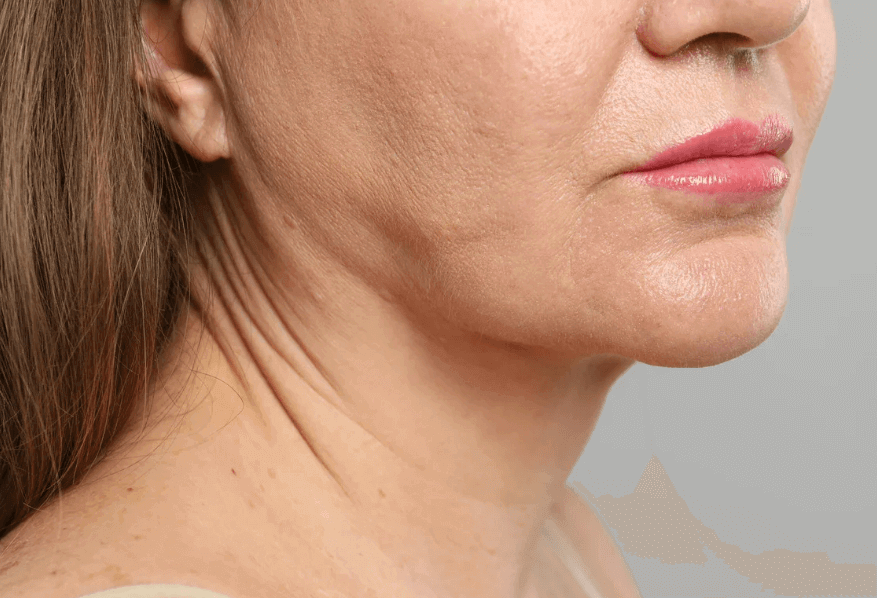
consider a facelift

Why People Consider a Facelift

There are various reasons why people choose this procedure. It includes everything from procedural benefits to life events. Some of them are explained here:

A. Multiple Techniques for Different Needs

Many people turn to expert guidance because every face ages differently. A tailored plan creates better, more natural results. People exploring a facelift in Raleigh often take guidance from experts at trusted centers such as Zenn Plastic Surgery, who help people choose the right approach for their needs. They help people decide from various techniques, which include:

  • Deep plane facelifts
  • Mini facelifts
  • Neck-focused lifts
  • SMAS-focused techniques

Each option targets specific concerns. Some focus on cheek structure. Others restore jawline definition. Some improve the neck while keeping the rest of the face subtle.

These methods offer clear benefits:

  • Natural, soft results
  • Balanced contours
  • Subtle rejuvenation
  • Long-lasting improvements

Today’s facelifts focus on freshness, not dramatic change. They help people look like themselves—only more rested and refined.

B. Desire for a Natural, Rested Appearance

Many people want to look refreshed without dramatic changes. They want their face to match their natural energy and feel comfortable in photos or daily conversations. Modern facial rejuvenation helps soften tired areas so the expression looks calm and well-rested. The goal is subtle improvement, not a new identity.

People often look for:

  • Softer lines
  • A smoother jaw area
  • A brighter, relaxed expression

It’s all about looking like yourself, only more awake.

C. When Non-Surgical Options Aren’t Enough

Early signs of aging respond well to simple treatments like fillers or skin-tightening tools. These help with texture and small lines. But deeper sagging or stronger jowls usually need something more supportive. At that stage, non-surgical methods cannot lift tissues the way surgical techniques can. A structured approach restores shape, not just surface smoothness.

In broader surgical consultations, some people also ask how different facial procedures can affect overall structure and balance across features (not just the lower face), and that’s where discussions around facial feminization surgery planning may be referenced as part of understanding how bone and soft-tissue changes can influence facial harmony.

You may notice non-surgical options falling short when:

  • Loose skin becomes more visible
  • The jawline loses definition
  • Results fade too quickly

This is when people consider a stronger, longer-lasting solution. For those situations where lower facial aging becomes more pronounced, a lower face lift may provide the necessary support. This technique specifically addresses the lower cheeks, jowls, and jawline to restore structure and definition in a way that non-surgical methods cannot.

D. Life Transitions That Inspire Change

People also consider facial rejuvenation during meaningful life moments.
Common transitions include:

  • Starting a new job
  • Celebrating a milestone birthday
  • Entering a new personal chapter
  • Changing lifestyle habits
  • Losing weight

These moments often bring a desire for renewal. Looking refreshed helps people feel aligned with the next stage of their life.

why consider a facelift

E. Long-Lasting Results Offer Better Value

One of the biggest reasons people consider a facelift is the lasting outcome. Short-term treatments fade within months and need frequent touch-ups. A surgical approach provides results that last for years, making it a better long-term investment for many people. It supports confidence, routine, and lifestyle goals without constant appointments.

Long-lasting benefits include:

  • More stable facial contours
  • Fewer maintenance sessions
  • Better cost value over time

This long-term consistency helps people feel refreshed with less ongoing effort.

Conclusion

Facial aging affects confidence in quiet but meaningful ways. That is why many people consider a facelift—to regain a balanced, refreshed appearance that feels true to who they are. Modern techniques are natural-looking, customizable, and long-lasting. They help people look rested and confident again. For anyone considering subtle, supportive rejuvenation, professional guidance can bring clarity and comfort. A fresh, balanced look is possible, and it begins with understanding the options and choosing what feels right.


Finding Financial Balance in a Creative Life

0 · Nov 15, 2025 · Leave a Comment

There’s something magical about living a creative life. Whether your joy comes from painting, crafting, writing, or designing, creativity brings meaning and color to everyday routines. But along with that magic often comes uncertainty, the kind that makes you wonder how to balance passion with practicality.

Many creatives including creative moms are no strangers to irregular paychecks, late invoices, or months that feel financially lean. The ups and downs can make it hard to plan ahead, and sometimes even harder to stay focused on your art. Yet finding financial balance doesn’t mean dimming your creative spark. In fact, it’s what allows it to shine brighter.

Finding harmony between budget and creativity isn’t about chasing wealth; it’s about building stability so you can create freely, without the stress of “what if.”

1. The Creative Hustle and Its Hidden Costs

If you’ve ever worked on a freelance project or sold handmade pieces online, you know how unpredictable creative income can be. One month might bring in more than enough, while the next feels like you’re back at square one.

That inconsistency can quietly take a toll. It can make you second-guess your creative choices, or worse, push you to take on projects that don’t inspire you just to pay the bills. But understanding this cycle is the first step toward managing it.

Financial balance isn’t about eliminating the ups and downs, it’s about cushioning them. When you prepare for the slow seasons, you can focus on your craft during the busy ones without fear.

2. Seeing Money as a Creative Tool

Money can feel like a limiting factor, especially when your heart is in the art, not the accounting. But what if you saw money as a creative tool, something that empowers rather than restricts?

When you treat money as a medium, just like paint or clay, you can begin shaping it with intention. Budgeting becomes less about deprivation and more about alignment. It’s about directing your resources where they matter most, your growth, your space, your inspiration.

Set aside a small budget for supplies, another for business growth (like marketing or online courses), and one for self-care. You’re not boxing yourself in, you’re making room for balance and breathing space in your creative life.

financial balance

3. Creating Stability That Supports Freedom

For creative entrepreneurs and hobbyists alike, financial stability is the foundation for freedom. It’s what lets you say yes to new projects without the panic of “what if the payment’s late?”

Here are a few gentle steps that can make a big difference:

  • Separate your funds. Keep your creative income in a different account from personal spending to see what’s truly available for business growth.
  • Automate your savings. Even if it’s just $20 a week, set it aside before you spend.
  • Plan around your patterns. Look at when you earn the most and plan big purchases or investments for those months.

Some creatives also explore tangible assets like American Eagle gold coins as a long-term savings option outside of traditional accounts, and if that interests you, take a look here to learn more about how that works as an investment. When your money has structure, your creativity has space to breathe. You’ll find it easier to focus on making something beautiful instead of worrying about making ends meet.

4. Letting Your Money Work for You

Creative energy thrives when you’re not constantly trading time for money. That’s why learning how to create passive income can be a game-changer for creative individuals. Passive income doesn’t mean doing nothing, it means doing something once and letting it continue to pay off.

Maybe that’s turning your artwork into printable downloads or digital templates. Maybe it’s setting up a blog that earns through affiliate links, or selling photo presets, eBooks, or online workshops. You’re still creating, just in a way that lets your creativity support you while you sleep.

Think of it as a way to give your ideas a second life. They keep working, even when you’re off exploring your next big concept. Passive income isn’t about chasing riches; it’s about sustainability, and giving yourself the peace of mind to create freely.

5. Balancing Passion with Practicality

Let’s be honest: most creatives have moments where “want” wins over “need.” Maybe it’s that new brush set, a better camera lens, or a beautifully designed planner that promises motivation. It’s easy to justify small splurges as “investments” in your work.

The trick isn’t to stop spending, it’s to spend intentionally. Before you buy, ask: Does this purchase serve my art or my comfort? Will it bring me joy long-term or just today?

Try keeping a “wish list” instead of an instant-buy habit. After a week or two, revisit it, you’ll be surprised how often the impulse fades. And when it doesn’t? You’ll know it’s something worth spending on.

Financial mindfulness doesn’t mean saying “no” to your passions. It means saying “yes” to the ones that truly matter.

6. Finding Joy in Financial Confidence

There’s a unique kind of freedom that comes from knowing your finances are under control. It’s the same kind of joy you get when a creative project finally comes together, that quiet satisfaction of seeing your effort pay off.

Financial confidence doesn’t happen overnight. It builds slowly, as you track your progress, stick to your goals, and celebrate small wins. Maybe you’ve saved enough to buy that new tool for your craft, or maybe your emergency savings finally covers a full month of expenses, each step is a victory worth acknowledging.

The more you understand your finances, the more empowered you become. That confidence fuels not just your financial growth but your creativity, too. When you feel secure, your mind is free to explore, innovate, and dream.

finding financial balance

Conclusion: Your Art Deserves Stability

Creativity and financial wellness don’t have to live in separate worlds. In fact, they thrive together. When you treat your finances with the same care and imagination you give your art, you create a life that’s both inspiring and sustainable.

Remember, financial balance isn’t about perfection. It’s about progress, the small, steady choices that lead to greater freedom. When you give your creative life structure and security, you’re not limiting your possibilities, you’re expanding them.

So keep creating. Keep dreaming. And take those small, mindful steps toward balance. Because your art, and your future, deserve a foundation strong enough to hold all your big ideas.

5 Smart Ways to Stay Healthy During Holiday Feasts

0 · Nov 14, 2025 · Leave a Comment

Holiday seasons are a time for celebration. They are marked by family gatherings, warm meals, festive desserts, and traditions that often revolve around food. But big feasts also come with a familiar challenge: how do you stay healthy while still enjoying the holiday flavors you love?

In fact, when rich meals and sugary treats are around every corner, it becomes surprisingly easy to overdo it without even realizing it. Right? However, the good news is that staying healthy doesn’t mean restricting yourself or skipping your favorite dishes. It’s really about balance, awareness, and making a few smart choices that keep you energized instead of overwhelmed.

That being said, in this article, let’s discuss some smart, practical strategies to help you enjoy holiday meals while keeping your body feeling its best.

1. Start with Smart Portions, Not Elimination

Overeating is common during the holidays simply because the variety of foods encourages people to fill their plates without thinking. Hence, portion control is one of the easiest and most effective ways to stay healthy during holiday meals. It’s not about giving up the foods you love but knowing how much your body actually needs.

Three bowls of olives on red and white tablecloth

This is also where specialized eating guides, such as the healthy holiday kidney diet shared by the National Kidney Foundation of Hawaii, can help. These are especially beneficial for individuals who must be more mindful of sodium, potassium, and phosphorus intake.

A few simple portion strategies include:

● Start with smaller servings so you can taste everything without overeating.

● Use a smaller plate to naturally limit how much you take.

● Give yourself a 10-minute break before going for seconds.

When you slow down and serve deliberately, you enjoy the food more—and your body feels better afterward.

2. Choose Smart Substitutions That Don’t Sacrifice Flavor

Holiday dishes are often loaded with butter, cream, salt, and sugar. They taste amazing, but eating too many rich items at once leaves you feeling sluggish. By swapping a few ingredients or altering how dishes are prepared, you can enjoy the same flavors with a lighter impact on your health.

Smart substitutions may include:

● Use herbs, citrus, and spices instead of salt-heavy seasonings.

● Choose roasted or baked dishes instead of fried.

● Replace heavy cream with lighter alternatives when possible.

● Selecting homemade sauces rather than store-bought ones packed with sodium.

These changes don’t take away from the holiday experience. In fact, they often make meals feel fresher, more flavorful, and easier on your body.

3. Stay Hydrated to Control Appetite and Support Digestion

Most people underestimate how much hydration affects holiday eating. Between salty dishes, sweet treats, and alcoholic beverages, it’s easy to get dehydrated without realizing it. When you’re dehydrated, you feel hungrier, your digestion slows down, and your body struggles to process heavier meals.

Yellow water bottle in grass near soccer goal for staying healthy

On the other hand, staying hydrated keeps your body balanced, helps manage appetite, and supports smoother digestion. Helpful hydration habits include:

● Drinking water before a meal to prevent overeating.

● Sipping water between bites to pace yourself.

● Choosing water or sparkling water over alcoholic beverages.

● Adding lemon or berries to make water feel more festive.

You don’t have to drink gallons—just steady, consistent sips throughout the day help a lot.

4. Balance Heavy Foods with Lighter Options on Your Plate

Holiday tables are known for indulgence, but there are usually plenty of lighter options too—you just have to include them. Balancing your plate ensures you enjoy festive foods without overwhelming your system.

Try building your plate with:

● A portion of protein.

● One or two vegetable dishes.

● One indulgent favorite.

● A small serving of a carb-rich side.

This approach allows you to enjoy every type of dish without turning the meal into a nutritional overload. Many people find that adding colorful vegetables increases satisfaction, supports digestion, and balances out the richness of holiday meals. You don’t have to skip mashed potatoes or stuffing—just balance them with fresher, lighter items.

5. Stay Active

Holiday health isn’t just about food. Movement helps balance larger meals, keeps energy levels steady, and supports good digestion.

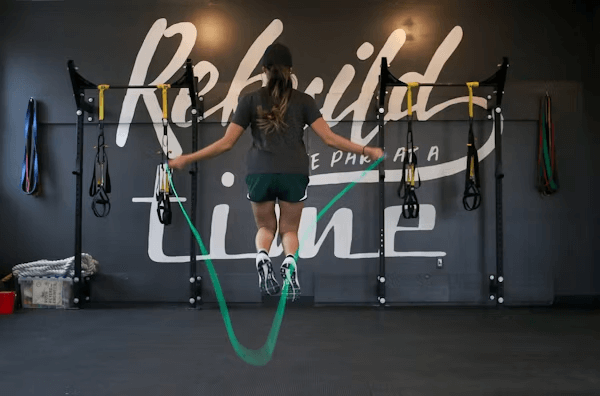
Woman jumping rope in gym for holiday fitness

Easy ways to stay active during holiday gatherings include:

● A short post-meal walk.

● Playing games with kids or family.

● Light stretching in the morning.

● Helping with setting up or cleaning up.

All in all, you don’t need a gym session—small, regular movements keep your body feeling light and energized.

Conclusion to Draw!

Holiday feasts are meant to be enjoyed, not feared. By making a few thoughtful choices, you can celebrate fully while still caring for your health. Smart portions, mindful substitutions, hydration, balanced plates, and staying aware of extras all go a long way in helping you feel your best.

Whether you’re simply trying to eat mindfully or following a specialized eating plan, these strategies help keep the holidays festive, delicious, and nourishing. Healthy choices empower you to enjoy every gathering, every flavor, and every tradition—without the discomfort that often follows big meals.

Today’s Most Loved Aesthetic Options for Moms Wanting a Confidence Boost

0 · Nov 14, 2025 · Leave a Comment

After becoming a mom, you gain something beautiful that reshapes your entire world. But motherhood also brings changes that can feel a little unexpected. Maybe your nose looks different in photos, your eyes seem heavier, or your skin has lost some of its earlier glow. These shifts can quietly influence your confidence, even when you deeply love the season of life you’re in.

The bright side is that bringing that confidence back is completely possible. More and more moms in Maryland are now turning to subtle aesthetic treatments to refresh their look without changing who they are. These options are gentle, modern, and designed with moms in mind. Interested to know? Keep reading, then.

This article breaks down the most loved choices right now.

Rhinoplasty for a Softer, More Balanced Profile

The nose is one of the features that can feel different after motherhood. Pregnancy swelling, hormonal shifts, and natural aging can make small bumps stand out more or make the tip look slightly heavier. This is why rhinoplasty, often called a nose job, is a popular choice among moms who want a soft, natural refinement.

Close-up of woman

It is a surgical procedure that reshapes the internal structure of the nose, helping bring back gentle balance while keeping your natural expression intact. During the surgery, the surgeon carefully adjusts the underlying framework. This can include:

● Smoothing out a bump by reshaping bone.

● Refining cartilage to soften the nasal tip.

● Narrowing or adjusting the bridge for better symmetry.

● Supporting airflow by improving internal structures.

Recovery tends to be manageable, and the improvements often last long term, which is something many moms appreciate. Another comforting part is that respected clinics providing rhinoplasty in Maryland, such as Chevy Chase Facial Plastic Surgery, are guided by board-certified surgeons. These professionals often specialise in natural-looking results and are trained to keep the entire process safe and carefully guided. Once healing is complete, the nose usually settles into a shape that blends gently with your features.

Upper Eyelid Lift to Brighten Tired Eyes

The eyes are often the first place motherhood leaves its mark. Long nights, early mornings, and years of strain can create heaviness on the upper lids that makes you look more tired than you actually feel. An upper eyelid lift is a simple surgical treatment that removes a small amount of excess skin to help open the eyes and restore a lighter, more refreshed expression.

Woman with long brown hair and blue eyes

During the procedure, the surgeon usually focuses on:

● Removing extra skin that creates a heavy fold.

● Smoothing the natural crease for a cleaner eyelid shape.

● Reducing puffiness that sits on the upper lid.

● Creating a better space for makeup and natural eye movement.

The result is not a dramatic change. It is a gentle return to how your eyes looked before years of fatigue settled in. Many moms say this treatment helps them look more awake, more present, and more like the version of themselves they remember.

Tummy Tuck for a Flatter Midsection

Pregnancy can leave the stomach area stretched in ways that are hard to reverse naturally. Loose skin, weakened muscles, and a lingering pouch are very common, even for active moms. A tummy tuck helps by tightening the abdominal wall and removing extra skin, giving the midsection a smoother and more supported shape.

The surgeon typically focuses on repairing the separated muscles, reshaping the lower abdomen, and positioning the belly button so it looks natural within the new contour. The goal is a balanced, comfortable shape that feels like a refreshed version of your own body.

Many moms appreciate this treatment for the comfort it brings, such as:

● Better posture from stronger core support.

● Clothing that sits more naturally on the waist.

● Less skin movement during daily activities.

● A lighter, more stable feeling through the midsection.

These changes often make a meaningful difference, especially for moms who have felt disconnected from this area since childbirth.

Laser Skin Resurfacing for Texture and Glow

Skin changes are very common after pregnancy and stress-filled seasons of life. Fine lines, rough patches, dullness, and uneven tone can make your complexion feel less vibrant. Laser skin resurfacing gently renews the top layers of skin, encouraging fresh, healthy cells to replace older ones.

Woman enjoying manicure at nail salon for confidence boost

During treatment, the laser energy helps with:

● Smoothing uneven texture.

● Softening fine lines around the eyes and mouth.

● Brightening the complexion.

● Reducing sun damage and discoloration.

This is a favorite among moms because the improvement is long-lasting. The skin looks clearer, brighter, and more even without needing heavy makeup. It gives you a glow that feels effortless, which is something many moms appreciate on days when time is short.

Wrapping Up

Motherhood brings incredible moments, but it also brings changes that can quietly affect how you see yourself. Wanting to feel confident and refreshed is not selfish. It is a simple way of caring for the person behind all the responsibilities. These gentle treatments offer natural-looking improvements that fit into daily life while helping you reconnect with your confidence.

Layering Clothing for Ultimate Ski Comfort

0 · Nov 13, 2025 · Leave a Comment

Can you ski all day without being too cold or too warm?

In most cases, the answer is no, which is why the difference between a great ski day and a horrible one is how you layer.

Don’t believe me? Here’s the deal…

Most skiers have this one element of their ski experience all wrong. They either overheat by midday or freeze their butts off every time they sit on the chairlift.

But it doesn’t have to be that way.

With the right ski layering system, you’ll be comfortable from the first run of the day to the last. And that means more time shredding the slopes and less time worrying about comfort.

Table of Contents:

  • Why Proper Layering Matters For Ski Comfort
  • The Three Layer System Explained
  • Choosing The Right Base Layer
  • Mid Layer Mistakes To Avoid
  • Outer Layer Essentials
  • Common Layering Problems (And How To Fix Them)

Why Proper Layering Matters For Ski Comfort

Here’s a fun fact few people know…

Your body temperature fluctuates all day when skiing. You heat up on the runs, cool off on the lift, then heat back up again. It’s constant motion, which means if you don’t have the right layers, you’ll be on a losing streak.

Did you know approximately 600,000 people are injured from skiing in the U.S. every year? Many of those accidents are from falls and collisions, but wearing the right gear (including a great layering system) is vital for comfort and performance.

Being uncomfortable on the slopes can lead to disaster because when you’re distracted, bad things happen.

The great thing about a ski shop in Gaithersburg is that the experts know ski sports. They can give you helpful advice on the best ski layering systems based on your unique needs and ski activities.

Man skiing downhill on snowy slope in layered clothing

And once you discover a system that works, you’ll be like, “Duh, why didn’t I learn this sooner?”

The Three Layer System Explained

Did you know the world’s best skiers have a secret they all follow?

It’s called the three layer system and for years, ski pros have raved about its importance for ski comfort. So what is it and why is it so magical?

Here’s the easy answer.

The three layer system is a combination of garments with specific purposes that work together to keep you comfortable on the slopes. Each layer is designed for a different function to help manage your moisture and body temperature.

Here are your next steps…

Choosing The Right Base Layer

Your base layer is the starting point of your ski layering system.

It’s the foundation that sits directly on your skin. But here’s the thing with this first layer…

The key is moisture control so you don’t end up a sweaty mess. If your base layer doesn’t wick moisture away from your skin and dry quickly, it’s doing the opposite of what it should.

Cotton is the worst offender of all materials and should never be used as a ski base layer. When cotton gets wet, it holds the moisture close to your body. The end result? Cold, clammy skin.

Avoid all cotton clothing, including jeans, tees, and sweatpants.

Stick to synthetic materials and merino wool instead. They pull moisture away from your skin and dry quickly. Merino wool has the added bonus of being naturally odor resistant (which your buddies on the chairlift will appreciate).

Fit is also key here. Your base layer should fit like a second skin but not feel restrictive. You should be able to move freely and it shouldn’t ride up when you stretch or bend.

Woman with snowboard in front of ski cabin

Mid Layer Mistakes To Avoid

This is where most skiers make mistakes in their layering system.

The mid layer provides insulation, which means trapping warm air close to your body. The insulation is key to keep you warm and toasty. But here’s the twist…

Depending on the temperature (and your metabolism), you might not need a mid layer at all. On warm spring days (40°F and up) and when you’re active, a base layer and your ski jacket might be enough.

The two biggest mid layer mistakes are:

Wearing the wrong material. A mid layer should be moisture-wicking like the base layer. No cotton or non-breathable fabrics.

Picking the wrong size or fit. A mid layer should fit comfortably under your ski jacket and not restrict movement.

A smart strategy is to bring an extra lightweight fleece in your ski pack. Throw it on when you get cold and take it off when you start working up a sweat.

Outer Layer Essentials

Your ski jacket and pants are your outer layer in your ski layering system.

They provide the final barrier between your body and the elements. But here’s the catch…

Your ski jacket needs to be both waterproof AND breathable. Waterproof means it stops moisture and snow from getting in. Breathable means it allows sweat vapor to escape.

Look for a ski jacket with a waterproof rating of at least 10,000mm and a breathability rating of 8000g/m2/24hrs. For serious skiing in wet and snowy conditions, go for 20K+ and 10K+, respectively.

Man in yellow jacket and ski goggles skiing

Key features include:

Ventilation under the arms (also called pit zips). These small zippers allow you to regulate temperature by unzipping and letting the heat escape without having to take your ski jacket off.

Powder skirt. A built-in barrier at the base of your ski jacket that keeps snow out when you fall. It’s one of those little things that is a real game changer for comfort.

Waterproof pockets. Make sure your ski jacket has multiple pockets for your essentials (phone, lift pass, snacks, goggles, etc.) and at least one waterproof pocket for your electronics.

Common Layering Problems (And How To Fix Them)

Problem #1: I get too hot skiing

The usual culprit is overdressing for the conditions. Remember the start of this post? Your body temperature constantly fluctuates during a ski day. That’s why the best strategy is to start with less clothing and then add more as needed.

Open up your ventilation zips and unbutton your collar to create airflow.

Problem #2: I stay too cold on the slopes

Most likely, your base layer isn’t up to the job or your mid layer is insufficient. Check your base layer first. If it’s cotton, that’s your problem.

Consider a heavier mid layer. Lightweight fleece might not be enough on really cold days. A fleece jacket or insulated mid layer should do the trick.

Problem #3: I get damp on the inside of my ski layers

What’s happening is that your base and mid layers are not letting moisture escape (breathability). You end up feeling clammy and cold as your sweat gets trapped inside.

The solution is simple: wear breathable ski layers at every level. You can also use ventilation zips.

Don’t zip your ski jacket all the way up. Leave some openings at your neck and wrists to allow air circulation.

Problem #4: The afternoon chill

Ski accident statistics show about 80% of injuries occur within the first 3 days of skiing. Beyond that, many skiers face a real problem after lunch called the “afternoon chill.”

It’s a thing because as the day progresses, ambient temperature drops and your metabolism slows down. You get tired and colder, even if nothing else changes.

Bring an extra mid layer in your pack. When you stop for lunch or feel chilled, put it on.

Wrapping Things Up

Ski layering is simple to understand, but some experimentation is required to find what’s right for you.

It’s the magic of the three layer system. The flexibility to add and remove layers as needed throughout the day gives you the freedom to stay comfortable. Adjust with ventilation, unzip, loosen collars, and make other small changes as necessary.

The final plan is…

  • Make the investment in a quality moisture-wicking ski base layer (synthetic or merino wool)
  • Have options for different mid layers depending on the temperature
  • Buy an outer ski jacket with good waterproofing, breathability, and ventilation
  • Test your ski layering system before a big ski trip

When you find the perfect system for your ski activities, you’ll stick with it for years. You’ll know the right combination of layers for every temperature.

The end result? More time on the slopes and less time thinking about comfort.

  • « Go to Previous Page
  • Page 1
  • Interim pages omitted …
  • Page 133
  • Page 134
  • Page 135
  • Page 136
  • Page 137
  • Interim pages omitted …
  • Page 510
  • Go to Next Page »

Primary Sidebar

Heather from Whipperberry
Hello... my name is Heather and I'm the creator of WhipperBerry a creative lifestyle blog packed full of great recipes and creative ideas for your home and family. I find I am happiest when I'm living a creative life and I love to share what I've been up to along the way... Come explore, my hope is that you'll leave inspired!

Footer

  • Privacy Policy
  • Crafts
  • Food
  • Gifts
  • Holidays
  • Home
  • Mom Life
  • Recipes
  • Travel

Copyright © 2026 · Seasoned Pro