• Skip to primary navigation
  • Skip to main content
  • Skip to primary sidebar
  • Skip to footer

Whipperberry

WhipperBerry • Your Home For Creative Inspiration

  • Home
  • Recipes
    • Starters
    • Easy Weeknight Dinners
    • Main Dish
    • Salads
    • Side Dish
    • Soups & Stews
    • Desserts
    • Breakfast
    • Miscellaneous
  • Tutorials
    • Creative Crafts
    • DIY Decor
    • Fabric Crafts
    • Food How-To
    • Jewlery
    • Paint Projects
    • Paper Art
    • Party Styling
    • Photography and Graphic Design
    • Silhouette
  • Holidays
    • Easter
    • Mother’s Day
    • Father’s Day
    • 4th of July
    • Halloween
    • Thanksgiving
    • Christmas
    • Valentine’s Day
  • Gift Ideas
    • Gifts For Everyone
    • Gifts for Dad
    • Mother’s day
    • For The Girls
    • For The Kids
    • Teacher Gift Ideas
    • Christmas
  • Printables
    • Holiday
    • Gift Idea
    • LDS Primary
  • Travel
  • About
    • Terms
  • Contact
  • Nav Social Menu

    • Facebook
    • Instagram
    • Pinterest
    • RSS
    • Twitter

Food

A Mom’s Practical Guide to Choosing the Right Hair Loss Solution

0 · Dec 24, 2025 · Leave a Comment

Hair loss is not a niche issue or a cosmetic trend. By the age of 35, nearly two‑thirds of men experience noticeable hair thinning, and women account for more than 40% of people actively seeking hair restoration solutions. Hair loss can feel especially overwhelming during motherhood. Pregnancy, postpartum recovery, stress, lack of sleep, and hormonal changes all affect hair health. Many moms notice more shedding in the shower or thinning around the hairline and wonder if something is wrong or if it will ever stop.

What most people do not realize early enough is that hair loss is progressive, and delaying the right decision often increases long‑term cost, limits treatment options, and reduces achievable results. The real challenge is not a lack of solutions, but too many poorly explained options. Shampoos, supplements, medications, injections, laser devices, and surgical procedures are all marketed aggressively, yet very few patients are taught how to match a solution to the actual cause, stage, and pattern of their hair loss.

Choosing incorrectly often leads to wasted money, disappointment, and false assumptions that “nothing works.” A practical approach starts with understanding that no single treatment works for everyone. Genetics, hormones, scalp health, lifestyle, age, and consistency all play a role. The goal is not instant regrowth, but slowing loss, strengthening existing follicles, and improving visible density over time. Moms who see results usually follow simple, realistic plans that fit into daily life, not quick fixes that promise miracles.

Finding Hair Loss Solution

Understanding the Real Causes Before Choosing a Solution

Hair loss solutions fail most often because the underlying cause is never properly identified. Androgenetic alopecia, stress‑related shedding, hormonal imbalance, nutritional deficiency, scalp inflammation, and post‑illness hair loss all look similar in early stages but respond very differently to treatment.

Professional evaluation is crucial, especially in regions where aesthetic procedures are incredibly popular. In the competitive market like Dubai hair loss treatment, patients often encounter clinics offering cellular therapies, PRP, and transplants side by side. While the advantage is easy access to modern options, the risk is choosing based on marketing trends instead of a clinical diagnosis. For instance, PRP can improve follicle strength, but it cannot revive follicles that have become completely inactive.

Comparing Common Hair Loss Solutions and What They Actually Deliver

Once the cause and stage are clear, comparing solutions becomes practical instead of confusing. Non‑surgical options are usually recommended first for early to moderate hair loss, while surgical methods are reserved for advanced cases. The key differences are effectiveness, maintenance, cost over time, and suitability.

Medications work best for genetic hair loss but require ongoing use. Injectable therapies aim to strengthen existing follicles and improve the scalp environment. Devices such as low‑level laser therapy can support other treatments but rarely work alone. Surgery redistributes hair but does not stop future loss, which means medical support is still needed afterward.

1. Medical Therapy

This is best suited for individuals experiencing early genetic hair loss. Its main function is to slow down shedding and preserve the hair you currently have. For it to be effective, treatment must be continuous. The typical outcome is the stabilization of hair loss with some mild regrowth.

2. PRP / Cellular Therapy

This solution is designed for weak follicles and thinning hair. It works by improving hair strength and thickness. It requires periodic sessions rather than daily application. Most people see an improvement in hair density as a result.

3. Supplements

Supplements are most effective when there are confirmed nutritional deficiencies. They help improve overall hair quality but are strictly supportive in nature. To maintain the benefits, intake needs to be ongoing.

4. Laser Therapy

This method is typically used to support other treatment plans. It works by providing scalp stimulation and requires regular use to see results. The outcome is generally considered a mild level of support for hair health.

5. Hair Transplant

This is the primary option for those with advanced baldness. It focuses on restoring the hairline and physically redistributing hair to thin areas. While it requires long-term care, the result is a permanent redistribution of hair.

Hair Loss Solution

How to Build a Practical Hair Loss Plan Step by Step?

A smart hair loss plan is structured, measurable, and adjusted over time. Step one is diagnosis, not treatment selection. Step two is choosing a core therapy that addresses the main cause, such as medication for genetic loss or injectable therapy for follicle weakness.

Step three is adding supportive elements like scalp care, nutrition correction, or devices if needed. Step four is tracking progress using photos and shedding patterns every three months. Step five is reassessment.

If shedding stabilizes but density does not improve, adjustments are made. This approach prevents emotional decision‑making and reduces wasted spending. Patients should also plan financially. Many effective treatments are ongoing, not one‑time expenses. Budgeting realistically avoids stopping mid‑process, which is one of the most common reasons for failure.

Finally, mental expectations matter. Hair loss during motherhood can feel discouraging, but it is also manageable. A practical, informed approach helps you protect the hair you have now and feel more confident as your body continues to change.

Budget DIY Ideas to Upgrade Your Home

0 · Dec 24, 2025 · Leave a Comment

Improving your home doesn’t have to involve major renovations or high costs. With a bit of planning, creativity, and some practical DIY skills, you can refresh your living space while sticking to a sensible budget.

Below are affordable and achievable ideas to help you upgrade your home room by room.

Refresh Walls with Paint and Panels

One of the quickest and most cost-effective ways to change a room is by updating the walls. A fresh coat of paint can instantly make a space feel cleaner, brighter, and more modern. Neutral shades work well if you want a timeless look, while feature walls in bold colours can add personality without overwhelming the room.

If paint alone feels too simple, consider adding wall panelling, slat walls, or half-height boards. These features add texture and depth and can often be created using MDF or plywood. Materials can be cut to your required sizes, making installation more straightforward and reducing waste. For affordable DIY materials, many homeowners order custom-cut sheets online from places like cutmy.co.uk.

Refresh Walls with Paint

Upgrade Kitchen Spaces on a Budget

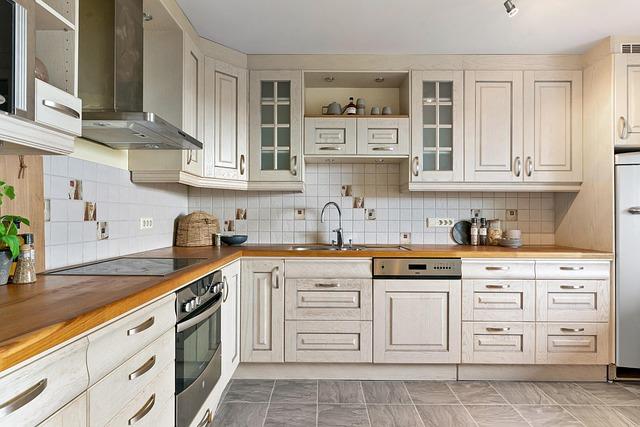
A full kitchen renovation can be expensive, but smaller DIY changes still deliver impact. Replacing cupboard handles is a simple upgrade that can modernise your kitchen in an afternoon. Choose matte black, brushed brass, or stainless steel finishes to suit your style.

Another budget-friendly idea is painting kitchen cabinets. With proper preparation, sanding, and a suitable paint, old cupboards can look almost new. Adding open shelving is another practical option, providing storage while making the kitchen feel more open and personalised.

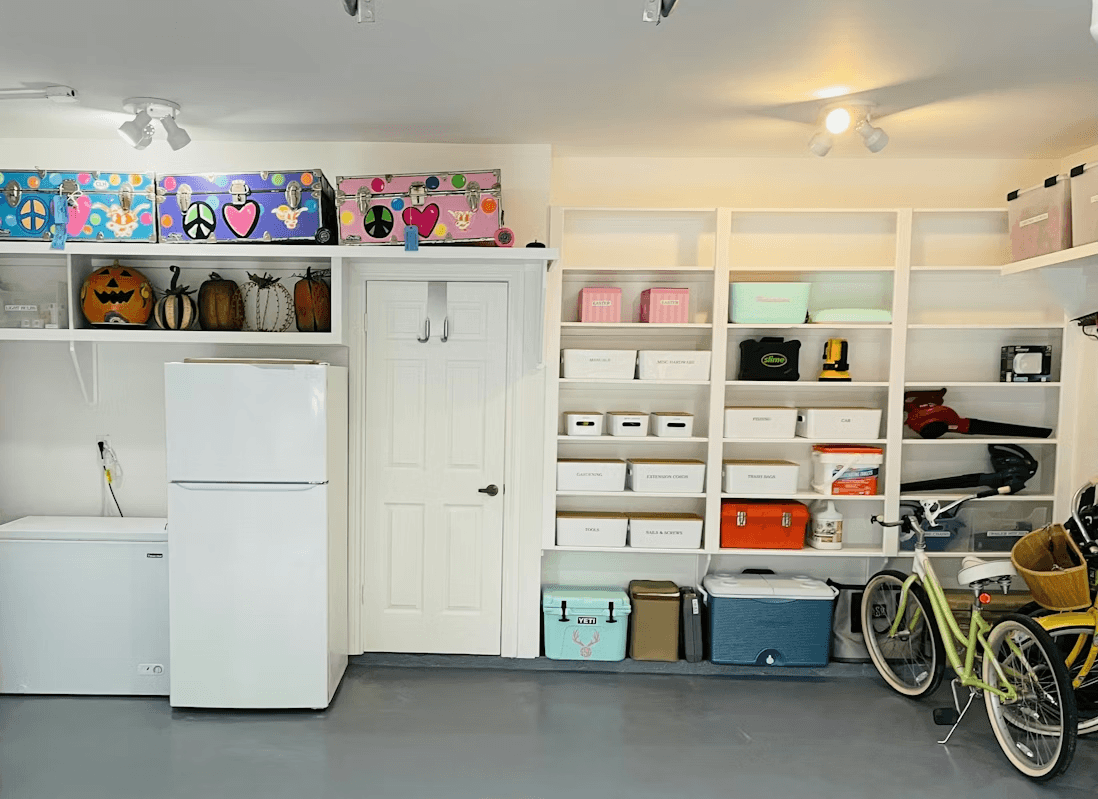
Improve Storage with Smart DIY Solutions

Clutter can make even the nicest home feel cramped. DIY storage solutions help you make better use of available space while keeping costs low. Floating shelves are easy to install and work well in living rooms, bedrooms, and kitchens. They provide storage without taking up floor space and can be styled with books, plants, or decorative items.

Under-stairs storage, built-in wardrobes, or bench seating with hidden compartments are also great DIY projects. Using sheet materials cut to precise dimensions helps ensure a neat finish, even for beginners.

Update Flooring Without Replacing It

New flooring can be costly, but there are alternatives if replacement isn’t an option. Peel-and-stick vinyl tiles are affordable, easy to install, and available in a wide range of designs, including wood and stone effects. They’re ideal for kitchens, hallways, and bathrooms.

Rugs are another budget-friendly way to update flooring. A large rug can define a space, add warmth, and cover worn areas of carpet or floorboards. Layering rugs can also add texture and interest without a big investment.

Give Bathrooms a Low-Cost Makeover

Bathrooms are often expensive to renovate, but small DIY changes can still refresh the space. Replacing taps, shower heads, and accessories like towel rails or mirrors can make the room feel more modern. These updates are relatively affordable and don’t require major plumbing work.

Regrouting tiles or applying tile paint can also improve the appearance of walls and floors. A clean, bright grout line can make tiles look new again and dramatically lift the room’s overall look.

Give Bathrooms a Low-Cost Makeover

Enhance Lighting for Instant Impact

Lighting plays a big role in how a home feels. Swapping outdated light fittings for modern designs can change the mood of a room instantly. Pendant lights, wall sconces, or simple lamps can all add character without costing much.

Adding LED strip lighting under shelves, cabinets, or along staircases is another affordable DIY idea. It improves visibility while creating a warm, inviting atmosphere.

Well-placed lighting also plays a big role in curb appeal. A softly lit walkway or a warm porch light makes your home feel more inviting from the street and helps highlight the details you have worked hard to improve. Even a few simple updates can make your home stand out in the evening.

Add Character with DIY Décor

Homemade décor is one of the easiest ways to upgrade your home on a budget. Picture frames, wall art, and mirrors can be customised with paint or wood trims to suit your interior style. Creating your own artwork or photo displays adds a personal touch that shop-bought décor often lacks.

Houseplants are another low-cost way to improve a space. They bring colour, texture, and life into your home while improving the overall feel of the room.

Focus on Small Changes That Add Up

Budget DIY is all about making smart, manageable changes. You don’t need to tackle everything at once. Even small projects, like updating door handles, repainting skirting boards, or adding shelving, can collectively make your home feel more polished and well cared for.

By choosing affordable materials, planning carefully, and taking on projects at your own pace, you can upgrade your home without overspending. DIY improvements not only save money but also give you the satisfaction of creating a space that truly feels like your own.

Roof Repair vs Replacement: How to Decide Wisely

0 · Dec 24, 2025 · Leave a Comment

Different roofing materials last differently. For instance, asphalt shingles, the most common residential material, typically have a service lifespan ranging from 20 to 25 years. Wood shakes may last about 30 years, while metal, tile, and slate roofs can endure for 50 years or more. If a roof is nearing the end of its expected lifespan and exhibiting multiple problems, repeated roof repairs become a cost-ineffective temporary solution.

Conversely, if a 10-year-old roof suffers isolated damage from a fallen tree limb, a targeted repair is almost always the most prudent and economical course of action. The age of the roof relative to its material’s longevity is a foundational metric in the repair-versus-replace equation.

Here are some factors to consider when deciding between a roof repair and replacement:

roof replacement

Evaluating the Extent and Location of Damage

The scope and placement of damage are critical determinants. Isolated issues, such as a few missing shingles, minor flashing leaks around a chimney, or damage confined to a single slope, are often prime candidates for repair. However, widespread problems signal deeper trouble. If granule loss is extensive in asphalt shingles, if leaks are appearing in multiple rooms, or if sagging is evident in the roof deck, these are indicators of pervasive failure.

Similarly, if the damage is concentrated in complex roof areas, such as valleys or around multiple penetrations, a patchwork of repairs may not provide a lasting solution. Widespread water damage in the attic or visible daylight through the roof boards are clear signs that replacement is likely necessary.

Furthermore, several other key factors should guide this evaluation. Hence, consulting with reputable roofing contractors Madison or similar locations can provide a professional assessment that quantifies the damage and clarifies viable options. The expertise of a qualified roofing contractor is invaluable in distinguishing between superficial issues and symptoms of systemic failure.

Considering the Cost Implications Over Time

A simple cost comparison typically favors repair, as it involves less labor and material. However, a long-term financial perspective is crucial. The “50% Rule” is a helpful guideline in the industry: if the cost of repairs approaches or exceeds 50% of the cost of a new roof, replacement generally offers better value. This is because consecutive repairs can become a financial drain, especially on an aging roof.

Investing in a replacement can provide a new, full-coverage warranty, enhance home value, improve energy efficiency with modern roofing materials, and offer decades of worry-free protection. Financing a replacement may also be more feasible than repeatedly funding unexpected repairs.

Examining Interior and Structural Indicators

The condition of the home’s interior and underlying structure can provide vital clues. Persistent stains on ceilings or walls, especially those that grow despite attempted repairs, suggest active, ongoing roof leaks. Mold growth in the attic or along top-floor ceilings points to chronic moisture intrusion.

Perhaps most critically, sagging rafters or a spongy feeling when walking on the roof indicate structural compromise of the decking. These interior and structural symptoms typically reveal that the damage is more severe than what is visible externally, strongly pointing toward the need for a full replacement to protect the home’s integrity.

Impact on Home Value, Energy Efficiency, and Aesthetics

A roof represents a significant portion of a home’s exterior visual appeal. An aging, patched roof with mismatched shingles can detract from a property’s curb appeal and potentially reduce its value. A complete replacement, however, is considered a major home improvement that offers a significant return on investment.

Modern roofing materials can also provide superior energy efficiency through reflective coatings and better insulation properties, which can substantially reduce heating and cooling costs. For homeowners considering selling their property in the near future, a new roof can be a decisive selling point, assuring potential buyers of a sound, maintenance-free structure for years to come.

roof repair or replacement

The Role of Professional Inspection

Ultimately, the most reliable method for making this decision is to obtain a comprehensive, written inspection from a licensed and insured roofing professional. A qualified inspector will evaluate the condition of shingles, flashing, vents, gutters, and the roof deck from both the exterior and the attic space. This objective assessment can remove guesswork, providing a clear outline of existing problems, potential future issues, and an unbiased recommendation on the most cost-effective and durable solution.

Homeowners should seek multiple estimates and ensure any contractor provides detailed explanations and documentation, including photographs of the damage.

Key Takeaway

Deciding between roofing repair and replacement is a significant undertaking that requires balancing immediate costs with long-term benefits and home safety.

By keeping the information mentioned above in mind, homeowners can make a logical and sustainable decision. Engaging with qualified professionals for thorough inspections can ensure that this critical investment in the home’s future is made wisely, safeguarding the structure, its inhabitants, and its value for years to come.

Essential Tools and Templates for Wedding Budgeting – for Moms Helping Plan a Meaningful Day

0 · Dec 23, 2025 · Leave a Comment

Planning a wedding is exciting, but it can also feel overwhelming, especially for moms who are balancing family life, work, and everyday responsibilities. Whether you are helping your child plan their wedding or supporting them behind the scenes, keeping costs organized makes a big difference.

A clear wedding budget helps families make thoughtful choices without added stress. It keeps spending in check, sets realistic expectations, and allows everyone to focus on what truly matters. With the right tools and templates, managing wedding expenses becomes much easier, even during an already busy season of life.

Why a Wedding Budget Matters

Every couple starts out with a vision for their wedding, but not every couple starts out with a plan for how much that vision will cost. That’s where a budget comes in. It helps you set spending limits, track your payments, and avoid last-minute financial stress.

Budgeting also forces you to prioritize. It helps you focus your money on the things that matter most—whether that’s the dress, the food, or the photography. Without a budget, it’s easy to lose track and overspend in areas that weren’t even on your radar at first.

More importantly, a wedding budget is about setting boundaries so you don’t enter your new life together carrying unnecessary debt. If you do need some financial support to bridge the gap between your savings and your plans, a wedding loan may be a helpful option. When used thoughtfully, it can offer flexibility without putting pressure on your long-term finances.

wedding budget

What to Include in Your Wedding Budget

Before you dive into tools and spreadsheets, it’s important to understand what should go into your budget. Most weddings include the same core categories:

  • Venue and rentals
  • Catering and drinks
  • Attire and accessories
  • Photography and video
  • Flowers and decorations
  • Entertainment
  • Invitations and stationery
  • Transportation
  • Favors and gifts
  • Officiant fees

Also, remember the extras. Things like tips, vendor travel fees, overtime charges, or setup costs are often forgotten but can make a noticeable difference in your final total.

Set aside a contingency fund, usually 5 to 10 percent of your overall budget—for unexpected expenses. It’s much easier to prepare for the unexpected than to scramble when a surprise pops up.

Best Digital Wedding Budgeting Tools

Many couples today rely on digital tools to stay organized. Wedding budgeting apps and spreadsheets offer convenience, automation, and real-time tracking. Most allow you to categorize spending, log payments, and compare estimated versus actual costs.

Some of the best features to look for include:

  • Customizable categories
  • Alerts for due dates or overspending
  • Shared access for both partners
  • Mobile-friendly dashboards
  • Integration with guest lists and vendor contacts

These tools remove a lot of the guesswork and make it easier to stay on track, especially as the wedding date gets closer and tasks start to pile up.

Free Wedding Budget Templates to Download

If you prefer working in spreadsheets or want a printable version, there are plenty of free wedding budget templates available online. Many are built in Excel or Google Sheets, and they come preloaded with standard categories and formulas.

These templates are ideal for couples who want more control over their budget layout. They’re also easy to edit and personalize to match your event.

Look for templates that include:

  • Budgeted vs actual spending columns
  • Automatic calculation of totals
  • Pre-set categories and subcategories
  • Space for payment due dates and notes

You don’t have to be a spreadsheet expert to use these. They’re usually designed to be beginner-friendly while still offering plenty of depth for those who want to track everything in detail.

How to Use These Tools Effectively

Choosing a tool or template is only the first step. The key to successful wedding budgeting is using it regularly.

Start by entering your total budget and estimated amounts for each category. Then, as you make decisions, input actual costs and update them as you go. Keep track of payments made and outstanding balances.

Review your budget weekly to stay on top of changes or new expenses. If something runs over, adjust other areas to make up for it. This keeps the overall budget intact and prevents overspending from creeping in unnoticed.

It’s also important that both partners are involved. Make budgeting a shared process so you’re both aware of the financial picture and comfortable with the decisions being made.

wedding budgeting plan

Bonus Tools to Support Your Budget Planning

Beyond budget trackers, there are other tools that can make your wedding planning more organized:

  • Guest list managers: These help you estimate your cost per guest and control catering and seating expenses
  • Vendor comparison sheets: Track quotes, services, and contract terms from different vendors
  • Payment schedules: Keep a timeline of deposits and final payments so nothing is missed
  • Contract logs: Organize your agreements in one place to avoid misunderstandings or surprises

Using these tools alongside your budget gives you a full picture of your wedding finances and helps you make better decisions along the way.

Final Thoughts

Weddings are about celebrating love, family, and new beginnings. A well-planned budget helps protect those moments from unnecessary stress. When finances are organized, families can enjoy the planning process and focus on creating meaningful memories together.

With helpful budgeting tools, simple templates, and open conversations, it is possible to plan a beautiful wedding without feeling overwhelmed. Whether you are contributing financially, offering guidance, or simply supporting your child through the process, a clear budget helps everyone feel confident and prepared. In the end, the most memorable weddings are not defined by how much is spent, but by the love and care behind every choice.

Home Projects That Make Life Comfortable and Add Lasting Value

0 · Dec 23, 2025 · Leave a Comment

As families grow and routines shift, it helps when your home can keep up. Whether it is finding more space, making rooms easier to use, or creating a calmer atmosphere, the right home projects can make everyday life smoother.

For busy families in places like Tampa, thoughtful changes go beyond looks. They focus on comfort, function, and making your home work better for the people who live in it. In this guide, you will find practical ideas that help your home feel more welcoming, organized, and ready for whatever life throws your way.

Bathrooms That Support Comfort and Style

Bathrooms are among the most influential spaces when it comes to lasting home value. A well-designed bathroom combines comfort, efficiency, and a calming atmosphere. Modern layouts often emphasize openness, better lighting, and thoughtful storage, making the space feel more welcoming and easier to use.

Replacing outdated fixtures with simple, well-chosen elements can refresh the entire room. Improved ventilation, durable surfaces, and smart layout adjustments also play a role in long-term satisfaction. If you live in Tampa, get in touch with a local Tampa bathroom remodeling company to discuss your ideas and get estimates. This step helps turn concepts into practical designs that suit daily routines while maintaining visual balance.

A bathroom that feels clean, organized, and relaxing adds value because it supports daily life in a meaningful way. It becomes a space that serves both function and comfort without relying on excessive decoration.

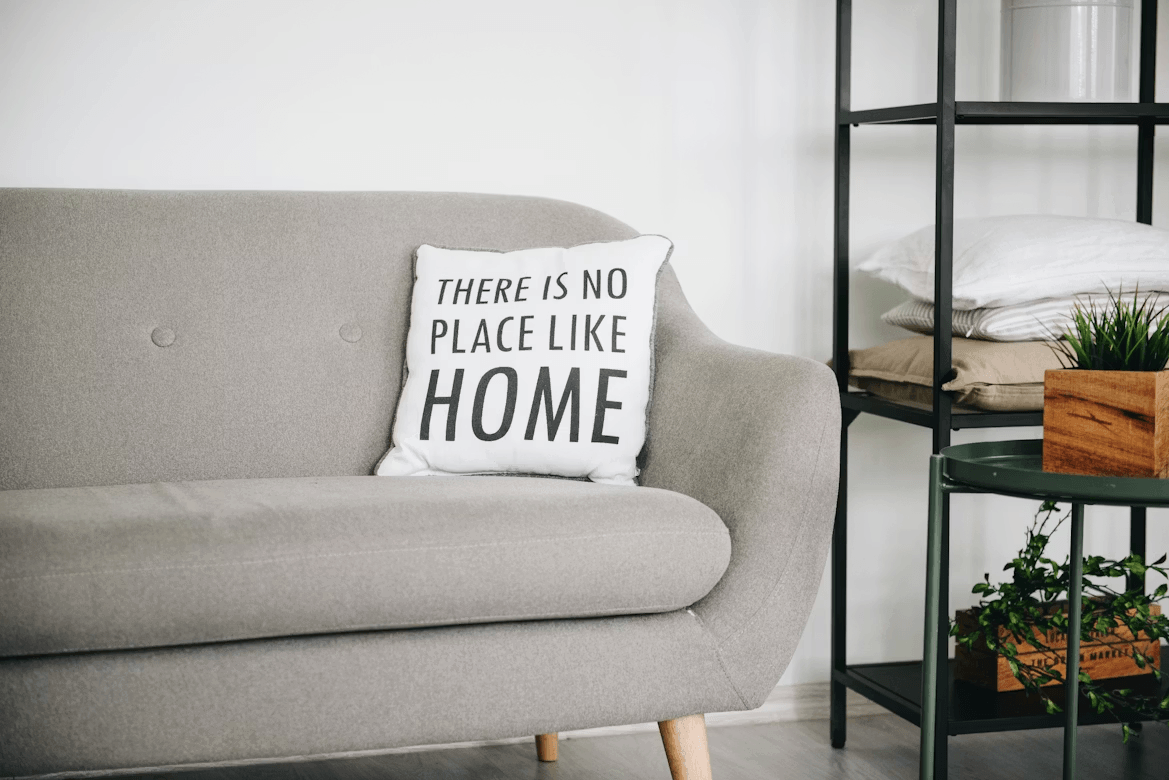
home projects

Kitchen Updates That Enhance Everyday Living

The kitchen plays a central role in daily life, making it one of the most important spaces in the home. It supports everything from meal preparation to shared moments and everyday routines. Transformative kitchen projects emphasize better flow, practical use of space, and a balanced, inviting appearance.

Simple changes like better cabinet organization, updated surfaces, and improved lighting can make a noticeable difference. Open layouts that allow movement and connection to nearby spaces also increase the sense of openness. Durable materials that are easy to maintain help ensure the kitchen remains appealing over time.

A kitchen designed for ease and comfort supports both quiet moments and social gatherings. By focusing on layout and quality rather than complexity, homeowners create a space that continues to feel relevant and inviting for years.

Living Spaces That Feel Open and Inviting

Shared living areas set the tone for the entire home. Projects that enhance these spaces often involve rethinking layout, lighting, and flow. Removing visual clutter and improving how rooms connect can dramatically change how a home feels.

Natural light plays a major role in making living spaces feel larger and more welcoming. Thoughtful placement of windows or light sources can brighten rooms without altering their character. Neutral finishes and balanced proportions also help create a timeless look that adapts to changing styles.

Living spaces that feel comfortable and flexible appeal to a wide range of needs. Whether used for relaxation, entertaining, or quiet reflection, these areas benefit from designs that prioritize openness and ease.

Bedrooms Designed for Rest and Balance

Bedrooms are personal spaces where comfort and calm matter most. Transformative projects in these rooms focus on creating a restful environment through layout, lighting, and storage solutions.

Improved closet organization can reduce visual noise and make daily routines smoother. Soft lighting and balanced color choices contribute to a peaceful atmosphere. Attention to airflow and privacy also enhances the overall experience.

A bedroom that feels organized and serene adds value because it supports well-being. These improvements may seem subtle, but they have a lasting impact on how a home is experienced day after day.

Outdoor Areas That Extend Living Space

Outdoor spaces can become valuable extensions of the home when designed with intention. Projects that improve patios, gardens, or yards focus on usability and comfort rather than decoration alone.

Defined seating areas, smooth pathways, and thoughtful lighting help create outdoor environments that feel connected to the home. Durable surfaces and simple landscaping ensure these spaces remain functional with minimal effort.

When outdoor areas are easy to use and inviting, they encourage more time spent outside. This connection between indoor and outdoor living adds depth to the home and enhances its overall appeal.

Storage Solutions That Improve Organization

One of the most overlooked yet transformative home projects involves storage. Homes that offer smart storage solutions feel more spacious and easier to maintain. Built-in shelving, organized closets, and multi-use spaces help keep belongings in order.

Improved storage reduces clutter and allows rooms to serve their intended purpose more effectively. These changes do not need to be complex to make a difference. Even small adjustments can improve how a home functions.

Homes that feel organized and efficient are more enjoyable to live in. This sense of order adds lasting value by making daily life smoother and less stressful.

Lighting Improvements That Change the Mood

Lighting has a powerful effect on how a home feels. Transformative lighting projects focus on balance, warmth, and flexibility. A mix of general, task, and accent lighting allows spaces to adapt to different needs throughout the day.

Well-placed lighting highlights architectural features and creates a sense of depth. It also improves visibility and comfort without drawing attention to itself. Simple, consistent lighting choices help maintain a cohesive look across the home.

Good lighting supports both function and atmosphere. By improving how light is used, homeowners enhance every room without altering its structure.

lighting

Flooring That Grounds the Home

Flooring connects all areas of a home, making it a key element in long-term value. Transformative flooring projects focus on durability, comfort, and visual continuity. Consistent flooring choices help create a sense of flow between rooms.

Materials that are easy to care for and pleasant underfoot support daily living. Neutral tones and classic textures ensure the flooring remains appealing as styles change. A strong flooring foundation enhances the entire home. It quietly supports other design elements while standing up to everyday use.

Conclusion

A home that supports family life does not need to be perfect, but it should feel good to live in. From better storage and lighting to cozier bedrooms and more functional kitchens, small changes can make a big difference. Each project you take on helps build a space that supports your family’s needs today and as they grow. With a little planning and care, your home can be a place that feels calm, comfortable, and truly yours for the long run.

  • « Go to Previous Page
  • Page 1
  • Interim pages omitted …
  • Page 66
  • Page 67
  • Page 68
  • Page 69
  • Page 70
  • Interim pages omitted …
  • Page 460
  • Go to Next Page »

Primary Sidebar

Heather from Whipperberry
Hello... my name is Heather and I'm the creator of WhipperBerry a creative lifestyle blog packed full of great recipes and creative ideas for your home and family. I find I am happiest when I'm living a creative life and I love to share what I've been up to along the way... Come explore, my hope is that you'll leave inspired!

Footer

  • Privacy Policy
  • Crafts
  • Food
  • Gifts
  • Holidays
  • Home
  • Mom Life
  • Recipes
  • Travel

Copyright © 2026 · Seasoned Pro