• Skip to primary navigation
  • Skip to main content
  • Skip to primary sidebar
  • Skip to footer

Whipperberry

WhipperBerry • Your Home For Creative Inspiration

  • Home
  • Recipes
    • Starters
    • Easy Weeknight Dinners
    • Main Dish
    • Salads
    • Side Dish
    • Soups & Stews
    • Desserts
    • Breakfast
    • Miscellaneous
  • Tutorials
    • Creative Crafts
    • DIY Decor
    • Fabric Crafts
    • Food How-To
    • Jewlery
    • Paint Projects
    • Paper Art
    • Party Styling
    • Photography and Graphic Design
    • Silhouette
  • Holidays
    • Easter
    • Mother’s Day
    • Father’s Day
    • 4th of July
    • Halloween
    • Thanksgiving
    • Christmas
    • Valentine’s Day
  • Gift Ideas
    • Gifts For Everyone
    • Gifts for Dad
    • Mother’s day
    • For The Girls
    • For The Kids
    • Teacher Gift Ideas
    • Christmas
  • Printables
    • Holiday
    • Gift Idea
    • LDS Primary
  • Travel
  • About
    • Terms
  • Contact
  • Nav Social Menu

    • Facebook
    • Instagram
    • Pinterest
    • RSS
    • Twitter

Food

Common Campervan Insurance Mistakes Families Make and How to Avoid Them

0 · Nov 21, 2025 · Leave a Comment

If you’re planning a family road trip in your campervan, making sure you have the right insurance is just as important as packing snacks and charging the tablets. A campervan isn’t just a vehicle—it’s your rolling home on the road. Whether you’re heading to the beach for the weekend or exploring Europe during school break, protecting your investment is a must.

Here are some common insurance mistakes families often make—and how to avoid them.

1. Not Sharing the Full Story with Your Insurance Provider

It might feel like a hassle to list every little detail when signing up for insurance, but leaving things out can come back to bite you. Be upfront about how you plan to use the campervan. Will it be used for family holidays only? Are there any custom upgrades like a mini-fridge or extra bed for the kids?

Also, be honest about driving history, who will be driving, and any modifications. If something isn’t declared and you need to file a claim, the insurance company could say no—and that’s the last thing any mom wants to deal with mid-trip.

Not declaring the correct usage can invalidate your insurance, which could create a tricky situation if you ever need to make a claim.

Person stacking coins for campervan insurance savings

2. Thinking Regular Car Insurance is Enough

It’s easy to assume your campervan can be covered under a standard car or van policy, but these often don’t cover what makes your campervan special. If your camper has a bed, kitchenette, or even a small bathroom, regular car insurance won’t protect those parts or the personal items you keep inside.

Think of it this way: your campervan is part car, part home. You need a policy that understands both. Dedicated campervan insurance covers the living space and belongings, so you’re not left paying out of pocket if something goes wrong.

3. Forgetting About European Travel Coverage

Many families dream of taking their campervan across the Channel for an adventure. But before you load up the kids and head off to France or Spain, check your insurance policy. Not all “comprehensive” plans cover travel outside the UK.

Yellow van driving on desert road representing campervan travel

Some policies limit the number of days you can be abroad, or they may not offer any coverage at all in certain countries. Always double-check your paperwork. It only takes a few minutes and can save you a major headache if you run into trouble far from home.

4. Skipping Out on Proper Maintenance and Security

Keeping your campervan safe and well-maintained doesn’t just protect your family on the road. It also protects your insurance coverage. If you skip regular services or store your van in an unsafe place, your insurance company might deny your claim.

Simple steps like locking up, using an alarm system, and sticking to the service schedule can go a long way. Plus, a well-maintained camper lasts longer and runs better, which makes every family trip smoother and safer.

Final Thoughts

A campervan can be one of the best investments for a family that loves adventure. Just like packing the right snacks or remembering the kids’ pillows, choosing the right insurance matters. Avoiding these common mistakes helps you stay protected, stress-free, and focused on what really matters—making memories together.

What to Wear This Christmas Party Season for Moms Who Love to Shine

0 · Nov 20, 2025 · Leave a Comment

Hello friends! With the holidays around the corner, I’m already buzzing with ideas—hot cocoa in hand, glitter on the craft table, and a wardrobe that’s ready to sparkle. As a mom who loves pulling together quick DIY touches and making every get‑together feel special, I know that what you wear can be just as fun to create as the decorations or the dessert.

Whether you’re heading to an office holiday drinks night, a cozy family gathering, or ringing in the new year with friends, this season is your chance to shine. Let’s look into outfit ideas that bring joy, sparkle, and a little craft‑inspired magic.

Party Season Essentials: From Sparkle to Sophistication

Let’s begin with the fundamentals. You’ll need an outfit that’s seasonally appropriate. This tends to mean leaning into the sparkly side of things, and employing eye-catching patterns and flourishes that you wouldn’t get away with at any other time of year. Favouring greens and reds also makes sense.

What to Wear This Christmas

The Timeless Allure of the Little Black Dress

When it comes to women’s dresses, there’s one hue that’s famous for its enduring appeal. Women’s dresses are always in style when they’re black. You can spice up your little black dress by adding a few seasonal accessories – which we’ll come to in a moment.

Velvet, Sequins, and Shine: This Year’s Top Textures

Texture is a powerful way of making a statement. This year, three of them stand apart from the competition. Velvet is rich and luxurious, as well as practical in cold weather. Glossy items tend to look the part, especially when they’re lit up, and contrasted with matte ones. Then there are sequins, which can be relied upon to add Christmas cheer to just about any ensemble.

Layering for Warmth Without Losing Glamour

If you’d like to wrap up warm, then the best approach might be to employ several layers. You can discard some of them when you step into the warmth of the venue, and put them back on again when you need to slip outside. A good overcoat will make a big difference.

Christmas Party Outfit

Accessories That Elevate Any Outfit

Your choice of accessories can provide your look with a focal point, and help to dispel the sense that your outfit is muddled. At this time of year, you’ll want to use your accessories to evoke festive themes and imagery. Think snowflake-shaped earrings, or a woolly scarf with a tree on it.

From Office Drinks to New Year’s Eve: One Look, Many Occasions

As the weeknights fill up with holiday parties and the New Year draws near, I hope you’ll treat your outfit as another festive project—something you assemble with love, personality, and a mama’s flair for creativity.

From the sequins to the velvet, the bold reds and greens to the comfy layering pieces, pick something that feels like you. And the best part? You’ll be able to reuse these looks again and again throughout the season—saving time for spreading cheer, crafting memories, and sipping the cocoa.

Here’s to looking fabulous, feeling confident, and embracing every moment of this magical season with your family by your side.

Exploring the Versatility of Wool in Modern Crafts

0 · Nov 20, 2025 · Leave a Comment

Looking for a unique way to add to your craft collection?

Wool is one of the most popular fibre types to use in the craft industry. The versatility of wool has inspired yarn customers to create unique and imaginative crafts for hundreds of years, and it’s clear that that’s not about to change.

In fact, it’s actually more popular than other fibre types, with more people purchasing yarn made with wool than synthetic fibres and cotton.

Here’s what we’ll be going over in this article:

  • Why Wool is King of Craft Creations Today
  • The 7 Most Popular Wool Crafting Techniques
  • How To Get Started On Your First Wool Project
  • How to Care For Your Wool Projects

Why Wool is King of Craft Creations Today

I just have to share something with you…

Wool is a different type of fiber when you compare it to other yarns.

Many fibres can come and go in the industry based on trends and whatever the current generation is into. But wool just has this innate ability to be useful no matter what.

The natural crimp of wool fibres allows it to entangle together whether you’re making a sculptural work of art or a simple scarf.

Let me paint a picture for you:

Wool is breathable, insulating, and it retains dye incredibly well. It is the perfect medium for just about any creative endeavour you could think of. Plus, starting with a quality base like this wool wash from Yarn Trader means you’re starting on the right foot.

But there’s another factor at play here that’s increasing its popularity…

Wool is all over the media for one massive reason: its sustainability and the incredible versatility of wool.

Makers and crafters are waking up to the environmental costs that synthetic fibres and dyeing practices are putting on the planet. And that’s not something they’re willing to stand for anymore.

Wool is a natural fibre that’s renewable, biodegradable, and in a lot of cases, one of the most eco-friendly fibres you can purchase when it’s ethically sourced.

The stats back this up, too. The global wool market size is expected to reach $43.90 billion in 2025 and will grow at a CAGR of 3.70% through 2030 to hit $52.60 billion.

versatility of wool

The 7 Most Popular Wool Crafting Techniques

Are you ready to see what’s going on?

One of the amazing things about wool is that it can be manipulated in so many ways, showcasing the incredible versatility of wool.

Each of these techniques highlights a different attribute in wool fibres and creates a totally unique range of potential results.

Needle Felting

Needle felting has taken off in the last few years.

Needle felting is the ability to sculpt wool into 3-dimensional shapes just using a barbed needle and a ball of roving.

You literally stab the wool fibres until they mat and interlock into any shape you can imagine.

The thing is…

You can get so detailed with this technique. Miniature food replicas, hyper realistic portraits, or tiny animals, there’s really no limit if you have the patience and an idea in your head.

Wet Felting

Needle felting is great, but what about something a little smoother?

Wet felting is the ancient process of using hot water, soap, and friction to lock wool fibres into place permanently.

This technique is perfect for items that need to be flat like scarves, bags, wall hangings, or rugs. Plus the process is actually quite relaxing once you get the hang of it.

Knitting & Crochet

Classic always has a time and place, and it’s here to stay for good reason.

84% of yarn consumers knit and 73% crochet, with 58% of those doing both. So you have a whole community of crafters keeping traditional methods alive and constantly evolving them.

Modern knitting and crocheting enthusiasts are branching into new techniques, mixing it up with unconventional patterns, and creating pieces that merge the line between craft and high fashion.

Weaving

Moving into fabric weaving with wool is a fantastic way to create something structured and both beautiful and functional.

Whether you’re working on a small hand loom or a floor loom, wool yarn is great for beginners because it’s a more forgiving process while still offering infinite complexity for expert weavers.

The texture and drape that you can achieve with wool fabric weaving is just unmatched by other fibres.

Spinning Yarn

Wool crafting really gets interesting when you go hands-on.

Taking raw fleece and spinning it into yarn that you can then use gives you complete control over every aspect of your projects.

It’s a deeper connection with your medium that’s highly satisfying for many crafters.

Getting Started On Your First Wool Project

Ready to dive in?

Here’s what you actually need to know…

Don’t make things too hard on yourself by overthinking your project.

Choose a project that matches your current skill level. Don’t start with needle felting a life-size sheep if you’ve never touched roving in your life. Set yourself up for frustration and failure.

Instead, here are some simple things to consider:

  • Felted dryer balls to practice needle felting
  • A simple dishcloth or potholder if you want to learn to knit
  • A small wall hanging for weaving
  • Crochet coasters using some chunky wool yarn

There are dozens of great tutorials out there for these basic projects, and they’re great ways to learn the ins and outs of a craft without getting overwhelmed by the complexity of advanced patterns.

The key is to pick the right wool for the project you want to complete.

Not all wools are the same. Some are softer, some are more durable, and others felt better. Merino is butter soft and great for next-to-skin items. Corriedale felts beautifully for sculptural work. Romney is more durable for items that need to stand up to a lot of wear and tear.

Quality tools are not optional.

Investing in good quality felting needles, knitting needles/hooks, or weaving supplies makes the difference between enjoying the process and wrestling with your materials for hours.

wool in modern crafts

How To Care For Your Wool Projects

You worked hard on it. Now what?

The best way to make sure that your wool projects last and stay looking good is to properly care for them.

Let me give you the rules here:

Always wash your wool in cool or lukewarm water. Hot water will felt and shrink wool, which you want when you need it, but not when you don’t.

Never use regular detergent. Wool wash is specifically pH neutral to not strip natural oils from wool fibres.

Never wring or twist wet wool.

This distorts the fibres and can permanently damage a project. Instead, gently press out excess water or roll your item in a clean towel to wick moisture away.

Lay flat to dry.

Hanging a wet wool item will stretch it out of shape.

Store properly between use.

Keep wool in breathable fabric or mesh bags. Plastic doesn’t allow the item to breath, which can lead to moisture and mildew problems. Use cedar or lavender sachets to naturally deter moths.

Final Thoughts

Crafting with wool is not just a trend…

It’s returning to basics with materials that just work the way you need them to work. Whether you’re creating a miniature sculpture, an oversized cardigan, or wall art, the versatility of wool delivers the results you’re after while synthetic fibres fall flat.

There’s a huge learning curve to get into any new craft, but each of these areas has a great community of folks that are always happy to help you learn.

Start with one technique and get the basics down, then move into the other areas once you’re comfortable. Every wool crafter was a beginner at one point.

Remember:

  • Wool is the king of crafting due to its natural properties
  • There’s so many techniques you can try for different looks
  • Don’t make things harder on yourself by starting too complex
  • Care for your wool projects properly for long-lasting results

5 Signs of Hair Thinning and Important Steps to Take For Preventing It

0 · Nov 20, 2025 · Leave a Comment

Lately I’ve been talking with other moms who are juggling busy schedules, kids, work, and everything in between. The one thing they have in commen? They’ve been noticing subtle shifts in their hair: a wider part, more strands on the brush, less volume than before. They wondered if it was just aging, or something that could actually be helped.

Hair thinning often starts quietly, so you might miss it until it shows up in full view. That’s why this article is here: to help you recognise those early signs, understand what’s happening beneath the surface, and take simple steps to support thicker, healthier hair.

Whether you’re in “just noticing” mode or you’ve been seeing changes for a while, these approaches can give you confidence in what to do next.

The Signs of Hair Thinning and What You Can Do

Notice increased hair shedding during washing or brushing.

Many people first notice hair thinning as more strands collect in the shower drain or on a hairbrush. A small amount of daily shedding is normal, but large clumps or a sudden rise in loose hairs may signal early hair loss. This change often appears gradually and can affect both men and women.

Frequent washing or brushing can make the issue easier to spot. If the scalp starts to show more clearly or the hair feels lighter, the shedding may go beyond the normal range. Keeping track of these changes helps identify patterns and decide if further care is needed.

A gentle cleansing routine can help protect the scalp and roots. Using a natural root activating shampoo, hair conditioner or hair loss masks may support healthier growth by stimulating hair follicles and maintaining a balanced scalp. Regular scalp massage and proper nutrition can also improve circulation and support stronger strands over time.

signs of hair thinning

Observe widening part lines or overall scalp thinning.

A widening part line often signals early hair thinning. The scalp may start to show more clearly through the hair, especially under bright light. This change can happen slowly, so regular observation helps detect it sooner.

Some people also notice that their hair looks flatter or lacks its usual fullness. The difference may appear after brushing or styling, as the scalp becomes more visible in certain areas. Comparing old photos can help confirm if the part line has widened over time.

Both men and women can notice thinning across the crown or top of the head. This pattern may relate to genetics, stress, or hormonal changes. Therefore, identifying these signs early allows someone to adjust habits that may affect hair strength.

Maintaining a balanced diet, reducing harsh treatments, and using gentle hair care products can help protect existing strands. If the scalp visibility continues to increase, a dermatologist can assess possible causes and suggest appropriate treatments.

Detect early receding hairline or patchy bald spots.

A receding hairline often appears first around the temples or forehead. The hairline may slowly move back, forming an M-shaped pattern. Early detection allows a person to act before the thinning becomes more noticeable.

Patchy bald spots may show up on the crown or other parts of the scalp. These areas can feel smoother or show more scalp than usual. Some people also notice uneven hair density across different sections of the head.

Regularly checking the hairline and scalp in good lighting helps identify small changes. Comparing photos over time can also reveal a gradual loss.

If thinning or patchy spots appear, a person can consult a dermatologist or hair specialist. Early guidance helps identify possible causes such as genetics, stress, or nutritional issues. Therefore, addressing the root cause early often helps slow further loss and maintain healthier hair.

Schedule a dermatologist or trichologist consultation for diagnosis.

A professional evaluation helps identify why hair thinning occurs and what treatment fits best. A dermatologist can assess scalp health, hormone levels, and possible medical conditions that cause shedding. A trichologist focuses on hair structure and scalp issues that may lead to breakage or loss.

Early consultation allows accurate diagnosis before the problem worsens. For example, a dermatologist may detect conditions such as alopecia areata or scalp infections that require medical care. A trichologist may notice poor scalp circulation or product buildup that interferes with growth.

Proper diagnosis guides the next steps, from prescription treatments to lifestyle adjustments. Therefore, anyone who notices persistent thinning, patchy loss, or scalp irritation should schedule an appointment. Professional guidance helps create a clear plan to support healthy regrowth and prevent further loss.

consult a dermatologist or trichologist

Incorporate stress management and improve nutrition to support hair health.

Stress can interrupt the normal hair growth cycle and lead to excess shedding. High stress levels may cause a condition called telogen effluvium, which pushes more hairs into the resting phase. Reducing stress helps the scalp recover and supports steady regrowth.

Simple relaxation methods, such as deep breathing or short walks, can lower stress hormones. Regular sleep and short breaks during the day also help the body stay balanced. As a result, hair follicles receive better support from improved blood flow and nutrient supply.

Nutrition plays a major role in hair strength. A balanced diet with enough protein, iron, zinc, and vitamins A, C, D, and E supports healthy growth. Whole foods like eggs, leafy greens, and nuts give the body what it needs to maintain stronger strands.

Staying hydrated and eating regular meals keeps energy levels stable. Together, good nutrition and stress control create a healthier environment for long-term hair health.

Conclusion

If you’ve been wondering why your hair feels thinner or looks a little different lately, you’re not the only one. Many women I know have gone through the same thing, and the good news is there are ways to support your hair naturally and gently.

Taking care of your hair doesn’t have to mean complicated treatments. From eating well and managing stress to choosing the right products and getting a professional opinion if needed, small choices can lead to big improvements over time. With a little attention and care, you can keep your hair looking and feeling strong for the long run.

How to Create an Eco-Friendly Bedroom: A Simple Guide That Actually Works

0 · Nov 20, 2025 · Leave a Comment

People spend about a third of their lives sleeping or trying to get quality rest. Your bedroom’s eco-friendly decor serves as more than just a design choice—it becomes an investment in your wellbeing and the planet’s future.

A simple switch to LED light bulbs can cut your energy use by up to 90% and save you about £70 each year on energy bills. On top of that, UK’s sustainable bedroom designs now welcome materials like bamboo, cork, and reclaimed wood. These materials are renewable, biodegradable and VOC-free, which helps your indoor air quality improve by a lot.

A truly sustainable bedroom needs more than energy-efficient lighting. Your space needs thoughtful choices about materials, products, and energy usage. Organic mattresses and air-purifying plants make your room beautiful while they clean the air. Every element helps create a healthier sleep environment.

This piece shows you practical steps to revolutionise your bedroom into an eco-friendly sanctuary while keeping its style and comfort intact. You’ll find ways to boost your sleeping experience with environmentally responsible choices, whether you plan a complete makeover or just want simple switches.


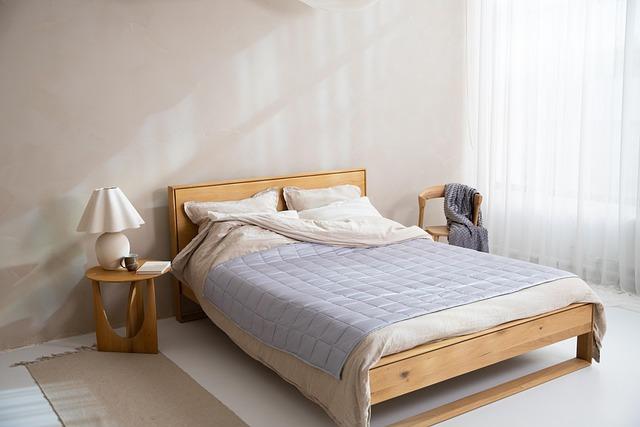
Eco-Friendly Bedroom

What Makes a Bedroom Eco-Friendly?

A truly eco-friendly bedroom needs more than just a few strategically placed plants. Your sleep space should strike the perfect balance between environmental responsibility and personal comfort. This balance ensures your bedroom supports both planetary and personal health.

Understanding Sustainable Design Principles

Five core principles serve as the foundations of sustainable design in an eco-friendly bedroom:

  • Waste reduction – You can minimise consumption and choose products that last longer
  • Energy efficiency – Smart choices in lighting and appliances save energy
  • Health promotion – Materials that support wellbeing and good sleep make a difference
  • Low carbon footprint – Locally made items from sustainable sources reduce environmental impact
  • Timeless design – Your space should stay functional and stylish for years

These principles help you make better choices about everything from furniture to lighting fixtures. Sustainable design looks beyond passing trends.

Your bedroom should remain functional and stylish for years without needing frequent updates. Sustainable bedrooms often take a minimalist approach. This naturally cuts down resource use since smaller, well-designed bedrooms need fewer resources to furnish, heat and cool.

Why Your Bedroom Matters for Health And the Planet

Your bedroom might be the most important room in your home when it comes to personal well-being. The National Institutes of Health reports that we spend about one-third of our lives sleeping or trying to get quality rest. The interior environment of bedrooms affects your sleep quality, which then influences your productivity, health, and overall wellbeing.

Weather extremes make this connection between bedroom environment and health even more important. To cite an instance, high night-time temperatures during heatwaves can disrupt sleep patterns. This becomes particularly challenging in temperate climate zones where people don’t typically use air conditioning.

Regular bedroom products often hide chemicals that can cause serious health issues, including:

  • Hormonal disruptions
  • Neurological effects
  • Immune system suppression
  • Skin and respiratory irritation
  • Increased cancer risk

An eco-friendly bedroom offers two major benefits. You reduce your environmental footprint through smart material choices and energy conservation. Your sleep environment becomes healthier without the toxins found in regular bedroom products. This creates better sleep quality and reduces your exposure to harmful substances.

Start with the Bed: Where Comfort Meets Sustainability

A good night’s sleep starts with your bed – the centrepiece of any eco-friendly bedroom. Your bed takes up most of the space and shapes your sleep quality. This makes it perfect to start your green transformation.

Choose an organic mattress with natural latex or wool

Natural latex organic mattresses give you amazing benefits compared to regular ones. The 100% organic GOLS-certified Dunlop latex comes from sustainable rubber tree plantations. This creates a sleep surface without chemicals and metals. These mattresses keep you safe from dust mites and help with allergies and asthma by naturally stopping microorganisms.

Sleepeezee mattress

Pictured: Centurial Sleepeezee Mattress. British craftsmanship using the finest natural materials, including British wool, alpaca wool and talalay latex.

You’ll find mattresses with special 7-zone comfort structures. These recognise that your body needs different support levels for your head, shoulders, back, hips, legs, knees and ankles. Some UK manufacturers now make carbon-neutral or carbon-negative mattresses. They actively cut emissions through green production methods.

Use eco-friendly pillows made from kapok or buckwheat

Natural pillow options can help you sleep better:

  • Kapok pillows: These pillows use silky, light fibres from kapok tree seed pods as a vegan option instead of down feathers. They naturally fight off dust mites, mould, and bacteria – perfect if you have allergies.
  • Buckwheat pillows: These contain hard outer shells of buckwheat seeds and give firm support while letting air flow freely. The pyramid-shaped hulls connect to create adjustable support that feels like a massage. The spaces between hulls let moisture and heat escape fast, so you stay cool all night.

Kapok works best for side and stomach sleepers with its soft, cushiony feel compared to buckwheat’s firmness. Both options break down naturally and help protect our environment unlike synthetic materials.

Pick bedding made from organic cotton, hemp or linen

Your sustainable sleep sanctuary needs organic bedding. GOTS-certified organic cotton grows without synthetic pesticides or fertilisers. This helps create healthier soil and supports biodiversity. The certification shows the highest standards in sustainability and ethics.

Hemp shines as an amazing bedding material. It needs very little water, no pesticides, and its deep roots make the soil healthier. Hemp’s long fibres help you stay comfortable by controlling temperature through the night with a soft but structured feel.

Organic linen from flax grown in France, Belgium, and the Netherlands grows naturally without artificial help. Its natural pores let your skin breathe, control temperature, and move moisture away.

These sustainable bedding choices work double duty – they help you sleep better and protect our planet.

Design with Purpose: Furniture, Flooring and Decor

Your bedroom can become an eco-friendly haven with smart choices that go beyond just the bed. Every element in your space, from furniture to flooring, gives you a chance to help the environment while creating a beautiful sanctuary.

Opt for reclaimed or vintage furniture

Reclaimed furniture brings two major benefits to your bedroom. Each piece comes with its own story, shown through unique variations in colour, texture, and grain patterns that showcase the original structure’s history. Old buildings, barns, and other structures provide the wood that gets a new life instead of ending up in landfills.

Reclaimed wood furniture stands apart from mass-produced items with its character and uniqueness. You’ll find its timeless appeal creates a foundation that stays stylish for years, which means less waste from frequent replacements.

Use bamboo or cork for flooring

Bamboo and cork lead the pack as eco-friendly flooring choices. Bamboo grows to maturity in just 3-5 years, while traditional hardwood trees need 20+ years. This quick regeneration makes bamboo an incredibly renewable resource.

Cork comes from cork oak tree bark without damaging the tree. These amazing trees live up to 200 years and keep producing cork their entire life. The natural cellular structure helps regulate temperature and cut down noise through superior thermal and acoustic insulation.

Bamboo flooring costs between £3.97 to £7.94 per square foot, while cork ranges from £2.38 to £5.56 per square foot. Cork works especially well in bedrooms because it feels soft and cushioned underfoot.

Decorate with natural materials like rattan or jute

Natural materials add organic warmth to your bedroom while staying eco-friendly. Jute rugs made from strong plant fibres create a timeless foundation that’s easy to live with. Their neutral colours work with any bedroom style.

A bedroom with eco-friendly wooden furniture.

Image credit Bedstar: Sustainable bedroom décor with furniture made from Rubberwood.

Rattan brings interesting texture through its lightweight yet durable nature. This versatile material ages beautifully and works great in bedroom furniture or decorative pieces. Mix rattan with upholstered and painted pieces to create a charming, eclectic look.

Add energy-efficient lighting and smart switches

LED lights can replace traditional incandescent bulbs to cut down your energy use. Dimmer switches let you adjust light levels based on what you need, which saves even more energy.

Smart lighting takes things further with sensors and timers. You can create perfect ambiance and make sure lights don’t stay on when not needed.

Create a Healthy Sleep Environment

Hidden elements in your bedroom can have a big impact on how well you sleep. A healthy sleep environment needs more than just a comfortable bed – it’s about clean air, safe materials, and protection from electromagnetic fields.

Use non-toxic paint to reduce indoor pollutants

Your indoor air can be up to 70 times more polluted than outside. Regular paints release harmful VOCs that make asthma and allergies worse. You should pick zero-VOC paints that don’t smell and meet European Standard EN 71-3:2019. These eco-friendly options are free from harsh chemicals like formaldehyde or benzene that you’ll find in standard paints.

Add air-purifying plants like aloe vera or snake plant

NASA’s research shows snake plants remove almost all air toxins. These plants keep producing oxygen at night, which helps you feel more energised when you wake up. Aloe vera works the same way, cleaning your air while you sleep and it might help reduce cluster headaches because it produces extra oxygen.

Plants by the bedroom window sill

Image credit: Bedstar

Keep clutter minimal with sustainable storage

A messy bedroom can leave your mind racing and overstimulated. Yes, it is possible to create a peaceful and practical space without giving up style. The best storage options come from bamboo, hemp, or recycled materials rather than plastic.

Unplug devices to reduce EMF

You can cut down electromagnetic field exposure by simply unplugging your electronics. This creates a space with fewer EMFs, which helps maintain natural sleep cycles.

Key Takeaways

Transform your bedroom into an eco-friendly sanctuary that benefits both your health and the planet with these essential sustainable choices:

• Start with organic bedding materials: Choose natural latex mattresses, kapok or buckwheat pillows, and GOTS-certified organic cotton, hemp, or linen bedding for chemical-free sleep.

• Select sustainable furniture and flooring: Opt for reclaimed wood furniture and bamboo or cork flooring—bamboo matures in just 3-5 years versus 20+ for hardwood.

• Improve air quality naturally: Use zero-VOC paints and add air-purifying plants like snake plants or aloe vera that release oxygen throughout the night.

• Reduce energy consumption: Switch to LED bulbs to cut energy use by 90% and save approximately £70 annually on bills, plus unplug devices to minimise EMF exposure.

Creating an eco-friendly bedroom isn’t just about environmental responsibility—it’s about investing in better sleep quality and personal wellbeing. Since we spend one-third of our lives sleeping, these sustainable choices directly impact our health whilst reducing our carbon footprint.

  • « Go to Previous Page
  • Page 1
  • Interim pages omitted …
  • Page 70
  • Page 71
  • Page 72
  • Page 73
  • Page 74
  • Interim pages omitted …
  • Page 450
  • Go to Next Page »

Primary Sidebar

Heather from Whipperberry
Hello... my name is Heather and I'm the creator of WhipperBerry a creative lifestyle blog packed full of great recipes and creative ideas for your home and family. I find I am happiest when I'm living a creative life and I love to share what I've been up to along the way... Come explore, my hope is that you'll leave inspired!

Footer

  • Privacy Policy
  • Crafts
  • Food
  • Gifts
  • Holidays
  • Home
  • Mom Life
  • Recipes
  • Travel

Copyright © 2026 · Seasoned Pro