• Skip to primary navigation
  • Skip to main content
  • Skip to primary sidebar
  • Skip to footer

Whipperberry

WhipperBerry • Your Home For Creative Inspiration

  • Home
  • Recipes
    • Starters
    • Easy Weeknight Dinners
    • Main Dish
    • Salads
    • Side Dish
    • Soups & Stews
    • Desserts
    • Breakfast
    • Miscellaneous
  • Tutorials
    • Creative Crafts
    • DIY Decor
    • Fabric Crafts
    • Food How-To
    • Jewlery
    • Paint Projects
    • Paper Art
    • Party Styling
    • Photography and Graphic Design
    • Silhouette
  • Holidays
    • Easter
    • Mother’s Day
    • Father’s Day
    • 4th of July
    • Halloween
    • Thanksgiving
    • Christmas
    • Valentine’s Day
  • Gift Ideas
    • Gifts For Everyone
    • Gifts for Dad
    • Mother’s day
    • For The Girls
    • For The Kids
    • Teacher Gift Ideas
    • Christmas
  • Printables
    • Holiday
    • Gift Idea
    • LDS Primary
  • Travel
  • About
    • Terms
  • Contact
  • Nav Social Menu

    • Facebook
    • Instagram
    • Pinterest
    • RSS
    • Twitter

Travel

The Rise of Outdoor Travel and Why Visitors Can’t Get Enough

0 · Feb 13, 2026 · Leave a Comment

Ever found yourself daydreaming of a mountain sunrise while stuck in traffic or doom-scrolling through another chaotic news cycle? You’re not alone. In a world overloaded with screen time, tight schedules, and existential dread, more Americans are ditching the city grind for fresh air and wide-open spaces. Outdoor travel is booming, and the Great Smoky Mountains are right at the center of this great escape.

The Great Migration—To the Outdoors

Over the past few years, outdoor travel has gone from a niche hobby to a full-on cultural movement. Fueled partly by the COVID-19 pandemic—which turned enclosed spaces into paranoia chambers and partly by a growing desire for mindfulness and reconnection with nature, travelers have started looking outward, literally.

According to the National Park Service, 2023 saw record-shattering visits to many national parks. Leading the charge? The Great Smoky Mountains Park, the most-visited national park in the U.S. for nearly a decade. And it’s not just hikers and hardcore campers making the trek. Families, solo travelers, and even remote workers are trading four walls for forest trails and waterfall selfies.

What’s the Big Deal About Pigeon Forge?

There’s a reason travel lists across the country are raving about the best things to do in Pigeon Forge TN. Nestled just outside the Smokies, this town is a curious blend of mountain charm and vibrant tourist appeal. Think go-karts and moonshine tastings, dinner theaters and scenic hikes, all within a stone’s throw of nature’s finest playground. It’s a hub for those who want the outdoors with a side of entertainment.

One major draw is the proximity to the Great Smoky Mountains National Park, which offers everything from lush hiking trails and wildlife viewing to peaceful picnic areas and panoramic scenic overlooks. For accommodations, Heritage Cabin Rentals offers a perfect base camp, blending rustic charm with modern amenities. Their cabins aren’t just places to sleep—they’re experiences themselves. Fireplaces, game rooms, hot tubs, and wraparound decks make you question why you’d ever stay in a hotel again.

Post-Pandemic Priorities: Freedom Over Frills

Travelers today are no longer obsessed with luxurious lobbies and buffet breakfasts. What they crave is space, autonomy, and a sense of personal adventure. Outdoor travel offers something conventional trips can’t: unpredictability, discovery, and let’s be honest the chance to post a sun-dappled selfie with a meaningful caption.

A lot of this shift is generational. Millennials and Gen Z value experiences over possessions, and outdoor getaways tick all the right boxes. Booking a cabin in the woods or camping under the stars delivers a deeper story than yet another chain resort stay. Remote work has also unshackled millions from their desks, allowing them to work with a laptop on a porch overlooking the Smokies rather than in a cubicle with fluorescent lighting and bad coffee.

Instagram Didn’t Kill the Outdoor Star

Despite what purists might claim, the rise of social media hasn’t ruined outdoor travel, it’s amplified it. In fact, some of the most iconic trailheads owe their viral popularity to one well-timed drone shot. Hashtags like #VanLife and #CabinVibes have built entire communities of modern explorers. Sure, some travelers are there more for the photo op than the journey, but the end result is the same: more people appreciating nature, even if it’s through a lens filter.

Close-up of smartphone on table during outdoor travel discussion

However, this uptick in popularity brings responsibility. Crowds can put pressure on natural resources, which means visitors must tread carefully, literally and figuratively. Leave No Trace principles are no longer optional; they’re essential if we want our favorite scenic overlooks to be just as magical next year.

Families Are Reclaiming the Road Trip

The modern family vacation has taken a nostalgic turn. Instead of airport chaos and overpriced theme parks, families are embracing the open road and heading toward national parks, state forests, and lakeside cabins. RV sales spiked during the pandemic and haven’t slowed since. Families are finding that time spent hiking, cooking outdoors, or spotting deer from a cabin porch provides a bonding experience no hotel can match.
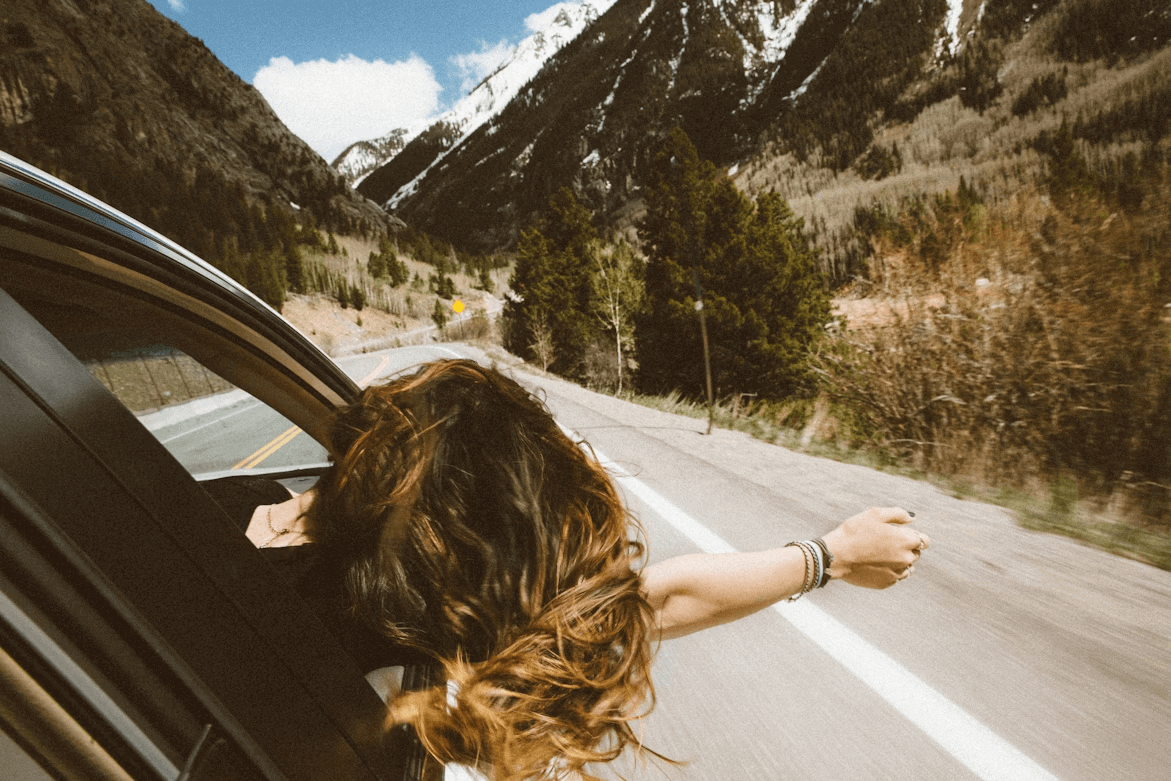
Woman leaning out car window enjoying outdoor travel

Kids get to explore without staring at a screen, parents get a break from micromanaging every hour of a theme park itinerary, and everyone ends the day with s’mores around a fire. It’s the kind of analog magic that sticks with you, even after you’ve gone back to Wi-Fi and homework.

Nature as the Ultimate Mental Health Hack

Let’s not overlook the science: spending time in nature is good for your brain. Studies show that even short hikes can reduce anxiety, improve memory, and boost mood. Forest bathing, a Japanese practice known as shinrin-yoku that is gaining traction in the U.S. as a legitimate wellness trend. And no, it doesn’t involve actual bathing. It just means immersing yourself in a forest setting and tuning into your senses.
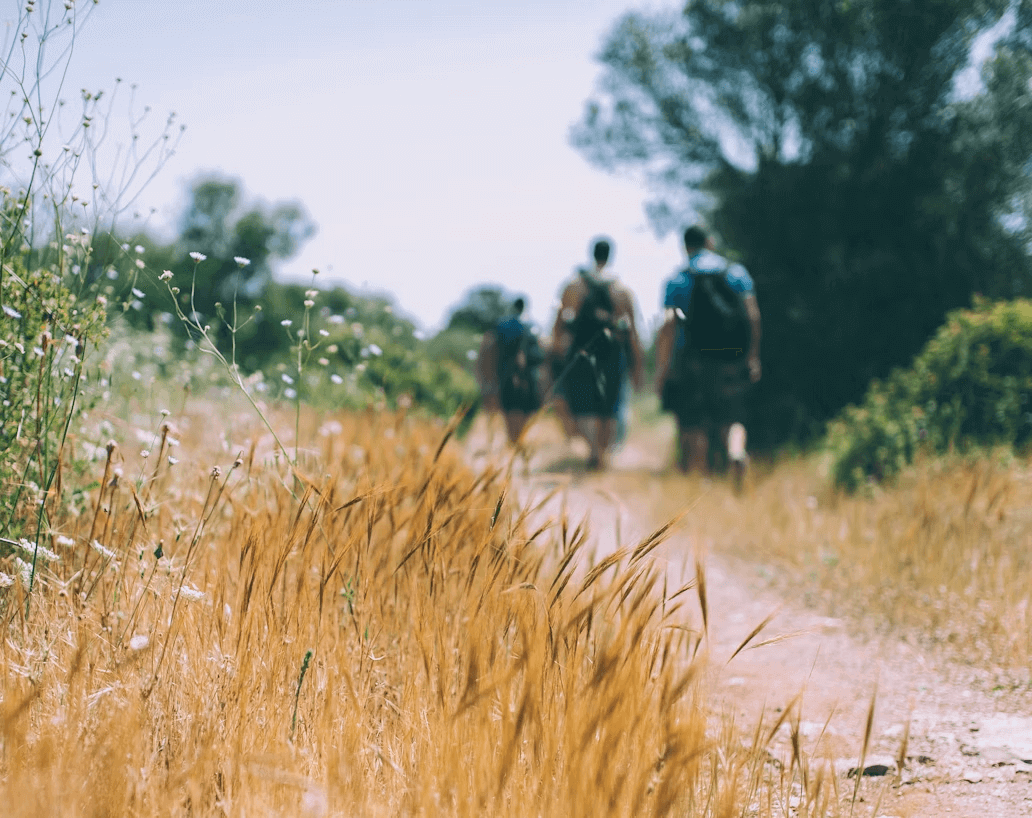
People walking on a dirt road outdoors

When you consider how many of us are operating on cortisol and caffeine, the appeal of natural silence and birdsong becomes obvious. Nature doesn’t ping you with emails or follow up with a “quick sync.” It just exists, and somehow that’s become revolutionary.

What’s Next for Outdoor Travel?

As more people embrace this form of travel, the industry is evolving to meet demand. Expect to see smarter trail management, eco-lodges, and even more hybrid experiences that merge outdoor settings with digital convenience. Think campgrounds with charging stations, or guided hikes you can book via app. The challenge will be maintaining authenticity while scaling access.

More importantly, the rise in outdoor travel hints at a larger cultural craving—for grounding, for space, and for something real. When the modern world feels too much, the answer might just be a winding road, a pack of granola bars, and a sky full of stars.

Nature isn’t just trending. It’s becoming essential. Whether you’re hammocking under a tree or sipping coffee in a mountainside cabin, the appeal is timeless: less noise, more meaning. And the best part? It’s all waiting just beyond the next turn.

The Solo Traveler’s Survival Kit in the Modern World

0 · Oct 27, 2025 ·

Solo travel has exploded in popularity over the past decade, with millions of adventurous souls choosing to explore the world on their own terms. Whether you’re a seasoned globetrotter or planning your first solo adventure, having the right survival kit can make the difference between a dream trip and a travel nightmare. The modern solo traveler faces unique challenges that require both traditional preparation and contemporary solutions.

Digital Essentials for the Connected Traveler

Your smartphone is arguably your most important travel companion. Beyond basic communication, it serves as your map, translator, emergency contact system, and entertainment hub. Download offline maps before departing, as data roaming can be expensive and unreliable in remote areas. Google Translate’s camera feature can instantly translate signs and menus, while apps like Citymapper help navigate public transportation in major cities worldwide.

Portable chargers and universal adapters are non-negotiable items. Nothing ruins a solo adventure faster than a dead phone in an unfamiliar place. Invest in a high-capacity power bank that can charge your devices multiple times, and always pack a universal adapter that works in your destination countries.

Digital copies of important documents stored in cloud services provide crucial backup protection. Scan your passport, driver’s license, insurance cards, and itinerary, then store them in Google Drive, Dropbox, or similar services. Email these copies to yourself as an additional safeguard. This preparation proves invaluable if your physical documents are lost or stolen.

Safety and Security Fundamentals

Personal safety takes on heightened importance when traveling alone. Research your destinations thoroughly, understanding local customs, common scams, and areas to avoid. Register with your embassy or consulate when traveling internationally, and share your itinerary with trusted friends or family members back home.

A quality money belt or hidden pocket keeps valuables secure while maintaining easy access to daily spending money. Distribute cash and cards across multiple locations on your person and in your luggage. Consider carrying a dummy wallet with small bills and expired cards to hand over if confronted by pickpockets.

Woman traveling solo in city street

Travel insurance becomes even more critical for solo travellers, as you won’t have companions to assist during emergencies. Comprehensive coverage should include medical expenses, trip cancellation, lost luggage, and emergency evacuation. Some policies even cover adventure activities like hiking or water sports that standard insurance might exclude.

Health and Wellness on the Road

Maintaining your health while traveling solo requires proactive planning. Pack a well-stocked first aid kit including bandages, antiseptic wipes, pain relievers, anti-diarrheal medication, and any prescription drugs you regularly take. Bring extra prescription medications in their original containers, along with copies of prescriptions from your doctor.

Stay connected with healthcare providers back home through telemedicine apps when possible. Many insurance plans now cover virtual consultations, which can be incredibly helpful for minor illnesses or medication questions while abroad. Research medical facilities at your destination and know how to access emergency services in the local language.

Transportation and Legal Considerations

Getting around safely as a solo traveler requires extra vigilance, whether you’re using public transportation, ride-sharing services, or rental cars. When driving in unfamiliar territory, accidents can happen even to the most careful drivers. If you’re involved in a car accident while traveling, knowing your rights and having access to legal resources becomes crucial. Contacting professionals such as ChopinLaw.com, car accident lawyers, for expert legal guidance in personal injury matters, having contact information for local legal assistance or your embassy can provide peace of mind during stressful situations.

Research transportation options thoroughly before arriving at your destination. Download official apps for public transit systems, understand local taxi regulations, and verify ride-sharing availability. When using ride-sharing services, always check the license plate and driver photo before getting in the vehicle.

Communication and Language Tools

Language barriers can feel more intimidating when you’re traveling alone, but modern technology offers powerful solutions. Beyond translation apps, consider learning basic phrases in the local language before departing. Simple greetings, “please,” “thank you,” and “help” can go surprisingly far in building connections with locals.

People walking down a city street

Portable WiFi devices or international SIM cards keep you connected without relying solely on public WiFi networks, which can be unreliable or insecure. Having your own internet connection provides flexibility and security for navigation, communication, and accessing important information.

Emergency Preparedness

Solo travelers must be self-reliant during emergencies, making preparation essential. Create detailed emergency contact lists including local authorities, your embassy, insurance providers, and trusted contacts at home. Store these contacts both digitally and on paper, as technology can fail when you need it most.

Consider carrying emergency cash in US dollars or euros, as these currencies are widely accepted globally. Small denominations are particularly useful for tips, transportation, or situations where card payments aren’t accepted.

Building Connections Safely

One of solo travel’s greatest rewards is meeting new people and experiencing genuine local hospitality. Stay in hostels, join walking tours, or use apps designed for travelers to meet like-minded individuals. However, maintain healthy skepticism and trust your instincts when someone seems too eager to help or offers deals that seem too good to be true.

Tattooed man checking smartphone for solo travel tips

Social media can help you connect with other travelers and locals but avoid posting real-time location updates that might compromise your safety. Share your adventures after you’ve moved on to the next destination.

The Modern Solo Traveler’s Mindset

Successful solo travel requires adaptability, confidence, and calculated risk-taking. Embrace unexpected detours and spontaneous opportunities while maintaining awareness of your surroundings and personal safety. The freedom to change plans on a whim is one of solo travel’s greatest advantages, so build flexibility into your itinerary.

Remember that solo travel is a skill that improves with experience. Start with shorter trips to familiar destinations before embarking on extended adventures in completely foreign environments. Each journey teaches valuable lessons that make future travels smoother and more enjoyable.

The modern solo traveler’s survival kit combines traditional travel wisdom with contemporary technology and safety practices. With proper preparation, the right tools, and an adventurous spirit, solo travel offers unparalleled opportunities for personal growth, cultural immersion, and life-changing experiences. Your survival kit is more than just gear; it’s the foundation for confident, safe, and memorable solo adventures anywhere in the world.

6 Unique Travel Experiences That Blend Art, Style, and Luxury

0 · Oct 14, 2025 · Leave a Comment

Look, I’ve stayed at five-star hotels with marble bathrooms and thread counts that could fund a small country. And sure, it’s nice. But somewhere between the monogrammed slippers and the turndown chocolates, I realized that real luxury isn’t about gold-plated fixtures—it’s about access, authenticity, and experiences you can’t Google your way into.

The most memorable trips aren’t the ones where everything is gilded and polished to within an inch of its life. They’re the ones where art, design, and style intersect with genuine cultural immersion. Where the journey itself becomes the masterpiece. So let’s talk about six unique travel experiences that actually deliver on that promise.

Unique Travel Experiences

1. Private Art Tours in Florence’s Hidden Ateliers

Florence is drowning in tourists clutching selfie sticks in front of the David. But there’s another Florence—one where contemporary artisans still practice centuries-old crafts in workshops tucked down cobblestone alleys you’d never find on your own.

Imagine spending an afternoon with a master goldsmith in the Oltrarno district, watching them work on a commission using techniques that haven’t changed since the Medici ruled the city. Or getting after-hours access to a sculptor’s studio, where marble dust covers everything and half-finished pieces wait in the shadows.

These aren’t tourist demonstrations—these are working artists opening their creative spaces to a handful of visitors who genuinely care about the craft. The conversations alone are worth the price of admission. You’ll learn more about Renaissance art from a modern artisan than from any museum placard.

Stay at boutique hotels like the Portrait Firenze or Palazzo Tornabuoni, where the rooms themselves feel like gallery installations. And if you’re wondering how to arrive without the chaos of commercial flights, consider options like jetfinder membership for seamless private travel that matches the exclusivity of the experience itself.

2. Fashion Week Immersion Beyond the Runway

Anyone with a credit card can buy a designer dress. But walking through a fashion house’s atelier, seeing the hand-stitching up close, understanding why this seam curves exactly so—that’s access money can’t always buy.

During Paris or Milan Fashion Week, forget fighting for glimpses through crowds. Instead, arrange private showroom appointments where you can actually touch the fabrics, ask questions, and understand the creative vision before the collection hits stores. Some programs include meetings with the designers themselves, conversations about their inspiration, their process, the architecture of the garments.

The venues matter too. These shows happen in spaces that are art installations in their own right—converted industrial warehouses, historic palaces, modern museums. The setting becomes part of the story. Stay at hotels like Le Royal Monceau in Paris or the Bulgari in Milan, where design and fashion intersect in every detail.

And here’s the thing about fashion week: it’s not actually about the clothes. It’s about understanding how creativity translates into commerce, how trends emerge, how style becomes culture. That’s the real luxury.

3. Culinary Art Residencies in Unexpected Places

Forget cooking classes where twenty people crowd around a demonstration table. I’m talking about multi-day residencies where you work alongside Michelin-starred chefs in locations that could make you weep just from the view.

Picture this: a restored farmhouse in Tuscany where a chef from Rome’s best restaurant spends two weeks creating a pop-up experience. Only eight guests. You’re not just eating—you’re foraging for ingredients, learning knife techniques, understanding why Italian nonnas are so particular about pasta water.

Or a mountain lodge in Norway where New Nordic cuisine meets wilderness survival, and the dining room has floor-to-ceiling windows overlooking fjords. The food is art, the setting is art, and somehow you’re part of the creation process instead of just a passive consumer.

These unique travel experiences blend the luxury of world-class dining with the intimacy of home cooking. The design of these spaces matters too—everything from the ceramic plates to the table linens is considered, sourced, meaningful. Check out resources like Whipperberry for inspiration on creating beautiful, intentional spaces that celebrate food and design.

travel experiences

4. Desert Glamping with World-Class Art Installations

There’s something profound about experiencing contemporary art in landscapes that predate human history by millennia. The contrast between minimalist installations and vast desert expanses creates a tension that hotel galleries can’t replicate.

Morocco’s Scarabeo Camp places luxury tents among sand dunes, with site-specific installations from international artists. Or consider the high-desert camps in the American Southwest, where land art meets hospitality. These aren’t your college camping trips with questionable sleeping bags—think king beds, en-suite bathrooms, gourmet dinners under stars so bright they feel intrusive.

The architectural design of these camps deserves its own conversation. Canvas and wood structures that honor nomadic traditions while incorporating modern comfort. Spaces that disappear into the landscape by day and glow like lanterns at night. The paradox of bringing luxury into environments defined by their harsh emptiness somehow makes both the luxury and the emptiness more meaningful.

You’ll spend mornings hiking to rock art sites, afternoons in your temperature-controlled tent reading or napping, evenings watching the sunset paint the dunes in colors you didn’t know existed. It’s indulgent and humbling simultaneously.

5. Yacht-Based Contemporary Art Tours

The Greek islands have amazing art scenes that tourists miss entirely because they’re too busy taking photos of blue-domed churches. Hire a yacht—not the ostentatious mega-yacht with a helipad, but something elegant and maneuverable—and island-hop to private galleries, artist studios, and collector homes.

Mykonos alone has several world-class contemporary galleries. Hydra has been an artist colony for decades. Santorini’s gallery scene is surprisingly sophisticated once you escape the cruise ship crowds. Access these spaces by private boat, arrange viewings in collector homes, attend exclusive openings.

The yacht itself becomes part of the aesthetic experience when you choose well. Sleek lines, thoughtful interiors, spaces designed for both movement and meditation. Days blend swimming in impossible-blue water with gallery visits and conversations with artists over wine and octopus.

Croatia’s Dalmatian Coast offers similar possibilities—Split and Dubrovnik have thriving contemporary art scenes, and dozens of islands house studios and private collections. The Artsy database can help identify galleries and exhibitions before you set sail, so you can plan your route around both anchorages and art.

greece contemporary art

6. Architectural Pilgrimage to Design Masterpieces

Some buildings are so perfectly conceived that staying in them changes how you understand space, light, and human comfort:

  • Frank Lloyd Wright’s masterpieces: You can actually stay at Fallingwater’s guesthouse or other Wright properties through special programs
  • Japanese ryokans designed by modern architects: Spaces where traditional hospitality meets contemporary minimalism
  • Scandinavian design hotels: The Juvet Landscape Hotel in Norway, where each room is positioned to frame specific views like living paintings
  • Boutique properties in historic Bauhaus buildings: Tel Aviv, Berlin, Dessau—sleep inside design history

These aren’t just nice hotels—they’re pilgrimages for people who care about how spaces make us feel. You’ll find yourself noticing details: how morning light enters the room, why the ceiling height creates this specific sense of calm, how the materials connect the building to its landscape.

The best part? These experiences fundamentally change how you see design forever. You’ll go home and start questioning every spatial decision in your own environment. That’s luxury that lasts.

The Real Luxury Is Access and Intention

Here’s what all these experiences share: they’re not about showing off, they’re about showing up. They require curiosity, some research, and yes, a healthy budget. But what you’re paying for isn’t status or bragging rights—it’s access to people, places, and moments that exist outside the normal tourism infrastructure.

The art dealer who opens their private collection only twice a year. The chef who shares family recipes they’ve never written down. The architect who discusses their philosophy over coffee in a building they designed. These connections transform travel from consumption into genuine exchange.

Is it worth it? If you’re the kind of person still reading at this point, probably yes. Because you’re not just collecting passport stamps or luxury hotel points—you’re collecting perspectives, understanding, moments of genuine wonder. And those are the souvenirs that actually matter.

So skip the branded luggage set and invest in unique travel experiences that expand how you see the world. Your future self, sorting through travel memories, will thank you for choosing substance over surfaces.

Family Travel: What Insurance Really Covers When Natural Disasters Strike on Holiday

0 · Oct 1, 2025 · Leave a Comment

You’ve meticulously planned the perfect family travel adventure—flights booked, bags packed, itinerary sorted. Then, the unexpected happens. A hurricane shuts down your destination airport. A bushfire threatens your resort.

You fall ill due to a heatwave. You assumed travel insurance would cover you, but now you’re not so sure. Understanding your insurance coverage is key to feeling in control in such situations.

Here’s the hard truth: many travellers overestimate what their policy includes, especially when it comes to natural disasters or extreme weather. The small print matters more than most realise.

This article will help you understand what travel insurance really covers in the event of natural disasters and climate-related disruptions. We’ll also show you how to choose a policy that offers real protection — not just false peace of mind.

What Counts as a Natural Disaster?

Insurance providers typically define natural disasters as large-scale events caused by natural forces. These include:

  • Earthquakes
  • Floods
  • Typhoons or hurricanes
  • Bushfires or wildfires
  • Volcanic eruptions
  • Tsunamis
  • Heatwaves (in some cases)

The exact list varies by insurer, and how the event impacts your trip is just as important as the event itself.

Family Travel: What Insurance Really Covers

What Travel Insurance Usually Covers

Most standard policies cover natural disasters in a limited way. Here’s what’s typically included:

1. Trip Cancellation or Postponement

If a natural disaster happens before your trip and your destination becomes unsafe or inaccessible, your insurer may cover cancellation costs, including flights and non-refundable accommodation.

2. Trip Interruption

Suppose you’re already on holiday and a disaster forces you to evacuate, delay your travel, or leave early. In that case, your policy may reimburse the unused portion of your trip and cover additional expenses, such as extra nights or new flights.

3. Medical Treatment

If you’re injured or fall ill during a natural disaster (e.g. smoke inhalation during a bushfire, or dehydration during a heatwave), emergency medical treatment is generally covered — provided it meets your policy’s terms.

4. Emergency Evacuation

If local authorities require evacuation or your safety is at risk, some policies include emergency transport to the nearest safe location or back home.

The Common Exclusions Most Travellers Miss

Family Travel: What Insurance Covers

This is where things get tricky. Many policies exclude coverage under certain conditions, especially if the disaster was considered:

1. A Known Event

If the natural disaster was already reported in the news or warned by weather authorities before you purchased your policy or booked your trip, insurers may reject claims. For example, if a typhoon warning was issued last week and you bought insurance yesterday, you may not be covered.

2. A Gradual Event

Some disasters, like droughts or prolonged heatwaves, are not sudden events. Insurers may categorise them as ‘foreseeable’ or ‘not acute’ and exclude them.

3. Not Disrupting Your Itinerary Directly

If your family travel goes ahead, but parts of your itinerary are affected — such as beach closures or a scenic hike being cancelled due to smoke — you might not be eligible for compensation unless the trip is severely disrupted or cancelled.

4. Flight Delays Without Cancellation

Suppose your flight is delayed due to a weather-related incident but not cancelled. In that case, many policies won’t reimburse you unless the delay meets a specific threshold (e.g. more than 6 or 12 hours) stated in the policy.

5. Accommodation That Is Still “Usable”

Even if conditions are poor, as long as your hotel is open and accepting guests, your claim may be rejected. Smoke from nearby fires or extreme heat may not qualify if the building is structurally unaffected.

Climate-Related Illness: Are You Covered?

Heatwaves, smoke inhalation, and sudden temperature changes are growing concerns. In many cases:

  • Heatstroke or dehydration may be covered under emergency medical benefits, but only if the condition is not related to an existing illness that was not previously declared.
  • Respiratory issues triggered by poor air quality may not be covered unless the treatment is urgent and clearly linked to the condition.
  • Missed activities due to illness from weather exposure (e.g. skipping a city tour because of exhaustion) generally aren’t claimable unless they fall under trip curtailment clauses.

How to Choose a Policy with Stronger Protection

Travellers can take steps to select insurance that offers real support in extreme conditions. Be cautious and attentive when choosing your policy. Here’s how:

1. Check the Natural Disaster Clauses Carefully

Look for terms like “acts of God,” “force majeure,” or “weather-related disruption.” See what’s defined and what’s not. Some insurers provide detailed lists of covered events.

2. Choose a Policy That Includes Trip Disruption and Delay

Basic policies might only offer cancellation. More comprehensive plans include additional living expenses in the event of unforeseen circumstances, such as flight cancellations, road closures, or other weather-related delays.

3. Check for Emergency Evacuation Coverage

Not all policies include this, and even fewer will cover private evacuation flights. Look for emergency medical evacuation as well as non-medical evacuation clauses.

4. Buy Your Policy Early

The earlier you buy, the better your chances will be of being covered for sudden events. Being proactive and buying insurance before a weather warning is issued can significantly increase your chances of being covered.

5. Ask About Climate Risk Add-Ons

Some insurers now offer climate risk upgrades or flexible cancellation terms in response to the increasing frequency of extreme weather events. These may cost more, but they fill the gaps standard policies don’t cover.

Final Thoughts

Natural disasters are unpredictable by nature. Even the best-planned holidays can be upended by a storm, fire, or heatwave. That’s why it’s critical to understand exactly what your insurance covers — and what it doesn’t.

Don’t assume that any policy automatically protects you from every weather-related issue. Take the time to read the terms, look for exclusions, and consider upgrading your coverage if your destination has known environmental risks.

Insurance isn’t just a checkbox. It’s a tool that works best when chosen wisely and used with full awareness. Protect your trip the smart way — before the weather turns.

  • Page 1
  • Page 2
  • Page 3
  • Interim pages omitted …
  • Page 5
  • Go to Next Page »

Primary Sidebar

Heather from Whipperberry
Hello... my name is Heather and I'm the creator of WhipperBerry a creative lifestyle blog packed full of great recipes and creative ideas for your home and family. I find I am happiest when I'm living a creative life and I love to share what I've been up to along the way... Come explore, my hope is that you'll leave inspired!

Footer

  • Privacy Policy
  • Crafts
  • Food
  • Gifts
  • Holidays
  • Home
  • Mom Life
  • Recipes
  • Travel

Copyright © 2026 · Seasoned Pro