A family-friendly home isn’t about having the biggest house on the street. It’s about a house that works with the way your family actually lives: the morning rush, the after-school chaos, the muddy shoes, the homework at the kitchen table and the quiet corner someone needs at the end of a long day. The good news is that most of the biggest improvements are simple, and many of them don’t need a major renovation at all.
Here are some practical ways to make your home more functional, starting with easy weekend projects and working up to bigger changes worth thinking about if you’re planning ahead.
1. Create a Real Drop Zone at the Door
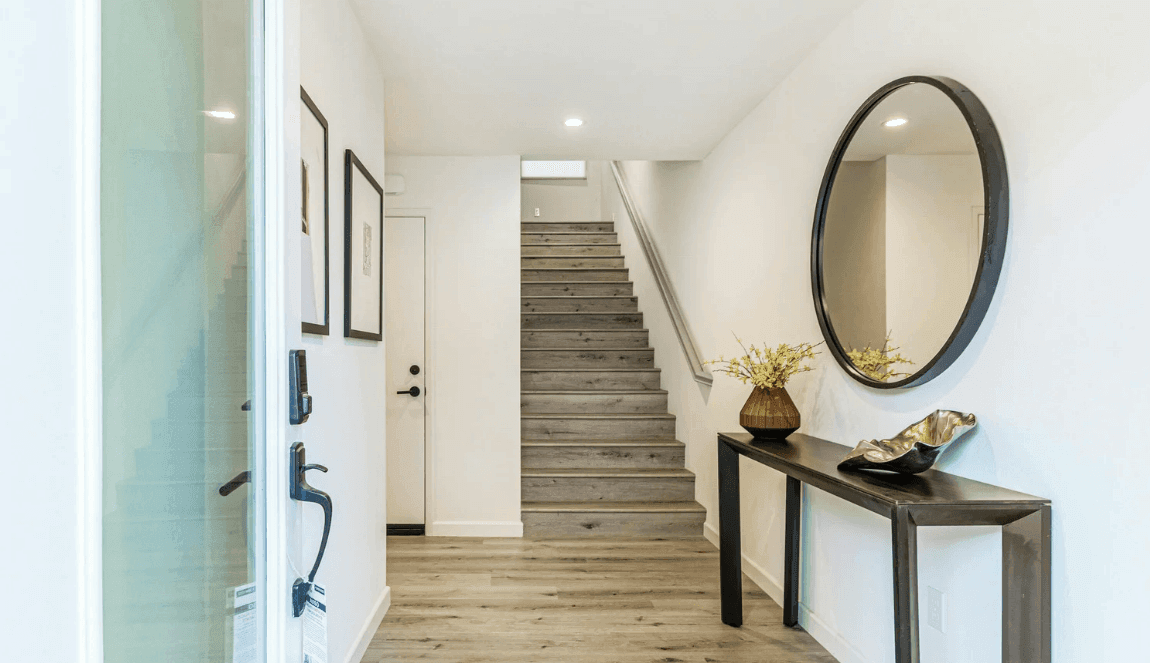
Most family clutter enters through one door. Bags, shoes, jackets, sports gear and mail all land on the nearest flat surface, and that surface is usually the kitchen counter. A dedicated drop zone near your most-used entry fixes this fast. It doesn’t need to be a full mudroom.
A wall of sturdy hooks at kid height, a bench with cubbies or baskets underneath, and a small tray or wall pocket for keys and mail can transform a busy entry. Give each family member their own hook and basket, and label them if that helps. Kids are far more likely to hang up a backpack when the hook is somewhere they can reach.
2. Store Things Where You Use Them
One of the simplest rules for a more functional home is to keep things close to where they’re used. Cleaning supplies belong near the mess they clean, craft supplies near the table where crafts happen, and towels near the bathroom rather than in a hall closet at the other end of the house.
Take a walk through your home and notice where you’re constantly carrying things back and forth. Often a single shelf, a rolling cart or a few drawer dividers in the right spot will save you dozens of trips a week.
When floor space is tight, look up and look underneath. Tall bookcases, wall-mounted shelves and hooks on the back of doors use space that would otherwise go to waste, while a storage ottoman, a bed with drawers underneath, or baskets tucked under the stairs can hide toys, blankets and spare linen. The best storage is easy enough for kids to use, so keep the things they reach for every day low and the occasional items up high.
3. Make the Kitchen Work for Everyone
The kitchen is the heart of most family homes, so small changes here pay off every day.
- Give kids a low drawer or shelf with their own plates, cups and snacks so they can help themselves and help set the table.
- Use pull-out drawers instead of deep cupboards where you can. It’s easier to see and reach what’s at the back, and nothing gets lost.
- Set up a homework or project spot at one end of the island or kitchen table, with a caddy of pencils, scissors and paper that can be tidied away in seconds.
- Plan a charging station so phones and tablets have a home that isn’t spread across every bench.
4. Choose Durable, Easy-Clean Finishes
Whenever you’re replacing something, choose finishes that can handle real family life. Washable paint in a satin or eggshell finish wipes clean far more easily than flat paint. Hard-wearing flooring in high-traffic zones, rounded edges on furniture and stain-resistant fabrics on the sofa will all save you stress.
This is also a good moment to think about safety: anti-tip straps for tall furniture, outlet covers for little ones, good lighting on stairs, and non-slip mats in wet areas are small, inexpensive steps that make a home calmer for everyone.
5. Build in Flexible Spaces
Families change quickly. The nursery becomes a playroom, the playroom becomes a teenager’s hangout, and the spare room becomes a home office. Rooms that can adapt will serve you for far longer than rooms designed for just one purpose. Simple ways to build in flexibility include:
- Furniture on casters that can be moved easily.
- A daybed or sleeper sofa that turns an office into a guest room.
- Wall-mounted shelving that can be adjusted as needs change.
- Sliding doors or curtains that can open a space up or close it off.
It’s also worth checking how people move through each room. Furniture that blocks the natural path from the door to the kitchen, or from the bedrooms to the bathroom, causes bumped shins and daily frustration, so aim to leave a clear walkway through the busiest rooms.
If one room does several jobs, such as a living area that doubles as a study corner, a rug, a shelf or the back of a sofa can mark out each zone without adding walls.
6. Give Everyone a Little Space of Their Own
Even in a smaller home, it helps when each person has one spot that feels like theirs. It might be a reading nook under the stairs, a desk in the corner of a bedroom, or a window seat with a basket of books. For parents, a small spot to sit with a coffee before the house wakes up can be just as valuable as an extra room.
7. Plan the Laundry Around Real Life
Laundry never stops in a family home, so make it as easy as possible. A folding surface, a hanging rail for clothes that can’t go in the dryer, and a sorting basket for each family member can cut the time spent on laundry noticeably. If your laundry space is cramped, a wall-mounted drying rack or a shelf above the machines can make a big difference.
8. Think Ahead When You Plan Bigger Changes
If you’re considering a renovation, an addition or even a new build, the most family-friendly decisions are often made on paper long before any work starts. From my years working as a builder, the families who end up happiest with their homes are usually the ones who thought hard about how they’ll live in the space in five or ten years, not just how they live today. A few questions worth asking early:
- Where will the noise go? Placing bedrooms away from the main living area makes a big difference when kids have different bedtimes or teenagers have friends over.
- Is there a bedroom and bathroom on the ground floor? This is useful for visiting grandparents, an injury, or simply ageing in place.
- Is there enough storage? Built-in storage is much easier to plan from the start than to add later.
- Can you see the yard from the kitchen? Being able to keep an eye on kids playing outside while you cook is something many parents value.
- Could the home support more than one generation? More families are choosing to live closer to grandparents or adult children while still keeping some independence.
That last question is becoming more common. Some families add a separate suite or an accessory dwelling, while others go further and look at building a duplex for multigenerational living, with two homes side by side on one lot, each with its own entry and kitchen. It isn’t the right fit for everyone, and what’s allowed depends on local planning rules, but for some families it offers the best of both worlds: close enough to help each other, with enough privacy to keep the peace.
9. Bring the Outdoors Closer
A functional family home makes it easy to get outside. A covered patio or deck that connects directly to the kitchen or living area gets used far more than a yard you have to walk around the house to reach. Add some shade, a durable outdoor rug, a bin for outdoor toys and a hose or tap close by for quick clean-ups.
10. Edit Regularly to Keep Your Home Functional
Finally, the most functional homes aren’t the ones with the most storage. They’re the ones where the family regularly lets go of what they don’t use. A quick seasonal clear-out of toys, clothes and kitchen gadgets keeps every other idea on this list working.
Start Small: Ways to Make Your Home More Functional Over Time
You don’t have to tackle everything at once. Pick the one spot in your home that causes the most daily frustration, whether that’s the entry, the kitchen or the laundry, and start there. Small changes add up quickly, and when the time comes for bigger projects, you’ll already have a clear picture of what your family really needs from your home.
0
Leave a Reply