If you’ve noticed your skin looking a little less firm lately, especially around your neck or jawline, you’re definitely not alone. For many moms, sagging skin becomes more noticeable over the years, and it’s not just about age. Everyday stress, sun exposure, and even weight changes from pregnancy or lifestyle shifts can play a big role.
The good news is, once you understand what’s really behind sagging skin, it’s easier to decide what’s worth your time and what’s not. Whether you’re running after toddlers or juggling work and home life, there are options that can help you feel more confident in your skin without harsh treatments or unrealistic fixes.
Let’s walk through the most common causes of sagging skin and what many women choose to do in response.
1. Collagen Loss and Structural Aging of the Skin
The most significant cause of sagging skin is the natural decline of collagen and elastin. These proteins provide structure, firmness, and elasticity. As production slows with age, skin becomes thinner and less able to support itself—especially in gravity-prone areas like the neck.
This leads to the following consequences:
- Loose or crepey skin.
- Reduced jawline definition.
- Sagging beneath the chin.
What people commonly do:
In early stages, individuals focus on preventative measures such as sun protection, skincare that supports collagen health, and lifestyle adjustments. However, when sagging becomes structural rather than surface-level, some people explore longer-term solutions that address skin support directly. This is why options like a facelift or neck lift in Beverly Hills are researched by individuals experiencing noticeable laxity in the respective areas.
The good news? Some reliable clinics, such as Sunder Plastic Surgery, help patients understand whether such procedures address the root cause rather than offering temporary improvement. This, ultimately, becomes a deciding factor in addressing skin laxity.
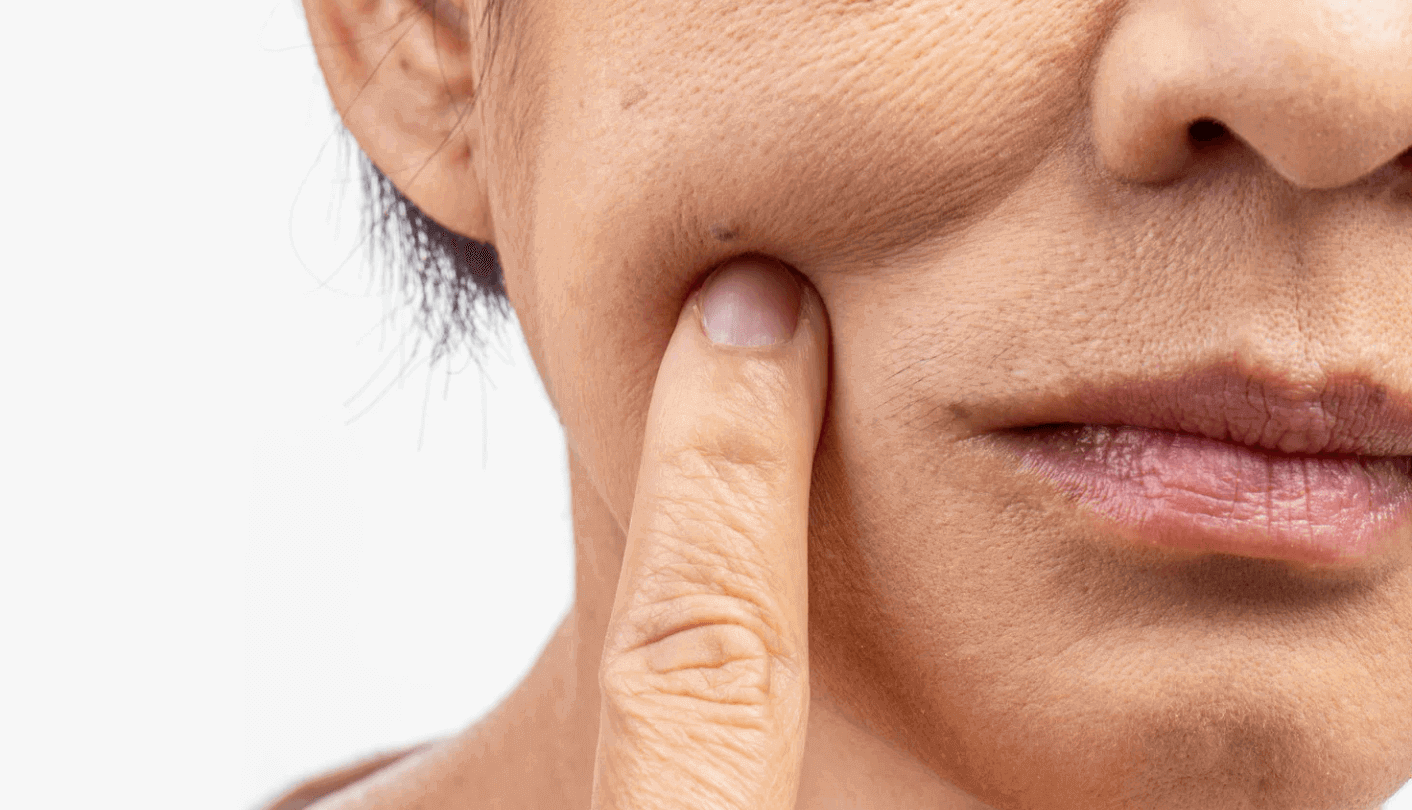
2. Gravity and Long-Term Environmental Exposure
Gravity constantly pulls skin downward, and over time, its effects become more visible. Environmental factors—especially sun exposure—accelerate collagen breakdown, making skin less resilient. The neck is particularly vulnerable because the skin there is thinner and often receives less protection.
Common contributors include:
- UV damage from prolonged sun exposure.
- Pollution and oxidative stress.
- Lack of consistent skincare below the jawline.
What people commonly do:
Many begin by improving daily habits: applying sunscreen to the neck, maintaining hydration, and using skincare products designed for firmness. These steps help slow further damage, but typically do not reverse sagging once it is established. When environmental damage combines with aging, people often seek professional guidance to understand which options are realistic for restoring definition.
3. Weight Fluctuations and Skin Stretching
Significant weight changes—whether loss or gain—can stretch skin beyond its ability to retract. Over time, this stretching weakens skin fibers, leading to loose or sagging areas that do not tighten naturally.
This is often seen as:
- Loose skin after weight loss.
- Sagging around the neck and jaw.
- Reduced skin elasticity.
What people commonly do:
Those experiencing sagging due to weight changes often try strength training and targeted skincare first. While muscle tone can improve underlying support, it does not always correct loose skin. When elasticity has been compromised, individuals may explore medical options that focus on tightening and reshaping skin structure rather than surface appearance alone.
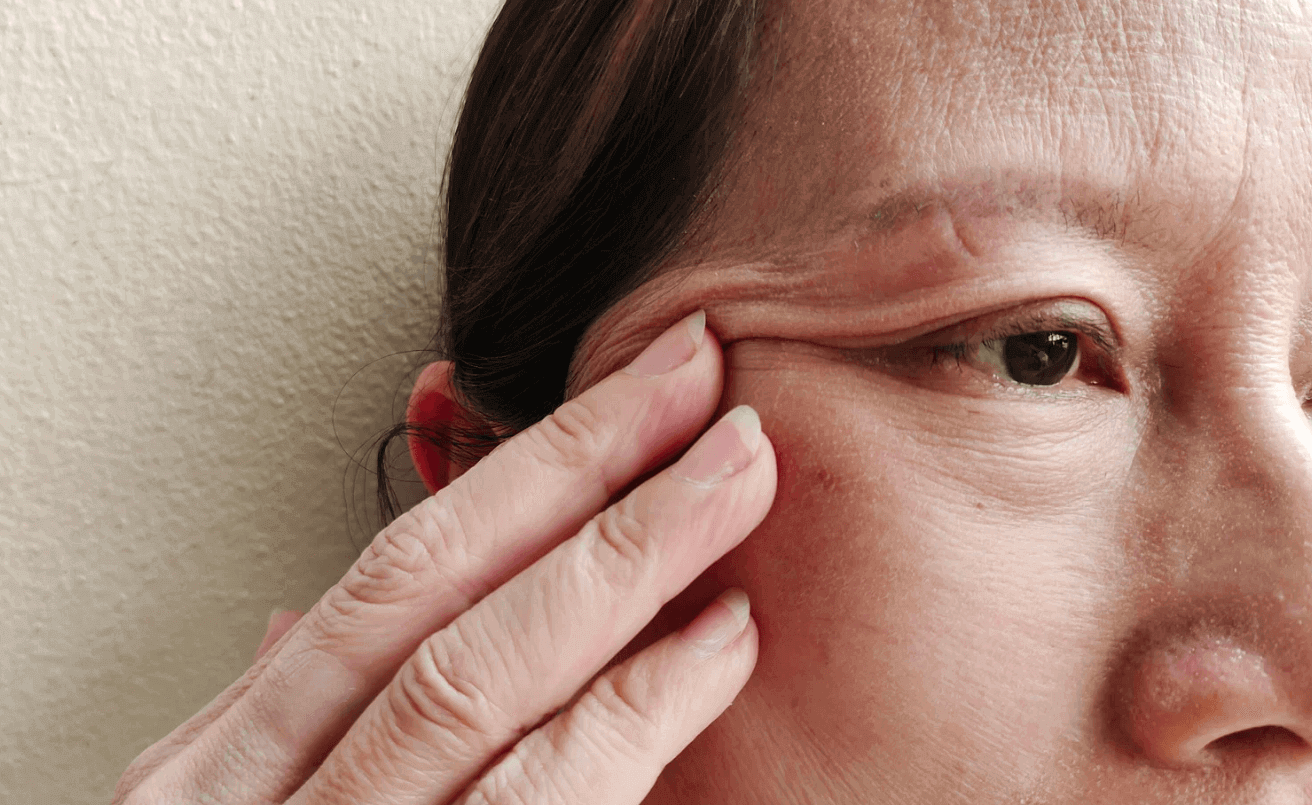
4. Genetics and Skin Quality Differences
Genetics plays a major role in how skin ages. Some people naturally have thinner skin, lower collagen density, or weaker connective tissue. This, in turn, makes them more prone to sagging—even at a younger age.
Genetic factors influence:
- How early does sagging appear?
- Where it becomes most noticeable.
- How skin responds to treatments.
What people commonly do:
Because genetics can not be changed, people focus on managing outcomes rather than preventing aging altogether. This often includes combining good skincare habits with professional evaluation to understand which approaches are effective for their specific skin type. For some, this means accepting gradual changes; for others, it means exploring corrective options once sagging begins affecting comfort or confidence.
To Sum It All Up!
At the end of the day, sagging skin happens for a mix of reasons, from natural aging and genetics to sun exposure and changes in weight. And while it’s a normal part of life, especially after motherhood, understanding what’s going on beneath the surface helps you take the right steps at the right time.
Whether you’re looking to slow things down with simple skincare habits or thinking about professional options in the future, the key is to make choices that feel realistic and right for your lifestyle. It’s not about chasing perfection. It’s about feeling good in your own skin and knowing you’re taking care of yourself just like you take care of everyone else.
0
Leave a Reply