If you’ve lived in Denver for more than a summer or two, you already know the drill. One week it’s snowing in May, the next you’re watering the lawn twice a day just to keep it from turning brown. Our climate is beautiful, but it’s not exactly forgiving, and that’s precisely why xeriscaping has become such a popular topic among homeowners here.
So what actually is xeriscaping? At its core, it’s a landscaping approach built around water efficiency. Instead of fighting Colorado’s dry climate with a thirsty Kentucky bluegrass lawn, xeriscaping works with it. You choose plants suited to our semi-arid conditions, group them by water needs, and design your yard so it thrives on the moisture nature actually provides rather than the moisture your sprinkler system desperately tries to supply.
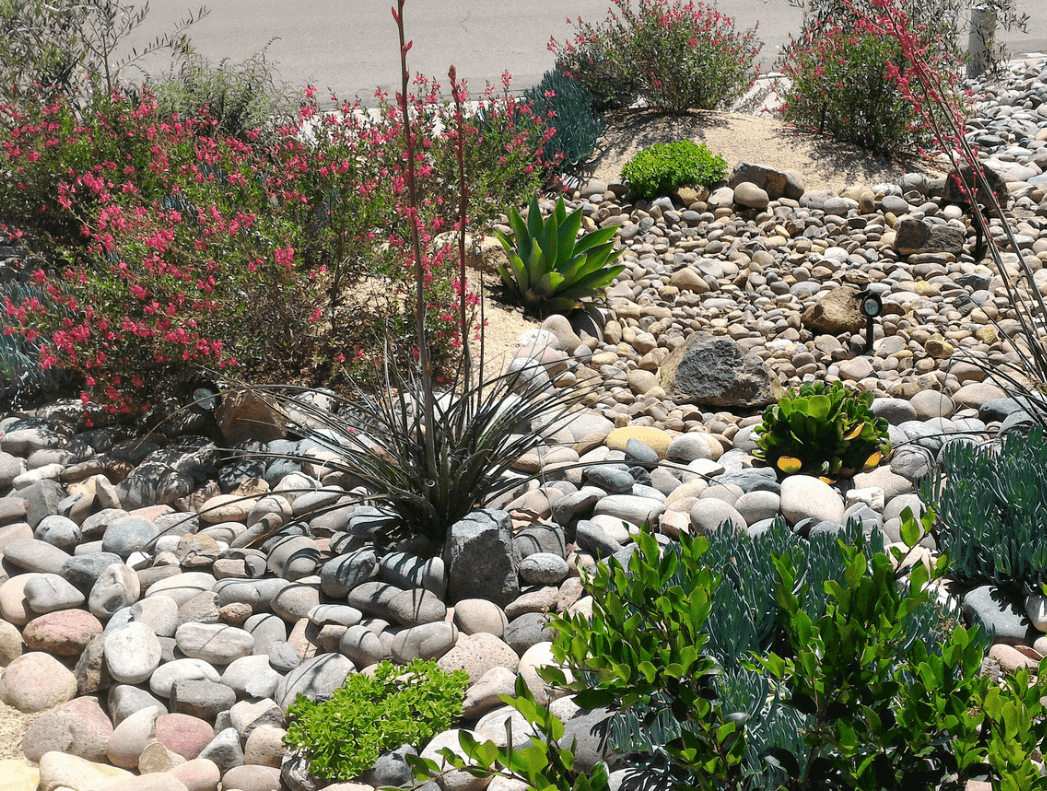
It’s Not Just Cactus and Gravel
Let’s clear up a common misconception right away. Xeriscaping does not mean turning your yard into a rock garden with a single sad cactus in the middle. That’s a stereotype, and a pretty unfair one. A well-designed xeriscape can be lush, colorful, and full of texture. Think ornamental grasses swaying in the breeze, penstemon blooming in shades of purple and red, and yarrow adding soft, feathery foliage throughout the summer.
The real principle behind xeriscaping is grouping plants by their water needs, a practice landscapers call hydrozoning. You put your thirstier plants (maybe a few vegetables or a small flower bed near the patio) in one zone, and your drought-tolerant natives in another. This way you’re not accidentally overwatering your yarrow just because it happens to sit next to a needier plant.
Why Denver Homeowners Are Making the Switch
There are a few solid reasons this approach has caught on so much around here. Water costs in Denver have crept up steadily over the years, and outdoor watering restrictions during dry summers aren’t exactly rare. A xeriscaped yard sidesteps a lot of that stress. Once established, drought-tolerant plants need a fraction of the water a traditional lawn demands, sometimes as little as 30 percent as much.
There’s also the maintenance side of things. Less water usually means less mowing, less fertilizing, and honestly, less time spent frustrated with a lawn that just won’t cooperate with our climate. Many homeowners find they get their weekends back once they’ve made the switch.
And let’s not forget the wildlife angle. Native and drought-adapted plants tend to attract pollinators like bees and butterflies far more than a manicured turf lawn ever will. If you’ve ever wanted more life buzzing around your backyard, this is one of the easiest ways to get it.
Building Your Xeriscape: Where to Start
Planning a xeriscape doesn’t require a landscape architecture degree, but it does help to think in layers. Start with your soil. Colorado clay soil is notorious for compacting and draining poorly, so amending it with compost before you plant anything makes a real difference. Skip this step and even the toughest drought-tolerant plants may struggle.
Next comes plant selection, which is honestly the fun part. Look for perennials and shrubs bred for Front Range conditions: Russian sage, blanket flower, sedum, and various ornamental grasses are all reliable performers. Trees matter too. A well-placed shade tree, like a hackberry or a Kentucky coffeetree, can lower the temperature around your home and cut down on how much water nearby plants need in the first place.
If you’re not sure where to begin sourcing the right varieties, use the internet to search for a local nursery that you can trust. For example, Denver homeowners can search for “plant nursery Denver” to find a great source for perennials, shrubs, and trees best suited to their specific yard, whether dealing with full sun, heavy shade, or that awkward strip along the driveway that never seems to get enough water. Local expertise matters a lot here, since plants that thrive in Phoenix or Southern California won’t necessarily survive a Denver winter.
Mulch deserves a mention too. A two- to three-inch layer of organic mulch around your plants locks in soil moisture, suppresses weeds, and slowly improves your soil as it breaks down. It’s a small step that pays off all season long.
Common Mistakes to Avoid
A few missteps tend to trip people up when they first try xeriscaping. Overcrowding plants is one: it feels efficient, but plants need room to establish healthy root systems, especially in their first year. Another is forgetting that “drought-tolerant” doesn’t mean “no water ever.” New plantings need regular watering for their first season or two while roots establish themselves. Skip that step and even the hardiest sedum can struggle to take hold.
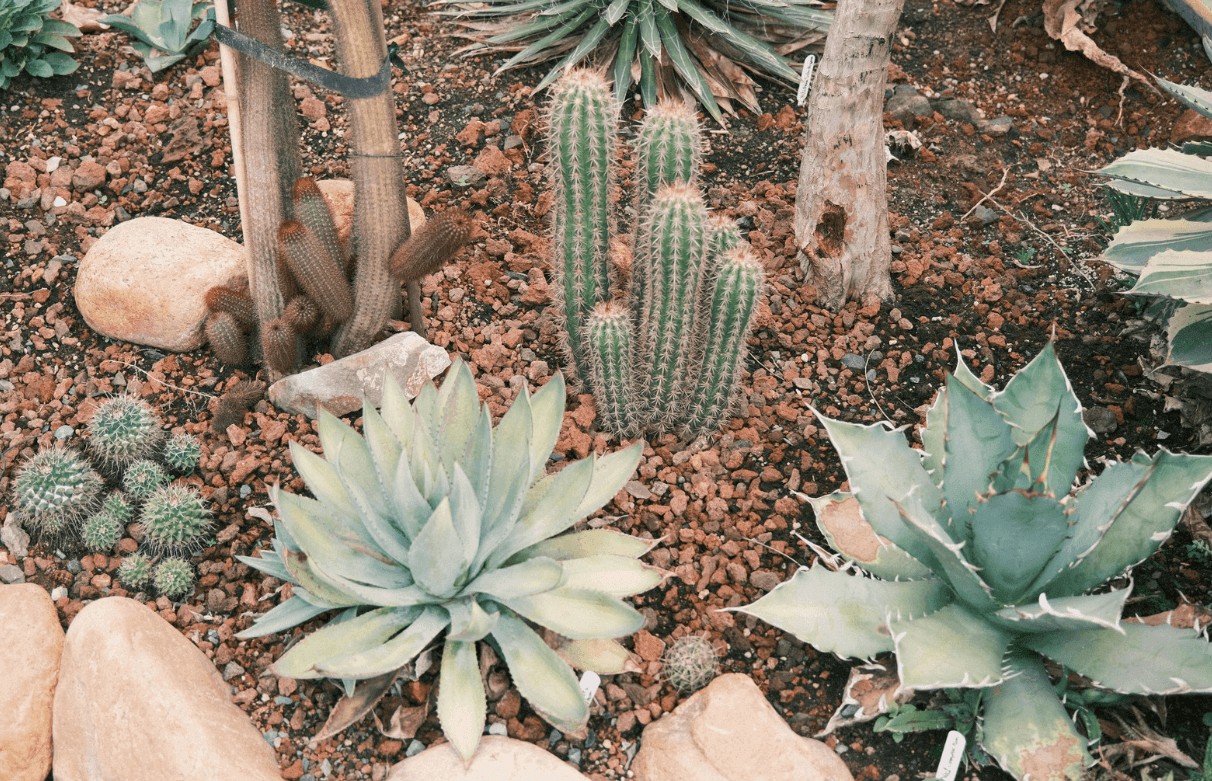
People also sometimes go overboard with hardscaping, covering huge sections of yard in gravel or stone. A little hardscape adds nice structure and breaks up the greenery, but too much just creates heat islands that bake your yard in July. Balance is everything.
Is Xeriscaping Right for Your Yard?
For most Denver homeowners, the answer is a pretty easy yes, at least for part of the yard. You don’t have to rip out your entire lawn overnight. Plenty of people start small, converting one water-hungry section at a time and expanding as they see how much easier their maintenance routine becomes. Give it a season or two, and there’s a good chance you’ll wonder why you didn’t start sooner.
0
Leave a Reply