Not every child enjoys being part of a big group. While some children love team sports, group activities, and friendly competition, others feel more comfortable doing things at their own pace. They might prefer spending an afternoon drawing, tending to a small garden, practising a new swimming skill, or learning how to use a bow and arrow.
Neither personality is better than the other. Children simply have different ways of exploring the world and building confidence.
For kids who prefer quieter activities, individual hobbies can offer something particularly valuable: the freedom to focus, experiment, make mistakes, and notice their own progress without constantly comparing themselves with others.
These activities aren’t necessarily solitary or disconnected from other people. Many involve teachers, instructors, family members, or other learners. The difference is that the child’s progress doesn’t always depend on keeping up with a team or competing for attention.
Here are a few reasons individual hobbies can be such a rewarding part of childhood.
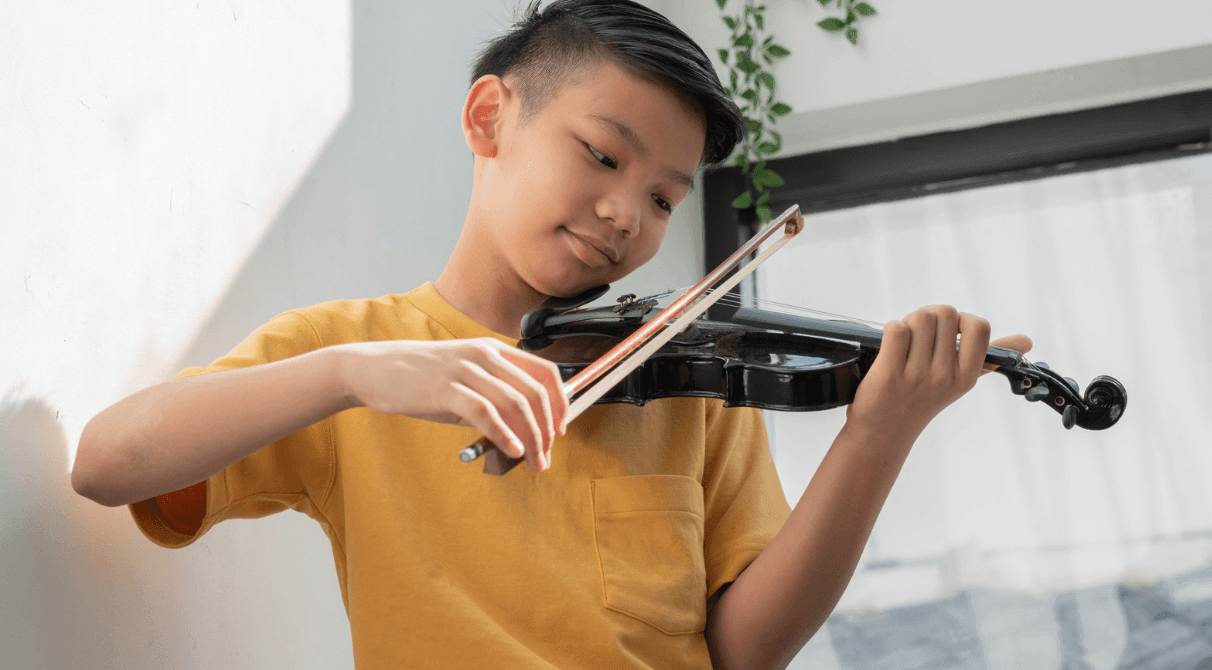
Not Every Child Wants to Be in the Spotlight
Some children are naturally comfortable performing in front of others, answering questions in a group, or competing during a game. Others need more time to feel comfortable participating.
A child who hesitates to join a team activity might happily spend an hour working on a drawing or figuring out how to grow a plant. That doesn’t mean they lack confidence or interest in learning. They may simply enjoy activities where they can concentrate without feeling watched.
Individual hobbies can give these children room to participate in a way that feels natural. They don’t have to worry about letting teammates down or being the first to finish. Instead, they can focus on the activity itself.
Parents can support this by noticing what naturally captures their child’s attention. Does your child enjoy building things? Do they like working with their hands? Are they happiest when they can move around outdoors or spend time creating something?
These little observations can help identify activities that feel enjoyable rather than overwhelming.
The Freedom to Learn at Their Own Pace
One of the biggest advantages of individual hobbies is that children can experience progress without constantly measuring themselves against someone else.
Think about a child learning to draw. They might spend several days practising how to sketch a simple animal. At first, the proportions may look unusual, and the details may not come together as expected. But they can erase, start again, and try a different approach without worrying about holding up a group.
The same is true for swimming. A child learning a new swimming skill may need several attempts before feeling comfortable with a particular movement. Having the opportunity to work through that challenge gradually can make learning feel less intimidating.
This kind of self-paced progress teaches children that improvement doesn’t have to happen all at once. They begin to recognize their own small achievements and understand that effort can lead to change.
Parents can reinforce this by celebrating progress rather than focusing only on the final result. A simple comment such as “You worked hard on that today” can mean more than telling a child how talented they are.
Archery Can Encourage Focus and Patience
Activities that require concentration, patience, and controlled movement can help children develop focus and self-discipline. Puzzles, model building, crafts, and balance-based games are all examples of activities that encourage these skills.
Archery is another example of how precision and concentration work together in a structured activity. Adults who explore archery as a new hobby may recognize how the activity emphasizes patience, consistency, and gradual improvement. These same principles can be applied to many age-appropriate childhood activities without involving specialized equipment or unnecessary safety risks.
For example, children can practise hand-eye coordination by tossing beanbags into baskets, improve their concentration through memory games, or develop patience by learning to draw, paint, or play a musical instrument. Gardening, building miniature models, and creating friendship bracelets also encourage children to follow instructions, pay attention to detail, and work toward a finished result.
Parents can encourage children to explore activities that match their age, interests, and abilities. Providing a supportive environment where children can experiment, make mistakes, and recognize their progress helps build confidence over time.
The goal is not simply to achieve a particular result. It is to learn how to slow down, pay attention, follow a process, and appreciate gradual improvement.
Drawing Gives Children Room to Express Themselves
Not every hobby needs a score, a target, or a measurable result. Drawing is a good example of an activity where children can explore their ideas without worrying about getting everything right.
Some children enjoy drawing familiar things, such as pets, houses, and family members. Others prefer creating imaginary characters, colorful patterns, or entire worlds from their imagination.
The beauty of drawing is that there are very few rules. Children can experiment with different materials, change their ideas halfway through, and discover what they enjoy creating.
It can also provide a quiet way to express feelings. A child who finds it difficult to explain a frustrating day might feel more comfortable drawing a picture or choosing colors that reflect their mood.
Parents don’t need to judge every drawing or turn it into a lesson. Providing paper, pencils, crayons, or paints and allowing children to explore freely can be enough.
A small space at home where art supplies are easy to reach can encourage children to return to creative activities whenever they feel interested.
Swimming Builds Confidence Through Small Achievements
Swimming is sometimes seen as a group activity, but many of the skills involved develop through individual practice.
A child might begin by becoming comfortable entering the water, then gradually work on floating, kicking, breathing, and moving through the pool. Each new skill can become a personal milestone.
For children who prefer a quieter learning environment, focusing on one skill at a time may feel more manageable than participating in activities where everyone is expected to move at the same pace.
Parents can make swimming experiences more positive by avoiding comparisons with other children. One child might feel comfortable putting their face in the water quickly, while another needs more time. Both can make progress.
Of course, swimming should always be approached with proper instruction and close adult supervision. Children should never be left alone in or near water, even if they have already learned basic swimming skills.
Gardening Teaches Patience in a Different Way
Gardening is another wonderful option for children who enjoy working independently. Unlike many activities where results are visible immediately, gardening requires patience.
A child might plant a few seeds, water them regularly, and wait days or weeks to see the first signs of growth. During that time, they can learn about sunlight, soil, watering, and the needs of different plants.
A small garden doesn’t require much space. A few pots on a balcony, a container near a sunny window, or a small patch in the backyard can provide plenty of opportunities to learn.
Children can take responsibility for simple tasks such as checking the soil, watering plants, removing dry leaves, and recording changes in a notebook.
Gardening also introduces an important lesson: not everything responds to effort immediately. Some seeds take longer to grow, and some plants may not survive. These experiences can help children develop patience and understand that setbacks are part of learning.
And when something finally blooms or produces a vegetable, the excitement comes from knowing they helped make it happen.
Individual Hobbies Can Still Create Social Connections
Choosing an individual hobby doesn’t mean a child has to spend all their time alone.
Many activities offer opportunities to connect with others without making group participation the main focus. A child who enjoys drawing might attend an art class and share ideas with other young artists. A gardening enthusiast could work alongside a parent or join a community planting activity.
Similarly, children interested in swimming or archery can learn with instructors and other beginners while still working toward personal goals.
These experiences allow children to develop social skills in a setting where they already feel comfortable. Conversations often happen naturally when children share an interest or work on similar projects.
For some kids, this can be an easier way to make connections than being expected to participate in a large, competitive group from the beginning.
How Parents Can Find the Right Fit
The best individual hobby is not necessarily the one that looks most impressive or offers the most opportunities for achievement. It is the one that gives a child a reason to feel curious and want to return.
Start by paying attention to what your child already enjoys. A child who likes nature might enjoy gardening, while someone who spends hours drawing or making things could be interested in crafts or painting. A child who enjoys physical challenges might prefer swimming, archery, cycling, or another activity that allows them to develop skills gradually.
It can also help to offer trial experiences before making a long-term commitment. A short introductory class or a simple activity at home gives children a chance to discover whether they enjoy something without feeling pressured to continue.
Once they find an activity they like, allow them some independence. Let them choose a small goal, decide what they want to work on, or share what they have learned. Parents can provide encouragement and guidance without taking control of every step.
Most importantly, don’t assume that a quiet child needs to be pushed into more competitive activities to become confident. Confidence can develop in many different environments.
Let Confidence Grow in Its Own Way
Every child deserves opportunities to discover what they enjoy, and those opportunities don’t have to look the same for everyone.
Some children find their confidence through teamwork and competition. Others develop it while painting, growing plants, practising swimming skills, or learning a new physical activity one step at a time.
Individual hobbies offer children room to explore their interests, recognize their progress, and become comfortable with challenges without unnecessary pressure.
The goal isn’t to make every child more outgoing or turn every hobby into an achievement. It is to give them space to discover what they enjoy and feel proud of what they can accomplish. Sometimes, the quietest activities create some of the strongest foundations for confidence.
0
Leave a Reply