• Skip to primary navigation
  • Skip to main content
  • Skip to primary sidebar
  • Skip to footer

Whipperberry

WhipperBerry • Your Home For Creative Inspiration

  • Home
  • Recipes
    • Starters
    • Easy Weeknight Dinners
    • Main Dish
    • Salads
    • Side Dish
    • Soups & Stews
    • Desserts
    • Breakfast
    • Miscellaneous
  • Tutorials
    • Creative Crafts
    • DIY Decor
    • Fabric Crafts
    • Food How-To
    • Jewlery
    • Paint Projects
    • Paper Art
    • Party Styling
    • Photography and Graphic Design
    • Silhouette
  • Holidays
    • Easter
    • Mother’s Day
    • Father’s Day
    • 4th of July
    • Halloween
    • Thanksgiving
    • Christmas
    • Valentine’s Day
  • Gift Ideas
    • Gifts For Everyone
    • Gifts for Dad
    • Mother’s day
    • For The Girls
    • For The Kids
    • Teacher Gift Ideas
    • Christmas
  • Printables
    • Holiday
    • Gift Idea
    • LDS Primary
  • Travel
  • About
    • Terms
  • Contact
  • Nav Social Menu

    • Facebook
    • Instagram
    • Pinterest
    • RSS
    • Twitter

Paint

Milk Paint vs Chalk Paint – What’s the Difference?

45 · Dec 30, 2022 · Leave a Comment

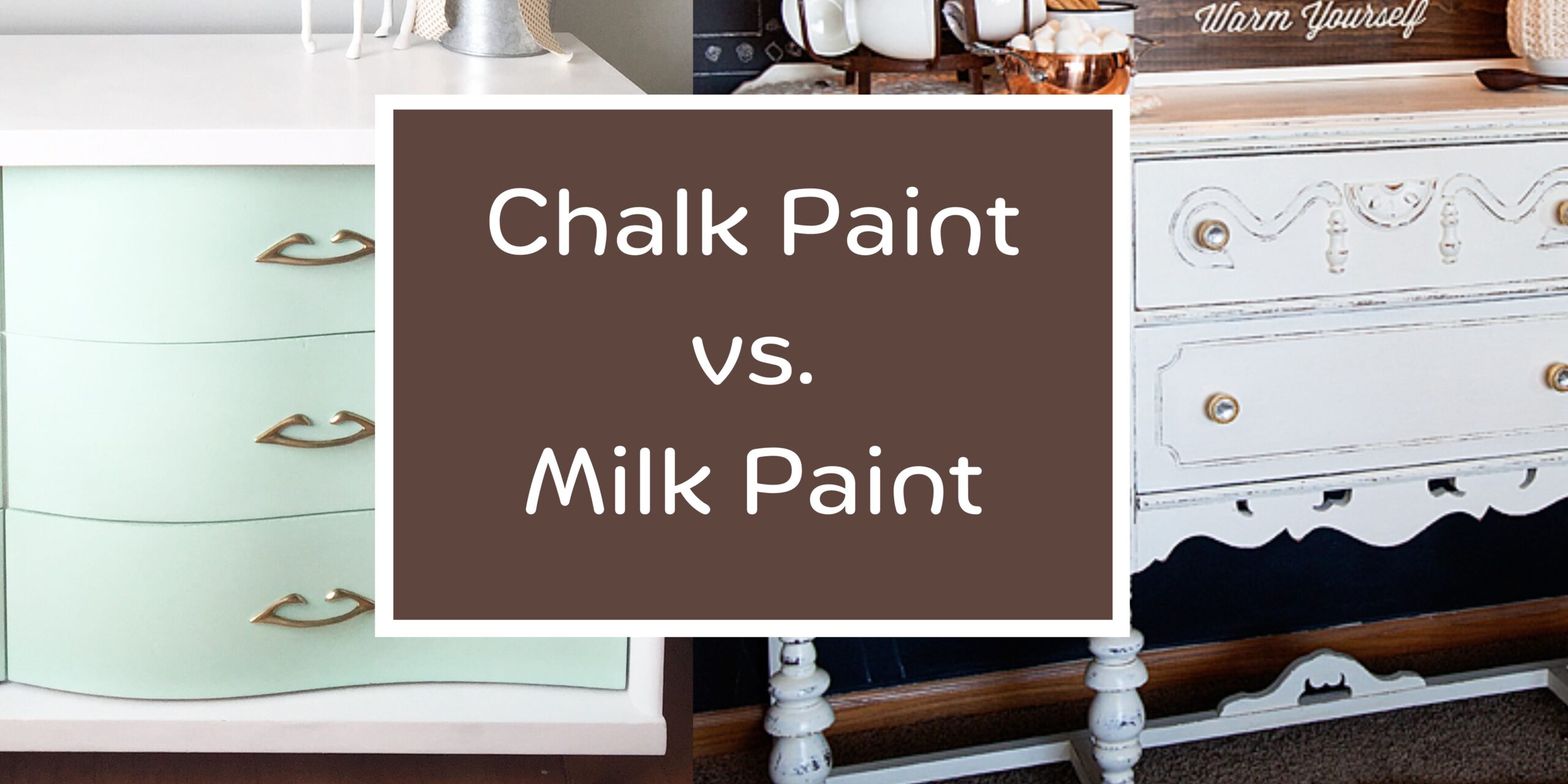
Milk paint and chalk paint seem very similar and it can be hard to tell the difference. I’m going to clear this up for you in the quickest way possible and also provide some more in-depth information for you.

If you’re a fan of the “farmhouse” or “country chic” home decor styles like me, you’ve undoubtedly noticed the trend of refinishing furniture and home accessories with colorful matte finish paints.

Chalk paint and milk paint are the two most popular products to achieve this look. One may be better than the other depending on what you’re painting. The best paint for cabinets may be different than the best paint for furniture.

Have you wondered what the difference is between these two paint products? They’re very similar but have some significant differences. 

Key Takeaways:

Chalk paint and milk paint are very similar but with a few key differences. However, milk paint can leave brush strokes and add texture. Chalk paint is thicker and covers textured surfaces better. Use milk paint if you want the outcome to look aged or rustic because it keeps textures. The brand I recommend is Rust-Oleum Milk Paint.

Get it Here

What Is Milk Paint?

Modern milk paint is still made with milk protein (casein). It is sold in a powdered form, instead of a ready-to-use liquid. To use it, you’ll need to mix the powder with an equal amount of water.

Then, you need to let the paint sit for a few minutes to allow any bubbles to dissolve. Freshly mixed milk paint might have a slight odor that is described as “milky” or even “grassy”, but the scent completely vanishes once the paint dries.

You shouldn’t mix up too much milk paint at one time, as it has a relatively short shelf life once mixed. It will only be good for a few days to a week if kept in a sealed container.

You can extend the shelf life a little bit by keeping your mixed paint in the refrigerator. The milk paint powder, however, should be good for years as long as it is kept dry.

Milk paint is one of the most environmentally friendly paints you can buy. It is water-based, non-toxic, and completely free of volatile organic compounds (VOCs).

It’s also easy to create custom colors with milk paints, as you can easily combine the different pigments and then mix them with water.

Milk paint is a little bit thinner than chalk paint, so it can be used as a “wash” to allow wood grain details to show. To achieve a smooth, opaque finish, two or even three coats (depending on your surface) are needed.

Fortunately, milk paint dries very quickly so it doesn’t take much time to cover something with multiple coats of paint. The end result is a mostly matte finish with a very slight velvety sheen.

Brief History of Milk Paint

Milk paint has been around in some form for literally thousands of years. In fact, when the ancient Egyptian tomb of King Tutankhamun was discovered in 1924, some of the artifacts recovered were found to have been painted with milk paint.

The earliest forms of milk paint were made simply of milk, lime, and natural pigments made from plants or minerals.

What Is Chalk Paint?

Chalk paint is a decorative paint first invented by designer Annie Sloan in 1990. In fact, the term “chalk paint” is a registered trademark for that company. Since 1990, many other paint companies have created their version of chalk paints.

Chalk paint is a water-based, non-toxic paint that dries to a smooth, completely matte, “chalky” finish. Once it dries, there is absolutely no sheen to it at all.

This finish is achieved by the addition of minerals to a basic paint formula. It’s a popular choice for anyone who wants to transform an old piece of wood furniture or to create a “distressed” appearance on an object.

Chalk-style paint is easy to apply and comes ready to use. Other than stirring it a bit like you would any other paint, you can paint with it as soon as you open the can.

It will adhere to just about any porous surface without the need for any sanding. If you want to use it on a shiny or varnished surface, a little bit of light sanding will help the paint stick. The coverage is smooth, and for many projects, only one or two coats of paint are needed.

Much like milk paint, chalk-style paint is very environmentally friendly. It is water-based, non-toxic, and has a very low amount of volatile organic compounds. Some brands of chalk-style paint have a low odor, but it disappears when the paint is dry. 

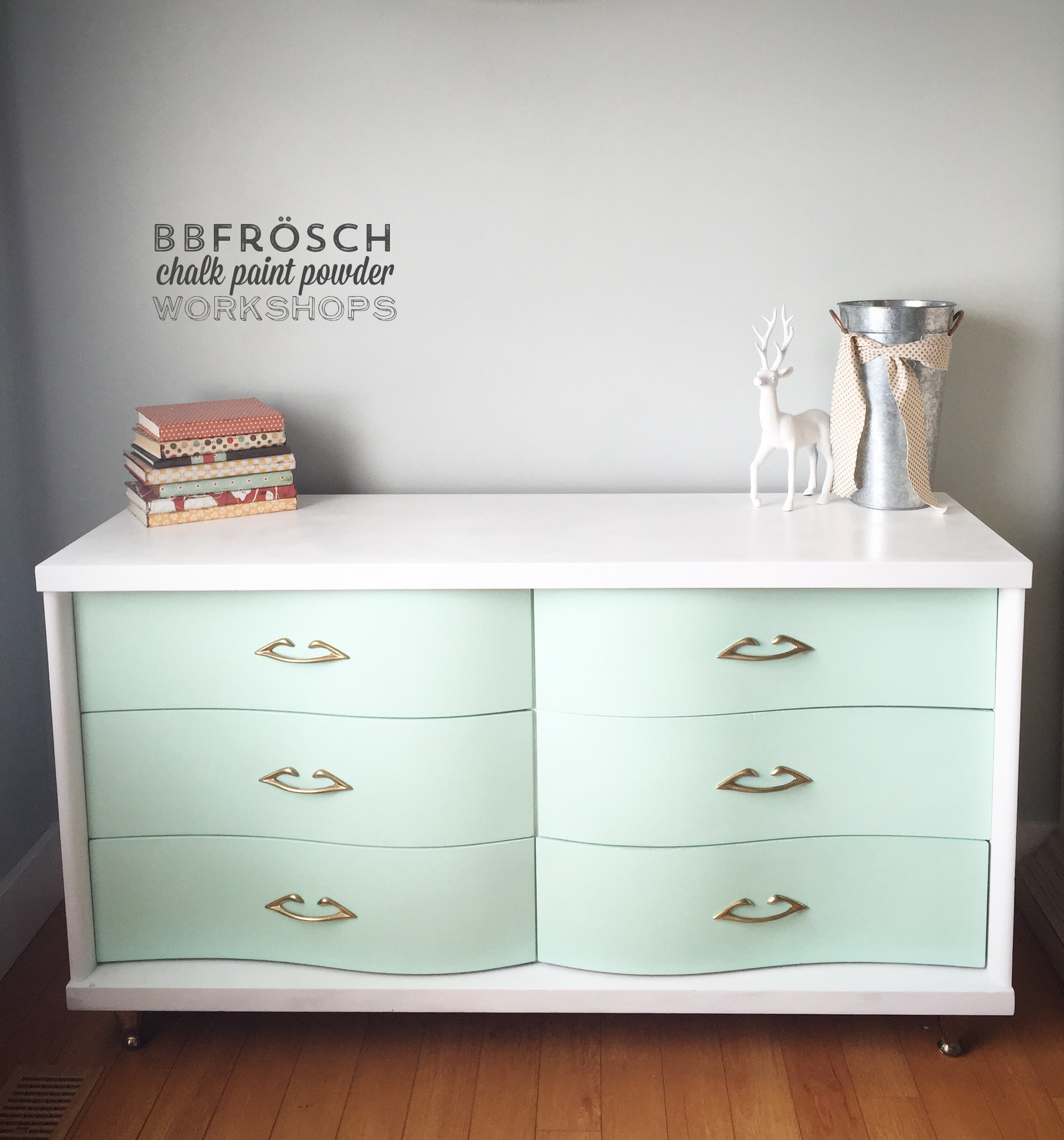
Something interesting is you can even make your own chalk paint. There are two ways to do it. One is with BB Frosch and the other is your own homemade chalk paint recipe.

Uses For Milk Paint

Milk paint adheres to just about any porous surface. If you want to paint something that has a shiny surface, or wood with varnish on it, just lightly sand it and the milk paint should adhere with no problem.

Milk paint is a great choice for furniture, glass, and metal pieces. It is more difficult to get a distressed look on furniture than when using chalk-style paint, but it’s durable enough that you don’t necessarily have to use a finish coat with it.

Milk paint is also a good paint to use for cabinet doors, wood trim and framework, or even interior walls in your home. It holds up well to any piece that will be touched frequently.

Because milk paint is thinner than chalk paint, you’ll need to use at least two coats if you want opaque coverage. A single coat of milk paint will be semi-transparent and can be a lovely way to highlight wood grain and textures. 

Is Milk Paint Durable?

Milk paint is incredibly durable. The casein proteins and lime in the paint dry to form an impressively hard bond to whatever surface they’re in contact with.

Once you complete painting something with milk paint, the finish will stay vibrant for years. It shouldn’t chip (unless you purposely distress it) and the colors won’t fade significantly over time.

It’s a great choice if you want a matte finish on surfaces that will be touched quite a bit.

Usually, it isn’t necessary to apply any top coat to surfaces painted with milk paint, but if you want a top coat, an oil-based product such as tung oil is preferable to a finishing wax. Be sure to let the paint dry for at least 24 hours before finishing with any oil products.

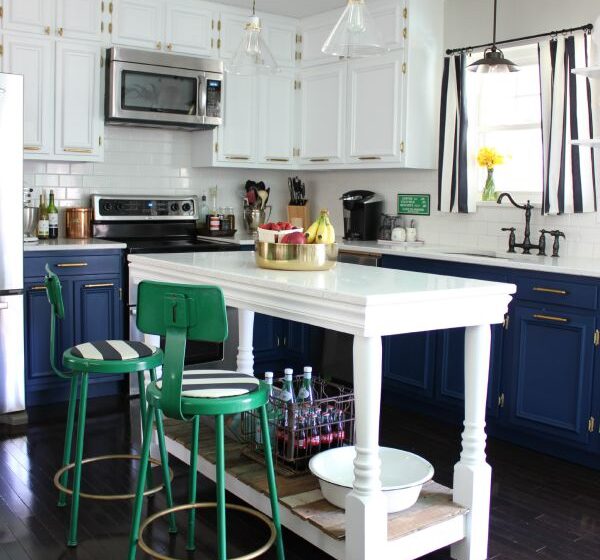
Milk Paint vs Chalk Paint On Kitchen Cabinets

Both milk paint and chalk paint can make your kitchen cabinets look great. If your kitchen has a “farmhouse chic” decorating theme, either of these paints will look fabulous.

However, milk paint has a slight advantage over chalk-style paint if you’re going to paint your cabinets. That advantage comes down to the durability of milk paint. 

Chalk paint on cabinets will look great at first, but it won’t be long before it will start to show some wear and tear. If you choose to use chalk-style paints on cabinet doors, you will definitely need to apply a finishing wax top coat.

This will help your chalk-style paint last longer, but your paint job won’t look quite as perfectly matte on the surface. Even with a wax top coat, the wax will periodically need to be refreshed.

Milk paint is a better choice for cabinet doors. You’ll still have a mostly matte finish with just a slight sheen, but you’ll also have increased durability. Since cabinet doors are something that will frequently be moved and touched, you need paint that can handle a lot of use. 

Milk Paint vs Chalk Paint For Furniture

Deciding whether to use milk paint or chalk-style paint on a piece of furniture really depends on what you want your finished piece to look like. Both paints are good choices for transforming wood furniture into eye-catching vintage-style pieces.

Because milk paint is thinner than chalk-style paint, you can use one or two coats to give furniture a “washed” appearance. This is a good way to highlight any piece with attractive wood grain. If you want a more opaque finish, you can apply more coats of milk paint, allowing time to dry between each coat.

Because milk paint is so highly durable, you can get away with not needing a sealant over your paint. The paint will last for years and the colors stay beautifully vibrant.

It’s possible to get a “distressed” or “chippy” look with milk paint, but it takes a little more work than with chalk-style paint. Because milk paint dries to such a hard finish, it’s more challenging to sand or chip it away.

Try sanding your furniture before the milk paint is fully dry to make it easier.

Chalk-style paint, on the other hand, distresses beautifully with just a bit of light sanding. It’s easy to bring out carved details or wood grain when using chalk-style paints. Chalk paint also goes on smoothly, with even coverage. However, if your painted furniture will be something that gets touched a lot, you will need to apply a wax sealant coat over chalk-style paint to protect it. 

Milk Paint Brands

There are several brands of milk paint available. Some may be better than others so make sure to read the descriptions. I wrote a full post about the best milk paints already but here are some of the most popular brands:

Real Milk Paint Co

The Real Milk Paint Co. has an impressive selection of over 50 colors. It dries quickly and has no odor once dried. It is made of 100% organic materials. It’s easy to mix to a smooth consistency and doesn’t need any primer for most surfaces. However, this gets a bad rep online and I wouldn’t recommend this one.

Rust-Oleum Milk Paint

Rust-Oleum is one of the most popular brands of milk paint. It is also one of the highest-rated. If I had to suggest only one brand of milk paint, this is the one I recommend. It may be priced slightly higher than others but I believe it’s worth it.

Get it Here

Miss Mustard Seed

Miss Mustard Seed’s Milkpaint is another brand with a large selection of colors and non-toxicity. Miss Mustard Seed also produces additives for its milk paint, such as an anti-foaming additive for smooth mixing and hemp seed oil as an eco-friendly finishing product.

Old Fashioned Brand Milk Paint

Old Fashioned Brand Milk Paint has a slightly small selection of colors, but they are especially vibrant. Like other brands, this paint is non-toxic and safe for use on children’s furniture and toys. Old Fashioned Brand is made in small batches, using all-natural earth pigments.

Is Milk Paint Or Chalk Paint Cheaper?

The three brands of milk paint mentioned above range in price from approximately $23 to $28 for enough powder to mix one pint of paint.  Depending on the brand, chalk paints range in price from approximately $16 to $28 for the same amount of paint. While it may seem there’s not a huge difference in price, milk paint might be a better value in the long term. Because the powdered form of milk paint can last for years, you can mix as small a quantity as you need for your project and not have to worry about having wasted leftover paint.

Which is Right for You?

In summary, milk paint and chalk paint are both great but for slightly different purposes. Determining which is right for you is completely dependent on the project and the look you’re going for. Have a look around the website to get some ideas for chalk paint and milk paint projects.

The Best Spray Paints for Glass

30 · Aug 9, 2022 · Leave a Comment

Somewhere in your home, probably in the back of a cupboard or on a shelf in your garage, is a small collection of interestingly shaped jars, bottles, and vases.

They’re too nice to throw away, but they don’t get much use because they don’t seem to go with your decor. Fortunately, just a little bit of spray paint can transform ordinary glass objects into pretty and stylish home accessories.

Can You Spray Paint Glass?

Spray paint might not be the first idea that comes to mind when thinking of ways to transform plain glass items. Because glass is so smooth, it can be tricky to get spray paint applied evenly, without a lot of drips and smears.

It’s not impossible though. Using the proper spray paints and techniques is key to achieving the prettiest results.

What Spray Paint Sticks to Glass?

Because glass is so smooth, some paints will stick to it better than others. Enamel or acrylic-based paints will give you the best finish and are less likely to drip or run. It’s always a good idea to read the labels on any spray paint to see what surfaces it will adhere to. 

Technically, you can use any spray paint for glass projects. Check the label on any spray paint you want to use to make sure it is appropriate for glass.

If it doesn’t specifically say it will work on glass, you might be able to use it if you spray a primer coat first.

There are many excellent spray primers on the market.  However, there are plenty of fun spray paints available that are specifically made for painting glass!

These paints won’t require buying separate primers and are formulated for the best possible adhesion and finish on smooth glass surfaces.

Different Spray Paints for Different Results

There are so many spray paints formulated for glass. You can use them to easily transform ordinary glass pieces into eye-catching accessories. Krylon and Rustoleum are the two major spray paint brands that produce a variety of paint suitable for use on glass.

For solid, glossy colors you can’t go wrong with Rustoleum brand Universal Gloss spray paint. It comes in a variety of vibrant colors with a super glossy finish.

If you want to transform a piece to look like vintage milk glass, the white color of Rustoleum Universal Gloss will give you the results you’re looking for! The color sprays on evenly, partly because this paint has a good built-in primer.

It’s really easy to use, too. The can has an ergonomic nozzle that fits nicely in one’s hand, and reduces the chance of the paint dripping or running.

If you want jewel-toned translucent colors, you should try Krylon Stained Glass Spray Paint. It’s available in a variety of colors, and is made especially for glass. You can decide the intensity of the color you want simply by how many coats you apply.

One or two coats will give you a nice pastel finish, while three to five coats produce a pretty jewel-toned effect. No matter how many coats of this spray paint you apply, the final product will be translucent like a beautiful piece of stained glass.

Both Krylon and Rustoleum brands have a Frosted Glass spray paint. These paints will leave whatever you’re painting with a semi-transparent “frosted” finish. Light will still filter through any glass piece painted with this paint, but it will be softened.

You can use stencils with this paint to create the look of etched glass. Frosted Glass spray paint isn’t just for decorative pieces. It can also be used to create a little extra privacy on windows, such as in a bathroom or home office.

If you like the frosted glass finish but would also like some color, Krylon brand has a line of Sea Glass finish spray paint in eight eye-catching shades. This paint dries to a semi-translucent, frosted finish that resembles pieces of sea glass you might find on a beach. Much like with the frosted glass spray paint, you can use stencils with this paint for an eye-catching, dramatic effect.

If you like the “farmhouse” or “cottage core” aesthetic for your home decorating, using chalk paint on glass can make adorable accent pieces. Both Krylon and Rustoleum sell a line of chalk finish spray paint with a good selection of colors.

Chalk finish paint transforms ordinary glass jars or bottles into distinctive home decor items. A light rub with fine sandpaper creates a “distressed” look, which looks especially nice on glass pieces that have raised designs on them.

Since chalk finish paint does have a tendency to chip after some time, you might consider lightly spraying anything you’ve painted with a matte finish top coat.

You can use metallic finish spray paint to transform jars and plain vases into pretty accents that are perfect for parties, holiday decorations, or even wedding receptions.

There are several brands of metallic finish spray paint that work for painting glass objects.

They’re available not only in gold and silver colors but also steel, gunmetal, copper, and rose gold. It’s amazing how a coating of metallic paint can make something as simple as an empty jar look chic and trendy. Metallic finish paints usually need at least three to four coats to get the best finish.

Is Spray Paint Dishwasher Safe?

It is not recommended to put any spray-painted glass pieces in the dishwasher. After a few washings, they may begin to chip. Some spray paints, especially chalk finish and metallic paints, might react to the sudden temperature changes in a dishwasher.

The best way to wash any spray-painted pieces is by gentle hand washing in warm soapy water.

Is Spray Paint Safe For Dishes and Drinking Glasses?

Many spray paints are labeled as being “non-toxic”. However, being non-toxic is not the same as being food-safe. You shouldn’t spray paint any surface that will come in contact with food or drink. If you have a large glass bowl you wanted to paint, for example, you could spray paint the outside of the bowl but leave the inside surface where you would place food unpainted. 

Spray Painting Tips

Before painting any piece of glass, you need to make sure it’s absolutely clean. Remove any labels and the adhesive residue from those labels. Wash the glass with soap and warm water, being sure to rinse well.

After it’s dry, wipe it down again with some diluted rubbing alcohol or white vinegar, and then rinse. Dry your glass with a lint-free towel. You want to be absolutely sure there isn’t any stray lint or fuzz on it. You might not see a speck or two of fuzz left on your glass piece, but it will show up when you spray paint. Don’t use window cleaning spray.

Many window cleaning products contain ammonia. Even the slightest leftover ammonia residue on your piece will cause the spray paint to run or bubble. 

When using any spray paint, it’s important to be in a well-ventilated area or outdoors. Before painting your piece, make a few “test sprays” on a large piece of cardboard just to make sure the paint sprays out evenly.

Light, thin coats of spray paint are best; this will ensure the paint coverage is without streaks or drips, and it will last longer. Be sure to let your spray painted piece dry thoroughly between coats.

While your spray painted pieces are drying, make sure they’re in a spot that will be free of dust and wind. This is especially important if your painted pieces are drying outside. You don’t want to have spray-painted objects outside drying on very windy days. Don’t forget to lay down a tarp or drop cloth to protect the ground or your table from paint overspray!

You can use painters’ tape to make stripes, or shapes cut out of contact paper, on any glass surface.

Then spray with paint to create fun designs. If you have access to a cutting machine such as a Cricut, you can design and cut stencils to personalize your spray painted glass art. Frosted and Sea Glass finish spray paints look especially nice when used with stencils

Spray painting on glass is a fun, easy hobby. It’s also very affordable. The various glass spray paints are not very expensive. Clear glass candlesticks, bowls, and vases can be found at yard sales, thrift shops, and discount stores. 

You can paint empty glass food jars and bottles to create pretty accents for your home or office. Crafting with empty bottles and jars is not only affordable, but it keeps these items out of landfills.

You can buy clear glass Christmas ornaments at discount stores and spray paint them to match your holiday decorating theme; an easy way to achieve a designer look for pennies! 

Now look around your house and your garage for glass pieces that might be fun to paint! Even the most unassuming old bottle can be transformed into a designer looking vase with a little spray paint and imagination!

How to Make Puffy Paint – Easy Homemade Recipes

10 · Jul 15, 2022 · Leave a Comment


What is puffy paint? It’s exactly what it sounds like; paint that is puffy! Also known as dimensional paint, it is a brightly colored, thick paint that dries to a spongy, puffy finish.

It’s easy and inexpensive to make your own puffy paint. It’s a fun activity you can do with children, and the ingredients are materials that you likely already have in your home.

Jump to Recipe

What Are the Ingredients for DIY Puffy Paint 

The ingredients for puffy paint can vary slightly depending on the recipe you’re using, but at the most simple you’ll need three basic things: shaving cream, white glue, and food coloring. 

You don’t even have to use specific brands. Inexpensive supplies you can get at the dollar store will work just fine.

Other items that are useful to have are disposable cups or bowls to mix the paints, popsicle sticks, plastic squeeze bottles and/or zip-close plastic bags, paintbrushes, heavy paper or card stock, and a dropcloth or cover to protect your work surface.

Ok Let’s Make it!

No matter which puffy paint recipe your try, it’s a good idea to get your materials together and prepare your work area.

You’ll want to put something down to protect your table. Puffy paints are heavier than regular liquid paints, and the food color can stain some surfaces.

Disposable plastic tablecloths or even a shower curtain liner from any discount store works great for this.

Puffy Paint for Kids

If you’re working with little kids, it’s always a good idea to have them wear a “paint shirt” or apron to protect their clothing.

Puffy paint should easily wash out of most clothing, but it’s never a bad idea to wear something that is okay to get a little messy.

Disposable cups or bowls, made of either paper or plastic, are handy for mixing the paint. You can use cheap plastic bowls, but again, food coloring and certain paints can stain some plastics.

If you don’t want to use your kitchen measuring cups for this project, just measure out the desired amount of water into a disposable cup.

Use a marker to make a line showing the top of the water. Then write the measurement amount at the line, and discard the water. Now you can use this cup to measure out the correct amount of glue, shaving cream, etc.

Popsicle sticks or disposable chopsticks are great for mixing, as well as for using as a paintbrush. You can use paintbrushes with puffy paint, but if you want to make the artwork as puffy as possible it might be easier to dab it on with a stick.

Zip-close plastic bags or any small plastic container that has a lid are useful to store any leftover puffy paint.

Unused puffy paint will only last for approximately 3-5 days for best results, so don’t mix too much at one time.

Puffy paint recipes that contain flour will last a few days longer than the recipe that is mostly white glue and shaving cream.

Puffy paints work best on light card stock or heavy paper such as watercolor paper. Even paper plates can be a fun painting surface.

Puffy paints are heavier than water-based paints, and won’t stay nice and puffy on regular drawing paper.

Lastly, keep a roll of paper towels handy, just in case!

Homemade Puffy Paint With Shaving Cream

This method is the easiest way to make puffy paint, using only three common ingredients.

You will need:

  • 1/4 cup white glue 
  • 1/4 cup shaving cream (any brand, just make sure it is the foamy kind, not shaving gel)
  • Food colorings

Here’s how to mix it

Pour the white glue and shaving cream into a small bowl and use a stick to thoroughly mix them together.

Take your time and don’t mix them too fast. You don’t want to “deflate” the shaving cream.  Once they’re mixed together, add the food coloring and stir it in.

For fairly vibrant colors try 10-12 drops, to begin with, then add a couple drops more if you want more color. Mix up a few colors, and get ready to have some fun.

Now it’s time to paint! 

With this recipe, it’s easiest to use a popsicle stick or a paintbrush with wide fairly stiff bristles. The should dollop the paint on your paper or cardstock, instead of trying to brush it on as you would with traditional paints.

To avoid having to continually clean a paintbrush while working, keep one stick or brush in each color while painting.

Once your painting is done, it needs to dry overnight. With this recipe, the paint will flatten a little bit as it dries, so pile the puffy paint up nice and fluffy.

The colors will look a little darker once they’re dried, so if you want a pastel look on your painting, mix your paint color a little bit lighter than you’d like.

DIY Puffy Paint With Acrylic Paint

This recipe won’t be quite as puffy as using shaving cream, but the results are still puffy and colorful. One advantage of this recipe is that the finished work will be harder than the shaving cream based paint after it is fully dried.

You will need:

  • 2 tablespoons of salt
  • 2 tablespoons of all-purpose flour
  • Acrylic paint
  • Water

Here’s how to mix it:

Mix the salt and flour in a small cup. You could even use a small whisk to make sure they’re completely mixed up.

Then add a little bit of acrylic paint, and stir. Add some more paint if you’d like until you get the desired color. The mixture will be the consistency of a thick paste at this point. Add a teaspoon or two of water, and mix that in. If you need more water, add it just a little bit at a time. Mix this together, adding more water and/or paint, until the paint is smooth and the consistency of cake frosting.

It’s important to use acrylic paint for this recipe. Watercolor paints aren’t pigmented enough, and are too watery.

Oil-based paints will cause the puffy paint to separate.

You don’t need to use expensive paint; any cheap acrylic craft paint will work great for this. Just for fun, experiment with using acrylic paints with metallic or pearlized finishes!

This paint is much thicker than the shaving cream recipe.

While you can certainly dollop it on with a stick or paintbrush, it might be easier to transfer the paint into a plastic squeeze bottle or zip-close plastic bag.

If you’re using the plastic bag, move all the paint to the bottom of the bag, and snip off one corner of the bag.

Now it can be used like a pastry piping bag. You can pipe the paint onto your paper directly from a squeeze bottle, or squeeze it out of the plastic bag like you’re decorating a cake.

You’ll need to let your artwork dry overnight on a flat surface. With this recipe, the colors should stay pretty true to however you mixed them. The salt in this recipe adds a little bit of texture and sparkle to the finished piece. 

Extra Big Homemade Puffy Paint

This recipe is a bit of a hybrid between the two prior recipes. For best results, you should use the squeeze bottle or plastic bag method to pipe the paint out instead of using a paintbrush. The end results of this recipe hold their puffy shape beautifully. This recipe makes a larger batch, that can be divided among several cups to make different colors of paint.

You will need:

  • 3/4 cup of shaving cream
  • 1/4 cup of white glue 
  • 1/4 cup of all purpose flour
  • Food coloring

Here’s how to mix it:

With this recipe, the order and method you use to mix the ingredients are important. First, mix the shaving cream and white glue together.

Then, add the all-purpose flour just a couple of spoonfuls at a time, fully mixing each spoonful in before adding more.

Next, add your food coloring, several drops at a time, until you get the shade you want.

If the paint seems too thick, add a little water to get it to a more usable consistency. Don’t add more than one tablespoon of water in total, though.

If you add too much water, the result will flatten the paint a little bit and the dried texture won’t be as hard.

Now you can transfer the paint to a squeeze bottle or plastic bag, and have fun painting! You can use a popsicle stick or paintbrush with this paint, but because it’s so thick the piping method is easier and more precise. Let your finished piece dry on a flat surface overnight. 

How Long Does it Last?

Puffy paint really works best if you use it as soon as you make it. If you have leftover puffy paint, it can be stored in an airtight container, or in a sealed zip-closure bag.

The first recipe using shaving cream, white glue, and food coloring will only last a couple of days before it becomes gummy and unusable.

The recipes that include all-purpose flour as one of the ingredients will last a bit longer.

Tips and Ideas

Puffy paint is easy to make and fun to use, both for adults and small children. Here are a few useful tips on using homemade puffy paint.

Puffy paint does work best on heavy paper or card stock. Using it on regular drawing paper can cause the paper to wrinkle and warp.

Card stock comes in a variety of colors, which can make your colored paint look even more vibrant. Brightly colored puffy paint designs on black or dark blue backgrounds are especially eye-catching.

You can use either liquid or gel food coloring to tint your paint. Gel food coloring will give you more vibrant colors, and you won’t need to use as much.

Liquid food coloring will take more drops to get the shade you want, but you have a little more control over the shade of color you’re trying to create.

Both liquid and gel food colors will produce great results, so have fun playing around with them!

Puffy paint can be used for a variety of art projects. It’s not limited to painting on paper! Try painting designs on smooth rocks.

Decorate empty glass jars and bottles to make pretty storage items.

Painting with puffy paint on clear Christmas ornaments is a great activity for kids, and they can be given as holiday gifts. You can even decorate plastic Easter eggs with puffy paint.

How to Clean Up Your Puffy Paint

Accidents happen, and that usually means some kind of mess that will need to be cleaned up. Fortunately, homemade puffy paint cleans up easily from most surfaces. 

Warm, soapy water should be enough to clean up most messes.

Having a disposable plastic tablecloth over your work surface is the most efficient way to keep puffy paint from getting on your table.

If you do have a spill that leaves food color residue on your table a magic eraser cleaning sponge does a great job! Another method for cleaning up faint stains is to make a paste with cool water and baking soda. 

Spread it on the soiled area and leave it for a minute or so. Then lightly scrub the area with a sponge, and rinse it clean. The baking soda paste works well to get any faint food coloring residue from your hands, too. 

If puffy paint gets on your clothes, in most cases you can let it dry and then just pick it off.

Then launder as you regularly would. Paint brushes can be cleaned with hot water and mild dish detergent. Clean brushes promptly after use, especially if you’ve used them with puffy paint that contains glue as one of the ingredients.

It is recommended to use disposable plastic or paper cups to mix your puffy paint. If you do use non-disposable containers, keep them exclusively for crafting needs, and not for food storage.

How to Make Puffy Paint
Print Pin

Puffy Paint Recipe

This fun and easy 3-ingredient puffy paint recipe is sure to be a hit!
Prep Time 5 minutes minutes
Total Time 5 minutes minutes

Ingredients

  • 1/4 Cup White glue
  • 1/4 Cup Shaving Cream (Any Brand)
  • 12 Drops Food Coloring

Notes

Pour the white glue and shaving cream into a small bowl and use a stick to thoroughly mix them together. Take your time and don’t mix them too fast. You don’t want to “deflate” the shaving cream. Once they’re mixed together, add the food coloring and stir it in. For fairly vibrant colors try 10-12 drops, to begin with, then add a couple drops more if you want more color. Mix up a few colors, and get ready to have some fun.


DIY Pearlized Wood Bead Star Ornament

1 · Nov 16, 2018 · 1 Comment

I love wood beads, it’s a classic trend that I can fully embrace and not feel like it’s going to go out of style anytime soon.  Plus, you don’t have to worry about them breaking which is an added bonus as well. This year for the Michaels Dream Tree Challenge I made a large wood bead star for the top of my tree and I fell in LOVE with my new star. Then I thought it would be fun to use some DecoArt Americana Decor Matte Metallic paint to pearlized some wood beads to make a smaller wood bead star ornament for my Christmas tree. As promised in my Instagram story, I also made a video for how to make the star. Let me show you how EASY it is!

+ This post sponsored by DecoArt+How to make a classic pearlized wood bead star ornament for Christmas decorating or for Hanukkah • WhipperBerry

Over the years I’ve fallen more and more in love with making my own Christmas ornaments. It really does add more of a story to your Christmas celebration. If they are ornaments that the whole family can make together, even better. This project can be a bit messy, however, if planned for that’s not a bit deal. It would be great fun for kiddos of all ages to play around with the paint and string some “pearls” during a cozy winter activity together. Here is what you’ll need to make the pearlized wood bead ornament.

Pearlized Wood Bead Ornament Supplies

How to make a classic pearlized wood bead star ornament for Christmas decorating or for Hanukkah • WhipperBerry

  • raw wood beads 
  • Americana Decor Matte Metallic paint – Ivory Pearl
  • string
  • scissors
  • aluminum foil
  • ribbon
  • large needle
  • hot gun
  • hot glue stick

Instructions

You guys, this project can be some messy fun if you’d like OR, you can keep it nice and neat. Either way, it’s a fun project to work on with the family. The first thing you’ll need to do is create your “pearls.”

How to make a classic pearlized wood bead star ornament for Christmas decorating or for Hanukkah • WhipperBerry

To do that, you’ll need to line a dish with aluminum foil and then pour a small amount of paint into your lined paint tray.

How to make a classic pearlized wood bead star ornament for Christmas decorating or for Hanukkah • WhipperBerry How to make a classic pearlized wood bead star ornament for Christmas decorating or for Hanukkah • WhipperBerry

This is the fun part… rather than laboriously painting each and every bead (there are 30.) You will just dump them into the tray of paint.

How to make a classic pearlized wood bead star ornament for Christmas decorating or for Hanukkah • WhipperBerry

How to make a classic pearlized wood bead star ornament for Christmas decorating or for Hanukkah • WhipperBerry

The paint is a little think so you can move them around by moving the tray a bit but, you most likely either need to use your fingers or a tool to spin the beads around in the paint to cover the surface of the bead.

How to make a classic pearlized wood bead star ornament for Christmas decorating or for Hanukkah • WhipperBerry

For this project, I’m using an upholstery needle to string the beads so I used that to move the beads around a bit and then resorted to my fingers. 😉

Next, I threaded the string on my needle and strung the beads onto the string so that they could dry without resting on a surface.

How to make a classic pearlized wood bead star ornament for Christmas decorating or for Hanukkah • WhipperBerry

How to make a classic pearlized wood bead star ornament for Christmas decorating or for Hanukkah • WhipperBerry

How to make a classic pearlized wood bead star ornament for Christmas decorating or for Hanukkah • WhipperBerry

Now, this part can get a little messy, make sure your surface is protected with foil or some other material to cover your surface. Once all of the beads are on the string, you will want to hang it from something you have around the house, even taping it between two soda boxes will work.

How to make a classic pearlized wood bead star ornament for Christmas decorating or for Hanukkah • WhipperBerry

Now, you will need to touch up any bald spots and then let them dry for a couple of hours. Halfway through, when the beads are dry to the touch, pull them apart so that the paint dries between the beads. Once they are dry, you’re ready to make your star. As promised, I created a video to show you how.

How cool is that? So EASY, right? Go grab your supplies and have these ready to go for when you have downtime next week during your Thanksgiving celebration. The family will love it AND, they’ll look fabulous on your tree!!

How to make a classic pearlized wood bead star ornament for Christmas decorating or for Hanukkah • WhipperBerry

  • « Go to Previous Page
  • Page 1
  • Page 2
  • Page 3
  • Page 4
  • Interim pages omitted …
  • Page 17
  • Go to Next Page »

Primary Sidebar

Heather from Whipperberry
Hello... my name is Heather and I'm the creator of WhipperBerry a creative lifestyle blog packed full of great recipes and creative ideas for your home and family. I find I am happiest when I'm living a creative life and I love to share what I've been up to along the way... Come explore, my hope is that you'll leave inspired!

Footer

  • Privacy Policy
  • Crafts
  • Food
  • Gifts
  • Holidays
  • Home
  • Mom Life
  • Recipes
  • Travel

Copyright © 2026 · Seasoned Pro