• Skip to primary navigation
  • Skip to main content
  • Skip to primary sidebar
  • Skip to footer

Whipperberry

WhipperBerry • Your Home For Creative Inspiration

  • Home
  • Recipes
    • Starters
    • Easy Weeknight Dinners
    • Main Dish
    • Salads
    • Side Dish
    • Soups & Stews
    • Desserts
    • Breakfast
    • Miscellaneous
  • Tutorials
    • Creative Crafts
    • DIY Decor
    • Fabric Crafts
    • Food How-To
    • Jewlery
    • Paint Projects
    • Paper Art
    • Party Styling
    • Photography and Graphic Design
    • Silhouette
  • Holidays
    • Easter
    • Mother’s Day
    • Father’s Day
    • 4th of July
    • Halloween
    • Thanksgiving
    • Christmas
    • Valentine’s Day
  • Gift Ideas
    • Gifts For Everyone
    • Gifts for Dad
    • Mother’s day
    • For The Girls
    • For The Kids
    • Teacher Gift Ideas
    • Christmas
  • Printables
    • Holiday
    • Gift Idea
    • LDS Primary
  • Travel
  • About
    • Terms
  • Contact
  • Nav Social Menu

    • Facebook
    • Instagram
    • Pinterest
    • RSS
    • Twitter

Health & Wellness

Back on Your Feet: A Mom’s Approach to Healing and Preventing Diabetic Foot Ulcers

0 · Aug 19, 2025 · Leave a Comment

As a mom, I know how much we’re always on our feet. Whether it’s chasing little ones, running errands, or exploring new places together as a family. That’s why I’ve come to appreciate just how important foot health really is, especially for those managing diabetes. Diabetic foot ulcers can be a serious challenge, but with the right care and attention, healing is possible. And when that healing happens, it means you can get back to the joy of walking, traveling, and creating everyday memories with the people you love.

Understanding Diabetic Foot Ulcers

Diabetic foot ulcers typically occur on the ball of the foot or the bottom of the big toe. They may start as a small blister or callus, but can quickly progress into a deep, open wound.

Common causes include:

  • Poor blood sugar control
  • Wearing shoes that don’t fit well
  • Foot shape issues like bunions or hammertoes

Seeking Professional Treatment

If you notice any signs of a foot ulcer, such as drainage, redness, swelling, or pain, it’s crucial to seek treatment right away. Your primary care doctor or a specialist at a diabetic foot and wound center can assess the severity of your ulcer and develop a personalized treatment plan. This may include cleaning and dressing the wound, taking antibiotics to prevent infection, and using special footwear or devices to offload pressure.

Two men discussing diabetic foot ulcer prevention at a desk

How to Take Care of Your Feet at Home

Good foot care can help you heal faster and prevent future ulcers. Here’s what you can do daily:

  • Check your feet: Look for cuts, blisters, or color changes
  • Keep feet clean: Wash with warm water and mild soap
  • Dry completely: Especially between the toes
  • Moisturize: But avoid putting lotion between toes
  • Manage blood sugar: Stick to your diet, meds, and exercise plan

Choose the Right Shoes for Diabetic Feet

Wearing proper shoes is key to both healing and prevention. Look for:

  • A wide toe box
  • Soft insoles for support and cushioning
  • No seams inside that can rub
  • Always wear clean, dry socks
  • Never go barefoot—even inside

Your doctor may recommend inserts or custom orthotics to reduce pressure points.

Staying Active and Mobile

While it’s important to rest and avoid putting weight on your affected foot, staying active is still beneficial for your overall health and diabetes management. Talk to your doctor or physical therapist about safe exercises you can do, such as swimming, cycling, or chair exercises. As your ulcer heals, gradually increase your activity level and incorporate low-impact activities like walking or yoga.

People running on street to promote foot health

Monitoring Progress and Preventing Recurrence

Healing a diabetic foot ulcer takes time and patience. Keep all of your follow-up appointments and follow your treatment plan closely. Once your ulcer has healed, continue to practice good foot care habits and watch for any signs of new ulcers. Regular check-ups with your doctor or podiatrist can help catch any issues early and prevent complications.

Staying Positive and Proactive

Managing a diabetic foot ulcer can be challenging, but with the right care and support, you can get back on your feet and enjoy an active, healthy life. Don’t hesitate to reach out to your healthcare team, family, and friends for guidance and encouragement. By staying positive, proactive, and committed to your treatment plan, you can successfully heal your foot ulcer and prevent future complications.

Conclusion

Caring for yourself while managing diabetes isn’t always easy, but it’s worth every step. With mindful daily habits and the right medical support, it’s possible to heal and keep moving forward. As moms, we know how small, steady actions like packing lunches, encouraging little hands with crafts, or saving up for a family trip can add up to something meaningful. Healing your feet is the same: with consistency and love for yourself, you’ll get back to walking, exploring, and fully enjoying the life you’re building.

How I Finally Lost Belly Fat Naturally (and Got My Waist Back)

0 · Jun 26, 2025 · Leave a Comment

Creativity has always been part of my life. I love cozy projects, family photos, and making things with my daughters. But not long ago, something else became just as important. I was determined to lose weight, especially around my belly. I couldn’t stop thinking about the waist I had as a teenager.

Why It’s So Hard for Women to Lose Weight

To be honest, I started getting a little jealous of my husband. He’d clean up his eating for a week or two, and suddenly his stomach would flatten out. Meanwhile, I was over here meal-prepping and stretching every morning with zero visible progress.

So I started doing what I always do when I hit a wall: I got curious. And it turns out, there’s a reason this feels harder for us.

Men naturally have higher levels of testosterone, which makes it easier for them to burn fat. Their hormones are wired to build muscle and shed weight quickly. Women, especially as they age, often experience the opposite. Our hormones shift, metabolism slows, and it becomes incredibly difficult to lose fat, especially around the waist.

But here’s what encouraged me. There are ways to even the playing field. And one of the key factors is something I had barely heard about: growth hormone.

What I Learned About Hormonal Support

As we age, our levels of growth hormone slowly drop. That matters more than I realized. Growth hormone helps with fat burning, especially belly fat, and also supports muscle tone and even energy levels. In short, it’s the hormone that helps us feel youthful and strong.

I started reading stories from women who shared their HGH before and after results. The transformations weren’t just about appearance. They talked about feeling more energetic, sleeping better, and finally regaining their shape. But I wasn’t ready to jump into injections or medications. That didn’t feel right for me.

So I focused on one question: How can I support my body’s natural hormone balance without anything extreme?

Here’s what worked for me.

A Smarter Way of Eating

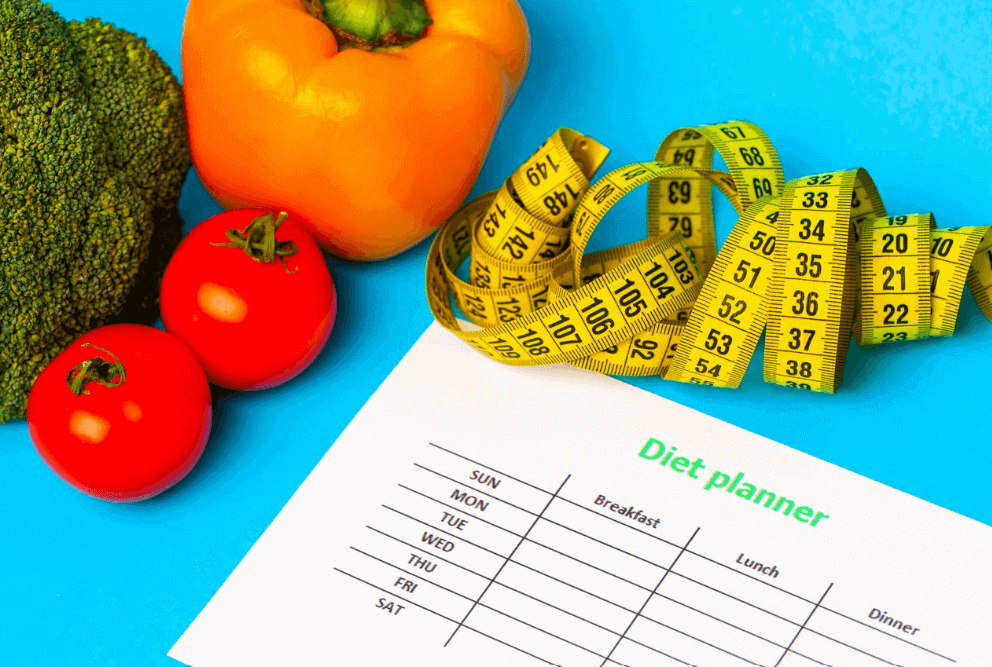
One of the first things I learned was that blood sugar balance plays a major role in hormone production. When blood sugar stays high all the time, fat burning slows down. But when it’s steady, especially overnight, your body has a chance to recover. That’s where the idea of a low-carb or keto-style diet came in. I had tried full keto once before, but it didn’t work well for me. I felt tired, cranky, and honestly missed vegetables too much.

So I created my version, a soft approach that’s low in sugar but full of nutrients. I started loading my meals with non-starchy veggies like leafy greens, cauliflower, and zucchini. I added healthy fats like avocado and olive oil, and I included small portions of beans or roasted carrots when I felt I needed them.

The result: My cravings went down, my energy went up, and I started noticing a little less puffiness around my waistline within the first two weeks.

Protein Became My Best Friend

The next thing I changed was my protein. I used to think that as long as I had some chicken on my salad, I was good. But once I started prioritizing protein at every meal, things started shifting.

Protein helps our bodies create the amino acids needed for hormone balance. I started adding eggs at breakfast, grilled fish at lunch, and sometimes a protein smoothie in the afternoon. I even started using a scoop of whey protein in my morning smoothie when I didn’t feel like cooking.

I felt more full, had fewer sugar cravings, and, as a bonus, started noticing more definition in my arms and waist. It felt like my body was finally responding the way I had hoped for so long.

Movement That Fits My Life

I also changed how I moved. I used to think more cardio meant more results, but I was exhausted. Now I focus on gentle movement that feels good. I walk every morning, stretch at night, and throw in a bit of strength training a few times a week with light weights or bodyweight exercises.

Most of it happens in my living room while my girls are coloring at the table or helping me build a new shelf for their room. Some days, we even dance together while cleaning up our DIY messes, and honestly, that counts.

My Results (and Why I’m Not Obsessing Over the Scale)

I didn’t lose 20 pounds in a month, and I’m okay with that. What I did lose was the tight, uncomfortable feeling in my clothes. The bloating. The frustration every time I looked in the mirror. Little by little, my waist came back. I even wore a dress that had been sitting in the back of my closet for two years, and I felt beautiful in it. I felt like myself again. More than anything, I felt in control. I stopped chasing quick fixes and started working with my body instead of fighting against it.

Tips for Other Moms Who Feel Stuck

If you’re like me and belly fat has become your biggest frustration, here are a few things that helped:

  • Keep meals simple and low in sugar. Focus on real food and lots of vegetables.
  • Add more protein. It supports hormones and keeps you full.
  • Get consistent sleep. Even just an extra 30 minutes makes a difference.
  • Move daily, even gently. Walks, stretching, and light strength training work wonders.
  • Learn about your hormones. If you’re not feeling well, talk to your doctor.

Final Thoughts

I didn’t go on a drastic plan or give up everything I love. I still bake with my daughters. I still enjoy pasta nights. I still do crafts, photography, and weekend projects. The difference now is that I feel better doing it all.

Losing belly fat wasn’t just about how I look. It was about how I live, with more energy, more confidence, and more joy in every part of my day.

If you’ve been feeling stuck and nothing seems to work, don’t give up. You don’t need extreme diets or complicated programs. Sometimes the key is understanding your body, supporting your hormones naturally, and giving yourself the patience to go slow and steady.

Your waistline doesn’t define you. But if getting it back helps you feel stronger, happier, and more creative again, it’s worth the effort.

How to Build a Healthier Family Routine This Season: Tips for Wellness and Bonding

0 · May 12, 2025 · Leave a Comment

As the seasons change, it’s the perfect time to reassess our family routines and make healthier choices. We all want our families to thrive, and with a few simple adjustments, we can create an environment that promotes well-being. From meal planning to active play, small changes can lead to big results.

In this article, we’ll explore practical tips and strategies to help us build a healthier family routine this season. Simple changes like improving sleep setups with comfortable rotating beds can support better rest and contribute to an overall healthier routine.

Whether it’s incorporating more nutritious foods or establishing family fitness activities, we can transform our daily lives together. Let’s embrace this opportunity to strengthen our family bonds while prioritizing our health.

Understanding the Importance of a Family Routine

Establishing a family routine significantly enhances overall wellness. By prioritizing routines, we can foster healthier habits and create an environment where everyone thrives.

Benefits for Physical Health

A consistent family routine supports physical health by promoting regular meal times and physical activity. Cooking together as a family encourages healthy eating and helps us maintain portion control. Dietitians recommend balanced meals rich in nutrients.

Incorporating outdoor activities like walking or biking strengthens family bonds while improving cardiovascular fitness. Tracking our fitness achievements together can motivate us to stay active, making it easier to adhere to our health goals.

build a healthier family routine

Benefits for Mental Well-being

Establishing a family routine positively impacts mental well-being by providing structure and stability. Regular family meals create opportunities for communication, allowing us to share experiences and support each other.

Additionally, predictable activities reduce anxiety, as everyone knows what to expect from day to day. Engaging in shared hobbies or playtime enhances emotional connections, boosting our collective mood. Families that incorporate these elements often report lower stress levels and improved overall happiness.

Assessing Your Current Family Routine

We evaluate our current family routines to identify areas for improvement. This assessment helps us understand where we can make healthy changes that promote well-being and strengthen our bonds.

Identifying Areas for Improvement

We recognize potential shortcomings by reviewing meal habits, physical activity levels, and screen time. For instance, setting regular family meal times can improve nutrition, while increasing outdoor playtime enhances fitness.

Consulting resources can provide tailored advice for dietary adjustments. Just as selecting the right cup size bikini ensures a better, more comfortable fit, understanding each family member’s preferences and routines creates a comprehensive overview that highlights opportunities for healthier choices.

Involving the Whole Family

We include everyone in the assessment process to ensure everyone feels valued. Family discussions help gather input on preferences and goals. For example, we can decide as a unit to try cooking new healthy recipes together or schedule weekly family outings focused on physical activities. Encouraging input fosters a sense of ownership in lifestyle changes, ultimately leading to a stronger commitment to our healthier family routine.

Strategies for Building a Healthier Family Routine

To build a healthier family routine, we focus on physical activity, nutritious meals, and quality family time. Small changes can create lasting effects on our overall health.

Incorporating Physical Activity

Integrating regular physical activity into our routine promotes fitness and well-being. We can schedule daily exercise sessions, like family walks or biking adventures, to make movement enjoyable. Engaging in outdoor activities helps us connect with nature while improving our fitness levels.

Activities such as hiking or playing sports can bring excitement and fun to our family’s routine. The Centers for Disease Control and Prevention recommends at least 150 minutes of moderate-intensity exercise per week for adults and 60 minutes for children, ensuring everyone stays active.

Planning Nutritious Meals

Planning nutritious meals strengthens our family’s health. We can involve the entire family in meal prepping, encouraging everyone to participate in selecting and preparing healthy foods. We can focus on incorporating fresh fruits, vegetables, whole grains, and lean proteins into our meals, ensuring balanced nutrition for all.

Setting aside specific times during the week for grocery shopping and cooking fosters consistency and helps us maintain healthy eating habits. For an added boost, detox supplements from Thornhill’s Pharmacy can support the body’s natural cleansing processes, but they work best alongside a nutrient‑rich diet.

Tips for wellness

Prioritizing Quality Family Time

Prioritizing quality family time strengthens our bonds, enhances emotional well-being, and supports healthier habits. We can set weekly family nights dedicated to activities like board games, movie nights, or cooking together. Engaging in shared hobbies fosters connection and communication, allowing us to explore interests collectively.

Consistently scheduling this time helps reinforce the importance of family relationships, providing support and a sense of belonging. By making family time a priority, we create lasting memories while nurturing our overall health.

Seasonal Considerations for Your Routine

Seasonal changes significantly impact family routines, making it essential to adapt activities and habits accordingly.

Adapting to Weather Changes

We can embrace weather changes by adjusting outdoor activities. During colder months, we can get creative with indoor exercise, such as setting up obstacle courses or group workouts.

In warmer months, outdoor playtime not only promotes fitness but also offers exposure to sunlight, crucial for vitamin D. Regularly checking local weather forecasts helps us plan active family outings, maintaining consistency in our routine regardless of shifting conditions.

Seasonal Activities and Health Tips

Engaging in seasonal activities enhances our family routine and supports overall health. We can explore autumn hiking trails or set up a winter sports day focused on skiing or snowboarding. In spring, gardening can become a fun family project while encouraging consumption of fresh produce.

Consulting a local dietitian or a dietitian in Colorado Springs for specialized advice on seasonal nutrition helps us make the most of what’s available. Incorporating fruits and vegetables that peak during certain seasons also improves our diet quality, further promoting health and wellness. For more insights on healthy living, check out resources from the Centers for Disease Control and Prevention.

  • « Go to Previous Page
  • Page 1
  • Page 2
  • Page 3
  • Page 4

Primary Sidebar

Heather from Whipperberry
Hello... my name is Heather and I'm the creator of WhipperBerry a creative lifestyle blog packed full of great recipes and creative ideas for your home and family. I find I am happiest when I'm living a creative life and I love to share what I've been up to along the way... Come explore, my hope is that you'll leave inspired!

Footer

  • Privacy Policy
  • Crafts
  • Food
  • Gifts
  • Holidays
  • Home
  • Mom Life
  • Recipes
  • Travel

Copyright © 2026 · Seasoned Pro