When I think about luxury wedding rings, I do not just think about style or sparkle. I think about the life that happens after the wedding day. Family dinners, quiet mornings, hard seasons, and joyful milestones all live in that small circle worn every day.
Luxury wedding rings can be a beautiful way to reflect personal style, but more importantly, they represent commitment and the family you are building together. Thoughtful design, skilled craftsmanship, and meaningful details all play a role in creating a ring that lasts. For couples preparing for marriage, choosing a ring is one of the first decisions that blends love, values, and intention. Exploring well-crafted luxury designer wedding rings can help couples find pieces that reflect not only their love story, but the family life they hope to grow.
The Art of Fine Metalwork
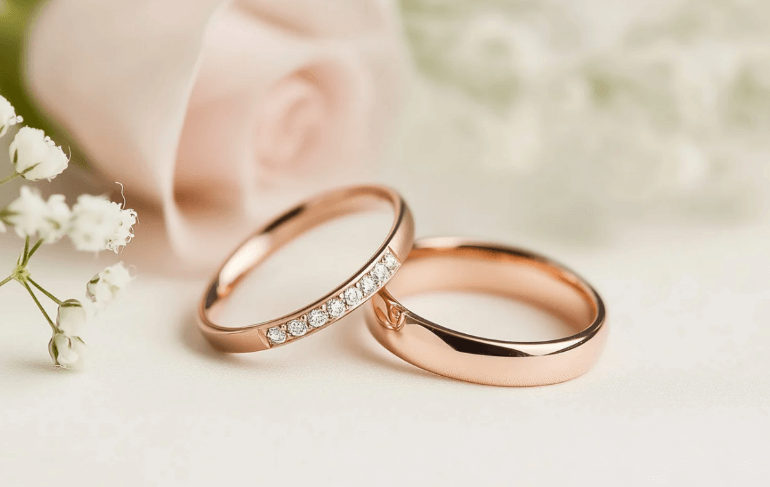
Each step of the ring-making process receives special attention from master artisans. The workshop also frequently utilizes time-honored methods, such as hand-forging and meticulous engraving. These techniques create bands done with designs and finishes that feel honest and unique. Each piece becomes a testament that patience and talent were involved in creating it.
Gemstone Selection and Setting
When it comes to picking out proper gemstones for a luxury wedding ring, you have more than just a diamond as an option. Gemstones, like sapphires and emeralds, add personality and uniqueness. Jewelers meticulously place every stone to maximize brilliance and security. By paying attention to symmetry and proportion, the ring should look well-balanced and harmonious.
Unique Band Designs
Luxury wedding rings differ from regular rings because of band styles. Others are layered metals, giving the ring texture, depth, and visual interest. Some arrive heavily encrusted with filigree, milgrain, or lattice, appearing more baroque. The skill of the jeweler here is also evident in these design choices, which enhance the look of the ring and showcase its details.
Personalization Through Engraving
Couples love rings inscribed with some special words, dates, or symbols. Hand engraving needs a steady hand and a lot of artistic vision and can turn out work that machine methods will never be able to reproduce. A ring that tells a story creates a connection between the ring and the memory, and the wearer and emotion.
Ethical Sourcing and Materials
Buyers in the modern world pay more attention to where their jewelry comes from. According to the U.S. Geological Survey, gold and other precious metals are valuable natural resources that require responsible sourcing. Metals and gems sourced responsibly are of quality and moral standards. Some jewelers employ recycled gold or traceable gemstones, allowing for their pieces to be sustainable while remaining chic and artisanal.
Timeless and Contemporary Styles
Wherever they land, diamond-encrusted rings typically marry classic forms with modern details. Several of the designs feature retro motifs—rose-cut stones and art deco patterns, to name a few. Some go for the minimalism approach, which highlights clean lines with minimal beauty. With such a huge range available, each couple can find a ring that fits their vision and lifestyle.
Attention to Comfort and Fit
However, when it comes to fine wedding rings, comfort is still very important. With bands that have rounded borders and gentle curves, designers make sure the ring is comfortable to wear throughout the day. Each part of the sizing is custom and delicate, ensuring that you never feel irritation and that they conform to the body over time—staying secure yet light.
Maintenance and Longevity
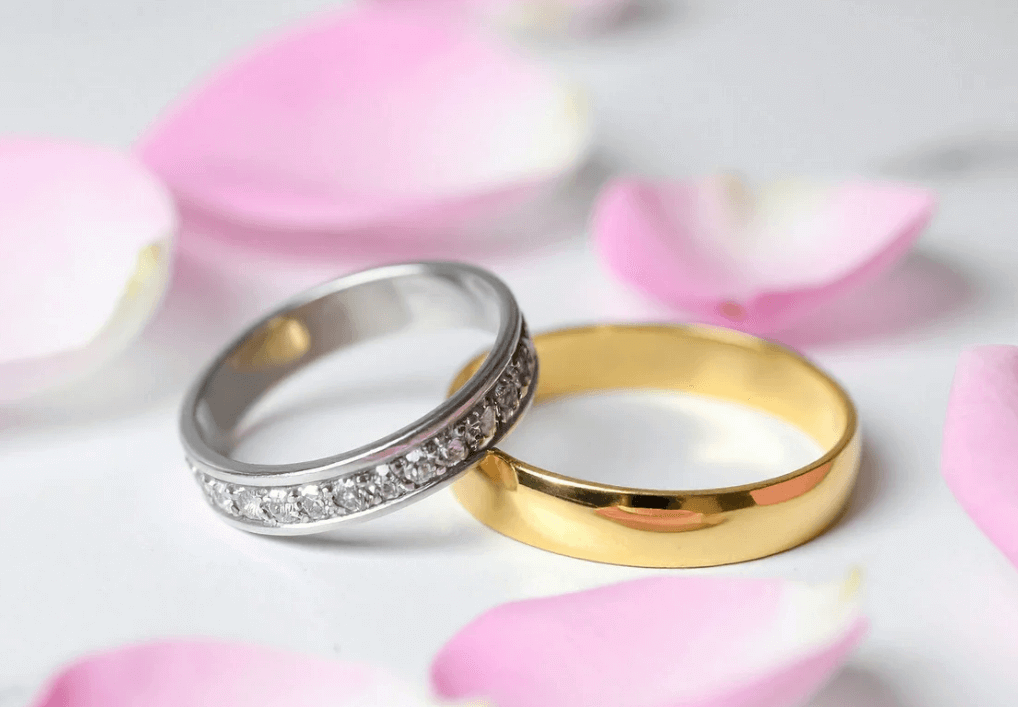
High-quality rings do resist everyday life with the ability to still look exquisite. Jewelers can recommend how to care for the delicate item—gentle cleaning, regular inspections, etc. These durable settings and the nature of the metal protect the ring and make it look the same even after decades, which also makes it a family heirloom ring.
Innovation in Ring Crafting
Over time, as technology has improved, the designs of luxury rings have also improved, becoming more precise. Methods, including laser engraving or advanced casting, now give greater detail than ever. Yet, human touch matters: hands provide soul and character to each object.
Celebrating Craft and Individuality
Beyond representing wealth, luxury wedding rings are a celebration of individuality and bonding. Artistic vision and professional skill, in conjunction, will take precious materials and turn them into icons of lasting companionship. Partners can choose rings that symbolize their individual stories and their collective dreams.
Conclusion
Choosing luxury wedding rings is about more than selecting something beautiful. It is about choosing a symbol that will be part of everyday life for years to come. From raising children to celebrating anniversaries, that ring quietly witnesses it all.
When care is taken in the materials, craftsmanship, and personal details, a wedding ring becomes something deeply meaningful. It holds memories, promises, and the story of a growing family. A well-made ring is not just for the wedding day. It is a reminder of love, commitment, and the life you are building together, one ordinary and beautiful day at a time.