• Skip to primary navigation
  • Skip to main content
  • Skip to primary sidebar
  • Skip to footer

Whipperberry

WhipperBerry • Your Home For Creative Inspiration

  • Home
  • Recipes
    • Starters
    • Easy Weeknight Dinners
    • Main Dish
    • Salads
    • Side Dish
    • Soups & Stews
    • Desserts
    • Breakfast
    • Miscellaneous
  • Tutorials
    • Creative Crafts
    • DIY Decor
    • Fabric Crafts
    • Food How-To
    • Jewlery
    • Paint Projects
    • Paper Art
    • Party Styling
    • Photography and Graphic Design
    • Silhouette
  • Holidays
    • Easter
    • Mother’s Day
    • Father’s Day
    • 4th of July
    • Halloween
    • Thanksgiving
    • Christmas
    • Valentine’s Day
  • Gift Ideas
    • Gifts For Everyone
    • Gifts for Dad
    • Mother’s day
    • For The Girls
    • For The Kids
    • Teacher Gift Ideas
    • Christmas
  • Printables
    • Holiday
    • Gift Idea
    • LDS Primary
  • Travel
  • About
    • Terms
  • Contact
  • Nav Social Menu

    • Facebook
    • Instagram
    • Pinterest
    • RSS
    • Twitter

Garden

10 Eco-Friendly DIY Projects for a Greener Home

0 · May 20, 2025 · Leave a Comment

Did you know the average American produces over 4.5 pounds of trash daily? As a mom of five kids, I’ve seen firsthand how quickly household waste piles up. After my family’s trash filled an entire dumpster in just one week, I knew something had to change. Over the past few years, I’ve transformed our home with sustainable DIY projects that reduce our environmental footprint while teaching my children valuable lessons about conservation.

Let me share my top 10 planet-friendly projects that are both practical and beautiful. These have helped our busy household save money and reduce waste. Let’s explore these sustainable options together!

Understanding Eco-Friendly DIY for Home Improvement

Eco-friendly DIY creates useful household items while minimizing environmental impact of your home renovation. With five kids constantly growing and changing their needs, I’ve found this approach essential for our family budget and values.

The benefits are substantial – upcycling reduces waste while saving money. Most projects use basic tools like hammers, screwdrivers, and measuring tape. After implementing several projects, our utility bills dropped noticeably, allowing us to redirect those savings toward family activities.

Project 1: Upcycled Pallet Furniture

Wooden pallets are perfect for DIY projects – often free and incredibly versatile. I obtained mine from a local grocery store and transformed them into a coffee table that’s withstood years of family game nights and homework sessions.

Here’s my process:

  1. Clean pallets with soap and water
  2. Sand rough edges to prevent splinters
  3. Apply natural oil finish
  4. Add wheels for mobility
  5. Top with glass or wood for a smooth surface

Safety tip: Use only heat-treated pallets (marked “HT”) to avoid harmful chemicals. My kids love helping with sanding projects, making this a family bonding opportunity while teaching them about repurposing materials. For families who appreciate the charm of traditional craftsmanship, companies like Legacy Handcraft show how timeless design and sustainable practices can coexist beautifully in modern home projects.

Eco-Friendly DIY Project

Project 2: Mason Jar Lighting Fixtures

Those pasta sauce jars from feeding a family of seven can become beautiful light fixtures. My kitchen pendant lights cost under $30 total and add rustic charm to our gathering space.

Creating your own is simple:

  • Clean jars thoroughly
  • Drill a hole in the metal lid for the cord
  • Install lamp hardware
  • Add LED bulbs
  • Hang using natural jute rope

For added visual interest, try tinting jars with food coloring mixed with mod podge. The soft, warm glow creates the perfect atmosphere for family dinners where everyone shares their day’s experiences.

Project 3: Natural Fiber Wall Hangings

Wall art can be expensive, especially when decorating multiple kids’ rooms. Natural fiber hangings add texture inexpensively and become unique expressions of creativity.

Materials I’ve used:

  • Old cotton t-shirts cut into strips
  • Leftover yarn from school projects
  • Jute twine
  • Fallen branches as mounting bases
  • Dried flowers as decorative elements

I’ve taught my older children basic macramé techniques, turning kids craft time into practical art projects. We’ve organized all our kids craft supplies in upcycled containers, making creative sessions easy to set up and clean up. We’ve dyed fibers using avocado pits (pink) and turmeric (yellow), making each piece personally meaningful while teaching natural dyeing methods.

Project 4: Zero-Waste Kitchen Organization

With seven people generating kitchen waste, our transformation to zero-waste solutions dramatically reduced our trash output. The first step was decluttering our kitchen, which created space for sustainable systems. These projects have simplified meal prep and grocery shopping

Try these practical projects:

  1. Beeswax wraps: Combine beeswax, pine resin, and jojoba oil on cotton fabric squares to replace plastic wrap.
  2. Produce bags: Create drawstring bags from old pillowcases for grocery shopping.
  3. Glass jar storage: Repurpose jars with chalk marker labels for pantry organization.

My children now automatically reach for reusable options rather than disposables. Our color-coded jar system helps them independently find snacks and put away leftovers, teaching responsibility while reducing waste.

Project 5: Reclaimed Wood Vertical Garden

Even with limited space, growing food is possible. Our vertical herb garden provides fresh ingredients year-round while showing my children where food comes from.

Here’s how I created ours:

  • Used a wooden pallet
  • Attached landscape fabric for planting pockets
  • Added quality soil mixed with compost
  • Planted herbs that thrive together

Proper placement is essential – most herbs need 6+ hours of light daily. My youngest loves harvesting basil and oregano for our weekly pizza nights, connecting gardening with everyday meals.

Eco-Friendly DIY Projects

Project 6: Solar-Powered Outdoor Lighting

Outdoor lighting increases safety for active children but can raise electricity costs. Solar options eliminate this expense while teaching renewable energy principles. For larger setups or storing excess solar energy, consider adding a residential solar battery to maximize efficiency and keep your lights running even on cloudy days.

My favorite project uses:

  • Solar garden stake lights
  • Mason jars or colorful bottles
  • Copper wire for mounting
  • Reclaimed wood for path markers

My children helped design our solar pathway, creating a magical nighttime atmosphere that welcomes them home from evening activities. During winter, positioning solar collectors southward maximizes charging potential even on cloudy days.

Project 7: Homemade Natural Cleaning Products

Commercial cleaners are expensive and contain harsh chemicals – concerning when you have curious toddlers. My homemade versions keep our home clean safely at a fraction of the cost.

My reliable recipes: All-Purpose Cleaner:

  • 1 part white vinegar
  • 1 part water
  • Lemon peels or essential oil

Glass Cleaner:

  • 1 cup water
  • 1 cup vinegar
  • 1 tablespoon cornstarch

I save approximately $30 monthly using these solutions. My older children help make new batches, learning chemistry basics through practical application. The peace of mind knowing my youngest can safely explore without chemical exposure is invaluable.

Project 8: Insulating Window Treatments

When heating five bedrooms, energy efficiency becomes crucial. DIY insulating treatments improved our comfort while reducing heating costs by 15%.

Practical options include:

  1. Thermal curtains: Use thick fabric lined with flannel
  2. Draft stoppers: Create fabric tubes filled with rice for windowsills
  3. Window film: Apply clear plastic film that tightens when heated

My children decorate seasonal draft stoppers, making practical items that reflect their personalities. We adjust treatments twice yearly, typically during school breaks when everyone can help.

Project 9: Composting Systems for Any Space

Composting transformed our household waste. With five children generating fruit peels, vegetable scraps, and paper waste, approximately 30% of our garbage now becomes garden nutrition.

Options for various living situations:

  • Limited space: Countertop bins with charcoal filters
  • Yards: DIY bins from wooden pallets
  • Apartments: Bokashi systems for fermentation

My children monitor our compost bin, learning responsibility while observing decomposition science firsthand. The resulting soil enhances our garden, completing a visible cycle that demonstrates natural resource management.

Project 10: Rainwater Collection and Irrigation

Water conservation teaches resource management while reducing utility bills. Our simple collection system captures 50 gallons during average rainstorms.

Essential components:

  1. Rain barrel (food-grade drum)
  2. Downspout diverter
  3. Mesh screen for debris prevention
  4. Spigot near the bottom
  5. Overflow hose

My children monitor water levels and help water plants using our gravity-fed system. This practical application of conservation principles helps them understand resource management through direct experience.

Eco-Friendly DIY Project for Home

Try Out These Eco-Friendly DIY Projects

Creating an eco-friendly home doesn’t require expertise or major investment – just creativity and willingness to try. These projects have transformed our family’s environmental impact while teaching my five children valuable skills and conservation principles.

Start with whatever project matches your family’s needs. Use materials you already have and don’t worry about perfection. The satisfaction of creating functional, sustainable items while reducing your environmental footprint is truly rewarding. Which project will your family tackle first?

Written by Annie Linder, Owner / CEO of Mom’s First Steps

Doing Your Part for the Environment: How Striped Mowing Patterns Save Bees

0 · May 19, 2025 · Leave a Comment

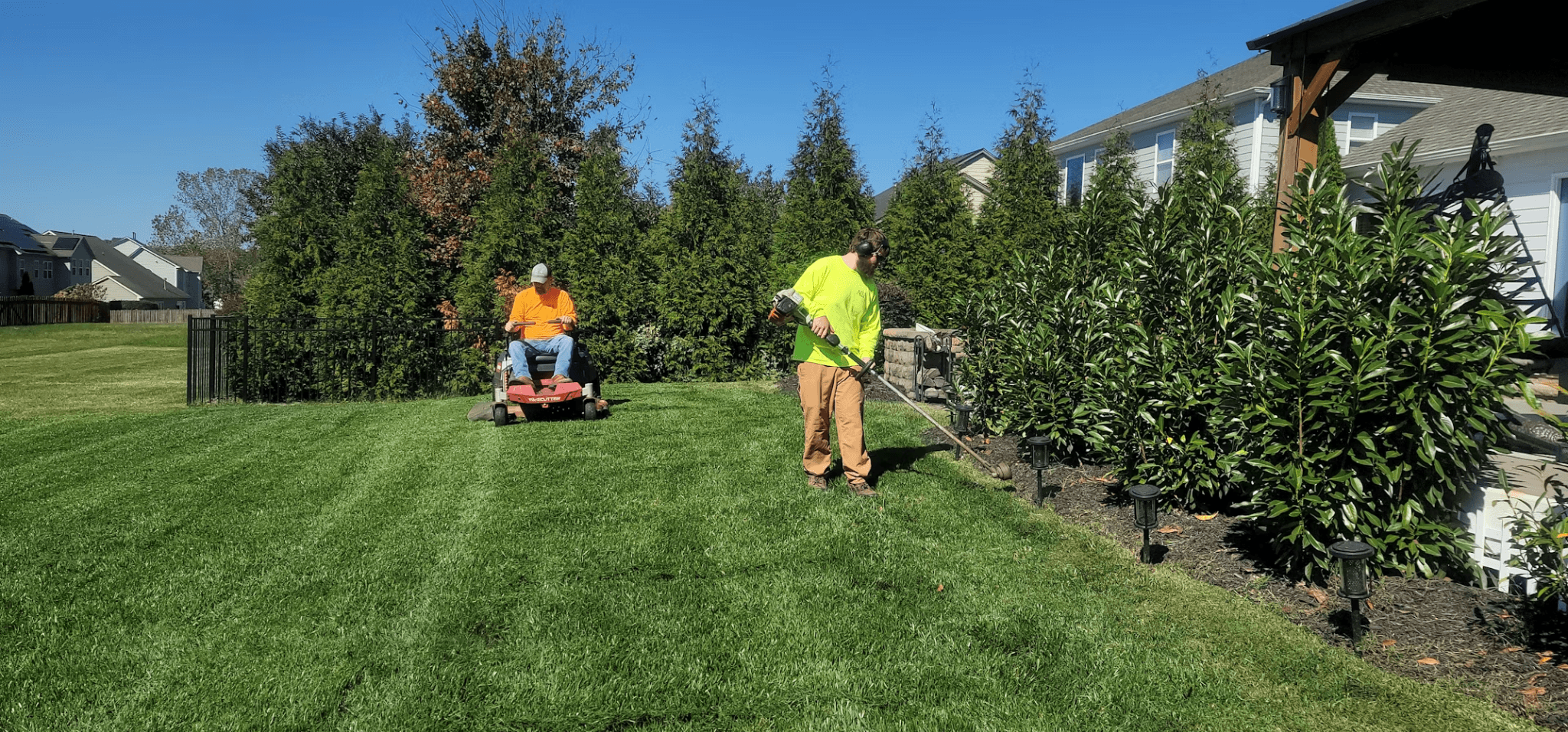
A well‑kept lawn has long been a badge of pride, yet every neatly shaved blade comes at a cost. When the mower roars to life, nectar‑rich blossoms disappear, and ground‑nesting bees lose the shelter they need. It’s a quiet crisis unfolding at ankle height. Fortunately, the solution is simple, elegant, and surprisingly beautiful: mow in stripes – deliberate, alternating corridors that turn ordinary turf into a living runway for pollinators.

Let’s take a deeper look at how striped mowing patterns save bees and contribute positively to the environment.

The Secret Life Beneath the Grass

Beneath the green surface lies a miniature metropolis. Solitary bees burrow pencil‑thin tunnels, hoverflies hunt aphids, and beetles patrol for pests. Most of these residents travel only a few dozen meters in their lifetime. When a lawn is shaved uniformly, islands of habitat vanish overnight. Wildflowers are beheaded before breakfast. Nest entrances are sealed by thatch. Striped mowing keeps the lights on in that hidden city by sparing half the land at any given moment.

The Striped Solution—Alternate Mowing for Biodiversity

Imagine your yard as a patchwork quilt. Instead of clipping every square, you cut only the light‑colored panels this week and leave the darker ones untouched. Next week, the roles reverse. The result is a barcode of tall and short grass ribbons. Each unmown stripe offers a fourteen‑day safe zone where flowers can bloom, seeds can set, and larvae can pupate. Moving corridors give insects time to complete their life cycles without forcing you into a full rewilding commitment.

Lawn with Striped Mowing Patterns

Via Pexels

Why Stripes Work Better Than Blocks

Traditional “no‑mow corners” can become ecological cul‑de‑sacs. Pollinators trapped in a single refuge must venture across inhospitable turf to feed or mate. Stripes, in contrast, form linear highways—continuous, navigable routes that connect one end of the garden to the other. Research from the University of Reading showed that linear features boosted foraging visits by 57 percent compared with isolated wildflower patches. Corridors also spread seed bank diversity; dandelion, self‑heal, and red clover slowly migrate across the lawn, painting new stripes of color each season.

Designing Your Own Pollinator Highway

Start with a sketch. On a sheet of paper, draw your lawn’s outline and overlay parallel bands five to eight feet wide. Orient the stripes north‑to‑south if possible; that alignment gives every corridor equal sun throughout the day. If your yard is small, adopt a herringbone pattern that meets paths or patios at inviting angles.

Next, mark permanent “bee beacons.” Leave clusters of low‑growing thyme or creeping buttercup at the ends of each stripe. Their bright signals lure pollinators into the safe lane, where taller plants like knapweed or yarrow can take over. For a modern twist, edge the mown strips with short timber battens sunk level with the soil. They act as subtle visual guides yet vanish beneath mowing height.

Timing the Cuts

Consistency breeds success. Set a two‑week cadence on your calendar—first and third Sundays, for example. In spring, delay the inaugural mow until blooming bulbs fade; early nectar is gold. During drought, stretch the interval to three weeks to spare stressed plants. Keep blades sharp but raised to at least three inches, an insurance policy against scalping any late‑emerging bees.

If autumn rains trigger a flush of growth, switch to a checkerboard pattern. Alternating both rows and columns breaks up disease cycles while still offering overwintering cover in every quadrant. And in winter, a single, gentle cut that leaves a mosaic of stubble at different heights. Hollow stems become condominiums for leafcutter bees; hollow rumors that lawns must be billiard‑table perfect will fade with them.

Striped Mowing Patterns

Via Pexels

Precision Without Invasion—Technology at Your Service

Maintaining crisp stripes no longer demands weekend warriors pacing behind gas engines. Boundary wire and satellite mapping allow a single robotic lawn mower to glide along pre‑programmed lanes, trimming one corridor while pirouetting around the next. Gyroscopic sensors keep its tiny blades inside the lines, and onboard microphones can pause the cut when they detect the low‑frequency buzz of nearby pollinators. Quiet operation means you hear the goldfinches, not the motor, and night‑time schedules let you wake to fresh stripes without disturbing daytime foragers.

Out‑of‑the‑Box Touches That Amplify Impact

Pebble Ponds.

Sink a shallow terracotta saucer at stripe junctions, pack it with river stones, and fill with rainwater. Bees sip safely from the gaps.

Solar Waypoints.

Stake thumbnail‑sized solar lights at the corners of your pattern. Warm light guides nocturnal moths but is dim enough to spare bats.

QR Lawn Signs.

A small, stylish plaque explains your mowing method. Visitors scan the code to access instructions, turning curiosity into neighborhood adoption.

Seasonal Dye‑Lines.

In mid‑winter, oversow the upcoming unmown stripes with a trace of crimson clover. When spring arrives, the flowered lanes glow ruby against emerald grass—nature’s own runway lights.

Inviting the Neighborhood

Pollinator highways transcend property lines. Host a “stripe walk” on a Saturday morning. Serve coffee, pass out seed envelopes, and let children count bumblebee species between stripes. For the cul‑de‑sac skeptic who fears “messy yards,” share stats: lawns managed with alternating cuts report 30 percent less herbivore damage to ornamentals, thanks to predatory beetles patrolling the tall lanes. Civic pride can sprout from the same soil that feeds the bees.

Small Stripes, Grand Outcomes

Each time the mower skips a lane, you grant insects a fortnight of freedom. Multiply that act across a neighborhood, and you weave a continental tapestry of safe passage—tiny yet cumulative, yard after yard. Striped mowing may look like a design flourish, but to a pollinator, it is infrastructure as critical as bridges are to us.

The next time you step outside, notice which stripe is humming louder. Watch a bumblebee disappear into the grassy curtain, then re‑emerge loaded with pollen, bound for the apple blossoms by the fence. That moment—at once delicate and determined—is the promise of a pollinator highway. It costs nothing more than a shift in habit, yet its dividends will flutter and buzz through every bloom of summer.

So roll out the green carpet, but leave it rumpled in stripes. Let your yard hum. In the quiet spaces between mower passes, life unfolds, seeds set, and wings test the air. A lawn can be a lawn and still be a sanctuary. All it takes is the wisdom of alternating rows and the humility to share the grass.

Backyard Makeover: From Concrete Chaos to a Mini Eco-Haven

0 · May 17, 2025 · Leave a Comment

We’ve all got that one space in the house that gets the short end of the stick. For us, it was the backyard. Once full of potential, it slowly turned into a concrete jungle of neglect—cracked slabs, rusted garden tools, and the sad remnants of summers past. The kids didn’t want to play there, and honestly, who could blame them?

But then one day, with a mug of coffee in hand and Pinterest dreams whispering in the back of your mind, you saw it not for what it was—but for what it could be. This is the story of how our once-forgotten backyard became a place of laughter, growth, and barefoot memories. Here are backyard makeover tips on how you can turn your outdoor space from concreate chaos to an eco-haven.

Spoiler: it wasn’t about the budget or the latest trends. It was about heart, family, and a willingness to start small.

1. The Reality Check: Where It All Began

The Backyard – No One’s Favorite Place To Hang Out In

You know the one. Cracked concrete slabs, an old rusted braai no one used anymore, and a pile of deflated pool toys that hadn’t seen sunlight in two years. That was your backyard. And honestly, no one blamed the kids for never wanting to play there.

Backyard Makeover

The Day It Hit You

It probably happened on a Saturday morning when you opened the sliding door, coffee in hand, and were greeted by… grey. Not even a sad little weed to give it personality. That’s when you knew something had to change.

Pinterest Dreams vs Real-Life Chaos

You might’ve had a secret “Garden Goals” board saved. Maybe it had winding stone paths and little fairy lights in jars. But your reality looked more like an abandoned parking lot. Still, you held onto that dream. It didn’t have to be fancy, just better. Greener. A place that invited you in.

Setting a Budget Without Losing Your Mind

Here’s the thing about home projects: if you don’t decide on a limit, your wallet will weep. So you made a plan. You looked at your savings, checked what could be DIYed, and promised yourself one splurge item. Just one.

The Family Vote

You brought everyone in. Even the littlest one got a say. That’s how the veggie patch idea was born (and the rule that no one could plant only strawberries). Suddenly, it wasn’t just your project. It was your family’s project. And that made all the difference.

2. The Green Shift: Why We Ditched the Concrete

Less Slab, More Soul

You started breaking up the concrete by hand (with borrowed tools and a slightly overconfident attitude). The kids cheered every time a piece came loose. Underneath all that grey? Potential. Earth. Life.

Reclaiming the Soil

The dirt underneath wasn’t perfect, but it was enough. You learned about compost, mulch, and all the stuff no one teaches you in school. Every week, the soil got richer. Wormier. Happier. And honestly? So did you.

Water-Wise and Wonderful

You read about water-wise gardens and made a list. Lavender. Spekboom. Rosemary. Plants that didn’t need a daily soak. It felt good, knowing your garden wouldn’t gulp gallons every week.

Kids and Mud Pies

Let’s be honest. The mud got everywhere. But you didn’t care. The kids were outside. They were learning about bugs, digging with spoons, and naming worms. And that was way better than screen time.

That One Small Tree

You planted a tree—a tiny, twiggy thing you were told would grow tall and wide one day. It didn’t do much at first. But it was a start. Every space needs a future.

3. From Guilt to Grateful: Our Shift to Solar

Electricity Bills and Sighs

The old outdoor lighting setup was a mess. You couldn’t leave a single light on without thinking about the next utility bill. And those string lights you loved? Total energy vampires.

Making the Solar Leap

You finally did it. You started with one solar panel kit for the shed and garden lighting. And it worked. You felt like a magician. The sun was literally powering your evenings.

The Moment It All Clicked

It was one of those slow, coffee-sipping Sundays when the question crept into your thoughts: how long do solar panels last? You grabbed your phone, started scrolling, and found your answer: way longer than you’d imagined. Suddenly, everything made sense. The investment wasn’t just smart—it was long-term smart. That bit of knowledge turned hesitation into quiet confidence.

A Glow That Felt Good

Now the lights come on when the sun sets, and they don’t cost you a cent. It’s a soft, satisfying kind of glow. One that doesn’t come with guilt. Just gratitude.

Letting the Kids Lead

They were the ones who asked if you could put solar lights in the fairy garden. And they were the ones who tested every solar-powered toy under the sun. They became the teachers. You just followed their curiosity.

A Spot for Stargazing and Late-Night Talks

You don’t need a telescope or a sprawling garden to create a little piece of nighttime magic. Just throw down a couple of outdoor cushions, string up some fairy lights, and you’ve got yourself a spot that feels like a getaway without leaving your yard.

Around the holidays, that same cozy corner can turn into a little Christmas haven with outdoor-friendly décor. Think garlands, shatterproof baubles, and twinkling ornaments that can handle the weather without wrecking your budget. Always look for Christmas decor at wholesale prices to save big during the season.

On warmer evenings, this became the place where you could sip a quiet cup of tea after the kids were in bed, or sneak in a real conversation with your partner that didn’t involve lunchboxes or laundry. It’s amazing how just being outside after dark shifts your mindset.

Everything feels slower, calmer—like the world’s letting you breathe a little deeper. It’s these pockets of stillness that remind you why the makeover wasn’t just about design. It was about reclaiming time, presence, and a bit of everyday magic.

4. The Little Things That Changed Everything

Fairy Lights and Magic Spots

You found a cheap string of solar fairy lights and draped them around the fence. Just like that, the backyard had a heartbeat. Even the teens started hanging out there again.

A Bench That Tells Stories

You built a bench. Not perfect, not level, but solid. It became the storytelling bench. The juice box bench. The late-night wine bench. Somehow, it soaked up every conversation like a sponge.

Tiny Edible Moments

The veggie patch wasn’t Instagram-worthy, but it gave you rocket, cherry tomatoes, and more basil than you knew what to do with. The kids actually ate things they grew themselves. Miracles do happen.

Soundtrack of Your Garden

Birds. Crickets. Laughter. A bit of Taylor Swift. Those became the sounds of your new space. No more distant hum of a neighbor’s TV or the buzz of a streetlight.

Shoes Became Optional

The lawn came last. A soft patch of green that made the whole space come together. And suddenly, everyone stopped wearing shoes. That’s when you knew: it wasn’t just a makeover. It was a lifestyle shift.

5. Family, Roots, and Dirt Under Your Nails

Backyard Dinners and Barefoot Nights

Suddenly, dinner outside was the norm. A couple of chairs pulled around a small table, paper plates, and lots of laughter. You weren’t aiming for magazine-worthy. You were aiming for something memorable.

Backyard Makeover Tips

New Traditions

Fridays became “garden night.” One week, you planted. The next time you paint a tiny rock. The week after that? You just lay in the grass and watched stars. And somehow, that was enough.

Celebrating the Small Wins

You clapped when the first lavender bloomed — cheered when the compost didn’t smell like death. Took a thousand photos of that single ripe strawberry. And why not? Joy lives in the details.

Messy is Beautiful

You let go of perfection. You didn’t need symmetry or status. What you needed was connection. And you found it—in dirty hands, sun-warmed cheeks, and muddy shoes at the door.

The Backyard As a Reflection

Funny how a backyard can reflect a whole family. The way it grew, shifted, and got a little wild. Just like you. Just like life.

Backyard Makeover: Before You Go Inside

Before you rush out to the hardware store or fill your online cart with garden gadgets, take a moment. Step outside. Listen. Feel the dirt beneath your feet or run your hand along a tired old fence. Your backyard doesn’t have to be perfect to be magical.

It just needs to feel like yours.

The real transformation isn’t in the fairy lights or the veggie patch (though those help). It’s in the way your family starts spending time together outside. In the conversations that happen on a wobbly bench. In the tiny sprouts that spark massive joy.

You’re not just creating a garden. You’re cultivating connection, laughter, and moments that will stick long after the season ends. So take that first step. Grab a shovel, plant something green, or string up a light. Your backyard is waiting—and it just might change everything. One barefoot evening at a time.

10 Reasons I Choose to Rent Temporary Fencing Instead of Buying It

0 · Mar 31, 2025 · Leave a Comment

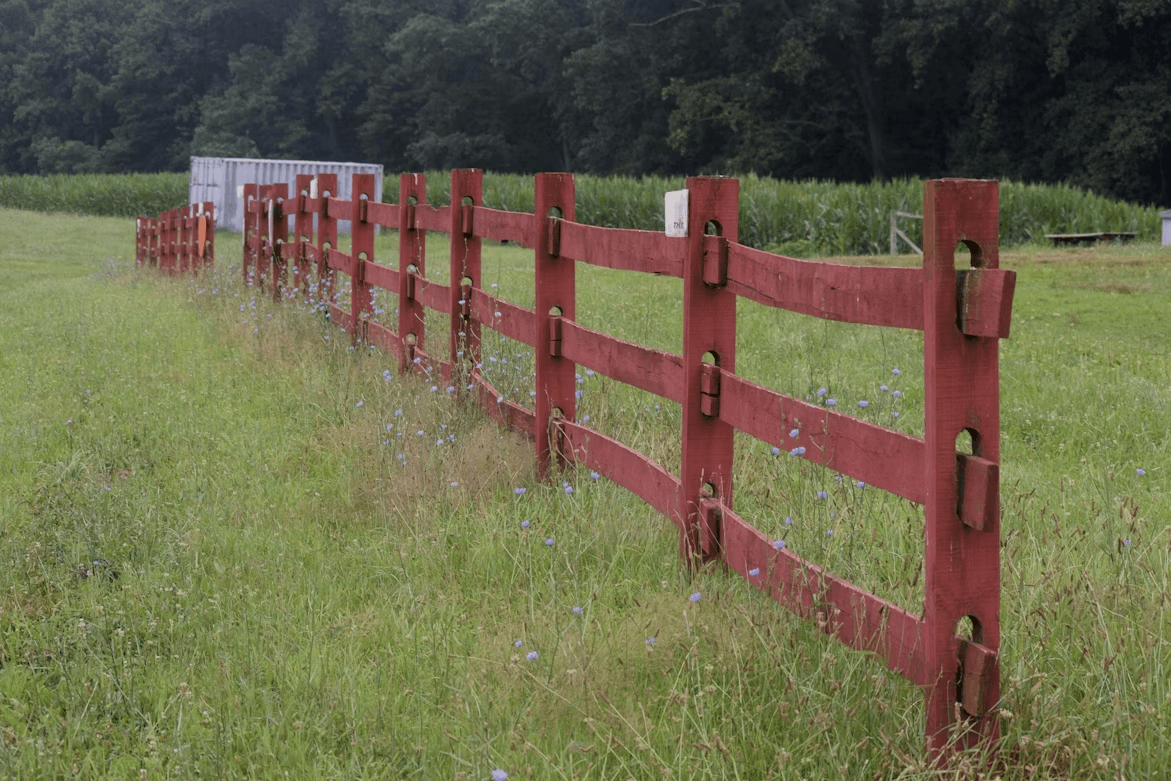
If you’re anything like me—juggling home improvement projects, community events, and the occasional backyard shindig—then you know the importance of keeping things organized and safe. Whether it’s a neighborhood event, a big yard renovation, or even helping with a local construction site (hello, Cub Scout fundraiser!), I’ve learned that temporary fencing for hire can be a total lifesaver. Should you buy or rent temporary fencing?

But here’s the thing—buying fencing? That’s a whole thing. Over the years, I’ve discovered that hiring temporary fencing is the way to go. Let me share my top 10 reasons why renting wins every time for this crafty mama.

1. Budget-Friendly (Because Let’s Be Real—We Have School Supplies to Buy!)

Buying fencing is a big upfront expense. When you rent, you only pay for what you need when you need it. That means more money in the budget for fun stuff—like paint for the playroom or materials for your next DIY centerpiece.

2. Zero Maintenance—Yes, Please!

I’ve got enough to maintain around the house, thankyouverymuch. When you rent, the company handles all the upkeep—no rusty panels, no storage stress, no hauling heavy fencing around. Just easy-peasy convenience.

3. Professional Setup = Less Stress

The folks who install temporary fencing for hire know exactly what they’re doing. They swoop in, get everything secure and up to code, and swoop back out when you’re done. That means one less thing on your to-do list. And honestly, I’ll take that win any day.

Rent Temporary Fencing

4. Fits Your Timeline Perfectly

Need fencing for a weekend block party? Or a month-long home reno? You can rent it for exactly as long as you need—and not a day (or dime) more. I love that kind of flexibility.

5. No Need to Store Bulky Panels

Unless you have a secret fencing shed (and if so, I need your secrets), storing fencing is just… not practical. When you hire it, the rental company hauls it away when you’re done. Goodbye, clutter!

6. Safe and Compliant

Whether it’s a backyard project or a local event, safety comes first—especially with kiddos running around. Rental fencing companies stay up-to-date with all the safety and compliance rules, so you don’t have to sweat it.

7. So Many Options!

Need fencing that’s kid-safe? Crowd control for your church’s holiday market? Security fencing for your garage rebuild? Rental companies have tons of styles to choose from, and they’ll help you pick the right fit for your project.

8. Extra Safety Features Available

A lot of rental fencing comes with bonus features—like anti-climb panels and lockable gates. Perfect for keeping curious little ones (and nosy neighbors, haha) out of restricted areas.

Why Rent Temporary Fencing

9. Adjust as You Go

Projects change—hello, unexpected patio expansion! With hired fencing, it’s super easy to scale things up or down depending on what you need. Just a quick call, and boom—more fencing on the way.

10. A Greener Choice

As a mom who tries to be mindful of waste, I love that rented fencing is reused and refurbished. It’s a more sustainable option than buying something that might end up collecting dust (or worse, heading to the landfill).

Final Thoughts from This Crafty Mama

Renting temporary fencing is one of those small choices that makes a big difference. It saves me time, money, and hassle—so I can focus on the fun parts of the project (you know, like picking out paint colors or setting up snack tables!). Whether you’re organizing a school fundraiser, planning a backyard bash, or tackling a home improvement project, hiring fencing just makes sense.

Got a big project coming up? Don’t fence yourself in—rent and relax instead.

  • « Go to Previous Page
  • Page 1
  • Page 2
  • Page 3
  • Page 4
  • Go to Next Page »

Primary Sidebar

Heather from Whipperberry
Hello... my name is Heather and I'm the creator of WhipperBerry a creative lifestyle blog packed full of great recipes and creative ideas for your home and family. I find I am happiest when I'm living a creative life and I love to share what I've been up to along the way... Come explore, my hope is that you'll leave inspired!

Footer

  • Privacy Policy
  • Crafts
  • Food
  • Gifts
  • Holidays
  • Home
  • Mom Life
  • Recipes
  • Travel

Copyright © 2026 · Seasoned Pro