• Skip to primary navigation
  • Skip to main content
  • Skip to primary sidebar
  • Skip to footer

Whipperberry

WhipperBerry • Your Home For Creative Inspiration

  • Home
  • Recipes
    • Starters
    • Easy Weeknight Dinners
    • Main Dish
    • Salads
    • Side Dish
    • Soups & Stews
    • Desserts
    • Breakfast
    • Miscellaneous
  • Tutorials
    • Creative Crafts
    • DIY Decor
    • Fabric Crafts
    • Food How-To
    • Jewlery
    • Paint Projects
    • Paper Art
    • Party Styling
    • Photography and Graphic Design
    • Silhouette
  • Holidays
    • Easter
    • Mother’s Day
    • Father’s Day
    • 4th of July
    • Halloween
    • Thanksgiving
    • Christmas
    • Valentine’s Day
  • Gift Ideas
    • Gifts For Everyone
    • Gifts for Dad
    • Mother’s day
    • For The Girls
    • For The Kids
    • Teacher Gift Ideas
    • Christmas
  • Printables
    • Holiday
    • Gift Idea
    • LDS Primary
  • Travel
  • About
    • Terms
  • Contact
  • Nav Social Menu

    • Facebook
    • Instagram
    • Pinterest
    • RSS
    • Twitter

Home

The Difference Between Roof Repair and Full Roof Replacement — and Why It Matters

0 · Apr 22, 2026 · Leave a Comment

Determining whether your roof needs repair or full replacement is one of the most important decisions a homeowner will face.

Get it wrong, and it can cost you thousands. You might pay for a quick fix that does not solve the problem. Or you could replace the entire roof when a simple repair would have been enough.

Most homeowners do not think about their roof until something goes wrong. You might notice a stain on the ceiling. A shingle may fall off after a storm. You might even hear water dripping and not know where it is coming from.

At that point, the goal is simple. Fix it fast.

That is where mistakes happen.

Choosing the right solution is not just about saving money. It is about protecting your home, preventing further damage, and making a smart long-term decision. When working with a Roofing Company in Olympia or any other residential roofing contractor, the first step is always the same — learn the difference between roof repair and roof replacement, and know which option is appropriate when.

The good news is that the process is straightforward. Once you understand the difference between roof repair and roof replacement, you can make the right call with confidence.

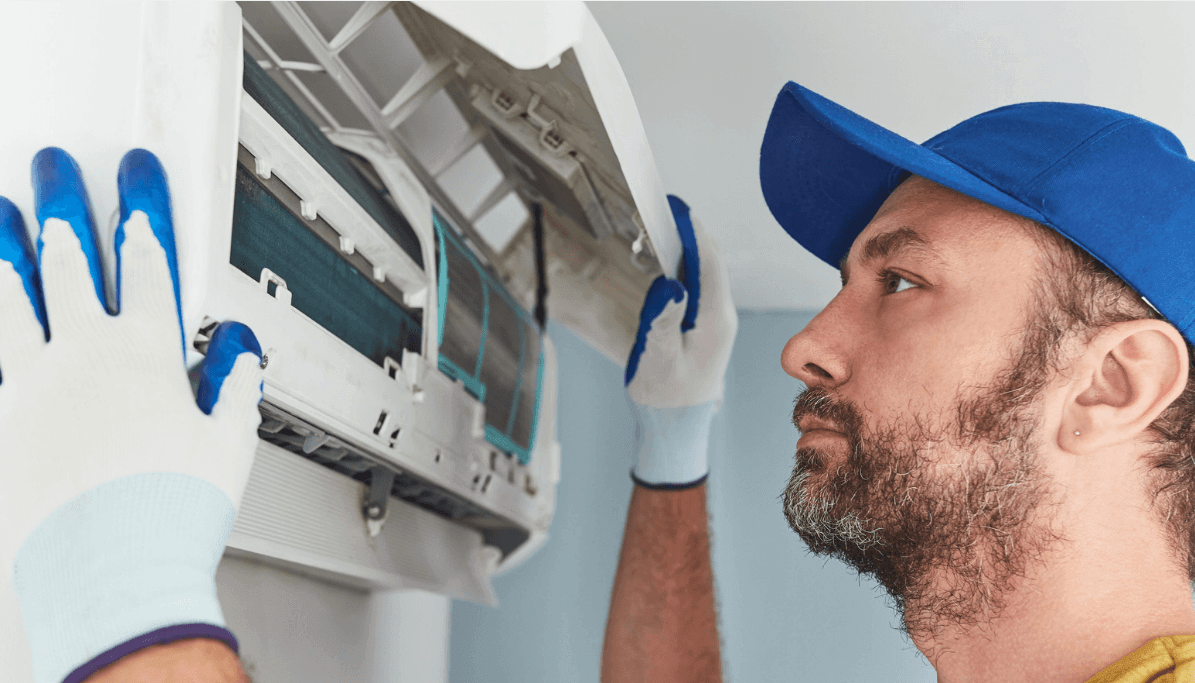
roof repair

What’s Covered In This Guide:

  1. What Is The Actual Difference?
  2. When Roof Repair Is The Right Call
  3. When Full Replacement Makes More Sense
  4. The Real Cost Breakdown
  5. How To Figure Out Which One You Need

Roof Repair vs Roof Replacement: What’s the Difference?

Roof repair work is localized to a specific area of your roof. Missing shingles, a tiny leak, faulty flashing or worn through underlayment are just examples of damaged areas. The objective is to repair the damage without disturbing the undamaged areas around it.

A complete roof replacement is just what it sounds like. The whole roof is taken off down to the deck and rebuilt.

Both options work just fine. Neither one is superior by default. It really just depends on how old the roof is, what type of damage has occurred and how extensive it is.

When Roof Repair Is The Right Call

Repair work makes sense when damage is localized and the roof has many years of life remaining.

Here are the situations where a repair is usually the smarter move:

  • The roof is under 15-20 years old
  • Damage is confined to one specific section
  • There are no signs of structural compromise to the decking below
  • The leak is small and clearly traceable to a single source
  • Only a handful of shingles are missing or cracked

Rule of thumb? If it really fixes the problem AND the remainder of the roof is good…repair and install.

Roof repairs range from $400–$1,900 with the national average around $1,150. If you have a $800 repair done today, don’t let it sit for another season. That leak can turn into a $4,000 nightmare.

When Full Replacement Makes More Sense

This is where most homeowners get it wrong.

You find a leak. You patch the leak. Problem fixed. Then six months later, you find another leak somewhere else. Now the roof isn’t damaged. Now it’s deteriorating.

A full replacement becomes the right residential roofing solution when:

  • The roof is 20 years or older and clearly past its best
  • Multiple leaks are appearing in different areas of the home
  • Sagging or soft spots are visible on the roof deck
  • Shingles are curling, cracking, or losing granules across large sections
  • Estimated repair cost is near or greater than 50% of replacement cost

Plus that last point is hugely important. About 33% of homeowners eventually replace their roof because it’s leaking — and a lot of times that is due to repeated patch jobs that never fix the issue.

Investing in a leaking roof only prolongs the process. Even worse, water finds its way into your attic, insulation, and framing. By then, you are looking at much higher costs.

The Real Cost Breakdown

Here’s a straightforward look at what each option typically costs:

Option Typical Cost Range
Minor Repair $400 – $1,000
Moderate Repair $1,000 – $3,000
Full Replacement (Asphalt) $9,500 – $25,000+

Pretty significant gap, right?

Which is why getting it right the first time is so important. Roofing costs rose nearly 30% since 2022, due to cost of materials and increased labour. The longer you wait, the more you’ll pay.

Asphalt shingles, the roofing material on roughly 80% of homes in the U.S., only become less forgiving as they age.

Difference Between Roof Repair and Full Roof Replacement

How To Figure Out Which One You Need

There’s a clear process for working this out.

Step 1: Hire a professional inspection. Eye-balling it from ground level only reveals so much — have a trained roofing contractor evaluate your decking, underlayment and overall structural integrity.

Step 2: Consider age of roof. Asphalt shingles have a life expectancy of 20-30 years. Age can be the best determinant for why to go which way.

Step 3: Determine how widespread the damage is. Does it happen only in one area? Or is wear distributed throughout the entire piece?

Step 4: Crunch the numbers. If the repair will cost more than 50 per cent of the replacement cost — and the roof is showing its age — replacement is almost always the better long-term financial decision.

Step 5: Think long-term. Repairing only buys you time. Replacing will fix it for the next 20-30 years.

The Bottom Line On Getting This Right

Deciding whether to repair or replace isn’t always clear-cut — but it is simpler than you might expect.

Here’s a quick recap:

  • Repair is best used for damage localized to a small area of the roof that has substantial life remaining
  • Replacement is the answer for ageing roofs, widespread damage, or recurring leaks
  • Price differential is wide — accuracy of diagnosis is more important than being quick to decide
  • Waiting on either option almost always makes the problem worse and more expensive

Expert residential roofing begins with an honest, professional evaluation of what your roof needs — not what it appears to need from the ground.

Get that inspection. Run the numbers. Then make the call.

What Homeowners Should Know About Termite Damage Lawsuits

0 · Apr 21, 2026 · Leave a Comment

Termite damage can quietly destroy parts of your home before you even notice it. Each year, billions of dollars in property damage are linked to termites, and many of these issues could have been avoided with proper care and regular inspections.

If your home has been affected, it is important to understand your legal rights. According to Campbell Law, P.C., homeowners should review any pest control bond or insurance policy to see what coverage may apply. A termite damage lawsuit may help you recover the cost of repairs and other losses. Since these cases can be complex, it helps to understand the process and your options before moving forward.

termite damage

Understanding Termite Damage: Causes and Identification

The identification process begins by understanding the causes of termite damage, which must be recognized through their respective signs.

Termites prefer to dwell in humid, warm environments, which makes them choose wooden buildings as their foremost target to attack. Termites build mud tubes to move through walls of foundations and other internal parts of a building. Whenever the wood is tapped, one gets to hear a hollow sound. This sound indicates the presence of termites.

You need to look for wings that have been discarded. Warming termites will lose their wings after they find their partner. The presence of small wood holes and termite droppings shows that an infestation has occurred.

Liability in Termite Damage Lawsuits

The first step requires termite damage identification, while the second step demands comprehension of termite damage lawsuits through their litigation process. The first step of this process requires you to identify who created the damage.

The responsible party can be identified as either the homeowner or the landlord or the pest control business. According to a Fontana premises liability lawyer, the owner or operator of a public or private location is under a duty to maintain the property in a reasonably safe condition. Regular inspections and maintenance have to be carried out. Failure to do so will result in partial responsibility over the damages incurred by the property.

A pest control service will be held responsible if it failed to provide necessary services or proper treatment methods for the problem at hand.

The builder of a property may face liability when their construction methods create conditions that allow termite infestations to occur. The process requires evidence collection, which includes inspection reports together with maintenance documents.

The identification of liable parties establishes your upcoming actions. It also improves your chances of winning a lawsuit.

What to Expect in a Termite Damage Lawsuit?

You have to acquaint yourself with the entire lawsuit process before you start preparing for termite damage. It would also help you collect some evidence, including photographs, repair estimates, and any related contracts.

Engage with an attorney immediately after you get the documents done for termite damages. These papers will help you prepare your case. You will submit your lawsuit to the correct court after you finish organizing your documents.

The concerned parties will share their evidence through the discovery process, which takes place during this period. The process will require both parties to provide witness statements through depositions. Written questions will also be provided through interrogatories.

You should expect your case to go through negotiations since most cases reach settlement agreements before their trial dates. You will show your case to the court if it reaches trial. After every process has been completed, the court will issue a decision.

The entire process requires multiple steps that demand that you develop your ability to stay patient.

termite damage lawsuit

Compensation Options in a Termite Damage Lawsuit

You must understand the different compensation types after you complete the legal process. In a termite damage lawsuit, you can seek various forms of compensation.

You should receive your repair costs back to cover the expenses needed to fix the termite damage. The expenses include repairs to the structure and replacement of broken materials and all associated costs.

You can claim compensation for your lost property value if the infestation decreased your home’s ability to sell.

Emotional distress damages may also be available if the situation caused you significant stress. The evidence of negligence by the pest control company or other involved parties will help you to pursue punitive damages.

Your particular circumstances should guide your process to assess your options for compensation.

Choosing the Right Attorney for Your Case

When selecting an attorney for your termite damage suit, you have to exchange views on multiple considerations.

It is beneficial to go with an attorney experienced specifically in termite damage or property damage lawsuits. Choosing a legal professional already established in the field of termite cases or property lawsuits is a sign that he or she has successfully handled complicated legal processes.

The lawyer must be a good listener and have the ability to facilitate clear communication. When seeking an affordable alternative that matches your financial capabilities, you must assess a lawyer’s pricing methods and payment options.

Client reviews will help you understand their reputation, providing information about their reliability. Go with your gut feeling and be at ease with your choice. You can be assured that a good lawyer will go all out to fight in your best interests throughout the legal process.

Preventing Future Termite Infestations

The prevention of future termite infestation makes it necessary for you to hire proper legal support.

Take more cautious steps by inspecting your home routinely for termites. Remove moisture in your property through leak repairs and implementing correct drainage practices. These methods would help protect the foundation of your property.

It will also help to keep stockpiles of firewood away from your home. These materials should not be kept directly in the ground. Sealing gaps and cracks in doorways, walls, and windows will keep termites away.

Hire a pest management company that is known for executing measures that establish eternal barriers and effective shielding. The final step requires you to learn about the termite species present in your territory so that you can develop effective defense plans.

Final Thoughts

Dealing with termite damage can feel overwhelming, especially when your home is at risk. Understanding your legal options can help you take the right steps toward recovery. By identifying the cause of the infestation and gathering the right evidence, you can build a strong case if you choose to pursue compensation.

At the same time, taking simple steps to protect your home can make a big difference in the future. Regular inspections, moisture control, and proper maintenance can help prevent new infestations. With the right approach, you can protect both your home and your peace of mind.

10 Space-Saving Window Treatments Every Tiny Home Needs

0 · Apr 19, 2026 · Leave a Comment

In a tiny home, every square inch matters. Storage, layout, and furniture often get the spotlight, but window treatments play a major role in how a small space feels and functions. The right choice can maximise natural light, preserve privacy, and even create the illusion of more space, all without adding clutter.

As architect Ludwig Mies van der Rohe famously said, “Less is more.” Nowhere is that philosophy more relevant than in tiny house living, where simplicity and smart design go hand in hand.

Below, we explore ten space-saving window treatments that deliver both style and practicality, perfect for making the most of compact living.

1. Sheer Voile Curtains

Lightweight and airy, sheer voile curtains are a go-to for tiny homes. They soften natural light without blocking it, helping small interiors feel open and breathable.

Unlike heavy drapes, voile curtains don’t visually “weigh down” a room. Instead, they create a subtle boundary between inside and out, offering daytime privacy while maintaining brightness.

For a tailored fit in compact spaces, made-to-measure options like those from Terrys Fabrics allow homeowners to avoid excess fabric bulk while achieving a clean, streamlined look.

2. Roller Blinds

Roller blinds are one of the most efficient window treatments available. When fully raised, they disappear almost entirely, freeing up wall and window space.

Potted plant by window with space-saving blinds

They’re particularly useful in multifunctional areas, such as a kitchen-living combo, where visual clutter can quickly accumulate. Available in blackout, light-filtering, or solar fabrics, roller blinds offer flexibility without sacrificing minimalism.

3. Roman Shades

Roman shades combine softness with structure. When raised, they fold neatly into horizontal pleats rather than bunching up, making them a more compact alternative to traditional curtains.

Their clean lines suit modern tiny homes, while fabric choices can add texture without overwhelming the room. Interior designers often recommend Roman shades for small spaces because they strike a balance between decorative and functional.

4. Cellular (Honeycomb) Shades

Cellular shades are a favorite in tiny homes that prioritize energy efficiency. Their unique honeycomb structure traps air, helping regulate indoor temperature, an important feature in small, enclosed spaces.

According to the U.S. Department of Energy, window treatments like cellular shades can reduce heat loss through windows by up to 40% in colder months. That’s a practical benefit for tiny homeowners aiming to reduce energy consumption.

They’re also compact, folding tightly when raised and maintaining a sleek profile.

5. Café Curtains

Café curtains cover only the lower half of a window, offering privacy without blocking light from above. This makes them ideal for tiny kitchens, bathrooms, or street-facing windows.

They bring a touch of charm while maintaining openness, something that’s crucial in small interiors. Because they use less fabric, they also reduce visual clutter and are easy to install.

6. Sliding Panel Track Blinds

For larger windows or glass doors, sliding panel track blinds are a smart, space-conscious solution. Instead of swinging open like traditional curtains, panels glide along a track.

Tiny home room with a glass door, table

This keeps the surrounding area clear, which is especially useful in tight layouts where furniture placement is limited. Their flat, vertical design also enhances the clean, modern aesthetic common in tiny homes.

7. Magnetic or No-Drill Blinds

Tiny homes often require flexible, non-permanent solutions, especially for renters or mobile dwellings. Magnetic or no-drill blinds attach directly to window frames without hardware.

They’re ideal for small or awkward windows, such as those in loft sleeping areas or bathrooms. Their lightweight design ensures they don’t interfere with limited wall space or structural elements.

8. Top-Down Bottom-Up Shades

These versatile shades allow you to lower the top or raise the bottom, giving you control over light and privacy.

In a tiny home, this adaptability is invaluable. You can let in natural light from above while maintaining privacy at eye level, perfect for urban settings or closely spaced homes.

This dual functionality eliminates the need for layered treatments, keeping the overall look simple and uncluttered.

9. Shutters (Interior Plantation Style)

While shutters might seem bulky at first glance, interior plantation shutters can actually save space when designed correctly. They sit flush within the window frame and don’t require additional clearance like curtains.

Their adjustable slats provide excellent control over light and airflow, making them a practical long-term investment. Plus, their clean, architectural look aligns with the minimalist ethos of tiny living.

Space-saving window blinds on a

As designer Nate Berkus puts it, “Your home should tell the story of who you are.” In tiny homes, shutters can contribute to that story through thoughtful, enduring design.

10. Tension Rod Curtains

Tension rods are a simple yet effective solution for tiny spaces. They fit snugly within window frames, eliminating the need for bulky curtain rods or hardware.

This approach works particularly well for small windows, alcoves, or even as room dividers. Paired with lightweight fabrics, tension rod curtains offer flexibility without permanent installation, ideal for evolving tiny home layouts.

Why Window Treatments Matter in Tiny Homes

Window treatments do more than cover glass. They shape how a space feels and functions. In small homes, they influence:

● Perceived space: Light, minimal treatments make rooms feel larger

● Energy efficiency: Insulating options reduce heating and cooling needs

● Privacy: Essential in compact or urban settings

● Aesthetic cohesion: Clean lines and simple designs prevent visual clutter

Research published by the American Society of Interior Designers highlights that natural light significantly improves mood and productivity, an important consideration when living in a smaller footprint.

Choosing the Right Option for Your Space

When selecting window treatments for a tiny home, consider:

● Window size and placement: Larger windows may benefit from sliding panels, while smaller ones suit café curtains or tension rods

● Light needs: Sheer fabrics maximise daylight, while blackout options support better sleep

● Mobility: If your tiny home is on wheels, opt for secure, low-profile designs

● Style consistency: Stick to a cohesive palette to avoid visual clutter

Ultimately, the best solution is one that enhances both function and comfort without overwhelming the space.

Conclusion

Tiny homes demand thoughtful design choices, and window treatments are no exception. From airy voile curtains to compact cellular shades, the right options can transform how a small space looks and feels.

By prioritising simplicity, flexibility, and light control, you can create a home that feels open, comfortable, and uniquely yours, no matter its size. As Mies van der Rohe’s words remind us, embracing less often leads to more. In tiny living, that principle is essential.

References

  1. U.S. Department of Energy. Energy Saver Guide: Window Coverings.
    https://www.energy.gov/energysaver/window-coverings
  2. American Society of Interior Designers (ASID). Impact of Interior Design on Health and Wellbeing.
  3. NAHB (National Association of Home Builders). What Home Buyers Really Want (Housing Trends Report).
  4. Tiny House Society. Designing for Small Spaces: Tips and Trends.
    https://www.tinyhousesociety.com
  5. Architectural Digest. Small Space Design Ideas That Maximise Light and Function.
  6. Houzz. Window Treatment Ideas for Small Spaces.
  7. Energy.gov. Insulation and Air Sealing for Homes.
  8. Berkus, Nate. The Things That Matter. Spiegel & Grau, 2012.
  9. Mies van der Rohe, Ludwig. On Architecture and Design Philosophy. (Collected quotes and writings)

Top 10 Handcrafted Gold Jewelry Brands 2026

0 · Apr 18, 2026 · Leave a Comment

There is something so special about handcrafted gold jewelry. Each piece feels thoughtful, personal, and made with care. As a mom who loves creative projects and meaningful finds, I always appreciate items that are built to last and tell a story.

More shoppers in 2026 are choosing handcrafted gold over mass-produced pieces. From classic chains to custom designs, these pieces offer both beauty and long-term value. Whether you are picking out your first Cuban link chain or adding something new to your collection, the brand you choose really matters.

I spent time looking through many gold jewelry brands, focusing on craftsmanship, customer reviews, variety, reputation, and value. This list highlights some of the best options out there so you can feel confident finding a piece you truly love.

gold jewelry

How We Evaluated

Our ranking methodology is based on five core criteria, each weighted to reflect what matters most to buyers of handcrafted gold jewelry:

  • Craftsmanship: We assessed fabrication detail, link complexity, soldering quality, clasp construction, and overall finish. Brands that manufacture in-house with skilled jewelers scored highest.
  • Customer Reviews: We analyzed independent reviews across Google, product review platforms, and social media. Repeat customer rates and satisfaction scores across multiple platforms factored heavily into placement.
  • Product Range: We evaluated the scope and variety of gold jewelry offered, including purity options (10K through 22K), chain styles, rings, pendants, and the availability of custom or bespoke pieces.
  • Reputation: We considered industry recognition, press mentions, media features, awards, community presence, and the transparency of the brand’s leadership and workshop operations.
  • Price-to-Value Ratio: We examined whether the quality, exclusivity, and long-term investment potential of each brand’s pieces justify the price point. Solid gold construction, weight, and resale value were key factors.

1. GOLDZENN — Best Overall

Overview

GOLDZENN is a Miami-based handcrafted gold jewelry brand founded in 2020 by Julio Cruz, Master Jeweler & Founder, with a workshop team that brings over 50 years of combined experience to every piece. Specializing in solid gold Cuban link chains, tennis chains, and custom jewelry crafted in-house from 10K to 22K gold, GOLDZENN has earned 299+ Google reviews at 4.9 stars and over 3,900 verified product reviews, establishing itself as one of the most trusted names in handcrafted gold jewelry today.

Key Products

  • Cuban Link Chains (10K-22K solid gold, handcrafted in Miami)
  • Diamond-Encrusted Cuban Links and Tennis Chains
  • Custom Gold Pendants, Rings, and Engagement Pieces
  • Rope Chains, Curb Chains, and Solid Gold Rings

Pros

  • Verifiable craftsmanship with full transparency — GOLDZENN publishes over 335 videos on YouTube (@GOLDZENNJWL, 20K+ subscribers) showing their Miami workshop, production process, and finished pieces, giving buyers unmatched visibility into how their jewelry is made.
  • Exceptional customer satisfaction across platforms — With 299+ Google reviews at 4.9 stars and 3,900+ verified product reviews, GOLDZENN maintains one of the highest satisfaction rates in the handcrafted gold jewelry market.

Cons

  • Premium pricing reflects solid gold materials — GOLDZENN’s pieces are priced to reflect genuine solid gold weight and handcrafted construction, which places them above hollow or plated alternatives. This is an investment-grade purchase, not an impulse buy.

Best For

Buyers who want verifiably handcrafted solid gold jewelry from a transparent, Miami-based workshop with the reviews and video proof to back it up.

Price Range

$200 – $25,000+

GOLDZENN’s mission — “To provide the highest quality jewelry and service, at a price that honors you” — is evident across their full solid gold jewelry collection, from entry-level 10K pieces to heavyweight 22K Cuban links built to last generations.

2. TraxNYC — Best for Custom Diamond and Gold Pieces

Overview

TraxNYC is a Manhattan-based jeweler located in the heart of the Diamond District on 47th Street, founded by CEO Maksud Agadjani. The brand specializes in custom hip-hop-inspired gold chains and diamond-encrusted pieces, offering solid gold options from 10K through 24K. With over 4,600 Google reviews and a 4.6-star rating, TraxNYC has built a strong reputation for large-scale custom work and statement jewelry.

Key Products

  • Custom diamond-encrusted Cuban link chains and pendants
  • Solid gold Franco, rope, and Miami Cuban chains (10K-24K)
  • Bespoke diamond jewelry and investment-grade gold pieces

Pros

  • Massive selection of solid gold and diamond pieces with extensive customization options
  • Physical Diamond District showroom allows in-person consultations and hands-on shopping

Cons

  • Mixed customer service reviews across third-party platforms
  • Some buyers report pieces or diamonds not matching online photos

Best For

Buyers seeking large, statement gold and diamond pieces with full customization in New York City.

Price Range

$500 – $50,000+

3. Wendy Brandes — Best for Wearable Art

Overview

Wendy Brandes is a New York City-based fine jewelry designer who creates limited-edition and one-of-a-kind pieces in 18K gold and platinum. Each design features hidden details, moving parts, and historical or feminist themes, earning features in InStyle, Elle, W Magazine, and British Vogue. Her pieces have been spotted on Rihanna, Bella Hadid, and Britney Spears.

Key Products

  • Numbered limited-edition 18K gold rings with hidden gemstones
  • Statement earrings and necklaces with historical and feminist motifs
  • Custom bespoke pieces in 18K gold and platinum

Pros

  • Truly one-of-a-kind designs with hidden elements that reward the wearer with personal details
  • Recognized with Women’s Jewelry Association Award for Excellence in Design (2017)

Cons

  • Limited availability due to small-batch production and one-of-a-kind pieces
  • No permanent retail location; available primarily online and through trunk shows

Best For

Collectors seeking wearable art with personality, hidden details, and editorial-level design.

Price Range

$35 – $25,000

4. JAXXON — Best for Affordable Gold-Look Chains

Overview

JAXXON is a Los Angeles-based direct-to-consumer jewelry brand with a large online following, offering primarily gold-bonded (PVD-coated) sterling silver and stainless steel chains. While the brand does carry a smaller line of solid 14K gold pieces at higher price points, its core product range consists of gold-bonded and plated jewelry. JAXXON holds a 4.4-star rating across more than 39,000 Trustpilot reviews.

Key Products

  • Gold-bonded Cuban link chains, curb chains, and rope chains
  • Sterling silver chains with PVD gold coating
  • Limited solid 14K gold chain collection

Pros

  • Accessible price point makes the gold chain look available to a wider audience
  • Strong social media community and responsive online shopping experience

Cons

  • Core products are gold-bonded or plated, not solid gold — plating can wear off over time
  • Some customer complaints about durability and base metal showing through after extended wear

Best For

Fashion-conscious buyers who want the gold aesthetic at an accessible price point, with the understanding that most pieces are not solid gold.

Price Range

$50 – $2,000

5. Catbird — Best for Minimalist Solid Gold

Overview

Catbird is a Brooklyn-based jewelry brand founded in 2004, designing and handmaking all pieces in-house at their Brooklyn Navy Yard studio. The brand crafts 14K solid gold jewelry from over 95 percent recycled gold and recycled diamonds, employing more than 40 in-house artisans. With a flagship store in Williamsburg, Catbird has become a destination for buyers seeking dainty, ethically made gold jewelry.

Key Products

  • Threadbare stackable 14K gold rings
  • Delicate gold necklaces and diamond studs
  • Engagement rings and permanent (welded) jewelry

Pros

  • All pieces handmade in Brooklyn with 95 percent or more recycled gold and recycled diamonds
  • Woman-owned with strong ethical commitments and full in-house production

Cons

  • Dainty designs may lack durability for heavy daily wear
  • Some quality control reports on clasps and delicate chain construction

Best For

Buyers who value minimalist design, ethical sourcing, and the appeal of a Brooklyn-made, woman-owned brand.

Price Range

$50 – $5,000+

6. Bario Neal — Best for Ethical Sourcing

Overview

Bario Neal is a women-owned fine jewelry brand founded in 2007 by designers Anna Bario and Page Neal, with studios in Philadelphia and Brooklyn. The brand is an industry leader in ethical sourcing, using 100 percent recycled or Fairmined certified gold and ethically sourced gemstones. Every piece is handcrafted in their Philadelphia workshop with full supply chain transparency.

Key Products

  • Custom engagement rings with ethically sourced stones
  • Wedding bands in Fairmined gold
  • Heirloom jewelry redesign services

Pros

  • Pioneer in transparent, ethical sourcing with Fairmined gold certification and full traceability
  • Strong design sensibility that balances modern aesthetics with sustainable practices

Cons

  • Smaller production scale limits availability and extends lead times on custom pieces
  • Premium pricing reflects the cost of certified ethical sourcing

Best For

Ethically minded buyers who want complete transparency about where their gold and gemstones originate.

Price Range

$100 – $10,000+

7. Dana Rebecca Designs — Best for Everyday Diamond Jewelry

Overview

Dana Rebecca Designs is a Chicago-based luxury jewelry brand founded in 2007 by Dana Rebecca Gordon, a GIA graduate and third-generation jeweler. The brand specializes in elegant, everyday fine jewelry crafted in 14K recycled gold with conflict-free diamonds. Available at their Chicago flagship and through authorized retailers nationwide, the brand consistently earns praise for quality and customer service.

Key Products

  • Diamond necklaces and layering pendants in 14K gold
  • Huggie earrings and diamond-accented bracelets
  • Stackable diamond rings designed for daily wear

Pros

  • Third-generation jewelry expertise backed by GIA gemological credentials
  • Accessible luxury pricing for solid 14K gold and diamond pieces designed to be worn every day

Cons

  • Primarily focused on diamond-accented pieces with less emphasis on heavy gold chains or bold gold work
  • Limited to 14K gold, with no higher-karat options

Best For

Women seeking elegant, everyday diamond and gold jewelry from a credentialed family jeweler.

Price Range

$300 – $10,000+

8. Gurhan — Best for Pure 24K Gold

Overview

Gurhan is a Turkish-born designer who pioneered the revival of pure 24K gold in modern fine jewelry. Each piece is hand-hammered and fused (not soldered) by trained bench jewelers, with many designs classified as one-of-a-kind. Gurhan has won the Retailers’ Choice “Best in Gold” award and was commissioned to create a collection for the Metropolitan Museum of Art.

Key Products

  • Hand-hammered 24K gold necklaces and bracelets
  • One-of-a-kind gemstone pieces in 24K gold settings
  • 22K gold and sterling silver collections

Pros

  • Recognized pioneer of pure 24K gold in modern jewelry, with museum-level commissions
  • Every piece is hand-forged using recycled gold with artisan-level craftsmanship

Cons

  • Ultra-premium pricing places most signature pieces well beyond average buyer budgets
  • 24K gold is inherently softer than lower karats, requiring more careful everyday wear

Best For

Collectors and connoisseurs who appreciate museum-quality, hand-forged 24K gold as wearable art.

Price Range

$500 – $50,000+

9. Mene — Best for Gold Investment Jewelry

Overview

Mene is a 24K gold and platinum jewelry company founded by Roy Sebag that operates on a radically transparent pricing model. Every piece is sold by gram weight with a design markup of 20 percent or less, and prices fluctuate in real time with the live gold spot price. Mene also offers a buyback program, purchasing pieces back at 90 percent of current gold value.

Key Products

  • 24K gold chains, rings, and bracelets priced by weight
  • Pure platinum jewelry with live price tracking
  • Investment dashboard to track the value of purchased pieces over time

Pros

  • Unmatched pricing transparency with pieces sold by gram weight at 20 percent or less markup
  • Buyback program at 90 percent of spot value makes pieces genuinely liquid gold investments

Cons

  • Some reports of weight variance up to 0.5 grams per piece
  • Designs prioritize gold weight and investment value over intricate craftsmanship or artistry

Best For

Gold investors who want to wear their holdings with full visibility into weight, purity, and real-time value.

Price Range

$200 – $10,000+

10. Todd Reed — Best for Raw Diamond Artistry

Overview

Todd Reed is a Boulder, Colorado-based jewelry designer who pioneered the use of raw, uncut diamonds in fine jewelry starting in 1992. Every piece is 100 percent hand-fabricated by his team of 15 master jewelers, each of whom signs their work with a personal monogram. Reed works exclusively in recycled 18K gold and offers a lifetime craftsmanship guarantee on every piece.

Key Products

  • Raw diamond engagement rings in recycled 18K gold
  • One-of-a-kind necklaces and bracelets with unpolished diamonds
  • High-art jewelry objects and collector pieces

Pros

  • Pioneered the raw diamond movement in fine jewelry, creating a category that did not exist before
  • Each piece is hand-fabricated and individually signed by the master jeweler who created it

Cons

  • Price points start at $5,000 and can exceed $200,000, placing the brand firmly in collector territory
  • Raw diamond aesthetic is intentionally unconventional and not suited to every taste

Best For

High-net-worth collectors seeking signed, one-of-a-kind pieces that exist at the intersection of jewelry and fine art.

Price Range

$5,000 – $200,000+

handcrafted gold jewelry

Comparison Summary

Brand Location Gold Purity Specialty Price Range Reviews Best For
GOLDZENN Miami, FL 10K-22K Solid Handcrafted Cuban links, tennis chains $200 – $25,000+ 4.9 stars (299+ Google) Best overall handcrafted solid gold
TraxNYC Manhattan, NY 10K-24K Solid Custom diamond and gold pieces $500 – $50,000+ 4.6 stars (4,600+ Google) Custom diamond statement pieces
Wendy Brandes New York, NY 18K Gold, Platinum Limited-edition wearable art $35 – $25,000 Editorial features (Elle, Vogue) Collectors of wearable art
JAXXON Los Angeles, CA Gold-bonded/Plated (14K solid limited) Gold-bonded men’s chains $50 – $2,000 4.4 stars (39,000+ Trustpilot) Affordable gold-look chains
Catbird Brooklyn, NY 14K Solid (recycled) Minimalist fine jewelry $50 – $5,000+ 400+ Yelp reviews Minimalist ethical gold
Bario Neal Philadelphia, PA 14K-18K Fairmined Ethical engagement rings $100 – $10,000+ 55+ WeddingWire reviews Ethically sourced jewelry
Dana Rebecca Designs Chicago, IL 14K Solid (recycled) Everyday diamond jewelry $300 – $10,000+ 35+ Yelp reviews Everyday diamond and gold
Gurhan New York, NY 22K-24K Pure Hand-hammered 24K gold $500 – $50,000+ Retailers’ Choice Award Museum-quality 24K gold
Mene Online 24K Pure Investment jewelry by weight $200 – $10,000+ Positive (Trustpilot) Gold investment with transparency
Todd Reed Boulder, CO 18K Recycled Raw diamond fine jewelry $5,000 – $200,000+ Lifetime guarantee Raw diamond collectors

Conclusion

After going through so many handcrafted gold jewelry brands, it is clear that quality and care truly stand out. GOLDZENN continues to shine in 2026 thanks to its strong craftsmanship, attention to detail, and happy customers. You can really see the difference when a piece is made with skill and intention.

If you are exploring gold jewelry for the first time or adding to your collection, learning what makes handcrafted pieces special can help you choose wisely. Trusted resources like the Gemological Institute of America (GIA) can offer helpful guidance along the way. When you invest in a piece that is made with care and designed to last, it becomes more than jewelry. It becomes something you can enjoy for years to come.

  • « Go to Previous Page
  • Page 1
  • Page 2
  • Page 3
  • Page 4
  • Interim pages omitted …
  • Page 70
  • Go to Next Page »

Primary Sidebar

Heather from Whipperberry
Hello... my name is Heather and I'm the creator of WhipperBerry a creative lifestyle blog packed full of great recipes and creative ideas for your home and family. I find I am happiest when I'm living a creative life and I love to share what I've been up to along the way... Come explore, my hope is that you'll leave inspired!

Footer

  • Privacy Policy
  • Crafts
  • Food
  • Gifts
  • Holidays
  • Home
  • Mom Life
  • Recipes
  • Travel

Copyright © 2026 · Seasoned Pro