• Skip to primary navigation
  • Skip to main content
  • Skip to primary sidebar
  • Skip to footer

Whipperberry

WhipperBerry • Your Home For Creative Inspiration

  • Home
  • Recipes
    • Starters
    • Easy Weeknight Dinners
    • Main Dish
    • Salads
    • Side Dish
    • Soups & Stews
    • Desserts
    • Breakfast
    • Miscellaneous
  • Tutorials
    • Creative Crafts
    • DIY Decor
    • Fabric Crafts
    • Food How-To
    • Jewlery
    • Paint Projects
    • Paper Art
    • Party Styling
    • Photography and Graphic Design
    • Silhouette
  • Holidays
    • Easter
    • Mother’s Day
    • Father’s Day
    • 4th of July
    • Halloween
    • Thanksgiving
    • Christmas
    • Valentine’s Day
  • Gift Ideas
    • Gifts For Everyone
    • Gifts for Dad
    • Mother’s day
    • For The Girls
    • For The Kids
    • Teacher Gift Ideas
    • Christmas
  • Printables
    • Holiday
    • Gift Idea
    • LDS Primary
  • Travel
  • About
    • Terms
  • Contact
  • Nav Social Menu

    • Facebook
    • Instagram
    • Pinterest
    • RSS
    • Twitter

Home

Simple Ways to Make a New Home Feel Familiar

0 · May 28, 2025 · Leave a Comment

Have you ever moved into a new place and felt like something was missing, even after everything was unpacked? The rooms are quiet, the walls are bare, and the space just doesn’t feel like it belongs to you yet. It’s a common feeling, especially when you’ve gone through the effort of relocating and expected comfort to come quickly.

Getting used to a new home takes more than setting up furniture. It’s about building small moments that make the space feel lived-in. The process is different for everyone, but one thing is always true: familiarity doesn’t show up on move-in day—it grows over time.

This matters even more in a city where people move often. In Memphis, some are shifting neighborhoods for better schools, others downsizing or upgrading, and many simply want a fresh start. Whether you’ve moved across town or across the country to get here, adjusting to your new surroundings can feel like a second move on its own.

In this blog, we will share simple ways to make a new home feel familiar so that a new space starts to feel like your own, one step at a time.

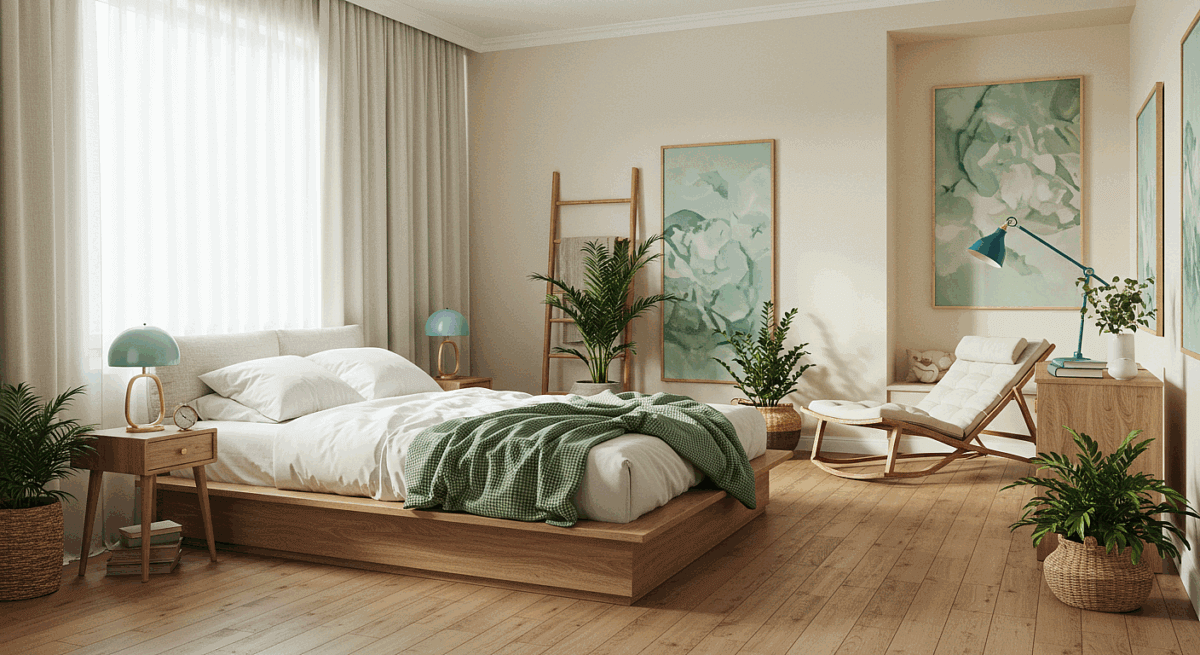
how to make a new home feel familiar

The Right Start Begins with the Right Exit

Getting comfortable in a new space often depends on how smoothly you left the old one. That sounds counterintuitive, but it’s true. A chaotic move—one full of rushed packing, broken dishes, or stressful logistics—can make it harder to feel calm once you arrive. There’s emotional residue. If the departure was tense, the arrival rarely feels peaceful.

That’s why the process matters. When we moved out of our Midtown apartment last spring, the difference came down to planning. Not in the color-coded binder sense. Just making sure we weren’t scrambling to find help at the last minute.

Working with reliable Memphis movers gave us that breathing room. The load-out was handled. Fragile items weren’t a gamble. And we weren’t dragging into our new place already exhausted and annoyed. That matters. Because how you arrive shapes how you settle in.

You don’t have to hire a premium service or throw money at the problem. But trusting experienced professionals—especially when moving from or within a city like Memphis—can turn a messy transition into a smoother start. And that makes all the difference in how quickly a space feels like home.

Lead with Comfort, Not Design

The temptation to get everything picture-perfect immediately is real. You open your phone, scroll through house tour reels, and think: I need plants in every corner and floating shelves by tomorrow. But let’s be honest. That rush isn’t about aesthetics. It’s about comfort.

The problem? Rushing design choices rarely leads to comfort. It leads to impulse buys, frustration, and rooms that still don’t feel right.

Instead, focus on a few elements that bring emotional ease. Lay out the rug that softens the echo. Put up the curtains that block the glare. Unpack the mug you always reach for and the blanket you can’t sleep without. You’ll know you’re doing it right if your shoulders relax a bit and your brain doesn’t feel like it’s running a checklist.

This isn’t about making things Insta-ready. It’s about making things you-ready. Because a house filled with well-placed throw pillows and nothing familiar still won’t feel like yours. Interior decorators suggest looking for vintage leather furniture that make you feel very connected to the space and reflect your personality over passing trends. Pieces with character and history often create a sense of comfort that newer items can’t easily replicate.

Use Scent and Sound to Set the Mood

Memory lives in more than just visuals. Your brain ties feelings to scent and sound faster than to most other senses. If your new place feels sterile or strange, try starting with smell.

Light the candle you always lit in your old space. Diffuse the same oil you used to keep near your bed. Bake something simple that reminds you of a place where you felt at ease—even if that place was just your last studio apartment with the loud upstairs neighbors.

Sound works the same way. Play your morning playlist on the first day, even if your speakers are still sitting on the floor. Turn on your favorite background noise when cooking or cleaning. These small sensory rituals signal to your brain: this is familiar. This is safe.

It’s not about pretending nothing’s changed. It’s about connecting the new with what already feels right.

Don’t Wait for the “Final Version”

Many people treat moving like a game of “finish the room.” They hold off on inviting friends, setting routines, or truly relaxing until everything is decorated and done. That can take months—sometimes years.

The truth is, there is no “final version” of a home. Life keeps changing, and your space should, too. Start living in it before it’s perfect. Eat dinner at the dining table, even if the chairs don’t match. Host a movie night with throw blankets instead of a finished couch setup. Invite friends over before all the art is hung.

Memories don’t wait for perfection. The faster you start building them, the faster your home feels lived in.

Bring the Old into the New

You don’t have to reinvent your identity just because you changed addresses. In fact, trying to start completely fresh can make you feel unanchored.

Keep a few items from your old space that carry personal history—even if they don’t match your new aesthetic. Maybe it’s an old lamp, a poster you’ve had since college, or your mismatched dish set that’s been with you through five moves. These things create visual continuity and tell your story back to you when you’re in a new environment.

Think of it like stitching your past life into your present one. You’re not erasing where you came from—you’re layering it into something new.

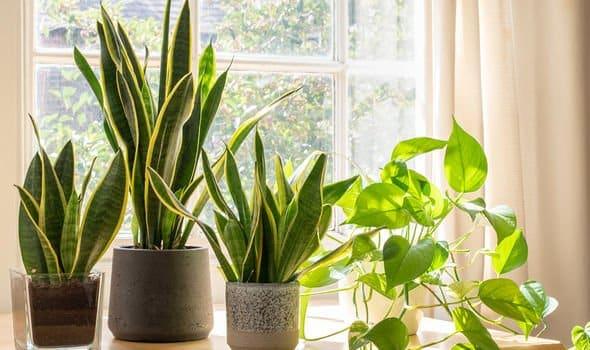
moving to a new home

Let Time Do Its Quiet Work

No matter how carefully you unpack or decorate, no new space will feel familiar overnight. And that’s okay. Familiarity builds in the everyday stuff—cooking dinner, misplacing your keys, watching the light shift through the windows.

One day, without realizing it, you’ll walk into your home and feel something settle. You won’t remember when it happened, just that it did. That’s the moment when unfamiliar becomes comfortable.

Until then, the best you can do is show up. Live in your space. Be patient with it. Let it learn you while you learn it.

Familiar Takes Practice

Making a new home feel familiar isn’t a one-and-done checklist. It’s a process of re-creating comfort while letting new experiences shape the space. From a smooth start with the right help to tiny choices that bring calm, the journey is less about how fast you settle in and more about how intentionally you do it.

So unpack the small things first. Cook something you love. Light that candle. Hang one picture, not ten. Your home doesn’t become familiar in a weekend. But piece by piece, day by day, it does.

And that’s when it really starts to feel like yours.

How to Know When It’s Time to Upgrade Your Home’s Exterior

0 · May 28, 2025 · Leave a Comment

Have you ever pulled into your driveway and felt like your home’s spark is starting to fade? I get it. As a mom who loves turning our house into a warm, welcoming space with a touch of charm and creativity, I often find myself focused on the inside—crafting, decorating, and DIYing to my heart’s content. But every once in a while, I step back and really look at the outside. That faded siding, chipped paint, or worn-out roof? They’re not just cosmetic issues—they’re signs it might be time to upgrade your home’s exterior.

It’s easy to put off outdoor projects when you’re juggling family life and everything in between. But caring for your home’s exterior is about more than curb appeal. It’s about protecting the space where your family laughs, grows, and makes memories.

In this post, I’ll walk you through the key signs that it’s time to give your exterior some love—so you can keep your home safe, stylish, and energy-efficient for years to come.

When Is It Time to Upgrade Your Home’s Exterior?

Visible Wear and Tear on Siding or Paint

One of the most noticeable signs your home needs an upgrade is peeling paint or damaged siding. When the outside layers of your home begin to fade, crack, or chip, it’s a clear signal that the materials are breaking down. This can leave your home exposed to moisture, pests, and mold. The longer you wait, the more damage can occur. Damaged siding also makes your home look older than it is, which can affect its value.

Paint that peels or bubbles often means moisture is trapped beneath the surface. This could lead to wood rot or mildew. If you see these problems in more than one area, patching won’t be enough. Repainting or replacing siding is a solid investment that boosts both looks and function. When you upgrade now, you avoid major repairs later and enjoy a cleaner, fresher-looking home.

A Neglected Yard

A yard that’s been left unattended can be one of the clearest signs your home’s exterior needs attention. Overgrown grass, bare patches, and outdated landscaping make even a well-maintained house feel tired, and they often hint that outdoor spaces are no longer working for your lifestyle. Landscape designers often recommend adding long rectangular planter boxes in areas that lack definition, giving structure back to the yard while making upkeep more manageable. Small changes like this can instantly refresh the look of your exterior without requiring a full overhaul.

Beyond appearance, a neglected yard can affect how you actually use your outdoor space. Cracked walkways, uneven ground, or cluttered corners discourage kids from playing outside and guests from lingering. Refreshing these areas not only boosts curb appeal but also creates an exterior that feels just as welcoming and functional as the inside of your home.

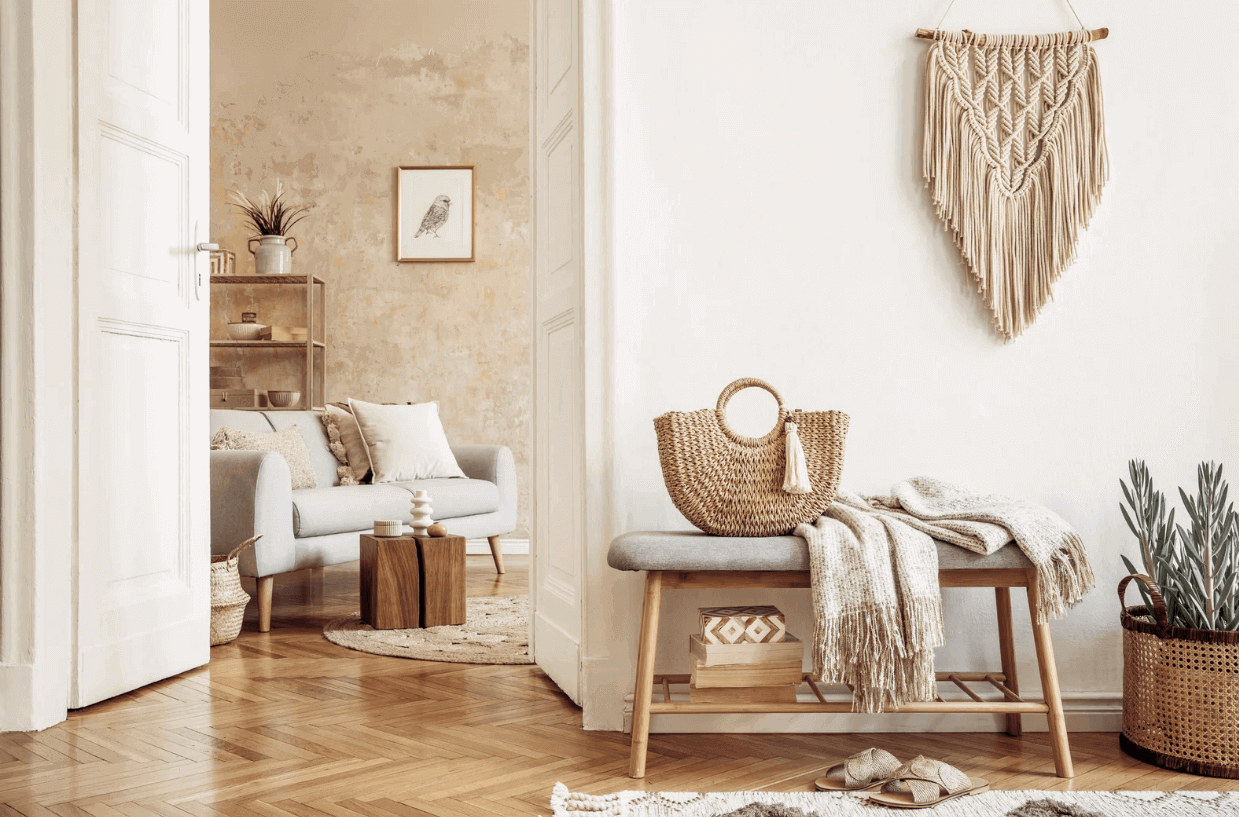
chipped paint on home exterior

Aging or Damaged Roof

Your roof takes a lot of abuse from wind, rain, sun, and snow. Over time, shingles may start to curl, crack, or fall off completely. This is especially common in places like Northwest Arkansas, where strong storms and sudden weather shifts are part of the yearly cycle. If you see dark spots, sagging, or moss growth, these are big red flags.

An old roof is more likely to leak, causing damage to walls, insulation, and even the electrical system. When these problems appear, it’s better to reach out to an experienced provider of roof replacement in Northwest Arkansas and take action sooner rather than later.

Addressing these issues promptly often requires the expertise of qualified local professionals. If you’re based in Missouri, consider contacting Gorilla Roofing for dependable service in assessing and resolving your roofing concerns.

If you find yourself searching Google using the term, “roof replacement company near me“, that may be your sign that the damage is beyond simple fixes. A local expert can help assess the current state of your roof and offer solid solutions. A new roof may seem like a big cost upfront, but it can save you thousands over time. It will also improve your home’s energy efficiency and increase its market value.

Higher Energy Bills Than Usual

Have your energy bills been creeping up even though your usage hasn’t changed? That could mean your home’s exterior is no longer doing its job. Windows and doors play a big part in keeping your home insulated. If they’re old or poorly sealed, they let heat escape in the winter and let hot air in during the summer. The same goes for siding and roofing that have aged or become damaged.

Drafts and cold spots in the home often mean there’s air leaking through cracks or gaps. Upgrading these exterior parts helps seal your home properly. That makes your heating and cooling systems work less, which can lower your bills. An energy-efficient exterior keeps your home more comfortable year-round, and that alone can make the upgrade worth it.

Cracks in the Foundation or Walls

Cracks in your exterior walls or foundation are more than just a cosmetic issue. They could point to serious structural problems. Even small cracks can allow water to seep in, which may cause mold growth or weaken your home’s structure. These problems don’t go away on their own and often get worse with time and weather changes.

If you spot cracks near windows, doors, or along your foundation, it’s smart to get them checked by a professional. Sometimes, the fix is small, but other times, it means a larger upgrade is needed. Strengthening your home now helps avoid bigger problems and costs down the road. It also gives you peace of mind knowing your home is safe and secure.

Outdated or Broken Windows and Doors

Windows and doors not only let in light and air but also affect your home’s safety, energy use, and overall feel. Older models may have single-pane glass, loose frames, or broken seals. These problems can make your home less comfortable, allow drafts, and even make it easier for burglars to get in. If your windows and doors are hard to open, close, or lock, it’s time for a change.

Replacing outdated windows and doors can give your home a whole new look. It also improves insulation, lowers energy bills, and adds extra security. Modern designs come with stronger materials, better seals, and stylish options to match your taste. It’s a simple way to make your home feel more modern while solving common issues.

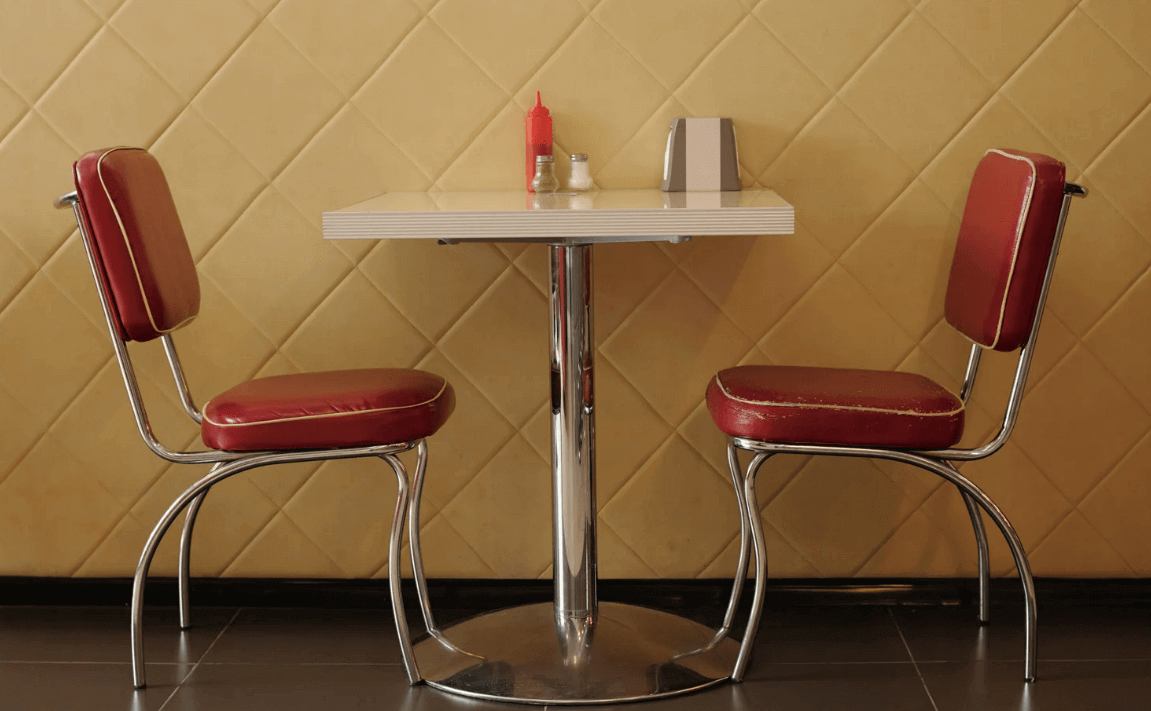
Time to Upgrade Your Home's Exterior

Rotting Wood or Moisture Damage

Wood trim, decks, and porches are especially prone to rot over time. This usually happens because water gets trapped in or around the wood. If your porch feels soft when you step on it, or if paint keeps peeling off wood trim, that’s a sign of hidden moisture damage. Left untreated, the rot can spread, weakening the structure and attracting pests like termites.

Moisture damage isn’t always easy to see at first. Look out for dark spots, spongy areas, or a musty smell. Fixing small areas of rot might work for now, but a larger upgrade could be the smarter move. New, water-resistant materials can prevent this issue in the future. You’ll enjoy a cleaner, safer exterior that stands up better to weather and time.

In conclusion, your home’s exterior plays a big role in how safe, comfortable, and attractive your living space is. Paying attention to signs like damaged roofing, higher energy bills, or worn-out siding helps you act before small problems turn into big ones. Every upgrade you make to your home’s outside brings lasting benefits—not just in how it looks, but in how it feels and functions. Think of these updates not as chores but as smart steps toward protecting your home and your future.

More Tips to Upgrade Your Home’s Exterior

Upgrading your home’s exterior might not be as exciting as a kitchen makeover or a new gallery wall, but it’s one of the most rewarding investments you can make in your family’s comfort and safety. Whether it’s replacing that leaky roof, sealing up drafty windows, or swapping out rotting trim for something fresh and weather-ready, each step helps protect the heart of your home.

As someone who’s all about adding beauty and function to our everyday spaces, I see these upgrades not as chores but as creative opportunities. When you upgrade your home’s exterior, you’re not just fixing problems—you’re giving your home a fresh breath of life and making sure it stands strong for all the beautiful memories still to come. So go ahead, take a walk around your house today—you just might be inspired to start your next big (or small!) outdoor project.

8 Useful Tips for Families Moving Abroad

0 · May 28, 2025 · Leave a Comment

As a mom who dreams in snapshots and sees the world through a lens of creativity and curiosity, the idea of moving abroad as a family feels like a grand adventure waiting to unfold. Sure, it’s a leap but what a beautiful leap it can be! Whether you’re following a new job opportunity, reuniting with loved ones, or just ready for a fresh chapter under different skies, there’s something magical about starting over in a new place.

That said, making a big move like this takes more than wanderlust. From passports to playdates, there are so many moving pieces when you’re relocating with kids in tow. These eight tips are packed with practical wisdom to help make your international move feel a little less overwhelming and a lot more doable.

Tips for Families Moving Abroad

Self-Care

The stress of moving countries can take a toll on your physical and mental health.

Prioritize self-care by ensuring you and your family maintain a balanced diet, exercise frequently, and get enough sleep. Your health is the foundation of your existence and directly impacts your ability to enjoy this exciting new chapter.

Keep an open mind and remember that it will take time to properly adjust and adapt to your new environment. If, after a few months, you are struggling to cope, seek professional help.

family moving abroad

Research Your Destination Country

The best way to research your destination country is by asking other expats.

There are excellent resources available online, such as blogs and websites. Look up each city and read what other people who have lived there experienced.

Use those as merely a guideline. Take each report with a healthy grain of salt, because experiences depend on perspectives. For example, a single mom will have a totally different experience of a city than that of an eligible male bachelor.

Learn The Language

Living in a new country can mean a change from your native language, which is a good thing. It is a family adventure!

Learning a new language is a bold step towards fully embracing your new country’s culture, plus, the locals will appreciate the effort! It takes time to learn a language fluently, which varies depending on the complexity of the language, the amount of time spent practicing, and the learner’s proficiency level.

It is a gradual process that requires persistence and patience.

Navigating Healthcare

Before moving overseas, ensure that you have prioritized your healthcare needs.

Get a full check-up, get all vaccinations up-to-date, and ask your existing doctor for a copy of your medical history.

This report should include any prescription medications and allergies, a detailed history of any procedures or operations you or your family have had.

Research and get comprehensive global medical insurance to give you peace of mind while you are abroad. That way, if anything happens to you or your family while you are overseas, you will have access to quality healthcare.

Legal Considerations

You cannot just wake up one day and move abroad.

This process involves considerable legal processes, such as passport and visa requirements. There are also tax implications that must be thoroughly understood.

Addressing these issues is crucial because a move of this magnitude takes prior planning and professional advice. Understanding and meeting the legal requirements for entering and residing in a new country is essential.

Accommodation Tips

Finding suitable accommodation abroad is a crucial step.

When people have a place to call home, they acclimate faster. Staying in a hotel perpetually is impractical, impersonal, and expensive! That does not mean one should rush out and buy the first house within budget.

Stay in a furnished long-term rental until you have found something you and your family love. Depending on where you are moving from, it can take a few months for your shipped items from home to arrive.

Shipping or Storage

As strange as it sounds, when moving abroad, taking your possessions with you can cost more than buying new stuff once you land.

International shipping costs can be exorbitant, and that is just for getting the items overseas; then there are still the costs of getting the items from the port to your new home.

Do the calculations – if you do not plan on returning to your native country, then consider selling your items to help pay for the move.

If you anticipate returning in a couple of years, it might be more affordable to store your items instead of shipping them there and back.

Homesickness

There is no magic cure for homesickness. It is part of what makes us human.

When you move abroad, you must take the good with the bad and the happy with the sad. That will likely mean missing birthday parties and milestones back home, but social media and video calls have made that somewhat more bearable.

While you can always get your fix of home by going there, it will likely not be cheap to travel there and back every time you feel like you are missing out.

tips for families moving abroad

Is Your Family Ready for the Move?

Moving your family abroad is no small feat, it’s bold, brave, and full of unexpected lessons. But with thoughtful planning, a flexible mindset, and plenty of grace (for yourself and each other), it can be one of the richest experiences you’ll ever share as a family.

There will be homesick days and hiccups, but there will also be new traditions, cherished memories, and a deeper bond from navigating this journey together. So pack your patience, bring your sense of humor, and remember—you’re not just moving your things, you’re building a whole new life. And what a beautiful life it could be.

Upgrading Your Home: 7 Key Traits to Look for in a Handyman

0 · May 28, 2025 · Leave a Comment

Thinking of upgrading your home but not sure who to trust with the work? Any friend of yours might suggest checking on Google for nearby professionals. You searched for it only to feel overwhelmed by the options?

If the above situations are relatable, then you may juggle with a lot of nuances at the moment. However, you should know that you’re not alone. Every mindful owner who’s thinking of a home refresh has to face similar circumstances.

But as they say, “Focus on solutions instead of problems.” So, how do you differentiate the good handymen from the crowded market all over? Well, don’t worry! This article will help you make a good choice by stating which qualities you should consider when going on a hunt for experts!

1. Wide Range of Skills

When there is a lot of chaos or factors start affecting the home, only then does a common homeowner think of an upgrade. So, it goes without saying that you have multiple duties for the experts to perform, like:

  • Fixing drywall and hanging doors,
  • Replacing fixtures,
  • Interior painting,
  • Faucet replacement,
  • Basic plumbing repair,
  • Basic Electrical work, and more.

For all of them, you want someone who can confidently handle a multiplicity of tasks efficiently. As, in turn, it saves time and money if the handyman can switch from fixing a cabinet to mounting your new flat-screen TV. That, too, all in one visit.

So, when speaking with a potential hire or searching on Google, like “Handyman near me,” see their full range of services. Reputable professionals provide a broad skill set and are transparent about what they do best.

Traits to Look for in a Handyman

2. Strong Communication

Nothing’s worse than waiting days for a return call. Or having someone show up late without notice. In short, this type of work demands clear and professional communication.

So, before finalizing any handymen, check their reliability. To differentiate from the rest, the professionals will always follow the standard norms, like:

  • Responding promptly,
  • Explaining the work clearly,
  • Offer timelines,
  • Providing estimates in writing.

Moreover, they listen to the client’s ideas as well as concerns. The crux is that great communication shows respect for your time. Plus, it ensures fewer misunderstandings throughout your home project.

3. Attention to Detail

It’s the little things that separate a good expert from others. For example, the experts look for very fine details, like:

  • Does the paint job have clean lines?
  • Are the shelves on the proper level?
  • Is the caulking neat?

Still, if they face any such situations, they take steps to rectify them. They make sure that upgrades in your home feel polished and complete. All in all, a skilled handyman double-checks their work and treats your home as if it were their own.

Tip: When researching, check online reviews and photos of past projects to get a sense of their craftsmanship.

4. Punctuality and Reliability

Time is valuable. A professional handyman should:

  • Show up when promised,
  • Complete the work on schedule,
  • Stick to agreed deadlines.

If a delay happens (because sometimes it does), they’ll communicate it clearly in advance. All in all, consistency builds trust.

5. Proper Licensing and Insurance

No matter how simple a task may seem, always make sure the professionals are properly licensed and insured. This protects both you and them if something goes wrong during the project.

Professional handymen understand the risks involved in home improvement and will gladly show proof of insurance or licensing when asked. It’s a sign of their professionalism level and gives you peace of mind.

6. Positive Local Reputation

Word of mouth still matters. Be it through online reviews, social media, or neighbors’ recommendations. A good handyman will have a track record of satisfied customers.

That’s why you should check online for their reviews. Look for comments about quality, punctuality, and professionalism. Even better—ask friends or family in your area if they’ve worked with someone you trust.

Upgrading Your Home with the Help of a Handyman

7. Problem-Solving Skills

Upgrading your home isn’t always straightforward. Sometimes, once a wall is opened or an appliance is removed, you discover unexpected issues.

A skilled handyman won’t panic in such situations or leave the job unfinished. Instead, they’ll do the following:

  • Calmly explain the situation,
  • Suggest solutions,
  • Adapt to changing circumstances without cutting corners.

Good problem-solvers stay calm under pressure and always aim to find the best fix for your home and budget.

Final Thoughts

Home upgrades should feel exciting, not stressful. When you hire an expert with the right traits, the entire experience becomes smoother and safer.

So, next time you search for a handyman, keep these seven key traits in mind. It’s not just about finding someone with tools. Rather, it’s someone with integrity, skill, and a true passion for improving homes.

  • « Go to Previous Page
  • Page 1
  • Interim pages omitted …
  • Page 44
  • Page 45
  • Page 46
  • Page 47
  • Page 48
  • Interim pages omitted …
  • Page 70
  • Go to Next Page »

Primary Sidebar

Heather from Whipperberry
Hello... my name is Heather and I'm the creator of WhipperBerry a creative lifestyle blog packed full of great recipes and creative ideas for your home and family. I find I am happiest when I'm living a creative life and I love to share what I've been up to along the way... Come explore, my hope is that you'll leave inspired!

Footer

  • Privacy Policy
  • Crafts
  • Food
  • Gifts
  • Holidays
  • Home
  • Mom Life
  • Recipes
  • Travel

Copyright © 2026 · Seasoned Pro