• Skip to primary navigation
  • Skip to main content
  • Skip to primary sidebar
  • Skip to footer

Whipperberry

WhipperBerry • Your Home For Creative Inspiration

  • Home
  • Recipes
    • Starters
    • Easy Weeknight Dinners
    • Main Dish
    • Salads
    • Side Dish
    • Soups & Stews
    • Desserts
    • Breakfast
    • Miscellaneous
  • Tutorials
    • Creative Crafts
    • DIY Decor
    • Fabric Crafts
    • Food How-To
    • Jewlery
    • Paint Projects
    • Paper Art
    • Party Styling
    • Photography and Graphic Design
    • Silhouette
  • Holidays
    • Easter
    • Mother’s Day
    • Father’s Day
    • 4th of July
    • Halloween
    • Thanksgiving
    • Christmas
    • Valentine’s Day
  • Gift Ideas
    • Gifts For Everyone
    • Gifts for Dad
    • Mother’s day
    • For The Girls
    • For The Kids
    • Teacher Gift Ideas
    • Christmas
  • Printables
    • Holiday
    • Gift Idea
    • LDS Primary
  • Travel
  • About
    • Terms
  • Contact
  • Nav Social Menu

    • Facebook
    • Instagram
    • Pinterest
    • RSS
    • Twitter

In the Kitchen

The One Kitchen Change I Wish I Had Made Sooner

0 · May 13, 2026 · Leave a Comment

There are home improvements that get all the attention. The new backsplash. The cabinet refresh. The pendant lights that finally make the kitchen feel like the space you always imagined. Those are the changes that end up in photos and get shared with friends.

And then there are the quiet ones. The ones that do not photograph well but somehow make every single day feel a little better. For me, switching to filtered water was one of those.

Why I Finally Did Something About It

I had been meaning to look into home water filtration for years. Not because anything was obviously wrong with our tap water. It tasted fine, looked clear, and passed whatever the utility sends out every year. But I kept reading about what can be present in treated water even when it meets legal standards. Disinfection byproducts. Trace lead from older pipes. Compounds that form during the chlorination process. None of it alarming on its own, but enough to make me curious.

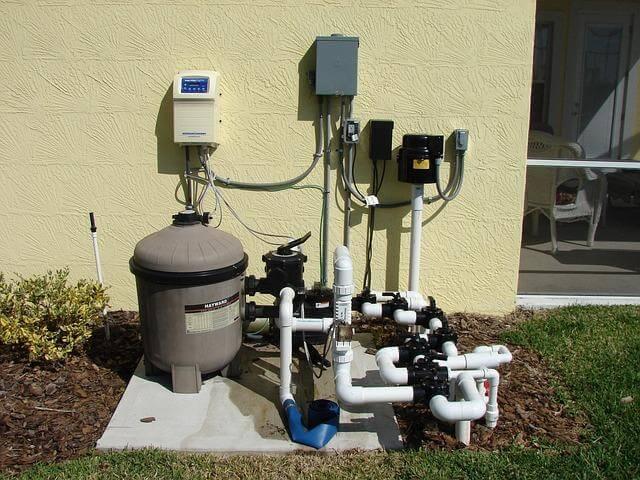
Two pipes next to a building

What finally pushed me to act was coming across 8 independent lab results comparing different filter types against the same residential tap water source. There is a real difference between a filter brand claiming it removes contaminants and seeing the actual before and after numbers from certified testing. Seeing that data laid out clearly made the decision easy.

What the Data Actually Showed

The thing that surprised me most was how differently filter types perform. A basic pitcher filter and a reverse osmosis system are not just different price points. They address completely different problems.

Disinfection byproducts like trihalomethanes showed up at 31.83 parts per billion in untreated tap water during independent testing. After filtration through certified systems those same compounds came back at non-detect. That gap between what comes out of the tap and what comes out of a properly matched filter is what I kept coming back to.

The other thing worth knowing is that not all filters reduce the same contaminants. A filter that improves taste and odor is not the same as one that removes lead or PFAS. Matching the right filter to your actual water is the step most people skip.

How It Changed Daily Life

The changes were smaller than I expected and more noticeable than I anticipated. Both things at once.

The water tastes different. Not dramatically, but in the way that you notice when you drink a glass and do not think about it at all. No faint chlorine edge. No aftertaste. Just water.

Two glasses side by side

Cooking changed slightly too. I use filtered water for pasta, soups, anything where water is actually an ingredient. Whether that makes a measurable difference I cannot prove, but it feels like the right call.

The biggest practical change was stopping the bottled water habit. We were going through a case or two a week without really tracking it. The cost adds up faster than you realize and the plastic waste was always in the back of my mind. Both of those went away.

What to Think About Before Buying

The options are overwhelming if you start researching without a framework. A few things that helped me narrow it down:

  • Test your water first. Your local utility publishes an annual water quality report that shows what has been detected in your supply. That is the starting point before buying anything.
  • Match the filter to the problem. A carbon pitcher handles chlorine taste and odor. A reverse osmosis system handles lead, PFAS, nitrates, and dissolved salts. They solve different things.
  • Think about installation realistically. Under-sink systems require plumbing work and a dedicated faucet. Countertop and pitcher options need nothing. Where you land depends on your kitchen setup and comfort level.
  • Check for published lab results. Filter brands make a lot of claims. The ones worth trusting publish actual third-party test results rather than just certification badges on the box.

The Change Nobody Talks About

Kitchen with wooden table and white cabinets

A water filter does not make a great photo. Nobody is going to comment on it at a dinner party. It does not change how the kitchen looks.

But it is one of those changes that works in the background every single day. Every glass of water, every pot of coffee, every time the kids fill up a bottle before school. Small moments that quietly add up.

If you have been putting it off the way I did, it is worth an afternoon of research. The data is more accessible than it used to be, the options are better than they have ever been, and the difference in daily life is more noticeable than you might expect.

How to Extend the Lifespan of Your Home Appliances

0 · Mar 31, 2026 · Leave a Comment

Key Takeaways

  • Routine cleaning and maintenance are crucial for preventing appliance breakdowns and improving efficiency.
  • Following manufacturer instructions ensures proper usage and preserves appliance performance.
  • Timely replacement of small parts reduces the likelihood of major repairs.
  • Adopting energy-efficient habits benefits both your wallet and your appliances.
  • Environmentally responsible disposal keeps hazardous materials in check and promotes recycling.

Keeping a home running smoothly takes a lot of behind the scenes work, and our appliances do a big part of that job every single day. From washing piles of laundry to helping get dinner on the table, we rely on them more than we think. The good news is that with a few simple habits, you can help extend the lifespan of your home appliances.

As a busy household, finding ways to save time and money matters. Taking care of your appliances does both. When you clean them regularly, use them the right way, and fix small issues early, you can avoid bigger problems later on. And when you do need replacement parts, SamsungParts is a helpful resource for finding the right fit to keep everything running smoothly.

A little effort goes a long way. Not only will your appliances work more efficiently, but you will also cut down on waste and avoid replacing them too soon. It is a simple step toward a more organized, budget friendly, and sustainable home.

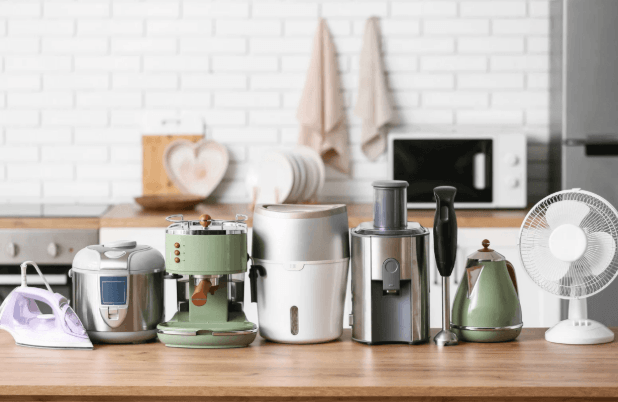
home appliances

Regular Cleaning and Maintenance

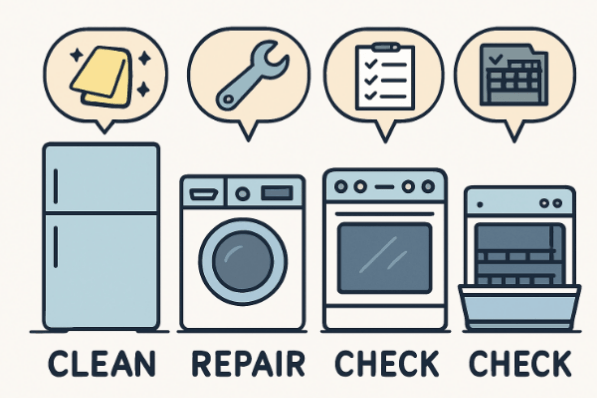
One of the easiest ways to prolong appliance lifespan is through consistent cleaning and checkups. It may not be the most exciting task, but it really does make a difference. For example, dust and debris can build up on refrigerator coils over time, which makes the fridge work harder than it should. Giving them a quick clean a couple of times a year can help everything run more smoothly.

The same goes for ovens and microwaves. Wiping up spills as they happen helps keep heating even and prevents lingering smells that are hard to get rid of later.

Washing machines and dishwashers also need a little extra care. Detergent and mineral buildup can slowly affect how well they work. Running a cleaning cycle or using a specialty cleaner every now and then helps clear out that buildup and keeps things fresh. With these small habits, your appliances stay reliable and run more efficiently, which makes everyday routines just a little bit easier.

extend the lifespan of your home appliances

Adhering to Manufacturer Guidelines

It can be tempting to skip the manual and just figure things out as you go, but those instructions are there for a reason. Every appliance is a little different, and following the recommended guidelines can help you avoid damage and keep everything working the way it should.

For example, laundry machines come with suggested load sizes. It is easy to toss in a few extra items, especially on a busy day, but overloading can put extra strain on the motor and drum over time.

The same idea applies to cleaning products. Using the right detergents and parts helps prevent buildup and keeps the appliance running smoothly. Taking a few minutes to follow these simple guidelines can save you from bigger headaches later and help your appliances last as long as possible.

Proactive Replacement of Small Parts

It is easy to overlook the small parts inside your appliances, but they play a big role in keeping everything running well. Things like hoses, seals, belts, and filters may not seem like a big deal, but when they wear out, they can affect how the whole appliance works.

For example, refrigerator water filters usually need to be replaced every six months to keep the water clean and the system working properly. It is one of those small tasks that is easy to forget but makes a big difference.

The same goes for door seals on refrigerators, ovens, and dishwashers. When they start to wear down, air can leak out, which makes appliances work harder and use more energy. Taking a few minutes to check and replace these parts when needed can help prevent bigger issues and keep everything running smoothly for the long run.

Energy-Efficient Practices

The way you use your appliances each day can make a big difference in how long they last. A few small habits can help reduce wear and keep everything running more smoothly.

For example, waiting until you have a full load before running the dishwasher or washing machine saves both water and energy while putting less strain on the appliance. It is a simple change that quickly becomes part of your routine.

Setting your refrigerator and freezer to the recommended temperatures also helps. When the settings are too low, the appliance has to work harder than necessary. Many newer appliances also come with energy-saving modes, which are worth using when you can.

If your schedule allows, running appliances during off-peak hours can also help reduce energy use and ease the load on your machines. These small, everyday choices add up over time and help your appliances keep up with your busy home.

Proper Disposal of Old Appliances

Proper disposal of appliances that are beyond repair is essential for protecting the environment and complying with local regulations.

Many appliances, including refrigerators, air conditioners, and washing machines, contain hazardous materials such as refrigerants, lead, mercury, and other heavy metals that can harm ecosystems if released.

To minimize environmental impact, contact a certified recycling center or your local municipal waste program for guidance on safe handling and recycling procedures.

Some communities offer convenient pick-up services for bulky appliances, making responsible disposal easier. Following these steps ensures that appliances are processed safely, valuable materials are recovered, and environmental harm is prevented.

You Can Extend The Lifespan of Your Home Appliances

Taking care of your home appliances does not have to feel complicated or time consuming. With a few simple routines like regular cleaning, following basic guidelines, and replacing small parts when needed, you can keep everything running smoothly for years.

As someone who loves creating a cozy and functional home, these small habits can make a big difference. They help you save money, reduce waste, and avoid the stress of unexpected breakdowns. And when it is time to replace an appliance, choosing proper disposal methods helps protect the environment too.

With just a little extra care, your appliances can keep up with your busy home and support your daily routines without the extra hassle.

Convection or Conventional – Which Fits Your Kitchen?

0 · Dec 23, 2025 · Leave a Comment

When deciding on the type of oven to use, it’s important to understand that there are two distinct categories; convection or conventional. While both types perform the same tasks, one may suit your individual needs better than the other depending on factors such as the size of your kitchen, how often you cook and what you expect from the oven. The following article compares and contrasts these two types of ovens.

How Each Oven Works

In a convection oven, air is heated from all directions equally, which creates an even cooking environment. In conventional ovens, heat is radiated and creates hot spots.

Food cooked in a convection oven will brown quicker and more evenly due to the movement of air. With conventional options, the area above the food is hotter than the area below, and the food on top is browner than the food below.

A small amount of moisture will be lost with convection ovens but conventional ovens help maintain moisture

Match the oven to what you cook most.

Convection or Conventional Oven

Photo by ready made on Pexels

Roasting vegetables

When roasting vegetables, convection usually gives you the best result when you’re looking for a crispy edge on your caramelized vegetables. The movement of air through the convection fan helps to remove the moisture from the surface of the vegetable, thus promoting more even caramelization.

Baking

Convection ovens bake bread and pastry products more evenly than a traditional oven, but there is a risk of drying out, or setting too early. Thin, light-weight items are better suited for conventional baking, while thicker and heavier items are better suited for traditional ovens.

Reheating

Convection ovens help re-heat leftovers like roast chicken, pizza, and French fries, without sogginess.

Slow Cooking

The ideal choice for slow and forgiving (set-it-and-forget-it) cooking is conventional oven because it provides the same predictable performance that people have come to expect from standard-sized oven units.

Space, Budget and Real Life Issues

A full-sized convection range oven generally occupies the same area on your countertop as a conventional oven. However, its cost is typically greater. If the available area in your kitchen is limited, small countertop convection ovens may be a better option for you.

Countertop convection ovens perform the same functions as larger ones. You will want to look into an assortment of professional convection ovens online to determine how they stack up against one another based on your need for usable workspace, watts used, and the dimensions of the racks.

A conventional oven is a great option if you’re looking to lower your initial investment in an oven. While the upfront cost may be higher, in time you will save on utility and food expenses.

Affordable countertop convection ovens provide the necessary workspace to bake while being significantly cheaper than physically constructing or renovating a full size kitchen particularly in a rental property or RV.

Here are some specifications that will affect how you will use your compact or countertop convection oven on a daily basis:

  • What’s the internal capacity? Will it fit a quarter size sheet pan, or a small roast?
  • How strong is the fan? A more powerful fan will move the hot air in the oven around more evenly and produce more even cooking and baking results
  • What is the range of temperatures?
  • Do you have multiple rack positions for baking? The more rack position options available, the more versatile the countertop convection oven can be
  • What is the footprint vs. output of the unit? If a countertop convection oven has a large footprint but produces low volume output, it may not be the right option.
oven

Which Type of Oven is Best for You?

Select a conventional oven if:

  • You bake often
  • You prefer a simple design and lower initial investment
  • You’re familiar with rotating baking sheets and making adjustments due to your own kitchen’s ‘hot spots.’

Select a convection oven if:

  • You frequently cook, roast, or reheat food
  • You expect to be able to cook your dishes fast, especially in a smaller kitchen

Endnote

Since every individual has different requirements for a home kitchen appliance, no type of oven will work for every customer. For instance, conventional ovens provide a dependable way to cook food, while convection type ovens heat food via the use of heated air being blown around, to allow users to prepare food at a faster rate using less energy than traditional ovens. A customer’s cooking habits and their available workspace will determine which type of oven best serves them.

How Often Should You Clean Your Grease Trap at Home? Here are 5 Expert Recommendations

1 · Oct 17, 2025 · Leave a Comment

If you’ve ever noticed unpleasant kitchen smells or slow-draining sinks, your grease trap might be trying to tell you something. Your grease trap is an essential piece of equipment that keeps your home plumbing system clean by preventing fats, grease and oils from clogging and damaging your pipes.

However, regular grease trap cleaning and maintenance are essential to keep your home kitchen hygienic, clean, and functioning properly, while protecting your plumbing system from blockages and damage.

However, the big question is often when and how regularly you should clean your grease trap. The answer here depends on a few factors, which we will discuss while looking at some expert recommendations.

Plumber repairing kitchen sink

5 Recommendations on When to Clean Your Grease Trap

The following are some recommendations and considerations for when and how often to clean your grease trap.

1. Follow the “One-Quarter” Rule

The most widely accepted grease trap cleaning standard is the “one-quarter” rule. This suggests that you should clean your grease trap once it is 25% or one quarter full of its capacity with grease, oils and solids. For most homes, this means scheduling grease trap cleaning every 1 to 3 months, depending on how often you cook and how greasy your meals are.

2. Consider Your Cooking Habits

The frequency and types of meals that you cook in your kitchen will also determine how often you should clean your grease trap. If you regularly cook more oil-based meals, you require more frequent cleaning. On the other hand, if you cook less frequently and more water-based meals, cleaning is required less often.

Stove top oven in kitchen for grease trap cleaning tips

The more grease that enters your plumbing system, the faster the trap will fill up. Monitoring your cooking patterns helps you anticipate when your next grease trap cleaning should happen before it becomes a problem.

3. Size and Design of Your Grease Trap

Grease traps vary in size and design, which can influence how often they require cleaning and maintenance. Small household grease traps often require cleaning every month, while medium traps require cleaning every 2 to 3 months, and large external traps require cleaning every 3 to 6 months.

Also, newer models with advanced filtering systems may allow longer intervals between cleanings, but always check the manufacturer’s recommendations for your specific model.

4. Watch for Warning Signs

Even with the most vigilant cleaning and maintenance, there are some telltale signs that your grease trap needs cleaning.

Here are some red flags to look out for:

  • Unpleasant odours near your sink or drains
  • Slow-draining sinks or gurgling sounds when water goes down
  • Grease is floating on top of the trap or backing up into your sink.
  • Overflowing or leaking traps

If you notice any of these, don’t wait; schedule a grease trap cleaning immediately. It’s always better (and cheaper) to act early than deal with full-blown plumbing blockages or property damage.

5. Clean After Hosting Large Gatherings or Events

Another expert tip is to schedule grease trap cleaning or maintenance after a large family event, the holidays or any other celebrations. These occasions usually involve heavy cooking, frying, roasting, and washing up, all of which contribute to a significant buildup of grease, oils, and food solids in a short period of time.

Modern kitchen interior with sink and dishwasher

Even if your grease trap isn’t due for its regular cleaning, giving it attention after big cooking events helps maintain your kitchen’s hygiene and prevents unwanted surprises down the line.

Why You Should Hire a Professional Grease Trap Cleaning Service

Trying to clean your grease trap yourself involves much time, effort and is not a cost-effective or practical method in the long run. Professional grease trap cleaning services, even if it is only for a scheduled major cleaning, are always the best option.

Professionals thoroughly clean your grease trap, inspect it for any damage or blockages, and safely dispose of grease waste according to environmental regulations.

For households with heavy kitchen use, a combination of DIY maintenance and professional cleaning ensures optimal performance and longer-lasting plumbing systems.

Conclusion: A Clean Trap Is a Happy Kitchen

Consistent grease trap cleaning and maintenance is vital to keep your kitchen operating smoothly, protect your plumbing system and stay compliant with regulations.

Hiring professionals ensures thorough cleaning and expert maintenance of your grease trap, even at home. By looking out for the warning signs and following the recommendations, you can easily maintain an efficient and odour-free kitchen without any unnecessary plumbing headaches.

  • « Go to Previous Page
  • Page 1
  • Page 2
  • Page 3
  • Page 4
  • Go to Next Page »

Primary Sidebar

Heather from Whipperberry
Hello... my name is Heather and I'm the creator of WhipperBerry a creative lifestyle blog packed full of great recipes and creative ideas for your home and family. I find I am happiest when I'm living a creative life and I love to share what I've been up to along the way... Come explore, my hope is that you'll leave inspired!

Footer

  • Privacy Policy
  • Crafts
  • Food
  • Gifts
  • Holidays
  • Home
  • Mom Life
  • Recipes
  • Travel

Copyright © 2026 · Seasoned Pro