• Skip to primary navigation
  • Skip to main content
  • Skip to primary sidebar
  • Skip to footer

Whipperberry

WhipperBerry • Your Home For Creative Inspiration

  • Home
  • Recipes
    • Starters
    • Easy Weeknight Dinners
    • Main Dish
    • Salads
    • Side Dish
    • Soups & Stews
    • Desserts
    • Breakfast
    • Miscellaneous
  • Tutorials
    • Creative Crafts
    • DIY Decor
    • Fabric Crafts
    • Food How-To
    • Jewlery
    • Paint Projects
    • Paper Art
    • Party Styling
    • Photography and Graphic Design
    • Silhouette
  • Holidays
    • Easter
    • Mother’s Day
    • Father’s Day
    • 4th of July
    • Halloween
    • Thanksgiving
    • Christmas
    • Valentine’s Day
  • Gift Ideas
    • Gifts For Everyone
    • Gifts for Dad
    • Mother’s day
    • For The Girls
    • For The Kids
    • Teacher Gift Ideas
    • Christmas
  • Printables
    • Holiday
    • Gift Idea
    • LDS Primary
  • Travel
  • About
    • Terms
  • Contact
  • Nav Social Menu

    • Facebook
    • Instagram
    • Pinterest
    • RSS
    • Twitter

Saving Tips

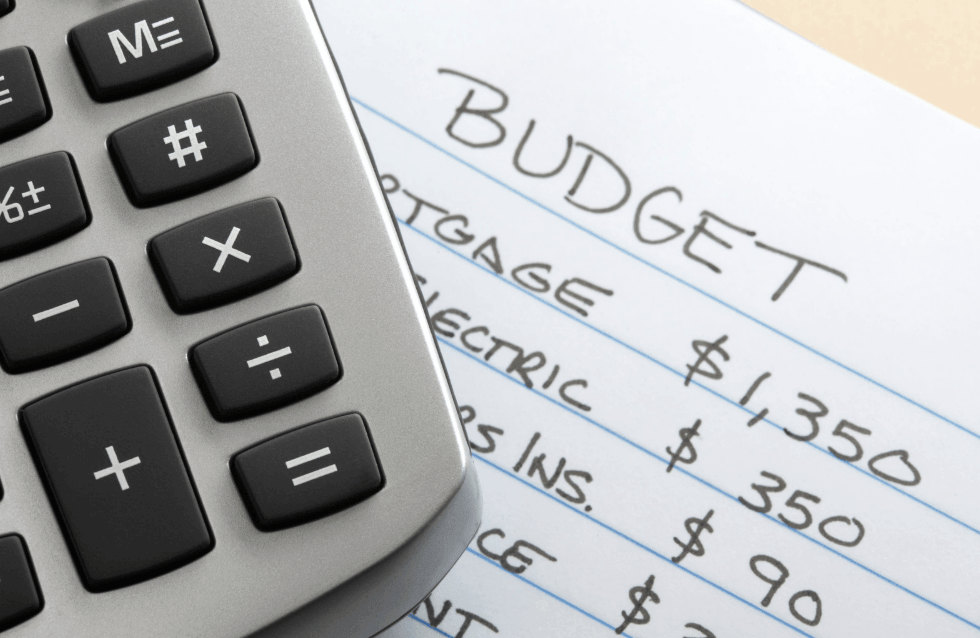
Budgeting for Major Life Changes: Tips for Homeowners

0 · Jul 30, 2025 · Leave a Comment

Life can shift quickly—whether it’s growing your family, switching careers, or taking care of a loved one. These changes often come with new expenses. If you own a home, the financial picture becomes even more complex.

From repairs to renovations, your home might need updates that match your current stage of life. And when big changes happen, having a clear budget helps you stay steady. Planning ahead doesn’t solve everything, but it gives you space to adjust without rushing into choices that strain your wallet.

This guide will walk through major life moments many homeowners face and how to build a budget that supports those shifts. Whether you’re expecting a baby or dealing with unexpected repairs, these tips will help you feel more prepared.

Planning for Home Repairs and Upgrades

One of the biggest costs homeowners deal with is maintenance. Over time, things wear down. Roofs need replacing, appliances stop working, and old plumbing can lead to water damage. These aren’t small expenses, and they tend to show up at the worst times.

Let’s take roof installation as an example. It’s a big job, but it’s one you can’t push off for long. A damaged or leaking roof can lead to problems that affect the rest of your home. If you wait too long, you might be dealing with mold, ruined insulation, or structural issues.

The good news is that you don’t need to make every decision at once. If you think you’ll need a new roof soon, start by getting a free estimate from a local contractor. This gives you a clearer idea of how much the project could cost and lets you plan ahead. You’re not locked into anything, but you’ll have a number to work with—and that helps you budget smarter.

You can also apply this approach to other upgrades, like new siding or window replacements. Quotes don’t cost anything, and they’re useful for mapping out future spending.

Getting ahead of repairs means fewer surprises. It also gives you time to look at your financing options. You might choose to save, use a home equity loan, or pay in phases. What matters is that you’re not caught off guard.

Budgeting for Homeowners

Adjusting Your Budget When Your Family Grows

Adding a child to your household—or even a pet—changes how you spend money at home. You might need more space, more safety features, or higher monthly bills. While some of these costs are small, others take more planning.

If you’re expecting a baby, you may want to update a room into a nursery or upgrade heating and cooling systems. A growing family could also mean more wear on the home. Furniture, flooring, and paint may need replacing sooner.

It helps to look at what you’ll need in the first year and break it into manageable costs. By setting money aside now, you can avoid dipping into emergency savings or relying on credit when those updates become necessary.

Preparing for Job Changes or Career Shifts

A change in income can happen for many reasons. Maybe you’re starting a new role, launching a business, or stepping away from work to care for family. No matter the reason, your household budget may need to shift.

When income becomes unpredictable, home-related costs feel bigger. Even regular bills can become harder to manage if they haven’t been adjusted to match your current situation. That’s why it’s useful to look at your home expenses closely before a career change happens—if possible.

Start by reviewing what’s necessary versus what can wait. Projects like repainting or landscaping can often be delayed. Bigger upgrades, like replacing kitchen appliances or renovating a bathroom, might need to be spread out over time.

If your job change is temporary or seasonal, think about setting aside money during higher-earning months. That way, you can keep up with home costs during slower periods. Even a small monthly buffer can help make a transition smoother.

Career shifts also offer a chance to re-prioritize. You may decide that some projects aren’t urgent. Others might move higher on the list if your lifestyle changes, like working from home more often or needing a dedicated office space.

Taking Care of Aging Parents or Relatives

More people are opening their homes to aging parents or relatives. While it can be rewarding, this change also brings new needs and new expenses.

Your house might require modifications. That could mean adding handrails, installing a walk-in shower, or turning a den into a bedroom. You may also need to widen doorways, add ramps, or change flooring to reduce the risk of falls.

These changes aren’t always cheap. But they often improve daily life for everyone in the home. If you plan early, you can space out the upgrades based on priority and budget.

Beyond home changes, there might be increased utility bills, medical equipment needs, or in-home care costs. It helps to sit down with your household and talk through these changes before they happen. That way, everyone understands what’s needed and what it may cost.

You don’t have to do it all at once. Focus on what will make the biggest difference in comfort and safety. Add other updates as time and money allow.

Budgeting Tips for Major Life Changes

Planning for Unexpected Events

Even with the best plans, things can still catch you off guard. A water heater breaks. A storm damages the roof. Someone gets sick and can’t work for a while. These things are part of life—and they can hit your budget hard.

That’s why it’s important to have a little flexibility built into your yearly home budget. An emergency fund helps cover the unexpected without pulling from credit or long-term savings.

Aim to set aside a small amount each month. It adds up faster than most people think. And when a surprise comes up, you’ll be glad it’s there.

Think about your home as part of your safety net. By giving it the attention and planning it needs, you’re better equipped to handle life’s changes as they come.

Owning a home brings more than just comfort; it also comes with responsibilities that shift as your life does. From growing families to sudden repairs, big changes are easier to manage when your budget reflects your reality. A little planning today can make all the difference when tomorrow looks different than expected.

Conclusion

As a homeowner, life’s changes ripple through every part of your home—emotionally, physically, and financially. Whether you’re growing your family, changing careers, or supporting a loved one, budgeting for major life changes helps you stay grounded and prepared.

It’s not about having all the answers, but rather about creating a plan that gives you room to adapt. With a little foresight, your home can grow right alongside you, one thoughtful step at a time.

Turning Equity Into Opportunity: 5 Family-Friendly Ways to Use a Home Equity Loan

0 · May 28, 2025 · Leave a Comment

Let’s be real. Family life gets busy, and so does the house. One minute the playroom is tidy and the next, it’s a sea of LEGO and laundry. As a mom who thrives on creating cozy, functional spaces and dreaming up new family adventures, I’ve come to appreciate how valuable our home really is—not just as a shelter, but as an opportunity.

If you’ve owned your home for a while, you may be sitting on untapped potential. A home equity loan could be just the thing to turn that hard-earned equity into meaningful upgrades. Whether that’s a long overdue kitchen renovation, investing in your little ones’ education, or even launching that dream side hustle you’ve been daydreaming about during naptime.

These are five intelligent, family-oriented uses for a home equity loan that make good sense.

1. Renovate or Expand Your Living Space

Has your family’s living room become the de facto toy repository? Or is the kitchen stuck in a design time capsule from 1997? Whatever your dream, whether it’s a more open floor plan, long-overdue renovations on that unused basement, or building an extra bedroom for a new addition, home improvements are one of the most common reasons families tap into home equity.

Not only do they make your house more livable, but they tend to boost its selling price. That’s a double bonus. You benefit from the upgrades now and may make more money down the road if you sell.

Home Equity Loan

2. Invest in Education

College fees? Not diminishing. And even if your children are young, private school fees or enrichment classes can quickly add up. A home equity loan can help pay those education expenses without turning to high-interest student loans or dipping into your savings.

Consider it an investment in the future of your children—or even yourself. Returning to school yourself? This might be a savvy way to make it a reality.

3. Consolidate High-Interest Debt

Credit cards, medical bills, car loans—oh my. If you’ve got multiple debts with sky-high interest rates, consolidating them into one manageable monthly payment can feel like a breath of fresh air.

With a home equity loan, you can typically qualify for significantly less than with credit cards. That means more of your money goes toward paying the balance, rather than simply nibbling at interest.

And the cherry on top? You can typically apply for a home equity loan online, so it’s quick and easy—even during lunch or when the kids are napping.

4. Start a Home-Based Business

Got a side hustle idea you’ve been itching to try? Whether it’s opening an online shop, launching a home bakery, or setting up your own photography studio, starting a small business from home has never been more achievable.

Use a home equity loan to finance the cash to get started without putting business loans at risk. Need some equipment? Website design? Initial inventory? You’ve got options—and you don’t have to deplete your savings account to take them.

5. Fund Big Family Surprises

Life has a way of throwing curveballs, like a car that needs an unplanned $3,000 repair or an unplanned medical bill not in the budget. A home equity loan could be a financial cushion during those unplanned times, offering reassurance when life turns unpredictable.

You can also use it towards a big event in your life like a wedding, a long-awaited family reunion, or even an expensive home repair you’ve been putting off.

family reunion

Home Equity Loan – A Few Things to Keep in Mind First

Before you jump, remember: a home equity loan is a loan. Your house is the collateral, so borrow wisely and only what you know you will be able to repay.

Be sure that you distinctly understand the loan terms, including the interest rate, repayment term, and fees. Others prefer a HELOC (Home Equity Line of Credit) instead, which works like a credit card. But a traditional home equity loan delivers fixed payments and certainty for planned projects and budgeted expenses.

Make Your Equity Work for You

At the heart of it, our homes are more than walls and windows. They’re where we build memories, grow as a family, and chase after new dreams. A home equity loan can be a powerful way to support that journey. Whether it’s adding more space for family movie nights, easing the weight of high interest debt, or finally saying yes to that creative business idea that’s been tugging at your heart, it’s all about turning your home into an engine for possibility.

So go ahead and dream big, mama. Your next big move might just start with the equity you’ve already built right there at home.

How to Use Gift Cards to Take Control of Your Monthly Budget

0 · May 9, 2025 · Leave a Comment

If you’ve ever gotten to the end of the month and wondered where your money went, you’re not alone. Budgets look good on paper—but sticking to them in real life is harder than it sounds. Small purchases add up, impulses creep in, and suddenly, your spending is outpacing your plan.

That’s where gift cards can quietly play a big role.

They’re not just for gifting. They’re not just a backup plan. When used intentionally, gift cards are a simple, effective way to create structure in your spending. You can buy gift card as part of your budget strategy, not as an afterthought.

Here’s how.

Use Gift Cards to Limit Categories

Let’s say you’ve budgeted €150 for eating out this month. But every time you grab lunch or order takeout, it’s easy to forget the total. Until it’s too late.

Instead of tracking every euro, buy a €150 food delivery or restaurant gift card at the beginning of the month. Load it into your app or wallet and use only that for eating out.

Once it’s gone, you’re done. No mental math. No budgeting app needed. Just a hard stop that keeps you within your plan.

How to use gift cards

Lock in Spending While You’re Feeling Focused

Everyone’s motivated on payday. That’s when the budget makes sense. That’s when you plan to cook more, spend less, and stick to your goals.

But motivation fades. Two weeks in, you’re tired, stressed, and tempted to tap your card.

Buying gift cards for planned categories – groceries, gas, transit, even entertainment, lets you lock in those smart intentions when your head is clear. It’s like pre-committing your spending before things get chaotic.

Great for Shared Households or Partnerships

Budgeting with someone else? You can use gift cards to simplify shared expenses.

Set a joint amount for groceries or home supplies each month. Buy a digital gift card for that total. Share it. Track the balance. No arguing over who paid what, no awkward math. Just one card, one limit, one plan.

It also reduces the friction around small stuff. You’re not micromanaging every receipt, you’re managing one shared pool.

Avoid Overspending Without Cutting Everything

Some budgeting advice feels restrictive like you’re being told to give things up entirely. But the truth is, most people just need better boundaries, not full bans.

Buying a gift card allows you to say: “Yes, I can spend on this, but only this much.”

It gives you control without guilt. You’re not depriving yourself. You’re staying within a system you created. And that’s much more sustainable over time.

Reduce Risk When Shopping Online

If you’re budgeting while also being cautious about where you spend, gift cards offer an added layer of protection.

Rather than exposing your bank card to dozens of websites, you can use store-specific gift cards to shop with peace of mind. No risk of overdraft. No card fraud. Just a balance with a cap and zero chance of accidental overspending.

Plan for Gifting Throughout the Year

Gifts aren’t just a December problem. Birthdays, weddings, holidays, new babies—they happen all year.

Instead of scrambling every time, you can buy a few gift cards throughout the year as part of your monthly budget. Build a small stash so that when events pop up, you’re ready and not throwing your plan off balance.

Bonus: if you buy them at a discount, you’re saving money in advance.

Buy at a Discount, Use at Full Value

Peer-to-peer platforms and resale marketplaces often offer gift cards below face value. That means you can spend €100 and get a €110–120 value card.

If you’re already planning to spend in a certain category like groceries, digital services, or clothing. This is a way to stretch your money without cutting back.

It’s budgeting smarter, not harder.

use gift cards

How to Start Using Gift Cards in Your Budget

Want to build this into your routine? Here’s a basic framework:

  1. Identify 2–3 spending categories you consistently use monthly

  2. Set a fixed amount you’re willing to spend in each

  3. Buy gift card at the start of the month for each category

  4. Use only the gift card to spend in that area

  5. Track how much easier it is to stay on plan (it usually is)

This doesn’t need to be your entire budgeting method, just a tool. A way to put clear walls around areas where money tends to slip away.

Final Thoughts

Budgeting doesn’t always need new spreadsheets or complicated apps. Sometimes, it just needs better structure.

Gift cards give you that structure – clean, simple, and easy to use. They make your intentions visible. They limit overspending without making you feel restricted. They help you stay accountable without constant tracking.

So if you want more control over your money, start treating gift cards like tools – not leftovers.

Buy gift card and build your budget around real decisions—not impulses.


How to Save When Financing Your Family Vehicle

0 · Apr 9, 2025 · Leave a Comment

Getting a vehicle can feel overwhelming, especially when you’re trying to stay within budget. Many people need something reliable for daily use—whether it’s for school runs, commuting, or weekend plans. Paying all at once is not always an option, so financing you family vehicle becomes the next best path.

However, not all financing options are equal. The good news is that, with the right choices, families can find simple and affordable paths to ownership. This is especially important in areas like Midwest City, OK, where transportation plays a significant role in daily life.

In the article, we’ll show you how to spend less, choose better, and avoid common mistakes when financing your family vehicle.

Understanding the True Cost of Vehicle Financing

When you agree to pay for a car over time, you may not notice the full cost right away. A lower monthly bill might sound good, but longer payment periods can add up. You might pay more in the end without even realizing it.

There’s more to think about than just the sticker price. Interest, loan terms, and added fees can make things more expensive. A short loan with slightly higher payments may save you money in the long run.

Before signing anything, ask questions. What is the total cost? How long will you be paying? What are the fees? Being clear about these points helps you stay in control and avoid extra costs later.

Financing Your Family Vehicle

Flexible Financing Options That Work for Real Families

For many families, traditional auto loans can feel out of reach—especially if their credit history isn’t perfect. That’s why some dealerships take a more accessible, family-first approach to vehicle financing. These businesses offer buy here, pay here (BHPH) options, in-house approvals, and no-haggle pricing designed to simplify the process and eliminate the guesswork.

This model is especially helpful for families who need options that fit tight budgets and credit challenges. One example is dealerships offering used cars for sale in Midwest City, OK, through flexible payments, fast approvals, and a wide range of reliable vehicles. These kinds of services focus on real-world needs—helping people get dependable transportation without added pressure or delays. 

For families who are considering financing options beyond what local dealerships provide, there are specialist lenders and alternative finance providers available online. Services like 118 118 Money offer a range of loan and credit card products in the UK, making it easier for families to compare flexible lending choices—even when they have varied credit backgrounds.

Reviewing all your options before committing ensures you find terms that best fit your household’s financial situation. Many families return to these dealerships because they feel understood, not judged.

How to Spot a Great Deal on a Pre-Owned Vehicle

Not every used car is the same. Some look good but have problems inside. Others may be a bit older but are in great shape. It’s essential to know how to tell the difference.

Start by checking how many miles the car has. Fewer miles often mean the vehicle hasn’t been used as much. Ask about past repairs or accidents. If it has a clean history, that’s a good sign.

Also, look for safety features and comfort tools. Think about what matters most for your family. It could be air conditioning, seat space, or phone connection. Make sure the price makes sense for what you’re getting. A little time spent checking can save big later.

The Benefits of No-Haggle Pricing and Trade-In Incentives

Some dealers offer set prices that don’t change. This is called no-haggle pricing. It saves you from guessing if you got a good deal. You know what you’ll pay upfront.

Another way to save is trading in your old car. This lowers the amount you need to pay for the new one. You won’t get rich, but every bit helps. Many places even offer bonus money if you trade.

Together, these deals make things simpler. You don’t have to argue or wait. Just bring your car in, pick one that fits your needs, and drive away. It’s easy, quick, and can make a real difference to your final cost.

Save on Financing Your Family Vehicle

Mistakes to Avoid When Financing a Family Vehicle

It’s easy to rush when you need a car now. But mistakes can cost a lot over time. One common problem is focusing only on the monthly amount. A smaller bill might seem better, but you might end up paying more over the years.

Another error is skipping pre-approval. Getting pre-approved helps you know what you can afford. It also enables you to stay on track when you start shopping.

Don’t forget about car insurance and other monthly costs. A car that’s too expensive to run is not a good deal. Make sure you check everything first. Read the fine print and ask questions. 

Final Thoughts on Financing Your Family Vehicle

Getting a car isn’t just about looks—it’s about making smart choices. When you know the costs, avoid mistakes, and find fair deals, you save more. Some places truly help, not just sell. Taking your time and choosing what fits your needs leads to better results. It’s not just about driving today—it’s about feeling good about your decision tomorrow.


  • « Go to Previous Page
  • Page 1
  • Page 2
  • Page 3
  • Go to Next Page »

Primary Sidebar

Heather from Whipperberry
Hello... my name is Heather and I'm the creator of WhipperBerry a creative lifestyle blog packed full of great recipes and creative ideas for your home and family. I find I am happiest when I'm living a creative life and I love to share what I've been up to along the way... Come explore, my hope is that you'll leave inspired!

Footer

  • Privacy Policy
  • Crafts
  • Food
  • Gifts
  • Holidays
  • Home
  • Mom Life
  • Recipes
  • Travel

Copyright © 2026 · Seasoned Pro