• Skip to primary navigation
  • Skip to main content
  • Skip to primary sidebar
  • Skip to footer

Whipperberry

WhipperBerry • Your Home For Creative Inspiration

  • Home
  • Recipes
    • Starters
    • Easy Weeknight Dinners
    • Main Dish
    • Salads
    • Side Dish
    • Soups & Stews
    • Desserts
    • Breakfast
    • Miscellaneous
  • Tutorials
    • Creative Crafts
    • DIY Decor
    • Fabric Crafts
    • Food How-To
    • Jewlery
    • Paint Projects
    • Paper Art
    • Party Styling
    • Photography and Graphic Design
    • Silhouette
  • Holidays
    • Easter
    • Mother’s Day
    • Father’s Day
    • 4th of July
    • Halloween
    • Thanksgiving
    • Christmas
    • Valentine’s Day
  • Gift Ideas
    • Gifts For Everyone
    • Gifts for Dad
    • Mother’s day
    • For The Girls
    • For The Kids
    • Teacher Gift Ideas
    • Christmas
  • Printables
    • Holiday
    • Gift Idea
    • LDS Primary
  • Travel
  • About
    • Terms
  • Contact
  • Nav Social Menu

    • Facebook
    • Instagram
    • Pinterest
    • RSS
    • Twitter

Saving Tips

Practical Ways To Regulate Home Temperature Without Raising Your Energy Bills

0 · Feb 16, 2026 · Leave a Comment

Keeping our home comfortable all year has always been important to me. I want my family to feel cozy in the winter and cool in the summer, but I also want to be smart about our budget. Energy bills can sneak up quickly if we are not paying attention.

Over the years, I have learned that staying comfortable is less about expensive upgrades and more about simple habits and thoughtful choices. Small changes around the house can make a big difference. Today I am sharing the practical steps that help our home feel just right without overspending.

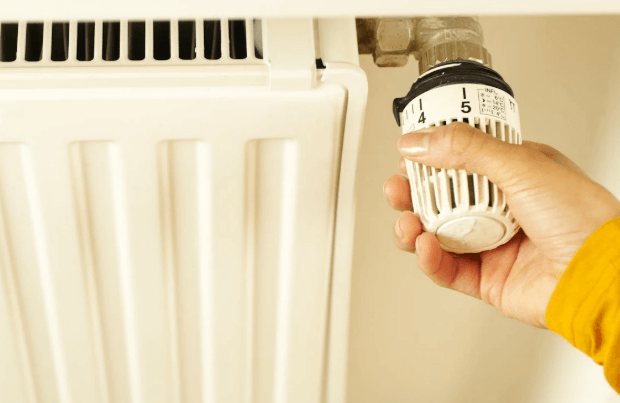
Practical Ways To Regulate Home Temperature

The Basics of Home Comfort

When our house starts to feel too cold or too warm, I do not immediately think about replacing equipment. I start by paying attention to how we are actually living in the space.

For example, I noticed that our back bedrooms always felt colder in the winter. Instead of turning up the thermostat for the whole house, I checked the vents to make sure they were open and not blocked by furniture. I also made sure the kids were not closing them without realizing it. That simple check made a bigger difference than I expected.

I have also learned that little daily habits matter more than we think. Leaving blinds open on a hot afternoon can heat up a room fast. Forgetting to change the air filter makes the system work harder than it needs to. None of these fixes are expensive, but together they really affect comfort.

There are times when professional help makes sense. If your system struggles to keep up during extreme weather or starts making unusual noises, it may be worth calling a trusted local company like Len The Plumber Heating & Air to take a look. I see that as part of maintaining our home, just like servicing a car. Staying ahead of small issues keeps everything running smoothly and prevents bigger headaches later.

For me, home comfort is about consistency. I try to keep the temperature steady so our system does not have to work overtime to catch up. When we avoid big swings up and down, the house feels better and our energy bills stay more predictable.

Preparing for Hotter Summers

The summers where we live have definitely felt hotter in recent years. There are more days when the heat seems to stick around from morning until bedtime. On those stretches, I notice our air conditioner working harder than it used to.

Instead of waiting until the first heat wave hits, I try to prepare a little earlier each year. In late spring, we check that our filters are clean and that nothing is blocking the outdoor unit. I also walk around the house and look for small gaps around windows and doors. Sealing those tiny leaks helps keep the cool air inside where it belongs.

On especially hot days, we are more intentional about closing blinds before the sun starts streaming in. That one habit alone can keep certain rooms several degrees cooler. It also helps the system run less often, which shows up on our energy bill.

I cannot control the weather, but I can control how prepared our home is for it. A little planning before summer really does make those long, hot weeks easier on both our family and our budget.

Making Your Home Work Harder In The Heat

If you live in a neighborhood with lots of pavement and closely built homes, you have probably noticed that the heat lingers well into the evening. I have experienced that heavy, trapped warmth that does not seem to go away even after the sun sets.

Because of that, I try to be intentional about how we manage heat during the day.

We keep blinds and curtains closed in rooms that get strong afternoon sun. In a few spots, I have added light colored shades to reflect heat instead of absorbing it. Outside, even simple touches like potted plants near windows or a small shade tree can make a difference over time.

During the hottest part of the day, we keep windows closed to hold in the cool air. Later in the evening, if the temperature drops, we open them briefly to let fresh air move through the house.

None of these changes are complicated. They are small adjustments that help our home work with the weather instead of against it. When we stay consistent with these habits, the house feels more comfortable and our cooling system does not have to work as hard.

Using Zoned Heating and Cooling Wisely

One thing I realized over time is that we do not use every room in our home the same way every day. Heating or cooling the entire house to the exact same temperature is not always necessary.

If you have zoned controls or multiple levels, it helps to focus comfort where your family actually spends time. Closing doors to unused rooms or adjusting settings by floor can lower energy use without sacrificing comfort.

It is a practical way to be mindful of both your budget and lower your carbon footprint.

Simple Steps for Daily Savings

You can improve your home’s efficiency without buying expensive new machines right away. Some of the most effective changes cost little or nothing.

We close blinds when direct sunlight hits the windows.
We set ceiling fans to spin counter clockwise in the summer.
We change air filters at least four times a year.
We keep vents and radiators clear of dust and furniture.

These small tasks keep the system from straining during peak seasons. They also help improve air quality for everyone in the house.

Managing Your Thermostat Settings

Managing Your Thermostat Settings

How you set your thermostat has a direct impact on your monthly bill.

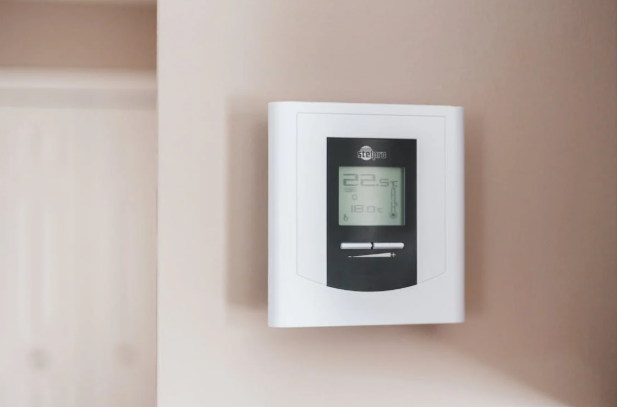
We lower the heat by several degrees at night while we sleep. During the day, we use a programmable schedule that matches our routine. I also avoid turning the dial to extreme settings in an attempt to cool or heat a room faster. It does not work that way, and it only makes the system run longer.

Placement matters too. A thermostat near a sunny window or drafty door can give inaccurate readings, which affects comfort throughout the house.

It takes a little observation to find the right balance, but once you do, keeping settings steady tends to work best.

Regular Maintenance Tasks

Neglecting your furnace or air conditioner usually leads to higher costs later. Small issues can turn into expensive repairs if they are ignored.

I listen for unusual sounds when the system turns on. Banging, rattling, or whistling can signal that something needs attention. We also check the outdoor unit for leaves or debris and keep the area clear.

Taking a few minutes to check these things each season saves time, stress, and money in the long run.

The Impact of Proper Insulation

Insulation quietly does a lot of work behind the scenes. Without it, you are trying to heat or cool the outdoors.

Most heat loss happens through the attic or around older windows and doors. Adding weather stripping is an inexpensive weekend project that can make a noticeable difference. Checking the basement or crawl space for drafts also helps keep floors warmer in the winter.

These improvements may not be glamorous, but they directly affect comfort and efficiency.

Conclusion

Creating a comfortable home does not have to be complicated or expensive. It comes down to paying attention, building good habits, and taking care of what you already have. When we stay consistent with small tasks like adjusting the thermostat, sealing drafts, and maintaining our systems, our home feels better and our bills stay manageable.

For me, home is about creating a space where my family can relax and feel cared for. A steady, comfortable temperature is part of that. With a little planning and a few simple routines, you can enjoy a cozy home all year while staying mindful of your budget.

Why You Should Consider a Loan Instead of Using Your Family Savings

0 · Feb 3, 2026 · Leave a Comment

When something expensive pops up, the first instinct is often to pull from savings and move on. I get that. As a mom and homeowner, I like knowing our money is sitting there, ready to help when life gets messy. But over the years, I have learned that using savings is not always the best choice, especially when it leaves your family without a cushion.

Savings are meant to protect your home from the unexpected. When a repair, medical bill, or car expense threatens to wipe that out, it may be worth stepping back and looking at other options.

In some situations, you may want to consider a loan as it can help you handle a big cost while keeping your family’s safety net in place. The goal is not debt for the sake of convenience, but balance that supports real family life.

consider a loan

Why Keeping Your Savings Intact Can Be Smart

Your savings are more than a number in an account: they are a shield against job loss, medical bills, and home or car repairs. When that shield is gone, even a small surprise can force you into high-cost debt. Preserving the buffer helps you stay calm and avoid scrambling if life throws a curveball.

Many households aim for a cash cushion big enough to cover several months of expenses. A common benchmark is roughly 3 to 6 months. That target is not a rule for everyone, but it shows why protecting your fund matters when a single expense pops up.

When Borrowing Makes More Sense

If a cost is high but temporary, using a loan can spread payments so your safety fund stays ready for true emergencies. This is useful when the alternative would leave you with almost nothing in the bank. You could even get a line of credit from Varo or another reliable lender if you want flexibility without emptying your reserves. Keep your guard up while you handle a one-time need.

Think about what the expense will earn or prevent. If paying cash today would trigger new card debt next month, a lower-rate installment plan may be the lesser cost. If using a loan lets your savings keep earning interest while you pay down the balance on a clear schedule, the trade-off can be worth it.

The Real Cost of High-Rate Debt

Carrying a balance on a credit card can be very expensive. Rates on many cards sit high, which turns even modest balances into high monthly costs. If an emergency drains your cash and you end up swiping your card for everything, the interest can snowball fast.

A recent report from the Consumer Financial Protection Bureau highlights how steep those rates can be, noting average annual percentage rates in 2024 around the mid-20s for general-purpose cards and even higher for private-label store cards. That is why replacing or avoiding revolving card debt with a lower-rate personal loan can reduce total interest paid. Compare the annual percentage rates, fees, and payoff timelines side by side.

How a Loan Can Protect Your Credit Score

High card balances relative to your limits can pull your score down, sometimes quickly, even if you never miss a payment. Credit utilization makes up a large share of a typical FICO score, and rates above about one-third of available credit can start to hurt.

Using a personal loan to cover a high cost can keep card utilization lower, because installment loans are treated differently than revolving accounts. That separation may help your score hold steady while you pay off the balance in a predictable way.

Flexibility and Cash Flow in Uncertain Times

Cash flow is the rhythm of your budget. Large one-time hits can throw that rhythm off, leading to overdrafts or late fees. If you consider a loan, it can flatten the spike into steady, planned payments that match your income.

That flexibility has a second benefit: it gives you time to adjust. You can cut a subscription, take an extra shift, or sell an unused item while knowing your savings are still there if something bigger happens. It is a measured approach that keeps you away from a zero-balance savings account.

When a Personal Loan Fits the Bill

Not every expense belongs on a credit card. Home repairs, medical work, car fixes, or consolidating several small balances are examples where a fixed-rate loan can simplify your plan. Fixed payments offer a clear finish line, which is helpful if variable rates on other debts make your budget feel shaky.

Personal loans are common tools for these situations, even for small amounts like a 5k personal loan. Millions of Americans use personal loans, and the balances involved add up to hundreds of billions of dollars. That does not make a loan right for everyone, but it shows that many people use this path to manage costs in a structured way.

Risks, Safeguards, and Smart Habits

Borrowing should come with guardrails. Small steps can protect your budget and prevent regret later. These are simple but powerful habits.

  • Keep the loan term no longer than the life of the thing you are paying for
  • Avoid borrowing more than you need or stretching to a payment you barely afford
  • Automate payments to avoid late fees and interest surprises
  • Revisit your budget to find a small monthly surplus while the loan is active
  • Plan a date to reassess and make an extra payment if income improves

Watch out for fees that do not show up in the headline rate, and read disclosures with care. If the offer includes prepayment penalties or add-on products you do not want, ask for a cleaner version or walk away. Protecting your savings does not mean letting your guard down elsewhere.

Preserving Your Options While Staying Realistic

Loans can be a smart tool when used for the right reason at the right time. Keeping your emergency fund intact, smoothing cash flow, and limiting exposure to high-rate revolving debt can all be worth the interest you pay. When you compare total costs, include the value of peace of mind and the room to handle the next surprise without panic.

A health check helps. Review your income stability, current obligations, and how confident you are about near-term expenses. If a loan lets you solve a problem while leaving your safety net in place, that is often the more resilient choice.

credit

Conclusion

Family finances work best when they leave room to breathe. Draining your savings for a single expense can create stress that lingers long after the bill is paid. In some cases, spreading a cost over time with a well-chosen loan can help protect your household from the next surprise.

I have found that the smartest choice is the one that keeps your home steady. When your emergency fund stays intact, your budget stays flexible, and you avoid high-interest card debt, a loan can be a practical tool rather than a burden. With a clear plan and realistic payments, you can move forward confidently, knowing your family is prepared for whatever comes next.

Life Admin Tasks Every Parent Should Tackle This Year

0 · Jan 28, 2026 · Leave a Comment

Being a parent comes with an endless list of responsibilities. From managing daily schedules to planning vacations and maintaining the home, there’s always something that needs attention. While it’s easy to get caught up in the day-to-day tasks, it’s equally important to step back and focus on the bigger picture: keeping your family organized, financially secure, and in good health. Tackling essential life admin tasks can provide a sense of control and ensure that everything runs smoothly throughout the year.

Here’s a list of tasks every parent should prioritize to make the year a little less chaotic and a lot more manageable.

1. Review and Update Your Family Budget

A family budget is the backbone of financial security, yet it’s something that can often get pushed aside. Life changes, from growing kids to new expenses, make it essential to review your family’s budget regularly. Start by tracking your monthly income and expenses, then allocate funds to savings, debt repayment, and your family’s priorities. Don’t forget to plan for occasional large expenses, such as home repairs or vacations.

Consider using a budgeting app to make tracking easier. These apps allow you to see where your money is going, set limits, and stay on top of your financial goals. This small adjustment can make a big difference in keeping your finances on track.

managing family budget

2. Organize and File Important Documents

Keeping important documents organized may not be the most exciting task, but it’s incredibly valuable when things get hectic. Having a system in place to file your tax records, medical bills, insurance policies, and school documents can save you time and stress when you need them most.

Start by creating a dedicated file system. It can be digital or physical, depending on what works best for you. Scan important documents and back them up digitally to avoid losing them in case of an emergency. Set a reminder to update this system regularly, life moves quickly, and you don’t want to be scrambling when you need that last-minute document.

3. Schedule Health and Wellness Checkups

Your family’s health should always be a priority. While it’s easy to forget about appointments when life gets busy, scheduling health checkups for both parents and kids can help prevent long-term health issues and ensure everyone is in good shape. This is especially important for growing children, who need regular check-ups, vaccinations, and dental exams.

Alongside routine doctor appointments, take the time to review your health insurance plan. Make sure it covers any necessary treatments and that it fits your family’s current needs. Health management goes beyond doctor’s visits, and reviewing your health plan ensures your family is adequately covered.

4. Set Up Credit Monitoring for Peace of Mind

Protecting your financial health is just as important as your physical health. Credit monitoring is a simple yet effective way to ensure that your financial life remains secure. Identity theft and credit fraud are on the rise, and it’s important to stay vigilant. Setting up a free credit monitoring tool allows you to track your credit score and receive alerts if there are any changes or suspicious activities.

By monitoring your credit regularly, you can catch potential issues early and take action before they affect your finances. Many financial tools, like SoFi’s credit score monitoring, offer free services to keep you informed and up-to-date on your credit. This is an easy step you can take to protect your family’s financial future.

5. Review Insurance Coverage

As your family grows, so do your insurance needs. Whether it’s life insurance, health coverage, or home insurance, it’s important to ensure you’re adequately covered. Insurance provides a safety net for your family in case of emergencies or unexpected events, so reviewing your coverage annually is essential.

Start by evaluating your life insurance policy. Does it cover all family members adequately? Are there any gaps in your health or home insurance? Consider reaching out to an insurance advisor to help you navigate your options and make any necessary updates. A quick review now can save you headaches down the road.

6. Plan for Family Vacations or Breaks

It’s easy to overlook the importance of taking breaks as a family, especially when you’re constantly juggling responsibilities. However, planning vacations or even short weekend getaways can provide much-needed relaxation and quality time with loved ones.

Set aside money for travel and plan vacations that fit your family’s interests and budget. Booking early often helps you save on accommodations and flights, so take advantage of deals when you see them. Even a small getaway can provide an opportunity to recharge and bond with your family. Be sure to keep an eye out for discounts and consider using credit card reward points to make travel more affordable.

7. Tackle Household Maintenance

Home maintenance is one of those tasks that’s easy to put off until it’s urgent. But staying ahead of household repairs and upkeep can prevent costly issues from arising. Creating a yearly home maintenance checklist can help you stay on top of things like HVAC servicing, plumbing checks, and safety inspections.

In addition, consider a seasonal deep clean to maintain a tidy home. Decluttering regularly can also help you maintain an organized space and avoid unnecessary stress. It’s all about staying proactive and addressing minor issues before they become major problems.

8. Set Family Goals for the Year

Setting clear, realistic goals can help your family stay focused and organized. Whether it’s improving family health, saving for a big vacation, or creating better family routines, having goals gives you something to work toward. Involve the whole family in the goal-setting process to make sure everyone is on board.

Break down your family’s goals into manageable steps. For example, if your goal is to save for a trip, start by setting up a vacation fund and regularly contributing to it. This helps the whole family stay motivated and accountable.

Conclusion

By tackling these life admin tasks, you’ll be able to create a more organized, financially secure, and healthy environment for your family. It’s easy to get lost in the everyday hustle, but taking time to focus on these essential areas can provide peace of mind and improve your family’s quality of life. Start with one task today, and soon you’ll find yourself tackling the year with confidence and clarity.

Budgeting for Major Life Changes: Tips for Homeowners

0 · Jul 30, 2025 · Leave a Comment

Life can shift quickly—whether it’s growing your family, switching careers, or taking care of a loved one. These changes often come with new expenses. If you own a home, the financial picture becomes even more complex.

From repairs to renovations, your home might need updates that match your current stage of life. And when big changes happen, having a clear budget helps you stay steady. Planning ahead doesn’t solve everything, but it gives you space to adjust without rushing into choices that strain your wallet.

This guide will walk through major life moments many homeowners face and how to build a budget that supports those shifts. Whether you’re expecting a baby or dealing with unexpected repairs, these tips will help you feel more prepared.

Planning for Home Repairs and Upgrades

One of the biggest costs homeowners deal with is maintenance. Over time, things wear down. Roofs need replacing, appliances stop working, and old plumbing can lead to water damage. These aren’t small expenses, and they tend to show up at the worst times.

Let’s take roof installation as an example. It’s a big job, but it’s one you can’t push off for long. A damaged or leaking roof can lead to problems that affect the rest of your home. If you wait too long, you might be dealing with mold, ruined insulation, or structural issues.

The good news is that you don’t need to make every decision at once. If you think you’ll need a new roof soon, start by getting a free estimate from a local contractor. This gives you a clearer idea of how much the project could cost and lets you plan ahead. You’re not locked into anything, but you’ll have a number to work with—and that helps you budget smarter.

You can also apply this approach to other upgrades, like new siding or window replacements. Quotes don’t cost anything, and they’re useful for mapping out future spending.

Getting ahead of repairs means fewer surprises. It also gives you time to look at your financing options. You might choose to save, use a home equity loan, or pay in phases. What matters is that you’re not caught off guard.

Budgeting for Homeowners

Adjusting Your Budget When Your Family Grows

Adding a child to your household—or even a pet—changes how you spend money at home. You might need more space, more safety features, or higher monthly bills. While some of these costs are small, others take more planning.

If you’re expecting a baby, you may want to update a room into a nursery or upgrade heating and cooling systems. A growing family could also mean more wear on the home. Furniture, flooring, and paint may need replacing sooner.

It helps to look at what you’ll need in the first year and break it into manageable costs. By setting money aside now, you can avoid dipping into emergency savings or relying on credit when those updates become necessary.

Preparing for Job Changes or Career Shifts

A change in income can happen for many reasons. Maybe you’re starting a new role, launching a business, or stepping away from work to care for family. No matter the reason, your household budget may need to shift.

When income becomes unpredictable, home-related costs feel bigger. Even regular bills can become harder to manage if they haven’t been adjusted to match your current situation. That’s why it’s useful to look at your home expenses closely before a career change happens—if possible.

Start by reviewing what’s necessary versus what can wait. Projects like repainting or landscaping can often be delayed. Bigger upgrades, like replacing kitchen appliances or renovating a bathroom, might need to be spread out over time.

If your job change is temporary or seasonal, think about setting aside money during higher-earning months. That way, you can keep up with home costs during slower periods. Even a small monthly buffer can help make a transition smoother.

Career shifts also offer a chance to re-prioritize. You may decide that some projects aren’t urgent. Others might move higher on the list if your lifestyle changes, like working from home more often or needing a dedicated office space.

Taking Care of Aging Parents or Relatives

More people are opening their homes to aging parents or relatives. While it can be rewarding, this change also brings new needs and new expenses.

Your house might require modifications. That could mean adding handrails, installing a walk-in shower, or turning a den into a bedroom. You may also need to widen doorways, add ramps, or change flooring to reduce the risk of falls.

These changes aren’t always cheap. But they often improve daily life for everyone in the home. If you plan early, you can space out the upgrades based on priority and budget.

Beyond home changes, there might be increased utility bills, medical equipment needs, or in-home care costs. It helps to sit down with your household and talk through these changes before they happen. That way, everyone understands what’s needed and what it may cost.

You don’t have to do it all at once. Focus on what will make the biggest difference in comfort and safety. Add other updates as time and money allow.

Budgeting Tips for Major Life Changes

Planning for Unexpected Events

Even with the best plans, things can still catch you off guard. A water heater breaks. A storm damages the roof. Someone gets sick and can’t work for a while. These things are part of life—and they can hit your budget hard.

That’s why it’s important to have a little flexibility built into your yearly home budget. An emergency fund helps cover the unexpected without pulling from credit or long-term savings.

Aim to set aside a small amount each month. It adds up faster than most people think. And when a surprise comes up, you’ll be glad it’s there.

Think about your home as part of your safety net. By giving it the attention and planning it needs, you’re better equipped to handle life’s changes as they come.

Owning a home brings more than just comfort; it also comes with responsibilities that shift as your life does. From growing families to sudden repairs, big changes are easier to manage when your budget reflects your reality. A little planning today can make all the difference when tomorrow looks different than expected.

Conclusion

As a homeowner, life’s changes ripple through every part of your home—emotionally, physically, and financially. Whether you’re growing your family, changing careers, or supporting a loved one, budgeting for major life changes helps you stay grounded and prepared.

It’s not about having all the answers, but rather about creating a plan that gives you room to adapt. With a little foresight, your home can grow right alongside you, one thoughtful step at a time.

  • « Go to Previous Page
  • Page 1
  • Page 2
  • Page 3
  • Page 4
  • Page 5
  • Page 6
  • Go to Next Page »

Primary Sidebar

Heather from Whipperberry
Hello... my name is Heather and I'm the creator of WhipperBerry a creative lifestyle blog packed full of great recipes and creative ideas for your home and family. I find I am happiest when I'm living a creative life and I love to share what I've been up to along the way... Come explore, my hope is that you'll leave inspired!

Footer

  • Privacy Policy
  • Crafts
  • Food
  • Gifts
  • Holidays
  • Home
  • Mom Life
  • Recipes
  • Travel

Copyright © 2026 · Seasoned Pro