• Skip to primary navigation
  • Skip to main content
  • Skip to primary sidebar
  • Skip to footer

Whipperberry

WhipperBerry • Your Home For Creative Inspiration

  • Home
  • Recipes
    • Starters
    • Easy Weeknight Dinners
    • Main Dish
    • Salads
    • Side Dish
    • Soups & Stews
    • Desserts
    • Breakfast
    • Miscellaneous
  • Tutorials
    • Creative Crafts
    • DIY Decor
    • Fabric Crafts
    • Food How-To
    • Jewlery
    • Paint Projects
    • Paper Art
    • Party Styling
    • Photography and Graphic Design
    • Silhouette
  • Holidays
    • Easter
    • Mother’s Day
    • Father’s Day
    • 4th of July
    • Halloween
    • Thanksgiving
    • Christmas
    • Valentine’s Day
  • Gift Ideas
    • Gifts For Everyone
    • Gifts for Dad
    • Mother’s day
    • For The Girls
    • For The Kids
    • Teacher Gift Ideas
    • Christmas
  • Printables
    • Holiday
    • Gift Idea
    • LDS Primary
  • Travel
  • About
    • Terms
  • Contact
  • Nav Social Menu

    • Facebook
    • Instagram
    • Pinterest
    • RSS
    • Twitter

Travel

Moped Accidents on Family Trips: What Riders Should Know About Safety and Compensation

0 · Mar 4, 2026 · Leave a Comment

Moped accidents on family trips can cause serious injuries because riders have little protection and are often unfamiliar with local roads and traffic laws. If a crash happens, victims may be able to seek compensation for medical expenses, lost income, and pain and suffering, depending on who was at fault and the insurance coverage involved.

Maui is one of Hawaii’s most visited islands, known for scenic coastal highways and tourist traffic throughout the year. Popular routes like the Road to Hana and busy resort areas often see a mix of rental cars, motorcycles, and mopeds. Because of this mix, moped accidents in Maui are not uncommon, especially in high-traffic zones.

Riders must know how local traffic laws and insurance rules affect their ability to recover compensation. Being informed before an accident happens can make a major difference during recovery.

moped accidents

Why Are Moped Accidents Different?

Mopeds are smaller and lighter than most vehicles on the road. This makes riders more exposed during a collision.

Unlike drivers inside cars, moped riders have little physical protection. Even low-speed crashes can result in broken bones, road rash, or head injuries.

Because injuries can be severe, compensation claims often involve significant medical costs.

Common Causes of Moped Accidents

Moped crashes can happen for many reasons. Some of the most common include:

  • Drivers failing to see a moped when changing lanes
  • Speeding or distracted driving
  • Poor road conditions
  • Inexperienced rental riders
  • Failure to yield at intersections

Each cause can affect who is legally responsible for the crash.

What Safety Measures Riders Should Know About

Gear Up Before You Go

Always wear a DOT-approved helmet. If you’re out with your family. Get one for everyone, including children. Helmets greatly reduce the risk of serious head injuries in a crash.

It is also important to wear protective clothing like

  • Long sleeves
  • Long pants
  • Gloves
  • Closed-toe shoes.

This can help prevent cuts and road rash. Mopeds offer very little protection, so wearing the right gear can make a big difference.

Know the Local Rules

Traffic laws for mopeds vary by location. Some areas restrict passengers, minimum age requirements, or where mopeds can legally travel. So do proper research about the rules before your trip in order to avoid unnecessary legal trouble.

Mind the Road Conditions

Mopeds offer very little protection from uneven roads, loose gravel, or wet pavement. Small bumps or slippery spots can easily cause a rider to lose control.

It’s important to slow down when riding on unfamiliar roads. Be extra careful on curves, narrow roads, or areas with poor lighting. If possible, avoid riding in heavy rain, as it could increase the risk of skidding and accidents.

Being cautious can help prevent serious injuries.

Children Need Extra Precautions

Children should only ride as passengers if they can reach the footpegs and hold on securely. Never place young children in front of the rider. That could be dangerous.

If an Accident Happens

Even after following all these measures, if an accident happens

  • Move to safety.
  • Seek medical attention immediately (even if injuries seem minor).
  • Document the scene.
  • Report the incident to local authorities.
  • Keep insurance and contact information accessible at all times.

What Compensation Can Riders Seek?

Moped accident victims may recover several types of damages. These often include:

  • Medical expenses
  • Lost income from missed work
  • Repair or replacement of the moped
  • Pain and suffering
  • Future medical care for ongoing treatment

The amount depends on the severity of injuries and the impact on daily life.

Proper documentation is important when seeking compensation.

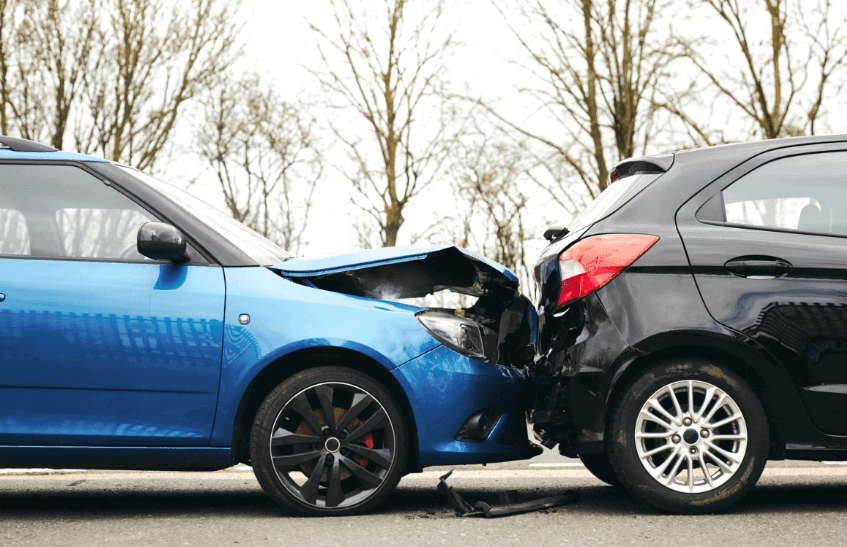
road accidents

How Insurance Affects Your Claim

Insurance coverage can vary depending on the vehicles involved. If a car driver caused the crash, their liability insurance may cover the rider’s losses.

Some moped riders also carry optional insurance coverage. In tourist areas, rental agreements may include specific insurance terms that affect claims.

Understanding the policy details is important before accepting any settlement.

Special Considerations for Tourist Riders

Many moped riders in Maui are visitors unfamiliar with local roads. Rental companies may provide limited safety instructions.

Tourists may also face additional challenges when filing claims after returning home. As mentioned before, keeping copies of medical records, police reports, and rental agreements is especially important.

Also, understanding local traffic rules before riding can reduce risk.

Key Takeaways

  • Moped riders face higher injury risks due to limited protection.
  • Fault and comparative negligence affect compensation amounts.
  • Medical costs, lost income, and pain and suffering may be recoverable.
  • Insurance policies and rental agreements can impact claims.
  • Quick action after an accident strengthens your case.
  • Knowing local traffic laws helps riders protect their rights.

Car Accidents with Kids: A Family Guide to Legal Options After a Serious Crash

0 · Mar 4, 2026 · Leave a Comment

A serious car accident involving children can be overwhelming for any family. Beyond the emotional stress, parents must quickly think about medical care, insurance claims, and protecting their child’s future.

In most cases, the legal process begins with filing a personal injury claim against the responsible party. However, when a child is involved, there are additional legal options designed to protect minors.

To identify the most appropriate legal options and defend yourself, you can reach out to Jacoby & Meyers accident lawyers. Every legal strategy has a schedule, procedure, and possible results. Let’s break it down!

legal options

Filing a Personal Injury Claim for a Child

When a child is injured in a car crash, a parent or legal guardian must file a personal injury claim on the child’s behalf. The goal is to secure compensation that fully supports the child’s recovery.

This may include

  • Coverage for emergency care
  • Ongoing medical treatment
  • Future rehabilitation
  • Therapy
  • Long-term developmental support
  • Pain and emotional suffering

Because children can experience long-term effects that are not immediately visible, it is essential that any claim account not only for current medical bills but also for future care.

Building a strong claim requires detailed medical records, police reports, witness statements, and other supporting evidence. Taking these steps helps ensure that the child’s legal rights are protected.

car accidents

Settling a Case Involving a Child

A settlement is a legally binding agreement between the family and the at-fault driver’s insurance company. Many car accident cases are resolved through settlement.

Benefits:

  • Faster access to compensation
  • Avoids the stress of trial
  • Lower legal costs

Important Considerations:

  • Courts often require approval of settlements involving minors.
  • Funds for a child may be placed in a protected account until they reach adulthood.
  • Settlements cannot be reopened once approved.

Alternative Dispute Resolution (ADR)

If settlement negotiations slow down, families may explore Alternative Dispute Resolution (ADR) as an alternate. ADR offers a structured way to resolve disputes without immediately going to court.

Because ADR is typically faster and less stressful than a full trial, it can be a practical option for families who want a fair resolution. This is basically of two types.

  1. Mediation: A neutral third party helps both sides reach an agreement.
  2. Arbitration: An arbitrator reviews the evidence and makes a decision.

ADR can be faster than court proceedings, which makes it a practical legal options for families who are seeking resolution without a lengthy trial.

Protecting Your Family’s Future

The focus goes beyond covering immediate medical bills when children are involved in a car accident. The priority is protecting the child’s

  • Long-term health
  • Development, and
  • Financial security.

Whether a family chooses settlement, alternative dispute resolution, or litigation, each path has its own potential outcomes.

Understanding these legal options helps families make informed decisions during a difficult time and ensures that a child’s physical, emotional, and financial recovery is fully supported.

Key Takeaways

  • Parents can file a personal injury claim on behalf of their injured child.
  • Compensation may cover medical care, future treatment, lost income, and emotional harm.
  • Settlements involving minors often require court approval.
  • ADR offers a quicker alternative to trial.
  • Lawsuits may be necessary in disputed or complex cases.

What to Set Up Before Leaving on an Extended Family Getaway

0 · Mar 3, 2026 · Leave a Comment

Planning a family vacation is exciting. Flights get booked, vacation rentals are searched, and group chats quickly fill with ideas about what everyone wants to see and do.

With so much focus on planning the trip itself, it is easy to forget about preparing the home you are leaving behind. A full mailbox, unpaid bills, or an empty house without regular check-ins can quickly turn a relaxing getaway into a stressful situation.

Taking a little time to prepare your home before leaving helps everything run smoothly while you are away. When the details at home are handled ahead of time, families can relax and enjoy their time together without worrying about what is happening back home.

Here’s what you’ll learn:

  • Why Multi-Month Trips Lead to Chaos At Home
  • Virtual Mailbox + Address Services = Simple Solution
  • Keeping Up with Mail Before Leaving
  • Bills, Finances, & Setting Up Automatic Payments
  • Locking Down Security Systems Before Leaving
  • Who to Contact Before Leaving on Vacation
Extended Family Getaway

Quick Home Prep Checklist Before an Extended Family Getaway

Before leaving on a long family vacation, take a few minutes to make sure these basics are handled:

  • Hold or manage your mail so it does not pile up
  • Set up automatic payments for recurring bills
  • Pause deliveries and subscription boxes
  • Adjust your thermostat and check utilities
  • Ask a neighbor or house sitter to check on the home
  • Confirm your security cameras or alarms are working

Taking care of these simple tasks early helps prevent problems while you are away.

Why Multi-Month Trips Lead to Chaos At Home

Family vacations are at a record-high. 92% of parents say they’ll travel with their kids at least once in the next 12 months — and 47% of those trips will include multiple generations.

We’re talking weeks and even months at a time without anyone home. And the longer your home sits empty, the bigger the potential risks. So what kind of chaos are we talking about?

  • Stuffed mailboxes attract thieves who think your home is wide open
  • Important mail like bank statements and documents gets overlooked for weeks
  • Time sensitive financial documents get missed and cause account problems
  • Too much mail left outside invites unwanted attention from insurers

The good news? Each and every one of these problems is preventable with some prep work before you leave.

Virtual Mailbox + Address Services = Simple Solution

If you’ve made it this far, you’re probably asking yourself:

Where do I even start?

And here’s where most families traveling for extended periods get tripped up.

Instead of redirecting mail to a relative’s address or hoping for the best, take advantage of virtual mailbox and address services. When it comes to managing digital mail remotely, these services let homeowners set up a secure virtual address that all mail gets forwarded to and scanned. That scanned mail gets stored securely online where you can:

  • Access it from anywhere. Maui. Madrid. Doesn’t matter.
  • Open and read each piece of mail instantly from your phone
  • Forward on, shred, or archive anything coming to your virtual address

Some families also choose to use virtual mailbox services to manage important mail while traveling. No overflowing mailbox to return home to. No missed bills or financial statements. No packages left to sit unattended on your front porch.

Keeping Up with Mail Before Leaving

Signing up for a virtual mailbox service is just step 1. There are a few other mail topics to take care of before you depart as well.

Hold or forward ALL mail. Setting up a mail hold through the post office is perfectly acceptable for vacations less than 2 weeks. Anything longer than that and you’ll want to subscribe to a virtual mailbox + address service.

Couple other things to consider:

  • Pause recurring boxes or deliveries (Netflix, Loot Crate, etc.)
  • Forward key contacts — banks, insurers, mailgrams — about your new virtual address
  • Keep an eye out for time-sensitive mail that may arrive before you leave and request digital delivery if possible

Here’s something else to think about…

Did you know mail theft is super common? In 2024 alone there were 1.1 million identity theft complaints filed with the FTC. An overflowing mailbox with weeks worth of mail is a sitting duck.

A virtual mailbox service can help reduce the risk of mail theft while you are away.

Bills, Finances, & Automatic Payments

No one wants to come home to a pile of overdue notices and threats to shut off utilities.

The solution? automatic payments. Set-up auto pay for all recurring bills before leaving for your trip. 9 times out of 10 your bank and billers make this really easy to do online.

Accounts to setup auto-pay on:

  • Mortgage/Rent
  • Utilities (electric, gas, water, etc)
  • Insurance policies
  • Credit cards (minimum payment)
  • Streaming services and subscriptions

While you’re at it, enable transaction alerts for all bank accounts and credit cards. You’ll be notified of any suspicious activity immediately. Even if you’re on the other side of the world.

Can you set this all up? Yep. Should you? Absolutely. It’ll take you about an hour. But that hour can save you days of headaches when you get back.

Locking Down Security Systems Before Leaving

An unoccupied house is a target. Physically and digitally.

First, the obvious stuff:

  • Use smart plugs and light timers to make it appear like someone’s home
  • Pause paper newspaper delivery and other home delivery services
  • Ask a neighbor to park in your driveway once in a while
  • Double check all doors and windows are locked

Smart home cameras and doorbell cameras are highly recommended for extended trips away. They connect directly to a phone so the property can be monitored from anywhere on the trip.

Ok, now the less obvious stuff. Adjust your thermostat so your home isn’t cooking itself while you’re gone. If you’re going to be gone for multiple months, shut your home’s main water valve off. You don’t want to come home to mega water bills from a dripping faucet.

Who to Contact Before Leaving on An Extended Family Getaway

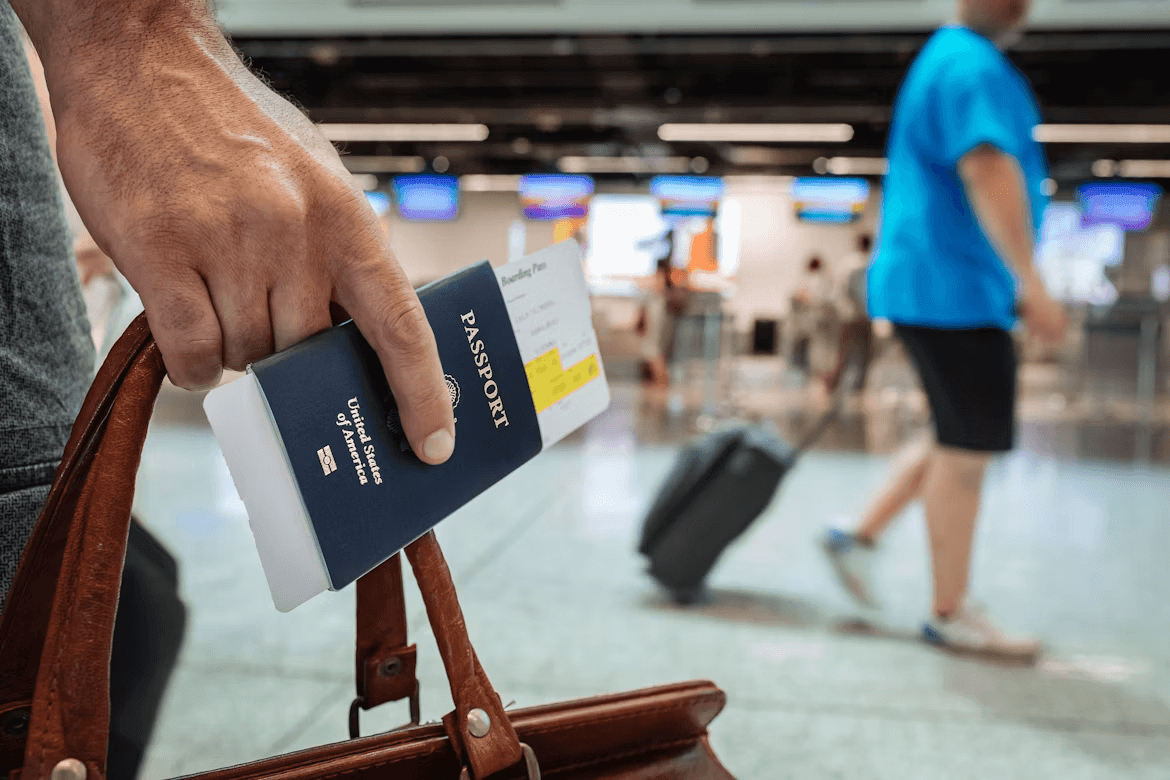
Leaving Home for Extended Family Getaway

Last but not least, who are the key contacts to loop in before the trip?

Neighbor or house-sitter. If there’s someone checking-in on your home while you’re gone, give them a spare key and walk-through. They’ll appreciate being properly briefed.

People and services to contact before leaving on vacation:

  • Neighbour / house sitter. Someone who can stop by every other day to check on the house.
  • Non-emergency police line. Many police departments have a vacation watch program.
  • Property manager if renting out your home
  • Home insurance provider. Double check you’re covered during an extended vacation
  • Your bank. Let them know you’ll be traveling internationally and avoid frozen bank cards.

Last Stop: Before the Suitcase Before Leaving

Vacations are what you make of them. Spending a little time planning for what’s at home will let you relax and enjoy every minute away.

Before you leave, make sure to:

  • Use virtual mailbox services to handle mail while you’re gone.
  • Set all bills to automatic payment months before leaving.
  • Invest in smart-home technology that you can monitor on your phone
  • Contact all relevant service providers beforehand
  • Don’t leave clues that your home is empty when you leave

With a little preparation, you can leave home feeling relaxed and ready to enjoy your trip.

How To Choose the Best Holiday Destination For the Family in 2026

0 · Mar 3, 2026 · Leave a Comment

Are you looking for destinations for your annual family trip? Maybe you want to book a relaxing, fun beach holiday? Perhaps a ski holiday is more appealing. When you are juggling school calendars, rising costs, and children who want different things at different ages, you crave a break that feels restorative rather than stressful. Take a thoughtful approach to booking a holiday and avoid the small frictions that turn a week abroad into hard work.

Holiday Destination For the Family

Identify Your Family’s Travel Priorities

Different families value different things on holidays. When you think about what keeps everyone settled and happy, you gain clarity. A family with young children often benefits from short transfer times, because a 30-minute coach ride after a flight feels manageable, while a two-hour journey tests everyone’s patience. Older children might prefer destinations with activities they can access safely on their own, such as cycle paths or nearby cafés.

Decide which experiences matter most to your household before you browse destinations. When you do this, you filter options with confidence rather than second-guessing each choice.

Set a Realistic Budget and Compare Costs

Money plays a large role in your itinerary and trip. You might book a cheaper flight only to face high meal costs that limit how often you eat out. Preparing a clear family holiday budget helps you compare like with like. Accommodation prices vary wildly within the same region, especially between school holiday weeks, so timing and location matter as much as star ratings.

Build a simple comparison table that includes flights, accommodation, meals, local transport, and activities before you commit. When you compare destinations on total cost rather than headline prices, you choose places that fit your finances without constant compromises.

Choose the Best Time to Travel

Holiday Family Destination

Travelling in peak school holidays brings convenience but also higher prices and busier attractions. Shoulder seasons often strike a better balance, especially in 2026, as more families seek quieter breaks. Late May in southern Europe, for instance, usually offers warm days without the intense heat that drains young children.

Some children cope better with cooler days and layered clothing, while others wilt in humidity – so keep this in mind. When you travel slightly off-peak, you also gain more flexibility and benefit from fewer crowds.

Look for Family Friendly Facilities and Accessibility

Small details matter more than dramatic scenery. Think: step-free access, reliable public transport, and nearby medical services. These all add reassurance, especially when you travel with children or older relatives. You also need to think beyond the hotel gates. A destination with playgrounds and supermarkets within walking distance reduces reliance on taxis and keeps days spontaneous.

Check how easily your family can move around. When you choose places that support simple routines, you spend less time troubleshooting and more time enjoying shared moments.

  • « Go to Previous Page
  • Page 1
  • Interim pages omitted …
  • Page 6
  • Page 7
  • Page 8
  • Page 9
  • Page 10
  • Interim pages omitted …
  • Page 50
  • Go to Next Page »

Primary Sidebar

Heather from Whipperberry
Hello... my name is Heather and I'm the creator of WhipperBerry a creative lifestyle blog packed full of great recipes and creative ideas for your home and family. I find I am happiest when I'm living a creative life and I love to share what I've been up to along the way... Come explore, my hope is that you'll leave inspired!

Footer

  • Privacy Policy
  • Crafts
  • Food
  • Gifts
  • Holidays
  • Home
  • Mom Life
  • Recipes
  • Travel

Copyright © 2026 · Seasoned Pro