• Skip to primary navigation
  • Skip to main content
  • Skip to primary sidebar
  • Skip to footer

Whipperberry

WhipperBerry • Your Home For Creative Inspiration

  • Home
  • Recipes
    • Starters
    • Easy Weeknight Dinners
    • Main Dish
    • Salads
    • Side Dish
    • Soups & Stews
    • Desserts
    • Breakfast
    • Miscellaneous
  • Tutorials
    • Creative Crafts
    • DIY Decor
    • Fabric Crafts
    • Food How-To
    • Jewlery
    • Paint Projects
    • Paper Art
    • Party Styling
    • Photography and Graphic Design
    • Silhouette
  • Holidays
    • Easter
    • Mother’s Day
    • Father’s Day
    • 4th of July
    • Halloween
    • Thanksgiving
    • Christmas
    • Valentine’s Day
  • Gift Ideas
    • Gifts For Everyone
    • Gifts for Dad
    • Mother’s day
    • For The Girls
    • For The Kids
    • Teacher Gift Ideas
    • Christmas
  • Printables
    • Holiday
    • Gift Idea
    • LDS Primary
  • Travel
  • About
    • Terms
  • Contact
  • Nav Social Menu

    • Facebook
    • Instagram
    • Pinterest
    • RSS
    • Twitter

Travel

First 24 Hours After a Car Accident in Charleston: A Mom’s Guide to Protecting Your Family and Yourself

0 · Jun 26, 2026 · Leave a Comment

No one expects their day to end with a car accident. Whether you’re driving the kids to school, running errands, or heading home after a busy afternoon, a crash can leave you shaken and unsure of what to do next.

In those first few hours, it’s easy to focus on everyone else, especially if you’re a mom. But taking the right steps to protect your own health and your family’s well-being is just as important. What you do in the first 24 hours after a car accident in Charleston, SC can affect your physical recovery, your insurance claim, and your ability to receive fair compensation if you’ve been injured.

This guide walks you through the most important steps to take after an accident so you can feel more prepared during an incredibly stressful time.
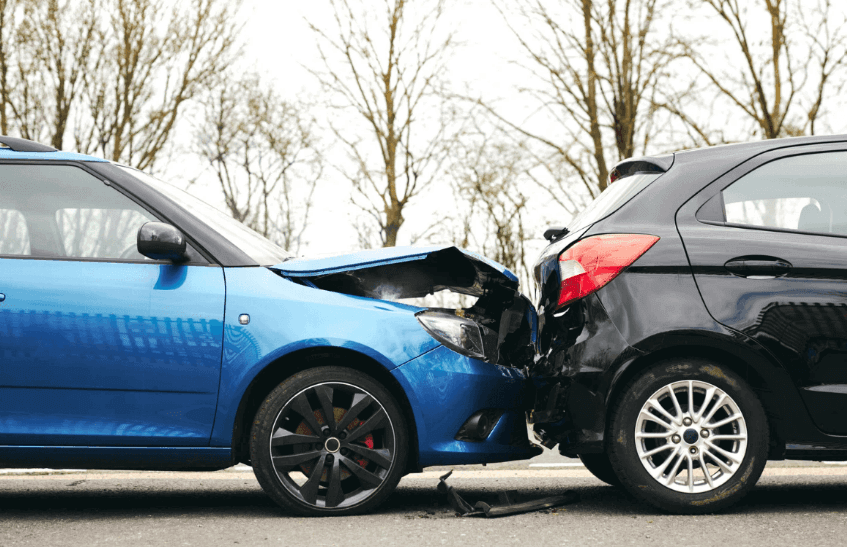
First 24 Hours After a Car Accident in Charleston

Step 1: Check for Injuries

Your safety comes first. Before you do anything else, check yourself and everyone else involved for injuries. Even if you feel fine, call 911 immediately. South Carolina law requires drivers to report accidents that involve injury, death, or significant property damage.

When law enforcement arrives, a police report will be filed. This document becomes one of the most important pieces of evidence in any future insurance claim or lawsuit. Ask the officer for the report number before you leave the scene.

Step 2: Document Everything at the Scene

If it is safe to do so, use your smartphone to document as much as possible before vehicles are moved. Take photos and videos of:-

• All vehicles involved, from multiple angles.

• Damage to your car and the other vehicles.

• The road, skid marks, debris, and traffic signs.

• Any visible injuries on yourself or passengers.

• The exact location of the crash.

Also collect the other driver’s name, license plate, insurance information, and contact details. Get the names and phone numbers of any witnesses before they leave.

Step 3: Seek Medical Attention Right Away

This step is non-negotiable, even if you feel completely fine. Many serious injuries — whiplash, internal bleeding, traumatic brain injuries — do not show obvious symptoms right away. Adrenaline can mask pain for hours or even days after a crash.

Go to an emergency room or urgent care clinic the same day. A medical record created on the day of the accident creates a direct link between the crash and your injuries. Without this documentation, insurance companies will argue that your injuries happened somewhere else or that they are not serious.

According to the National Safety Council Injury Facts, motor vehicle injuries that required medical attention reached 4.9 million in 2024 alone — and many of those injuries were not immediately apparent at the scene.

Step 4: Notify Your Insurance Company

Report the accident to your own insurance company as soon as possible, usually within 24 hours. Stick to the basic facts: when, where, and what happened. Do not admit fault, speculate about liability, or give a recorded statement without legal counsel.

South Carolina is a fault-based state, meaning the driver who caused the accident is responsible for damages. The other driver’s insurance company may contact you quickly and try to get a recorded statement. You are not required to speak with them, and doing so without legal guidance can hurt your claim.

Step 5: Contact an Accident Attorney Before You Sign Anything

Insurance companies move fast. They may send you a settlement offer within days of the crash — one that almost always undervalues what you are actually owed. Once you sign a release, you give up your right to seek additional compensation, no matter how serious your injuries turn out to be.

Before you agree to anything, speak with an accident attorney in Charleston, SC who can review the full picture of your damages, including future medical costs, lost wages, and pain and suffering. The Gus Anastopoulo Law Firm has helped accident victims stand up to insurance companies and recover what they truly deserve. They can also help ensure that no part of your claim is undervalued or overlooked.

Step 6: Keep a Personal Injury Journal

Starting the day after the accident, keep a daily written record of how you feel. Note your pain levels, symptoms, medications, missed work days, and how the injury is affecting your daily life. This personal account becomes powerful supporting evidence when calculating non-economic damages like pain and suffering.

What Not to Do in the First 24 Hours

Just as important as what you do is what you avoid:

• Do not post about the accident on social media — insurance adjusters monitor these accounts

• Do not apologize or admit fault, even casually

• Do not accept a quick settlement without legal advice

• Do not ignore symptoms hoping they will go away

Final Thoughts

After a car accident, it’s natural to want life to get back to normal as quickly as possible. But giving yourself the time to document what happened, seek medical care, and understand your legal options can make a significant difference in your recovery and your family’s future.

If you or a loved one has been injured in a crash in the Charleston area, don’t feel like you have to navigate the process alone. Getting the right medical care and trusted legal guidance early can help you focus on what matters most: healing and taking care of the people who depend on you.

5 Things to Sort Before a Family Outback Adventure in a 4WD

0 · Jun 23, 2026 · Leave a Comment

A family road trip through the Australian Outback is the kind of adventure that creates memories you’ll talk about for years. From endless red landscapes and rugged gorges to quiet stretches of road that seem to go on forever, exploring this remarkable part of Australia in a 4WD offers a unique opportunity to slow down, connect, and experience the country’s natural beauty together.

Of course, an Outback journey requires more preparation than your average family getaway. Distances are vast, services can be limited, and even small issues can become major inconveniences when you’re far from the nearest town. Taking the time to plan ahead will help keep your trip safe, comfortable, and enjoyable for everyone travelling with you.

Here are five things to sort before hitting the Outback in a 4WD.

Outback Adventure

1. Make Sure Your Vehicle Is Up To Remote Travel

Before you think about what route you’ll take, you need to make sure your vehicle is up to the journey. The Outback puts a lot of strain on a 4WD, and breakdowns are not uncommon. That said, there are some things you can do to reduce the risk of your vehicle experiencing one.

If you already own a 4WD, you’d be wise to have it fully serviced by a qualified mechanic. They will look over the basics, such as brakes, suspension, battery health, and fluid levels, to ensure it is in good working order. This can help you to avoid running into trouble when you’re hours away from the nearest town. It also provides extra peace of mind when you’re travelling with family members who are relying on your vehicle to get everyone safely from one destination to the next.

It is also wise to fit the vehicle with the most appropriate tyres for the journey. Your mechanic will be able to advise which brand is most suitable for outback conditions. However, all-terrain tyres generally handle gravel and rough tracks far better than standard road tyres. You’ll also need to keep a spare in good condition. And if you’re heading deep into remote areas, such as the Gibson Desert or Karlamilyi National Park, then carrying a second spare is a sensible decision. It also helps to bring a few essentials, such as a tyre repair kit, basic tools, spare belts, and a hose.

If you’ve been thinking about upgrading your current setup with a newer, more capable vehicle, you might want to explore reliable car finance options to help you afford it.

2. Plan Your Route, Fuel Stops, and Distances Carefully

Driving through the Outback takes a lot of planning. One of the first things you should do is understand where the fuel stops are because some stretches of road can go for hundreds of kilometres without a servo in sight. And if you do find one, its opening hours may vary.

It’s worth downloading the Fuel Map Australia app from the App Store and Google Play to help you find the nearest stations. Alternatively, this website lists all known fuel centres in Australia.

Whilst driving, it is always a good idea to fill up whenever you get the chance, rather than waiting until you’re running low. This is especially important if you’re travelling with children, as unexpected delays can quickly become more stressful when the whole family is along for the ride.

You should also consider getting a reliable satellite navigation system, as mobile reception drops out quickly once you leave larger towns. Moreover, it might be an idea to download offline maps or use a dedicated GPS unit to keep you on course.

3. Pack the Right Emergency and Safety Gear

When you’re travelling through remote parts of Australia, it is essential to carry the right gear. Doing this gives you the ability to handle unexpected situations you might encounter.

It is imperative to carry lots of water, coconut water and Hydralyte with you. In fact, carry at least an extra day’s worth of them. The Outback can get very hot and humid, and you’ll need to keep drinking to maintain your hydration levels. You’ll also need a plentiful supply if your vehicle breaks down or gets stranded.

Likewise, you must carry plenty of nutritious food, including high-protein and long-lasting energy options that don’t require refrigeration. Nuts, tinned fish, root vegetables, vacuum-sealed meats, and trail mix are all great to have on hand when you are driving through the region. Families may also want to pack a few extra snacks and drinks to keep everyone comfortable during long stretches between towns and rest stops.

On top of this, it is important to bring a well-stocked first aid kit. Make sure it includes items for treating cuts, burns, and minor injuries, as well as any personal medications you may need. It is useful, too, to bring recovery gear, such as snatch straps, a shovel, and a portable air compressor. They will help you get out of tricky spots if you find yourself stuck in sand or soft ground.

Family Outback Adventure

4. Understand Permits, Regulations, and Local Conditions

You might not be aware of this, but different parts of the Outback come with their own rules and requirements. That’s why it is advisable to take the time to understand them before your trip to help you avoid disruptions along the way.

Some tracks and regions require permits, particularly when travelling through Aboriginal land or protected areas. Thankfully, these permits are usually straightforward to organise online. You can contact the local tourist board or state government if you need more clarification. Taking care of these details before you leave can help your family enjoy a smoother, more relaxed trip without unnecessary interruptions.

It is also worth noting that local conditions might be a lot more different from what you are used to back home. Wildlife is common on many Outback roads, especially around dawn and dusk when lots of kangaroos and wallabies come out. Road trains also share the highways, and they need plenty of space to move safely.

5. Prepare Yourself for Remote Driving Conditions

Your vehicle might be ready. Your gear is packed. And your route is planned. Yet there’s one more thing to think about. That’s you.

Driving in the Outback is very different from driving in the city or along the coast. The combination of gravel roads, corrugations, and long stretches without stops requires a steady approach, a bit of patience, and concentration.

Even if you are an experienced driver, it is worth learning a few basic 4WD techniques. For example, knowing how to adjust tyre pressure for different surfaces and how to handle uneven terrain can be extremely useful to you when you are in the middle of the Outback.

Fatigue is another factor that some drivers might struggle with, especially if they are not used to driving for long periods. Spending many hours behind the wheel can be quite tiring when touring around the Golden Outback.

Therefore, it is a good idea to swap drivers after two-hour stints or take regular breaks if you are driving on your own. Regular stops also give families a chance to stretch their legs, enjoy the scenery, and break up longer days on the road.

Lastly, always tell someone of your day’s travel plans. Send them a WhatsApp pin first thing in the morning when you are about to hit the road, and as soon as you arrive at your destination. That way, if you get stuck or, worse, go missing, your chances of being rescued are substantially higher.

Final Words

A family Outback adventure can be one of the most rewarding travel experiences Australia has to offer. With the right preparation, a reliable vehicle, and a solid plan in place, you can focus less on potential setbacks and more on enjoying the incredible landscapes, wildlife, and unforgettable moments along the way.

Whether you’re heading out for a short family getaway or embarking on a longer journey through remote regions, taking care of these essentials before you leave will help ensure your Outback road trip is safe, memorable, and filled with stories you’ll be sharing around the dinner table for years to come.

What Rights Travelers Have and When an Accident Lawyer Matters

0 · Jun 16, 2026 · Leave a Comment

Travel goes wrong more often than most people plan for. A slippery hotel corridor, a tour bus collision, a pool deck with no safety signage, a rental vehicle that was not properly maintained. These situations happen on trips across the country and across the world, and when they result in injury, most travelers have no clear idea what their rights actually are.

Understanding the basics before you need them is genuinely useful. Knowing when to seek legal help is the more important question.

Travelers Have Rights, But They Vary by Where You Are

Whether a trip is domestic or international changes the legal landscape significantly. Within the United States, general personal injury law applies, which means that a property owner or service provider who was negligent in a way that caused your injury carries potential liability. The standards for what constitutes negligence and the damages available vary by state, but the principle is consistent.

Outside the United States, your rights depend on the laws of the country where the injury occurred. Some countries have strong consumer and personal injury protections. Others have very limited recourse for injured visitors. Crucially, many travelers assume that their own country’s legal standards apply wherever they go. They do not.

According to the CDC Yellow Book on Injury and Death During Travel, motor vehicle crashes were the leading cause of non-natural death among US citizens abroad between 2019 and 2021, accounting for 26% of all non-natural deaths. The data underscores how frequently travel-related injuries occur and how serious they can be.

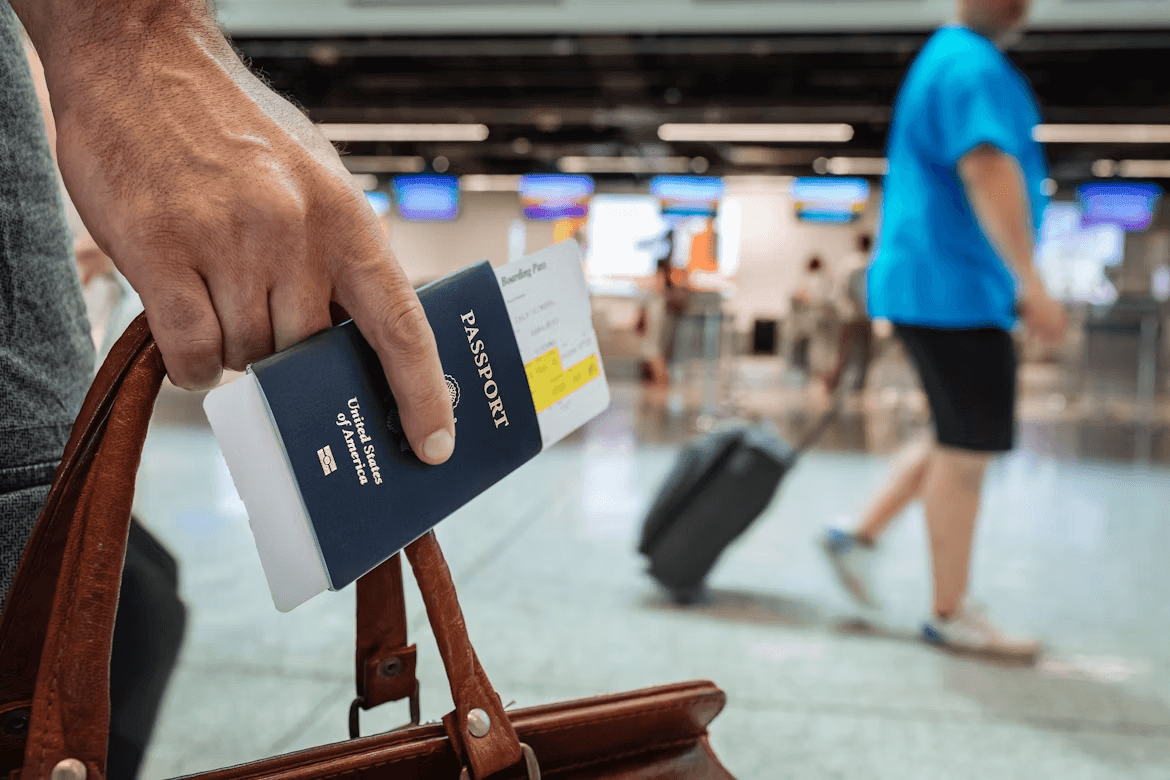
Traveler holding a passport

Common Scenarios Where Travelers Have a Legal Claim

Not every travel inconvenience creates legal liability. But certain scenarios do, and recognizing them helps travelers take the right steps at the right time.

Hotel and accommodation injuries: Property owners have a duty to maintain safe premises. Wet floors without warning signage, broken railings, inadequate lighting in stairwells, or dangerous pool conditions that result in guest injury all potentially create liability for the accommodation provider.

Transportation accidents: When an injury occurs on a tour bus, a rental vehicle, a cruise ship, or a commercial flight, the transportation provider may be liable depending on the circumstances. These cases often involve specific regulatory frameworks, such as maritime law for cruise ship incidents or international aviation conventions for airline injuries.

Tour and excursion accidents: Guided tours, adventure activities, and excursions arranged through travel companies carry their own duty of care toward participants. Inadequately trained guides, defective equipment, or failure to disclose known risks can create liability even when a waiver was signed.

Slip and fall incidents at public venues: Restaurants, attractions, cultural sites, and public spaces all carry some duty to maintain safe conditions for visitors. When that duty is breached and injury results, a claim may be available.

What to Do Immediately After a Travel Injury

The actions taken in the hours and days after an injury significantly affect the options available later. The most important steps are:

  1. Seek medical attention and get everything documented in writing, including the diagnosis, treatment provided, and the medical professional’s contact information
  2. Photograph the scene, any hazard that caused the injury, and your injuries themselves
  3. Collect witness names and contact details from anyone who saw what happened
  4. Report the incident formally to the hotel, tour operator, or relevant authority and get a copy of any report filed
  5. Avoid signing any documents presented by the other party or their insurer without legal advice
  6. Contact your travel insurance provider as soon as possible

That last point about signing documents is particularly important. Injured travelers are sometimes asked to sign releases or accept settlements quickly, before the full extent of their injuries is known. Doing so typically eliminates any further legal options.

Man on phone sitting, possibly reading about

When You Need an Accident Lawyer

Many travel injury situations can be resolved through insurance claims without legal involvement. But several circumstances make professional legal advice necessary rather than optional.

You should consult a lawyer when:

  • The injury is serious and has resulted in significant medical costs, lost income, or long-term effects on your health or quality of life
  • The at-fault party’s insurer has made a settlement offer that you are not sure reflects your full losses
  • There is any dispute about who was responsible for the injury
  • The incident occurred in a foreign country and you are unsure what rights you have or where a claim should be filed
  • You were asked to sign anything before fully understanding your legal position

Consulting an accident lawyer helps you understand your rights and options before making decisions that may be difficult to change later. GLS Injury Law works with people who have been injured through others’ negligence, including in travel-related contexts, providing clear guidance on what claims are available and what the realistic path forward looks like.

Travel Insurance Does Not Replace Legal Rights

Many travelers assume that travel insurance is sufficient protection for any injury that occurs on a trip. It is a useful financial safety net, but it is not a substitute for legal rights and it does not always cover the full scope of what an injured traveler may be entitled to recover.

Travel insurance typically covers emergency medical expenses and some associated costs. It does not typically compensate for pain and suffering, long-term disability, or losses that exceed policy limits. A legal claim against a negligent party may recover categories of loss that insurance does not touch.

The two options are not mutually exclusive. Both can and often should be pursued simultaneously.

Conclusion

Travel injuries are not uncommon, and the circumstances that create them are not always random bad luck. When someone else’s negligence caused your injury, you have rights worth understanding and, in many cases, rights worth pursuing.

The steps you take immediately after an incident, and the decision about when to seek legal advice, are what determine whether those rights translate into actual protection.

The Most Commonly Overlooked Camping Gear Items That Can Save Your Trip

0 · Jun 12, 2026 · Leave a Comment

The most common reason for failed camping trips is not that someone forgot a tent. It’s because a lighter wouldn’t spark in the rain, a sleeping pad deflated at midnight, or there was no suitable source of light to fix some other small thing that went wrong.

“Insufficient equipment” is one of the most common reasons people get caught out and need help in the wilderness – and most of those incidents didn’t involve some major, costly piece of gear. They involved the little stuff. The stuff that we often leave off our shopping lists because it doesn’t seem essential. But can ruin a weekend fast if it’s left at home.

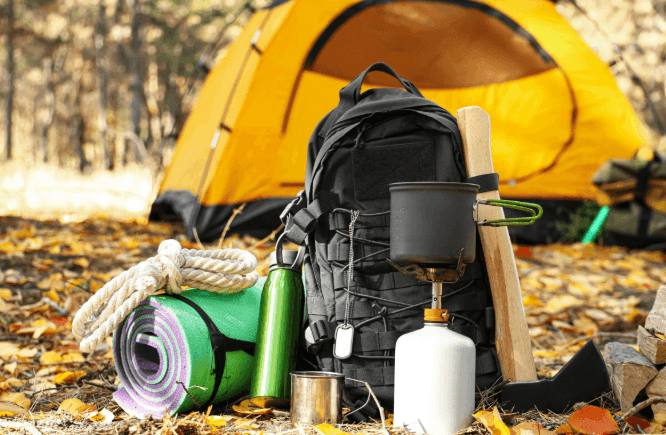
Camping Gear Items

Your knife is probably wrong for the job.

A pocket folder is great for slicing food or breaking down packaging. It’s terrible for batoning firewood, carving tent stakes, or any job that places real lateral stress on the blade.

Batoning – the technique of splitting kindling by striking a knife spine with a heavy stick – will ruin a folder. The mechanism simply can’t handle it. What you want is a fixed-blade knife with a full-tang construction. That means the steel runs continuously from the tip to the handle butt with no interruption. That’s what holds when you’re forcing a blade through wet wood at 6 a.m. because your stove fuel ran low.

When you’re shopping, browse available knife options with an eye toward blade thickness and handle material. A full-tang blade with a grippy, non-slip handle is going to serve you better in camp conditions than anything billed as “tactical” or “survival.”

Hands-free light isn’t a luxury.

Flashlights are damn near worthless in camp. You set one down and it’s gone. You have to hold one which means you can’t do anything else. You try to prop one up and it immediately rolls away.

A headlamp leaves both hands free to set a tent in the wind, cook without burning the bejesus out of yourself, or fix gear problems after dark. Choose one that’s 200 lumens or more, has a red light for saving your night vision, and has a very simple interface because seriously, nothing is more maddening when you’re cold and wearing gloves than trying to push one teeny button over and over. Bring a spare set of batteries in a zip-lock. That’s right, we fail at the battery level more than any other point.

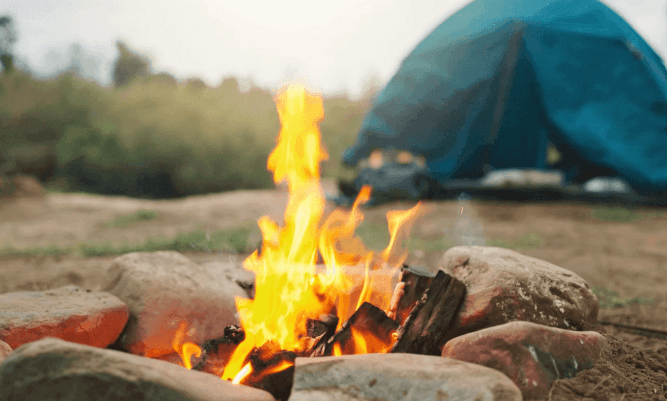
Camping

Fire starting needs a backup system.

Traditional butane lighters do not perform reliably at below freezing temperatures. They also don’t work when wet. Because most trips involve cold nights or rain (or both), you really need a reliable backup. Lighter up first, but if that doesn’t cut it, nothing beats a ferrocerium rod. These spark no matter the weather or how long it’s been sitting in your pack.

Now to fuel the flames. Pack some tinder quick-tabs – these pocket-sized, paraffin-treated cotton tablets ignite with a single spark and stay lit for about a minute, even in wind. Put it out and repeat if you need three or four goes. They cost next to nothing, weigh next to nothing, and are basically indestructible. They also consume hardly any space, restructure nothing in your pack, and can be slipped into your existing fire kit. Most sanity for least effort.

Gear repair tape is worth more than it weighs.

A damaged tent will not end the trip by itself. Yet, a damaged tent throughout three days of continuous rain will.

This specialized gear repair tape, often available with various brands, including Tenacious Tape, adheres to nylon, down fabrics, and sleeping pad materials much better than standard duct tape. It will not come off when the material is repeatedly flexed, the adhesive remains effective at low temperatures, and it peels neatly leaving no residue behind. One small roll copes with torn jackets, punctured sleeping pads, rips in the tent fly seams, and split straps on the stuff sack.

For a more comprehensive repair kit, throw in a small needle and a few feet of thread. Most seam failures on older tents are due to thread failure and are repairable in the field in less than ten minutes.

550 paracord solves problems you haven’t had yet.

Fifty feet of 550 paracord weighs under three ounces and has a breaking strength of 550 pounds. That’s enough to rig a tarp over a campsite when weather turns, hang a bear bag at regulation height, replace a broken boot lace, lash a broken pack frame, or fashion a rough splint.

It’s one of the few items where the specific type matters. True 550 paracord has seven inner strands that can be removed individually for finer tasks like stitching or fishing line improvisation. Decorative or cheap cord looks the same and performs very differently under load.

Small kit, big difference.

These things aren’t heavy, sexy, or expensive. When you walk around an outdoor store admiring all the incredible gear, you won’t even see most of them. But these are the things that take all the hits out there – the things you weren’t planning for, the things that are wet, things that go bump in the night, and things that break. These five items are the duct tape that hold your plans together when others fall apart. Make sure they’re in your pack before anything with a logo.

  • « Go to Previous Page
  • Page 1
  • Interim pages omitted …
  • Page 7
  • Page 8
  • Page 9
  • Page 10
  • Page 11
  • Interim pages omitted …
  • Page 59
  • Go to Next Page »

Primary Sidebar

Heather from Whipperberry
Hello... my name is Heather and I'm the creator of WhipperBerry a creative lifestyle blog packed full of great recipes and creative ideas for your home and family. I find I am happiest when I'm living a creative life and I love to share what I've been up to along the way... Come explore, my hope is that you'll leave inspired!

Footer

  • Privacy Policy
  • Crafts
  • Food
  • Gifts
  • Holidays
  • Home
  • Mom Life
  • Recipes
  • Travel

Copyright © 2026 · Seasoned Pro