• Skip to primary navigation
  • Skip to main content
  • Skip to primary sidebar
  • Skip to footer

Whipperberry

WhipperBerry • Your Home For Creative Inspiration

  • Home
  • Recipes
    • Starters
    • Easy Weeknight Dinners
    • Main Dish
    • Salads
    • Side Dish
    • Soups & Stews
    • Desserts
    • Breakfast
    • Miscellaneous
  • Tutorials
    • Creative Crafts
    • DIY Decor
    • Fabric Crafts
    • Food How-To
    • Jewlery
    • Paint Projects
    • Paper Art
    • Party Styling
    • Photography and Graphic Design
    • Silhouette
  • Holidays
    • Easter
    • Mother’s Day
    • Father’s Day
    • 4th of July
    • Halloween
    • Thanksgiving
    • Christmas
    • Valentine’s Day
  • Gift Ideas
    • Gifts For Everyone
    • Gifts for Dad
    • Mother’s day
    • For The Girls
    • For The Kids
    • Teacher Gift Ideas
    • Christmas
  • Printables
    • Holiday
    • Gift Idea
    • LDS Primary
  • Travel
  • About
    • Terms
  • Contact
  • Nav Social Menu

    • Facebook
    • Instagram
    • Pinterest
    • RSS
    • Twitter

Travel

Why Virunga National Park Should Be on Your Family’s Travel Bucket List

0 · Jan 21, 2026 · Leave a Comment

When planning an unforgettable family trip, most people think of well-known spots like the Grand Canyon or a beachside resort. But for families with a travel bucket list, a sense of adventure and a love for nature, there’s a truly special place worth considering: Virunga National Park in the Democratic Republic of the Congo.

This incredible destination is one of Africa’s oldest national parks and offers a mix of wildlife, stunning landscapes, and meaningful cultural experiences. Whether your kids are learning about conservation or you’re looking to unplug and connect with nature, Virunga offers something unique for every member of the family.

travel bucket list

The Allure of Biodiversity

Virunga National Park is not just Africa’s oldest national park; it is also one of the most biodiverse locations on the planet. Spanning over 7,800 square kilometers, the park is home to a plethora of wildlife, including the iconic mountain gorillas—one of the last remaining populations in the world. Encountering these gentle giants in their natural habitat is not just a thrill; it’s an experience that can shift your perspective on conservation and wildlife.

The Mountain Gorillas

The opportunity to observe mountain gorillas is a significant draw for many who embark on this journey. The intimate moments shared with these creatures can evoke a profound sense of connection to nature. Treks to see gorillas are guided by knowledgeable rangers who share insights into the species’ behaviors and the ongoing efforts to protect them.

Those interested in a deeper dive can engage in an expert-guided Virunga exploration, which not only leads you into the heart of gorilla territory but also enlightens you on the intricate web of life that depends on these majestic animals.

Stunning Landscapes

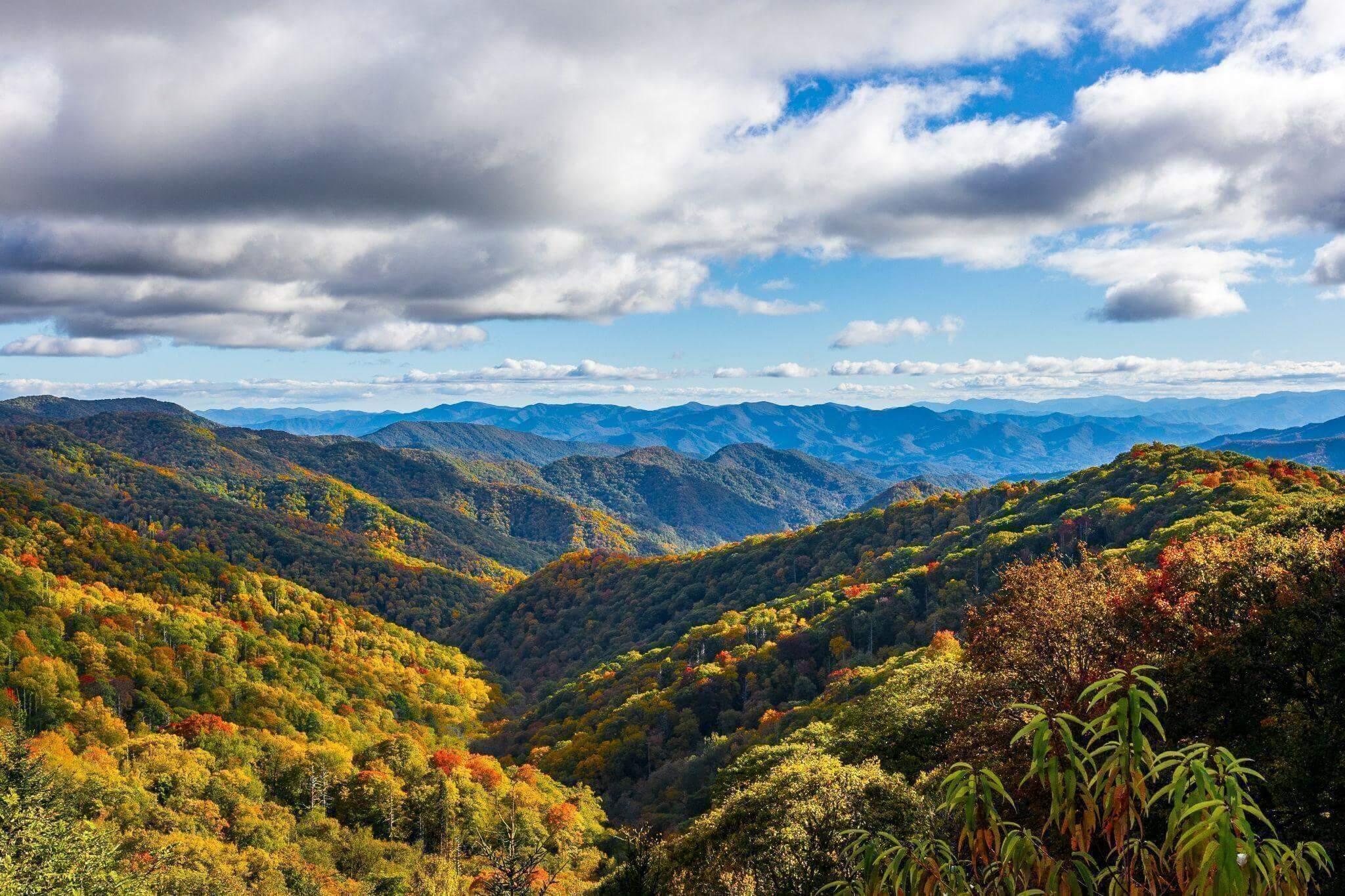
The landscapes of Virunga vary from lush lowland forests to dramatic volcanic peaks. The park is home to several active volcanoes, most notably Mount Nyiragongo, which features one of the world’s largest lava lakes. Hikers are rewarded with both challenging treks and panoramic views that are truly jaw-dropping.

Trekking and Hiking Opportunities

Each hiking trail in Virunga offers a distinctive experience. From serene walks in bamboo forests to challenging ascents up volcanic terrain, there’s a path for every level of adventure seeker:

• Mount Nyiragongo: This hike takes you to the summit for stunning views of the lava lake, but it’s not for the faint of heart. The trek can be strenuous, requiring a decent level of fitness and preparation.

• Mikeno Lodge to the Hirwa Group: This moderate trek allows you to interact with the gorillas while enjoying spectacular views of the surrounding mountains. The experience is enhanced by local guides who enrich the journey with stories of the area.

Rich Cultural Heritage

Beyond its natural wonders, Virunga is steeped in cultural richness. The region is inhabited by various communities, each with their own customs and ways of life. Engaging with these communities offers a chance to learn about their traditions and the challenges they face in protecting both their culture and the environment.

Connecting with Local Communities

Many trips to Virunga incorporate visits to local villages where you can experience authentic Congolese cuisine, music, and art. These interactions not only foster cultural exchange but also contribute to the local economy, ensuring that the benefits of tourism reach the communities that protect this cherished landscape.

park

Conservation Challenges

While Virunga is a paradise for adventurers, it’s important to acknowledge the challenges it faces. Political instability, poaching, and habitat destruction are real threats to both the wildlife and the communities involved in conservation efforts. However, this is precisely why visiting Virunga has a dual purpose: it allows you to experience its wonders while supporting crucial conservation work.

Organizations like the Virunga Foundation focus on both conservation and community development, making your visit part of a larger movement that seeks to protect this fragile ecosystem. Every ticket purchased, every trek booked, contributes to ongoing efforts to preserve the park for future generations.

A Unique Adventure Awaits

Virunga is not your average travel destination; its remoteness and the challenges of accessing it only add to its allure for adventure enthusiasts. Whether you’re trekking through thick jungles, summiting volcanic peaks, or observing wildlife in their natural habitat, the experiences here are tailor-made for the intrepid explorer.

What to Prepare on a Family Travel Bucket List

Before embarking on your Virunga adventure, a bit of planning can go a long way:

• Health Precautions: Ensure you’re vaccinated and take necessary health precautions, such as measures against malaria. Consult a healthcare provider for personal advice based on your travel plans.

• Physical Fitness: Depending on the types of activities you want to pursue, prepare yourself physically. Hiking in volcanic terrain can be demanding.

• Packing Essentials: Bring sturdy footwear, lightweight clothing for varying climates, and a good camera to document your journey.

Traveling as a family isn’t just about taking a break from routine. It’s about discovering new places, learning together, and creating stories you’ll talk about for years. Virunga National Park is one of those rare places that leaves a lasting impression on kids and adults alike.

With a little preparation and an open heart, your family can explore a part of the world that’s full of natural beauty and cultural depth. From hiking volcanoes to seeing mountain gorillas in their habitat, Virunga is a destination that brings wonder, adventure, and purpose all in one place.

8 Family-Friendly Ski Tips for a Smoother Winter Trip to Slovenia

0 · Jan 20, 2026 · Leave a Comment

Planning a ski trip with the family can be exciting, but it also comes with a lot of moving parts. If you’re dreaming of quiet slopes, breathtaking views, and a trip that feels more relaxing than rushed, Slovenia might be just what you’re looking for.

This charming country has everything you need for a winter adventure: beautiful mountains, friendly resorts, and cozy spots to warm up after a day in the snow. With a little planning, you can make sure your family’s ski vacation runs smoothly from start to finish.

Here are eight travel-smart tips to help you get the most out of your ski trip in Slovenia, whether you’re hitting the slopes with kids, teens, or just need a peaceful break.

travel tips

1. Time Your Trip for Smoother Slopes and Lower Rates

While the ski season in Slovenia typically runs from December through early March, not all weeks are created equal. Christmas and New Year holidays tend to be busier, with families filling up resort towns and prices climbing.

If you’re after quieter trails and better deals, aim for mid-January or late February. You’ll still enjoy great snow without the long lift lines—and accommodations are often more budget-friendly during these windows.

Resorts like Vogel and Kranjska Gora are known for their postcard-perfect settings, especially when covered in fresh powder.

2. Book Your Airport Transfer Before You Fly

After a long flight, the last thing you want is to juggle luggage in the cold while searching for a ride. That’s why travelers often book their airport transfer in Slovenia in advance, especially during ski season.

Fortunately, now you can book private transfers that are tailored for winter travel. Services like Taxi 4 Travel offer vehicles equipped for ski gear, snow-safe driving, and cross-region comfort. Plus, they provide door-to-door service with experienced local drivers who know the fastest and safest mountain routes.

Pre-booking with a reliable provider takes the guesswork out of your arrival and lets you start your adventure calm, rested, and right on schedule.

3. Choose Resorts That Match Your Skill Level

Slovenia has something for everyone—from gentle beginner runs to steeper alpine challenges. If you’re traveling with kids or new to skiing, Cerkno is a family-friendly favorite with wide slopes and a warm local vibe.

Vogel, on the other hand, offers stunning views over Lake Bohinj and a solid mix of intermediate runs. For seasoned skiers, Kanin-Sella Nevea (connected to Italy) offers higher altitudes and deep powder.

Take a little time to explore resort maps before you book—matching your destination to your comfort level makes the entire trip more enjoyable.

4. Plan a Rest Day for Off-Slope Exploring

Even the most passionate skiers need a breather. Luckily, Slovenia gives you plenty of reasons to take a day off the slopes.

Consider a day trip to Lake Bled, where the iconic island church feels like it belongs in a snow globe. Or head to a nearby thermal spa—many resorts have one within an hour’s drive, and they’re perfect for soaking sore legs.

Not only does a rest day help your body recover, but it also lets you take in Slovenia’s culture, cuisine, and quiet charm beyond the ski lifts.

5. Embrace the Local Food Scene on the Slopes

Forget overpriced cafeteria meals—Slovenian ski resorts often surprise visitors with hearty, homemade mountain fare.

Warm up with a bowl of jota, a traditional sauerkraut stew, or treat yourself to štruklji, soft, rolled dumplings served sweet or savory. Pair your lunch with a glass of local mulled wine (kuhano vino), and you’ll wonder why you ever settled for basic ski lodge snacks.

Many slope-side huts are family-run, giving you a taste of Slovenian hospitality with every bite. It’s part of the experience—don’t miss it.

6. Keep Euros Handy for the Unexpected

While most major places accept cards, you may still run into cash-only situations—especially in small villages, mountain huts, or when paying for parking, lockers, or rentals.

ATMs aren’t always nearby, so having a small stash of euros can save you time and hassle. It also comes in handy for tipping drivers, buying snacks at roadside stands, or joining in on those spontaneous moments you didn’t plan for.

Slovenia travel tips

7. Double Check Your Gear and Rental Options

Slovenia’s rental shops are generally well stocked, but if you’re picky about fit, performance, or safety gear, it’s worth checking with your resort ahead of time. Some rural shops may have limited availability during high season.

If you’re bringing your own equipment, make sure your transfer service is equipped for ski luggage and confirm with your accommodation whether there’s secure storage.

8. Don’t Skip Travel Insurance with Ski Coverage

Regular travel insurance doesn’t always cover ski-related injuries or gear loss—especially if you plan to go off-piste. Look for policies that specifically include winter sports, and check for details like medical evacuation, equipment damage, and refund policies for weather-related cancellations.

It’s one of those things you hope never to need—but feel grateful to have when something goes sideways.

Final Thoughts

Skiing in Slovenia is the kind of adventure that blends beauty, affordability, and alpine charm—all in one quiet corner of Europe. With a little foresight, you can skip the hiccups and enjoy every moment on (and off) the slopes.

From airport transfers to thermal spa breaks, these small travel tips add up to a smoother, more memorable experience, one you’ll be eager to repeat next season.

How to Prepare for an Epic New Zealand Family Trip (Without the Stress)

0 · Jan 13, 2026 · Leave a Comment

Planning a family trip to New Zealand? You’re in for something unforgettable. From wide-open beaches to winding mountain roads, the scenery looks like it’s made for postcards. But what those beautiful pictures don’t show is how remote and rugged this country can be—especially when you’re traveling with kids.

New Zealand is safe, modern, and incredibly welcoming, but it also requires a different kind of planning. Distances are longer than they look, weather can change in minutes, and you won’t always have cell service to look up directions or get help. For families coming from the U.S., where everything feels closer and more convenient, this can be a big shift.

The good news? A little preparation goes a long way. When you plan well, you’re not limiting your fun—you’re making room for more of it.

New Zealand Family Trip

Photo by Janiere Fernandez

Understand What You’re Really Traveling Into

Before packing gear or booking tours, it helps to recalibrate expectations. New Zealand is modern, safe, and well organized—but it is also rugged, spread out, and governed by nature more than infrastructure in many regions.

Distances that look short on a map can take hours to drive. Weather changes fast. Cell service disappears the moment you leave major towns. This isn’t a flaw; it’s part of the appeal. It just means preparation is not optional.

This is especially true for travelers from the U.S., where emergency services, pharmacies, and familiar systems are usually close at hand.

Get Insurance That Actually Covers Reality

Travel insurance is not a box to check for New Zealand. It’s foundational.

Medical care in New Zealand is high quality, but it is not free for visitors. A broken ankle on a hike, a dental emergency, or a vehicle accident can become expensive very quickly.

Even more importantly, evacuation or medical transport—especially from rural or alpine areas—can be financially devastating without proper coverage.

Look for insurance that includes:

  • Emergency medical treatment for accidents (slip-and-fall and other minor and major accidents)
  • Medical evacuation and repatriation
  • Coverage for outdoor activities (hiking, kayaking, alpine trekking)
  • Rental car coverage
  • Trip interruption due to weather or injury

New Zealand’s landscapes are not controlled environments. They are powerful, beautiful, and indifferent. Insurance turns risk into something manageable.

Know Where to Find Medical Help Before You Need It

Most travelers don’t plan to need medical care. That’s precisely why knowing where to find it matters.

Finding a Doctor or Clinic

In cities like Auckland, Wellington, and Christchurch, you’ll find urgent care clinics and hospitals easily. Outside urban centers, access becomes more limited. Before your trip:

  • Save the locations of hospitals in the regions you’ll visit
  • Search online for “urgent care” or “after-hours clinic” in advance
  • Download offline maps

A few minutes of preparation can save hours of panic later.

Dental Issues: Plan Ahead

Dental emergencies are among the most common travel disruptions—and among the least planned for. A cracked tooth, sudden infection, or wisdom tooth flare-up can derail an entire itinerary.

Before you travel, it’s smart to know where to turn for dental guidance. Resources like NSOMS in Newmarket provide clear information on serious dental and oral surgery issues, including wisdom teeth complications and when removal or urgent care is necessary. Even if you don’t need treatment, understanding what constitutes an emergency helps you act quickly and appropriately.

For travelers with known dental sensitivities, scheduling a checkup before departure is one of the easiest stress-reduction steps you can take.

Traveling With Pets? Plan Veterinary Care Early

If your New Zealand trip involves relocating, long-term stays, or traveling with animals, veterinary planning becomes critical.

New Zealand has strict biosecurity rules, and pet travel involves quarantine protocols, vaccinations, and documentation that must be exact. Beyond entry requirements, you should:

  • Search online for veterinary clinics near your destination
  • Save contact details for emergency vets
  • Confirm availability outside standard business hours

Veterinary care is excellent, but access varies by region. Planning ahead avoids scrambling in unfamiliar territory.

Prepare for Roads, Not Just Destinations

Driving in New Zealand is part of the experience—and part of the challenge.

Roads are often narrow, winding, and shared with livestock. Speed limits may feel optimistic given conditions. Add left-side driving for Americans, and fatigue becomes a real factor.

Practical preparation includes:

  • Booking smaller vehicles for easier handling
  • Avoiding long drives on arrival days
  • Building buffer time into itineraries
  • Understanding that Google Maps estimates are often optimistic

Driving tired in New Zealand’s terrain is risky. Respect the roads, and they reward you.

Gear Matters More Than Fashion

New Zealand weather doesn’t care how stylish you are. Layers, waterproof gear, and proper footwear matter more than packing variety.

Even short walks can turn muddy. Alpine areas can shift from sun to cold rain in minutes. Good preparation looks like:

  • Waterproof jacket and shoes
  • Thermal layers, even in summer
  • Compact first-aid kit
  • Refillable water bottle

This isn’t about overpacking. It’s about packing intelligently for a place that values function over flash.

New Zealand trip

Connectivity: Expect Gaps, Plan Accordingly

Wi-Fi exists, but not everywhere. Cell coverage drops quickly outside cities.

Before arrival:

  • Consider a local SIM or eSIM
  • Download offline maps
  • Save important documents locally
  • Screenshot reservations and confirmations

Assuming constant connectivity in New Zealand is one of the most common planning mistakes.

Food, Allergies, and Access

New Zealand’s food scene is excellent, but rural access can be limited. If you have dietary restrictions or rely on specific medications:

  • Bring necessary supplies with you
  • Check customs rules carefully
  • Know where supermarkets are located along your route

Pharmacies are reliable, but specialized items may not be readily available outside major centers.

Why Preparation Actually Makes the Trip Better

New Zealand is one of those rare places that really delivers on adventure, especially for families. It’s wild, beautiful, and full of surprises—in the best way. But it’s also a country that rewards preparation.

When you’ve done the work ahead of time—like mapping out medical clinics, packing smart, and knowing what to expect—you don’t have to worry when plans change. Instead, you can enjoy spontaneous hikes, quiet farm towns, or those long drives that turn into the best part of the trip.

For families coming from far away or looking for an extended family getaway, a little extra planning helps everything feel easier once you’re there. So prep well, stay flexible, and get ready to experience New Zealand the way it’s meant to be—together.

Why Dubai Is More Family-Friendly and Affordable Than You Think

0 · Jan 13, 2026 · Leave a Comment

When people think about Dubai, they often picture luxury hotels, towering skyscrapers, and designer shopping malls. It seems like a place for millionaires, not for families looking for a safe and affordable home base. But the truth is, Dubai isn’t just about luxury.

For families, it offers something surprisingly practical: well-planned neighborhoods, safe streets, great schools, and a cost of living that works when you understand how the city is set up. With tax-free income and flexible housing options, Dubai can be a smart, livable choice for people raising kids—not just globe-trotters chasing luxury.

Living in Dubai

Photo source

Dubai Is a City of Layers, Not One Price Point

Dubai doesn’t operate on a single economic level. It’s layered—and this becomes obvious the moment you look at the properties for sale in Dubai across different districts. The problem is that visitors usually only see the top layer.

Tourists experience Downtown, Palm Jumeirah, five-star brunches, and beachfront hotels. Residents navigate a much broader map—one that includes areas built for long-term living, commuting, and routine. That difference alone reshapes how the city feels financially and practically.

Luxury exists, but it isn’t compulsory.

Where the Luxury Actually Lives

Places like Downtown Dubai, Dubai Marina, Palm Jumeirah, and parts of Jumeirah are designed to showcase the city. High-rise apartments with views, concierge buildings, walkable promenades, and premium pricing are the norm here. These areas are expensive by global standards and deliberately so.

They serve a purpose. They attract investment, tourism, and global attention. But they don’t represent the entire housing market.

Where Real Life Happens

Move slightly outward and the picture changes. Neighborhoods such as JVC (Jumeirah Village Circle), Dubai Silicon Oasis, Al Barsha, International City, and parts of Mirdif are built for residents. Apartments are functional, buildings are newer than many Western cities, and rents drop significantly.

In these areas, people work regular jobs, send kids to school, grocery shop locally, and build routines.

Renting and Buying Are Both Real Options

One of the most misunderstood aspects of Dubai is housing access. Renting is common, but ownership is not out of reach either.

Renting Without the Panic

Rental prices vary widely, but they are transparent. Listings are public, contracts are standardized, and rent increases are regulated. Unlike many cities where bidding wars are normal, Dubai operates on fixed asking prices.

For a one-bedroom apartment outside premium zones, rent can align closely with what professionals pay in major European or U.S. cities—sometimes less when taxes are factored in.

Annual payments are common, but many landlords now accept multiple cheques or structured payments, making cash flow easier to manage.

Buying as a Resident or Foreigner

Foreigners can legally buy property in designated freehold areas. Entry-level apartments exist well below the “luxury” narrative, and mortgage options are available for residents with stable income.

Ownership is not reserved for elites. Many long-term residents buy modest apartments as a way to stabilize housing costs and avoid rent increases altogether.

Food Costs: Expensive Dining vs. Everyday Eating

Dubai’s restaurant scene contributes heavily to its expensive reputation—and deservedly so. You can spend a lot on food. But you don’t have to.

Groceries Are Surprisingly Reasonable

Supermarkets range from premium international chains to local markets. Fresh produce, staples, and imported goods are widely available. Prices fluctuate by origin, but basic groceries are comparable to, and sometimes cheaper than, U.S. urban centers.

Local brands and regional imports reduce costs further. Cooking at home is not only feasible—it’s common.

Eating Out Has a Wide Range

A meal can cost the equivalent of a fast-food combo or a fine-dining tasting menu, sometimes on the same street. Cafeterias, small restaurants, and neighborhood spots serve affordable meals that residents rely on daily.

The city’s diversity works in your favor. Indian, Lebanese, Filipino, Persian, and Pakistani food scenes offer quality and value without compromise.

Utilities, Bills, and the Cost of Daily Life

Dubai’s climate shapes its utilities. Air conditioning is the main variable.

Electricity and Water

Electricity and water are billed together and depend on apartment size, insulation, and usage habits. Summer months cost more due to cooling, but buildings are designed for it. Newer apartments are energy-efficient and predictable in cost.

Bills are not hidden or volatile. You know what you’re paying and why.

Internet and Mobile

Telecom services are reliable and fast, though not the cheapest globally. Plans are clear, and service quality is consistent. For people working remotely or running businesses, stability matters more than bargain pricing.

The Tax Question: Why Numbers Add Up Differently

One of the biggest reasons Dubai feels more feasible once you do the math is taxation.

There is no personal income tax in the UAE. Your salary is your salary. What you earn is what you receive.

Recently, a corporate tax was introduced at 9% for businesses above a certain profit threshold, but personal earnings remain untaxed. For employees, freelancers, and many business owners, this dramatically changes affordability calculations.

A “normal” salary goes further when it isn’t reduced before it even reaches your account.

Small Businesses Actually Make Sense Here

Dubai is built for commerce. Setting up a small business is structured, legal, and encouraged.

Free zones, mainland licenses, and clear regulations allow entrepreneurs to operate without the maze of bureaucracy found elsewhere. Banking, payment systems, and logistics are designed around international trade.

For consultants, online businesses, service providers, and small teams, Dubai offers a rare combination: global access, modern infrastructure, and low personal tax burden.

It’s not effortless—but it’s straightforward.

Dubai city

Healthcare, Safety, and Infrastructure

Healthcare in Dubai is modern and regulated. Private insurance is standard and widely accepted. Clinics and hospitals operate at international standards, with short wait times and advanced facilities.

Safety is often understated because it’s so consistent. Crime rates are low, public spaces are orderly, and infrastructure works. These things don’t feel luxurious day-to-day—but they reduce stress, which has its own value.

Why the Numbers Work for Ordinary Lives

Dubai isn’t cheap in every category. It doesn’t pretend to be. But when income, taxes, housing options, and daily costs are viewed together, the picture shifts.

People imagine they need extraordinary wealth to live there. In reality, they need planning, realistic expectations, and a willingness to live outside postcard neighborhoods.

The city rewards pragmatism.

Living, Not Performing

Dubai may not be the first place that comes to mind when you think about affordable family life, but it deserves a closer look. It’s a city built with modern comforts, strong infrastructure, and a surprising range of budget options.

Families live well here without needing to be wealthy. With the right planning, you can enjoy safe communities, good schools, everyday conveniences, and the excitement of an international city—all while keeping your budget in check.

Dubai isn’t just for vacationers or high flyers. It’s a place where regular families can thrive.

  • « Go to Previous Page
  • Page 1
  • Interim pages omitted …
  • Page 9
  • Page 10
  • Page 11
  • Page 12
  • Page 13
  • Interim pages omitted …
  • Page 50
  • Go to Next Page »

Primary Sidebar

Heather from Whipperberry
Hello... my name is Heather and I'm the creator of WhipperBerry a creative lifestyle blog packed full of great recipes and creative ideas for your home and family. I find I am happiest when I'm living a creative life and I love to share what I've been up to along the way... Come explore, my hope is that you'll leave inspired!

Footer

  • Privacy Policy
  • Crafts
  • Food
  • Gifts
  • Holidays
  • Home
  • Mom Life
  • Recipes
  • Travel

Copyright © 2026 · Seasoned Pro