San Miguel de Allende is the kind of place that makes a creative mom slow down without even trying. A painted doorway becomes a photo stop. A tiled fountain becomes a color palette. Even a string of papel picado banners can turn into a small family moment, with everyone choosing a favorite color or pattern before moving on. That is my favorite kind of family travel: beautiful for adults, but still full of little details children can touch, notice, and remember.
It is also the kind of city that makes people imagine staying longer. After a few walks through sunny courtyards and quiet side streets, it is easy to see why many start browsing homes for sale in San Miguel de Allende and wondering what everyday life might feel like there. For a visit, though, the joy is simpler. Bring comfortable shoes, leave space in the day for slow wandering, and let the city’s color, craft, and history set the pace.
Start With the Streets, Not a Schedule
San Miguel rewards families who do not overplan every hour. The historic center is compact enough for gentle wandering, but the cobblestones and hills ask for patience. With kids, that means shorter outings, snack breaks, and time to stop when something catches their eye.
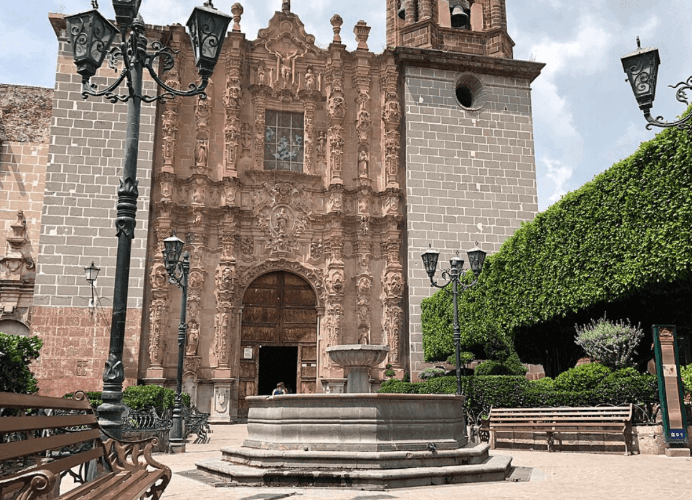
I would begin near the Parroquia de San Miguel Arcángel, then let the walk stretch slowly into nearby streets. Children usually notice the obvious first: the pink stone church, the balloons, the music, the horse-drawn carriages, the bright walls. Adults notice the door knockers, iron balconies, carved wood, and shadow patterns on old stucco. Both reactions matter. That mix is what makes the city feel so rich without needing a museum label at every turn.
For photography, early morning is lovely because the streets are quieter and the light is softer. Late afternoon is warmer and more social, with families gathering around the main square. If you are traveling with small children, those two windows often work better than pushing through the hottest part of the day.
Let the Craft Scene Lead the Kids In
Some destinations ask children to behave around beauty. San Miguel gives them ways to engage with it. The city’s craft culture is evident in shops, markets, galleries, textiles, ceramics, tinwork, embroidery, and hand-painted details that appear everywhere.
A market visit can become a small design lesson if you let the kids choose what to notice. Ask them which colors keep appearing. Ask what shapes they see in punched tin lanterns or embroidered flowers. Give them a tiny photo prompt, such as “find three doors you love” or “find the best shade of blue.” It sounds simple, but it turns a walk into an activity without making it feel like homework.
This is also a good place to be selective with souvenirs. A small handmade ornament, a woven bracelet, or a little ceramic dish can mean more than a bag full of things bought in a rush. I like choosing one piece that connects to a craft idea we can try at home later.
Visit Fábrica La Aurora for Art Without the Museum Mood
Fábrica La Aurora is one of the easiest creative stops for families because it feels relaxed. The former textile factory is now home to galleries, studios, shops, and design spaces, so children can see art in a less formal setting. It feels more like exploring than being told to stay quiet.
For design-loving parents, it is a treat. There are paintings, sculptures, textiles, furniture, and decorative pieces that make you want to repaint a room or rearrange a corner of the house as soon as you get home. For kids, the appeal is different. They can see scale, texture, color, and process up close. A large sculpture or a bold painting often elicits a stronger reaction than a framed masterpiece behind a rope.
I would not rush this stop. Let everyone pick one favorite thing and explain why. Children’s answers are usually better than adults’ because they do not try to sound clever. They just say what they see.
Make Room for Nature at El Charco Del Ingenio
After a few days of stone streets and colorful walls, El Charco del Ingenio gives the family a different side of San Miguel. This botanical garden and nature reserve is close to town, but it feels calmer and more open. The cactus gardens, paths, and views are a good reset for kids who need space to move.
It is also a great place for nature photography. The plants have strong shapes, and the dry landscape gives every texture more drama. Children who like collecting visual details may enjoy looking for spines, seed pods, flowers, and the way desert plants store water. Keep the visit practical with hats, water, sunscreen, and shoes that can handle uneven paths.
From a creative parent’s point of view, this is where the color story changes. The city gives you coral, ochre, pink, and indigo. El Charco gives you dusty green, stone gray, and the pale gold of dry grass. That contrast is beautiful, and it helps children see that “pretty” does not always mean bright.
Turn the Trip Into a Home Craft Project
The best family trips come home with you in some form. San Miguel makes that easy because the visual inspiration is so strong. You do not need complicated supplies to translate the trip into a craft afternoon.
Try a paper banner inspired by papel picado, using folded paper and child-safe scissors. Make a photo collage of doors and windows. Paint small clay pots in colors borrowed from the streets. Let the kids design their own “San Miguel house” on cardstock, with a bright door, a courtyard plant, and a little balcony.
Keep the Family Pace Realistic
San Miguel is beautiful, but it is still a real city with hills, sun, uneven sidewalks, busy streets, and tired children at inconvenient moments. A family-friendly visit works best when the pace respects that. Choose one strong activity for the morning and leave the afternoon flexible. Build in time for shade, drinks, and slow meals.
Restaurants and cafés are part of the pleasure here, especially when children need a break. A courtyard table can feel like a small reward after a walk. If your kids are picky eaters, keep snacks in your bag and avoid waiting until everyone is too hungry to decide where to go.
Evenings can be lovely around the center, but families with younger children may want to stay close to their lodging after dark. The city is most enjoyable when no one is being dragged through one more “must-see” stop. Leave something undone. That gives you a reason to come back.
Bring Home the Color, Not Just the Photos
What I love most about San Miguel de Allende is how naturally it teaches attention. It invites you to notice a wall color, a handmade tile, a garden behind a doorway, or a little saint niche tucked into a corner. For a creative family, that is a gift.
A family trip here does not need to be packed with big attractions to feel full. The best moments may be quieter: a child choosing a favorite door, a shared sketch in a café, a bright ribbon bought from a market stall, or a photo of morning light on cobblestones. Those details are the ones that follow you home and find their way into your decorating, your craft bin, your camera roll, and maybe even your next family dream.