• Skip to primary navigation
  • Skip to main content
  • Skip to primary sidebar
  • Skip to footer

Whipperberry

WhipperBerry • Your Home For Creative Inspiration

  • Home
  • Recipes
    • Starters
    • Easy Weeknight Dinners
    • Main Dish
    • Salads
    • Side Dish
    • Soups & Stews
    • Desserts
    • Breakfast
    • Miscellaneous
  • Tutorials
    • Creative Crafts
    • DIY Decor
    • Fabric Crafts
    • Food How-To
    • Jewlery
    • Paint Projects
    • Paper Art
    • Party Styling
    • Photography and Graphic Design
    • Silhouette
  • Holidays
    • Easter
    • Mother’s Day
    • Father’s Day
    • 4th of July
    • Halloween
    • Thanksgiving
    • Christmas
    • Valentine’s Day
  • Gift Ideas
    • Gifts For Everyone
    • Gifts for Dad
    • Mother’s day
    • For The Girls
    • For The Kids
    • Teacher Gift Ideas
    • Christmas
  • Printables
    • Holiday
    • Gift Idea
    • LDS Primary
  • Travel
  • About
    • Terms
  • Contact
  • Nav Social Menu

    • Facebook
    • Instagram
    • Pinterest
    • RSS
    • Twitter

Travel

Want to Experience Bordeaux Like a Local? Walking Tours For Families

0 · Apr 9, 2026 · Leave a Comment

What does it really mean to experience a city like Bordeaux as a family? It is not just about checking off landmarks. It is about slowing down, noticing the little things, and sharing those moments together. Maybe it is finding a cozy café where everyone can rest, or hearing a story that makes your kids look at a building in a whole new way.

Bordeaux is known for its beautiful architecture and rich wine culture, but it also has a softer, more relaxed side that works so well for families. More travelers are choosing meaningful trips over busy schedules, and this city is perfect for that kind of experience.

If you are visiting with kids and want something that feels easy, engaging, and memorable, walking tours can make a big difference. They help you explore at a comfortable pace while turning simple streets into stories your whole family can enjoy.
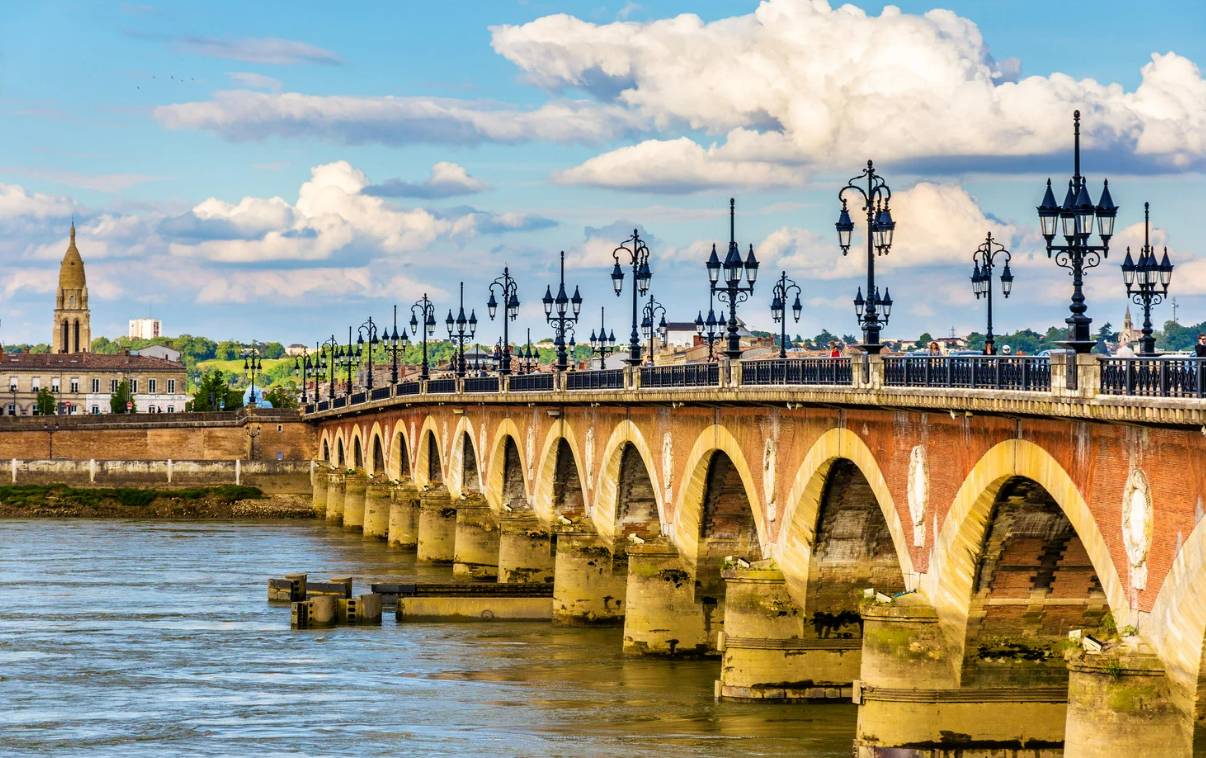
Bordeaux

1. You See More Than Just Landmarks

Most travelers visit Bordeaux with a checklist—Place de la Bourse, the Garonne River, and a few historic streets. And while these are undeniably beautiful, they only show one side of the city.

Walking tours take you beyond the obvious. Instead of just stopping for photos, you begin to understand why these places matter. You’ll notice the details—the symmetry of 18th-century architecture, hidden courtyards, and lesser-known streets that rarely appear on travel blogs.

More importantly, you get context. A guide doesn’t just show you where to look—they tell you what you’re looking at and why it’s significant. That shift—from seeing to understanding—is what transforms a visit into an experience.

2. You Discover Local Spots You’d Otherwise Miss

One of the biggest advantages of walking tours is access to places that don’t appear in standard travel plans. These could be:

  • A small bakery tucked away in a quiet street.
  • A local market with authentic produce.
  • A peaceful square where residents gather.

These are the places that give Bordeaux its character—but they’re easy to miss if you’re exploring on your own. By contrast, many visitors who join trusted Bordeaux Free Walking Tours often discover these hidden gems early in their trip. This not only enhances their understanding of the city but also shapes how they spend the rest of their time there. Instead of relying on generic recommendations, you get curated insights from someone who actually knows Bordeaux inside out.

3. Local Guides Add Stories You Won’t Find Online

You can read about Bordeaux online, but stories bring the city to life. Local guides often share insights that go beyond historical facts. They talk about traditions, daily life, and even personal experiences growing up or living in the city. These narratives create a connection that no article or travel app can replicate.

For example, instead of simply learning that Bordeaux is a wine capital, you might hear how wine culture influences everyday conversations, celebrations, and even local identity. These layers of storytelling make the city feel more human and less like a destination.

And that’s the real difference—information tells you what something is, but stories help you feel why it matters.

4. It Helps You Navigate the City With Confidence

Arriving in a new city can feel overwhelming. Maps help, but they don’t always give you a sense of direction or confidence.

Walking tours naturally solve this problem. As you move through the city with a guide, you start to understand its layout:

  • Which areas are central?
  • Where locals spend their time.
  • How different neighborhoods connect.

By the end of the tour, you’re not just following directions—you’re navigating with awareness. This makes the rest of your trip smoother. Instead of constantly checking your phone, you begin to explore more freely, like someone who actually knows the city.

5. It’s a More Relaxed and Immersive Way to Explore

Not every traveler wants a packed itinerary. Walking tours offer a slower, more relaxed pace. You’re not rushing from one attraction to another—you’re taking time to absorb the surroundings, ask questions, and enjoy the experience.

This kind of travel is becoming increasingly popular. Many people now prefer immersion over speed, choosing quality experiences over long checklists.

In Bordeaux, this approach works especially well. The city’s charm lies in its details—the architecture, the atmosphere, the rhythm of daily life. Walking allows you to notice all of this in a way that buses or quick visits simply can’t match.

6. You Get Practical Tips That Improve Your Entire Trip

One underrated benefit of walking tours is the practical advice you receive along the way. Local guides often share:

  • Where to eat (and what to avoid).
  • The best times to visit certain places.
  • Tips on local etiquette.
  • Budget-friendly recommendations.

These insights can significantly improve your trip. Instead of spending days figuring things out, you gain valuable knowledge within a few hours. This helps you make better decisions—whether it’s choosing a restaurant, planning your day, or avoiding common tourist mistakes. It’s like getting a head start, guided by someone who already understands the city.

7. It Creates a More Personal Travel Experience

Travel isn’t just about places—it’s about how those places make you feel. Walking tours tend to be more personal compared to other types of guided experiences. The group sizes are often smaller, the interactions more natural, and the atmosphere more engaging.

You have the opportunity to:

  • Ask questions freely.
  • Interact with fellow travelers.
  • Engage in conversations with your guide.

This creates a sense of connection—not just with the city, but with the people around you. And sometimes, these small interactions become some of the most memorable parts of your trip.

Conclusion

Exploring Bordeaux as a family does not have to feel complicated. It is not about seeing everything. It is about enjoying what you see and making those moments count.

Walking tours make that easier. They give you stories, local tips, and a relaxed way to explore without feeling rushed. You get to learn together, ask questions, and notice details you might otherwise miss.

As a mom, those are the kinds of experiences that stick. The shared discoveries, the little surprises, and the feeling of truly being in a place instead of just passing through. In a city like Bordeaux, that is what turns a simple trip into something your family will remember long after you get home.

Why Tourists Are Choosing Car Rental Services Over Ride-Hailing Apps

0 · Apr 6, 2026 · Leave a Comment

Planning a trip can be exciting, but getting from one place to another is not always as simple as it sounds. If you are traveling with family or trying to fit several stops into one day, transportation can quickly become one of the most stressful parts of your trip.

On a recent visit to Singapore, I started thinking more about how we move around when we travel. Public transportation is great, but it does not always work when you are on a tight schedule or traveling with kids, bags, or a full day of plans.

There are a few options to choose from, including ride-hailing apps like Grab and car rental services. Both are convenient in their own way, but they offer very different experiences depending on how you like to travel.

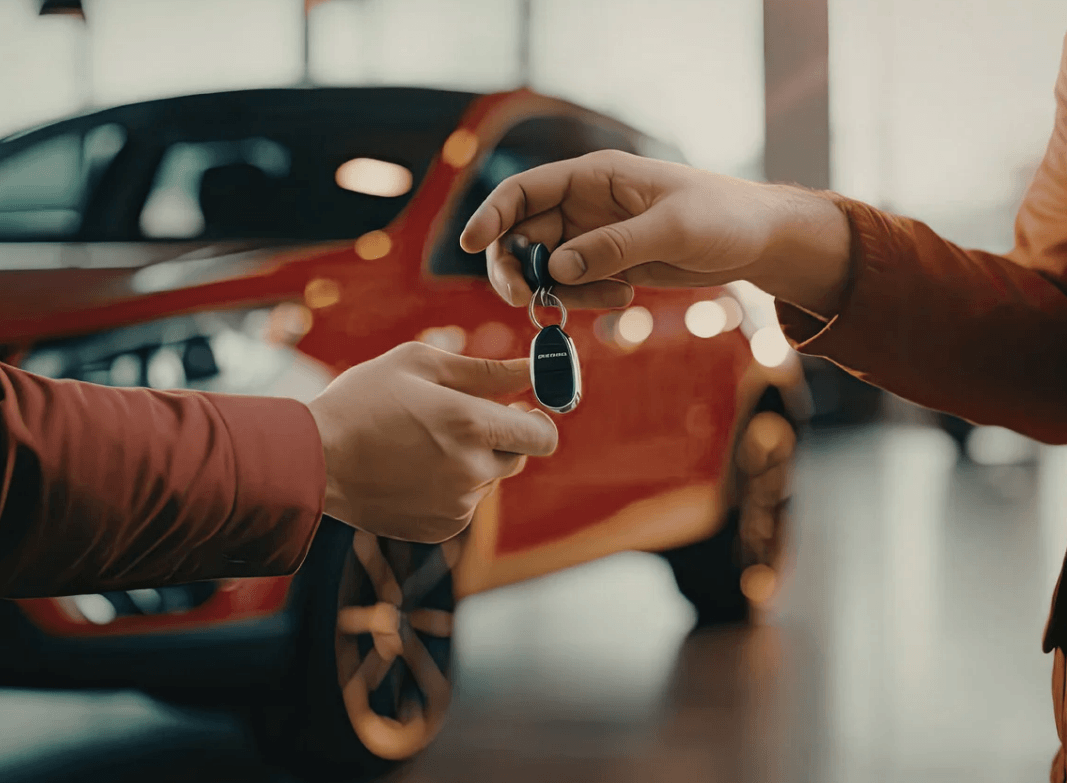
car rental services

If you are someone who enjoys having a bit more flexibility and control during your trip, renting a car can make a big difference. Here’s why car rental Singapore travellers recommend may be a more practical option than ride-hailing for you:

1) More Dependable Costs for Group and Full-Day Travel

Expenses can quickly accumulate when each leg of your journey requires a separate booking, especially when travelling with companions or moving between several destinations in a single day. What may seem like small, manageable fares at the start of the day can add up by the time your itinerary is complete.

In contrast, a rental car service typically operates on a fixed or pre-agreed rate, so you can spread the cost across your group and avoid the uncertainty of fluctuating fares. A more predictable pricing structure makes it easier to plan your budget in advance.

2) Greater Control Over Time and Daily Itineraries

Tightly planned days leave little room for delays, and even short waiting times between bookings can disrupt an otherwise smooth schedule. Relying on ride-hailing means repeatedly requesting rides and coordinating pick-up points, which can introduce small but noticeable interruptions. With a rental car service, on the other hand, you can leave when you are ready and make adjustments as your plans evolve.

3) No Need to Deal with Unpredictable Surge Pricing

Fare estimates on ride-hailing apps do not always reflect what you will pay at the moment you need a ride. In Singapore, fares for point-to-point transport services are influenced by supply and demand, which explains why availability and pricing can shift depending on timing. Prices can rise during peak hours or in unfavourable weather conditions, so it’s more difficult to anticipate your total transport costs for the day. If you prefer consistency, then chances are rental car services will feel like a more reliable option.

4) Smoother Travel across Multiple Stops

Movement between several destinations in a single outing often requires careful coordination, especially when each leg of the journey depends on securing a new ride. Short delays between bookings can interrupt the flow of your plans, particularly when visiting attractions or neighbourhoods that are not located close to one another.

With a rental car service, transitions between stops become more seamless, as your vehicle remains available throughout your itinerary. This allows you to maintain momentum during the day and reduces the need to repeatedly manage bookings or adjust to changing pick-up arrangements.

car for rent

5) More Practical for Luggage and Group Travel

Handling luggage or travelling with companions introduces additional considerations that are not always easy to manage with ride-hailing services. Storage space and seating arrangements in vehicles can vary from one booking to another, which may require you to make adjustments each time you travel. A car rental service provides a consistent setup that ensures you have enough room for your belongings and that everyone in your group can travel comfortably.

6) Less Reliance on Driver Availability

Even in a well-connected city like Singapore, there are moments when securing a ride may take longer than expected, particularly during late hours or busy periods. It may throw a wrench in your schedule if you end up having to wait for an available driver or deal with limited supply; that’s the last thing you want to be dealing with especially when you have time-sensitive plans.

In contrast, a rental car is available to you whenever you need it, so you can be sure that you’ll reach your next destination without unnecessary delays.

Conclusion

At the end of the day, how you get around can shape your entire travel experience. When your transportation is simple and reliable, everything else feels easier to enjoy.

For families, busy schedules, or days packed with multiple stops, having a car ready when you need it can take away a lot of stress. It gives you the freedom to move at your own pace and focus more on making memories instead of managing logistics.

Ride-hailing apps still have their place, especially for quick trips. But if you are planning a full day out or traveling with others, car rental services can offer a smoother and more comfortable experience.

Sometimes the little choices, like how you get from one place to another, can make the biggest difference in how your trip feels.

Why Do Some Cities Have More Car Accidents? A Family Guide to Staying Safe on the Road

0 · Mar 27, 2026 · Leave a Comment

Some cities have more car accidents than others, mainly because they’re dealing with a chaotic mix of heavy traffic, crowded streets, and too much happening at once. When you have hundreds of drivers crammed into a small space, even a tiny mistake can turn into an accident in seconds.

Busy roads and nightmare intersections increase the odds. Urban areas are often where most car crashes happen because of dense traffic and constant road activity.

Family Guide to Staying Safe on the Road

Source: vecteezy

Population Density and Traffic Volume

Population density is probably the biggest factor. The more people live in a city, the more cars you have on the same narrow roads every morning. This is typical of urban areas. It just goes to show that crowded roads increase your chances of collision.

Families can stay safer by allowing extra travel time and avoiding peak traffic hours when possible.

Intersections and Complex Road Networks

Some cities are a potential grid for intersection crashes because streets cross so frequently. Every crossing creates several points where two vehicles could collide. Drivers have to watch the light, check for pedestrians, and keep an eye on other drivers trying to make left turns.

Intersections require quick thinking. A small mistake at a busy intersection leads to a side-impact crash before you can hit the brakes. Taking an extra second to check all directions can prevent serious crashes.

Road Design and Infrastructure

A lot of city streets were designed decades ago when there were half as many cars on the road. Now, those same streets are too narrow or just plain confusing for modern traffic.

Drivers often struggle with faded lane markings and unclear signs. Lack of maintenance is a serious concern. Potholes are more than just a nuisance for your tires; they can make a driver lose control if they hit one at the wrong angle.

Defensive driving helps you react to poor road conditions more safely.

Pedestrians and Cyclists

pedestrian lane

Source: vecteezy

Driving in a city is more complicated than driving down a highway because you aren’t just looking out for other cars. You’ve got cyclists sharing the road with you and pedestrians crossing the street.

Even the most careful driver can miss a person in a crowded shopping district or a school zone. These areas are very active, and they require a higher level of attention. Always scan for pedestrians and cyclists, especially in busy areas or near schools.

Traffic Laws and Enforcement

Finally, the rules matter. Traffic laws and enforcement have a way of influencing accident numbers in cities. Cities with strict traffic laws experience fewer crashes as drivers tend to behave a bit better.

For instance, speed limits and seatbelt laws aren’t just suggestions but are for the safety of drivers. Speeding was a factor in many traffic fatalities. Without enforcement, some people take risks they shouldn’t.

Following traffic laws consistently is one of the simplest ways to reduce risk.

Final Thoughts

Some cities are always going to be busier and more prone to accidents than some other cities. Smarter road design and being more responsible behind the wheel can help bring those numbers down. Even in the most crowded city, a little patience goes a long way.

Key Takeaways

  • More cars (heavy traffic) in one spot equals more chances for a crash.
  • High population puts a massive strain on old road systems.
  • Intersections are the most dangerous spots in any city grid.
  • With a good number of pedestrians and cyclists on the road, it means you have to watch more than just the road.
  • Strict traffic rules go a long way, they help reduce accidents and improve driver behavior.

5 Adventurous Family Travel Ideas for Your Next Holiday

0 · Mar 19, 2026 · Leave a Comment

Family holidays are not just about slowing down. They are about spending time together, trying something new, and creating moments that everyone will remember. The best trips often mix a bit of adventure with comfort, giving both kids and adults something to enjoy.

Adventure does not have to mean extreme activities. It can be as simple as exploring a new coastline, learning a new skill, or spending more time outdoors as a family. In 2026, many families are choosing trips that feel active, meaningful, and easy to enjoy together.

If you are planning your next getaway, these ideas can help you build a trip that keeps everyone engaged while still leaving space for a proper break or relaxed time.

1. Embrace Nature: Outdoor and Activity-Led Adventures

The appetite for outdoor, activity-led breaks keeps climbing, partly because they are flexible: you can make them as gentle or as feral as you like. For families, this flexibility is especially helpful because you can adjust the pace to suit younger children or more active teens. If the goal is “challenging enough to feel alive, manageable enough to enjoy”, build a trip around a coastline.

Ideas that work well:

  • Multi-day hiking with accommodation pre-booked (less faff, more walking), so children have a comfortable place to rest at the end of the day.
  • Coastal “choose-your-own-adventure” weekends: surf lesson, wild swim (safely), then pub dinner, giving kids a mix of activity and downtime.
  • Trail + town combos: hike in the day, a market town in the evening, which works well for families who want both movement and relaxed time together.
Family Travel Ideas for Your Next Holiday

2. Adventure Meets Wellness: A New Way to Travel

Wellness is no longer a spa add-on. It’s being fused with adventure: movement plus recovery, challenge plus calm. For families, this balance helps keep both kids and adults from feeling tired or overwhelmed during the trip.

Try:

  • Off-grid cabins with a daily “one big walk” rule (phone optional, sanity improved), giving families time to disconnect and reset together.
  • Ocean-based resets (cold water dip, sauna, long coastal hike), where older kids can take part at their own pace while younger ones enjoy the surroundings.
  • Skill-building retreats that are physical but not punishing (beginner surfing, paddleboarding, yoga + hiking), which can help children learn new skills in a relaxed setting.

3. Slow Travel and Sustainable Adventures

Slow travel is having a moment because it makes the journey part of the holiday, not the penalty you pay to reach the holiday. Rail-based trips also scratch a very specific itch: scenic, lower-stress, and inherently more present. For families, this approach reduces travel fatigue and gives children more time to settle into each place.

Ideas:

  • Interrail-style loops (pick 3–4 stops, stay longer in each), which helps kids adjust without feeling rushed.
  • Night train adventures where you wake up somewhere new, turning travel time into part of the experience for children.
  • “One region, deeper” trips (like San Miguel de Allende): fewer destinations, more walking, local food, and day trips, making it easier for families to keep a steady and enjoyable pace.
Adventurous Family Travel Ideas

4. Long-Haul Adventure Destinations

Long-haul is still very much in the mix for adventurous adults, especially for those who want a bigger contrast than Europe can provide: jungles, deserts, remote islands, and mountain landscapes that reset your sense of scale. For families, these trips work best when planned with realistic pacing and child-friendly activities.

Think:

  • Jungle trekking + wildlife (with reputable operators and realistic fitness expectations), which can be exciting for kids when safety and comfort are considered.
  • Desert routes that combine culture and landscape rather than “Instagram hardship”, allowing families to explore without unnecessary strain.
  • Mountain expeditions that focus on achievable peaks and proper acclimatisation, so both adults and children can enjoy the experience safely.

5. Reader-Inspired Adventures and Unique Finds

If you want adventure without crowds, steal ideas from people who are not trying to go viral. Try the sort of trips that feel personal: quieter Greek islands, lesser-known rail journeys, hikes away from the obvious routes, and “go here because it surprised me” discoveries. For families, these quieter options often mean more space for kids to explore and less stress overall.

Use that approach as a filter:

  • Choose one headline destination and then add one “quiet side quest” nearby, giving children variety without overwhelming the schedule.
  • Travel off-peak or shoulder-season for better value and fewer people, which can make trips more comfortable with kids.
  • Prioritise one signature experience (a trail, a swim spot, a mountain day) rather than trying to do everything, helping families stay relaxed and present.

The best family adventures are not about doing the most. They are about choosing experiences that everyone can enjoy and remember long after the trip ends. A simple hike, a new activity, or a shared moment outdoors can often mean more than a packed schedule.

When planning your next holiday, focus on what will keep your family comfortable, curious, and connected. With the right balance of activity and downtime, travel becomes something everyone looks forward to.

If you want a mix of destinations and experiences in one trip, Princess Cruises are a good choice for itineraries that can suit both adventurous families and couples.

  • « Go to Previous Page
  • Page 1
  • Interim pages omitted …
  • Page 12
  • Page 13
  • Page 14
  • Page 15
  • Page 16
  • Interim pages omitted …
  • Page 59
  • Go to Next Page »

Primary Sidebar

Heather from Whipperberry
Hello... my name is Heather and I'm the creator of WhipperBerry a creative lifestyle blog packed full of great recipes and creative ideas for your home and family. I find I am happiest when I'm living a creative life and I love to share what I've been up to along the way... Come explore, my hope is that you'll leave inspired!

Footer

  • Privacy Policy
  • Crafts
  • Food
  • Gifts
  • Holidays
  • Home
  • Mom Life
  • Recipes
  • Travel

Copyright © 2026 · Seasoned Pro