There are 50 million households using propane every day for heating, cooking, and outdoor living. While it is an efficient and clean fuel, ignoring basic maintenance creates real safety hazards.
Ignored fittings dry out, and lines degrade. Unserviced appliances slowly develop burn issues.
Running through a basic safety routine before turning on your equipment keeps your home safe and ensures your gear operates at peak efficiency when you need it most.
Inspecting the Physical Tank for Visual Damage
Your first check starts at the tank cylinder itself. Look for heavy rust patches, deep dents, or structural gouges that compromise the metal shell. Minor surface rust is common, but flaking metal or severe pitting warrants an immediate inspection by a technician.
Always check that the tank sits upright on a flat, non-combustible base like concrete. Never store portable tanks on their side or inside enclosed spaces like garages or sheds.
Monitoring Your Fuel Gauge and Gas Supply
Running a propane system completely dry can draw sediment into your lines and cause pilot lights to fail. Keeping track of your fuel level prevents sudden outages and protects your appliances from unexpected air pockets in the fuel line.
Watching out for signs your propane tank is empty allows you to schedule refills early, avoiding frozen lines or airlock issues that require professional clearing.
Conducting a Leak Test on Gas Valves and Hoses
Gas leaks are the single largest hazard in home propane setups. A quick bubble test using soapy water is the most reliable way to find small gas leaks before sparking up a burner.
- Mix equal parts liquid dish soap and water in a clean spray bottle
- Spray the mixture directly over the valve, hose, and regulator connections
- Watch closely for growing soap bubbles that indicate escaping gas
If you see bubbles forming around connection points, turn off the supply valve immediately. Tighten the fittings slightly and retest. And if bubbles continue to appear, replace the damaged hose assembly before using the appliance.
Examining Connectors and Rubber Supply Lines
Rubber hoses deteriorate over time due to weather exposure, pest damage, and UV light. Flexible lines should feel firm yet pliable, with no visible cracking when bent gently.
Old or brittle connectors are prone to splitting under pressure, making them a common failure point. Replace any hose that shows signs of dry rot, stiffness, or rodent chewing right away.
Evaluating Burner Flames and Ventilation
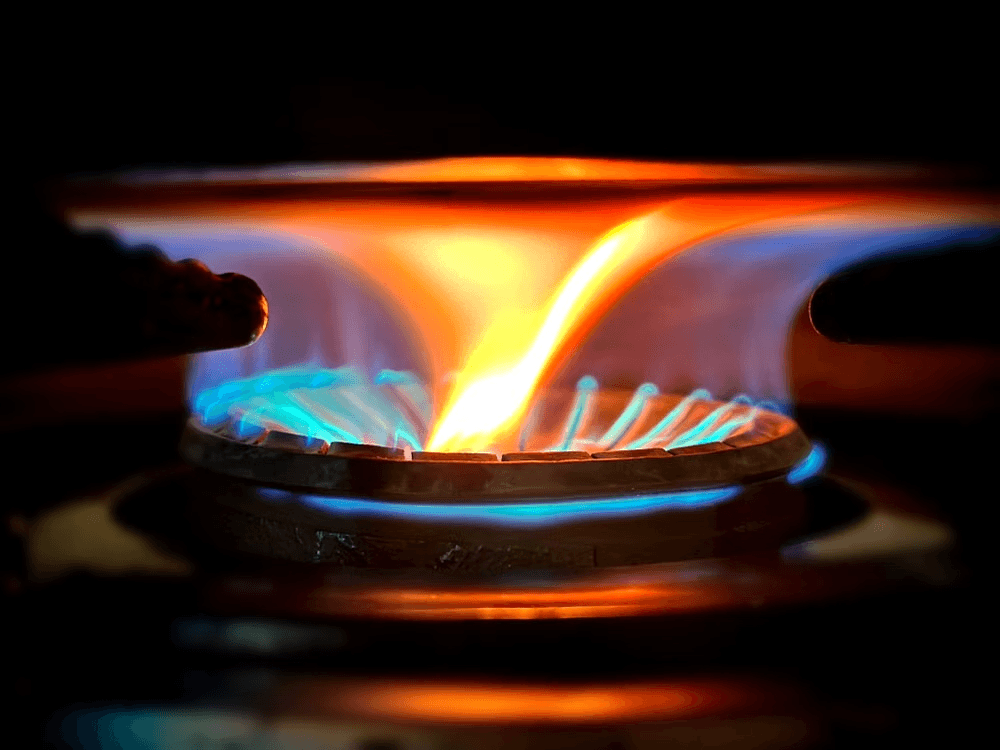
Turn on your appliance and take a close look at the flame color once it stabilizes. A healthy, complete propane burn produces a crisp blue flame with a small yellow tip.
A lazy, yellow, or orange flame indicates incomplete combustion, which often stems from blocked burner ports or inadequate air mixture. This condition produces dangerous carbon monoxide gas indoors. Turn off the unit and clear out any dust or cobwebs blocking the air shutter if the flame stays yellow.
Clearing Obstructions from Exhaust Vents
Outdoor debris can block your appliance flues faster than you think. Birds, spiders, and wasps routinely build nests inside vent pipes, trapping dangerous exhaust gases inside your living space.
Inspect all exterior vent hoods, chimney caps, and intake pipes before lighting indoor equipment. Clear away bird nests, heavy leaf buildup, or snow accumulation to keep airflow moving freely.
Checking Carbon Monoxide and Gas Detectors
Safety devices provide your final line of defense against undetected leaks or ventilation failures. Standard smoke alarms will not pick up gas buildup or carbon monoxide, so specialized monitors are essential.
Test every UL-listed CO and propane detector in your home monthly to verify the batteries work. Keep units installed near the floor for propane detection, as propane gas is heavier than air and settles in low spots.
Know When to Call a Professional Technician
Some maintenance tasks go beyond simple DIY fixes. If you smell rotten eggs, hear a continuous hiss, or see persistent rust inside burner assemblies, step away from the equipment.
Shut off the main gas valve on your tank if it is safe to do so. Leave the area immediately and contact your local gas provider or a qualified technician to troubleshoot the system safely.
Maintaining Safe Propane Systems Year Round
Taking a few minutes to inspect your tank, hoses, and burners prevents unexpected breakdowns and keeps your home safe. Catching minor wear early saves time and avoids expensive emergency repairs.
A quick check before firing up any gas appliance provides total peace of mind for you and your family. Scroll on to explore more posts for practical tips and hacks you can use at home every day.
0
Leave a Reply