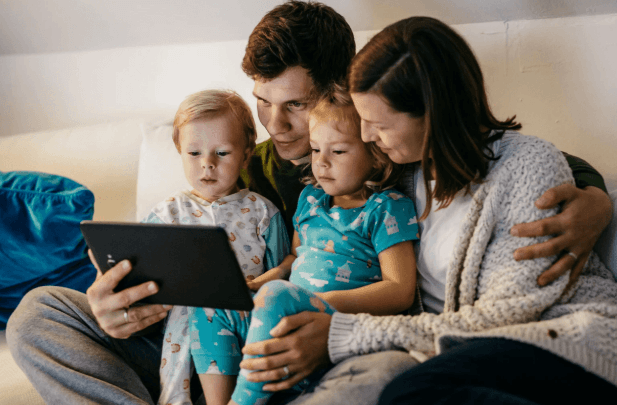
A home can look absolutely perfect and still feel… a bit uncomfortable. It’s flawless, but people pick up on it almost immediately, even if no one says anything. Everything is in place, nothing’s out of line, and yet there’s this quiet feeling like you have to be careful. Like you shouldn’t sit too freely or touch too much. It feels more like a space to admire than one to actually settle into.
And then there are homes that are the complete opposite. A chair’s a little off, something’s happening in the kitchen, there’s a bit of noise, a bit of movement, and none of it matters. People just ease into it. They sit wherever, conversations start without effort, and time kind of slips by without anyone noticing.
That difference doesn’t come from decoration. It comes from how the space is set up to be lived in. During festive seasons, that becomes even more obvious. There’s more noise, more people, more movement. Trying to control all of it usually backfires. Letting the space absorb it works better.
I’ve learned over the years that a home does not have to look perfect to feel inviting, especially during the holidays. In fact, some of the most beautiful spaces can feel a little uncomfortable when everything is too put together.
As a mom, I love creating a home where my family and friends can relax, gather, and truly enjoy the moment. When the festive season comes around, it becomes even more important to focus on how a home feels instead of how it looks. A few simple changes can make your space feel cozy, lived-in, and full of joy.
Start With the Feel, Not the Look
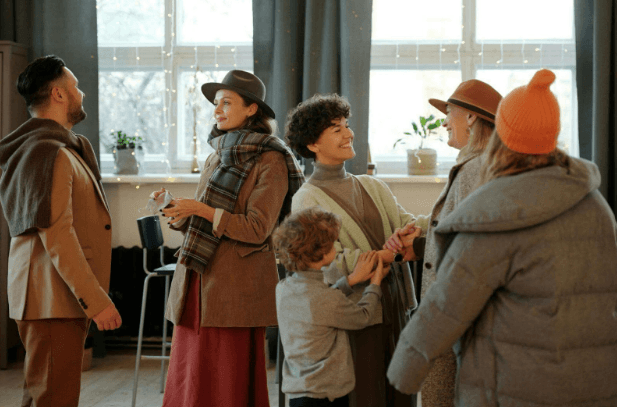
It’s easy to get caught up in how things look. New plates, matching colours, carefully arranged corners. All of that helps, but only up to a point. What actually makes a space feel right is much less visible. Lighting that isn’t harsh on the eyes. A room that isn’t packed with things. Air that feels fresh and good instead of heavy and smelly. These aren’t that major changes, but they shift how people behave the moment they walk in.
Even scent works like this. Not something strong or artificial, just a faint, natural background. Food cooking, clean fabric, or even just an open window can do more than any diffuser. People don’t walk in and analyse these details. They just feel more at ease without knowing why.
Let People Use the Space
One thing I’ve learned as a mom is that a home can feel less welcoming when everything looks too perfect. When pillows are lined up just right or the table feels like it is only for display, people naturally hold back. Even kids can feel like they have to be extra careful.
In our home, I try to set things up so everyone feels comfortable using the space. Chairs can be moved around, pillows can be tossed on the floor, and no one has to ask before sitting down. It may not look perfect, but it feels lived in and relaxed, which matters so much more.
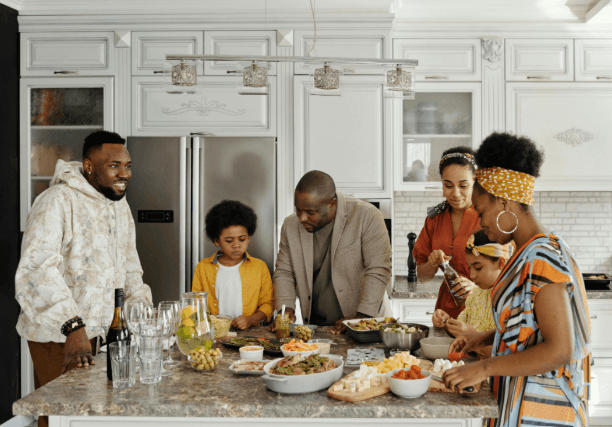
Food plays a big role here too. When everything feels formal, people hesitate. But when food is simple and easy to reach, everyone jumps right in. I love setting things out in a way where my family and guests can help themselves without overthinking it.
There’s a reason most hosting advice, including this guide from BBC Good Food, focuses on keeping things simple. When guests feel at ease, the whole home feels warmer and more inviting.
Different Traditions, Same Outcome
One thing I love is seeing how different families celebrate. Even though traditions may look different, they all create that same feeling of warmth and togetherness.
Christmas and Easter often bring cozy moments with shared meals and simple traditions that families repeat year after year. Halloween has a more relaxed feel, with people coming and going and a fun, easy energy in the home.
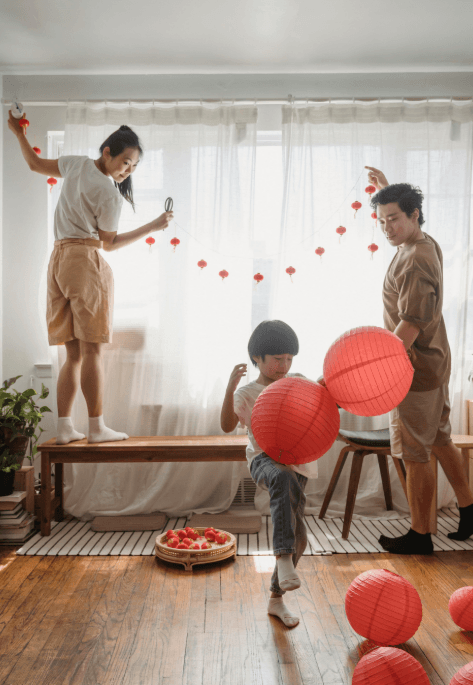
In Hindu homes during Diwali, there is a beautiful sense of preparation. Cleaning, lighting diyas, and creating rangoli all help set the tone. In Chinese New Year celebrations, there is intention in every detail, from the colors to the food to the way the home is arranged.
In Muslim homes, celebrations like Eid bring a wonderful sense of sharing. Food is prepared and given to others, and the home becomes part of something bigger than just hosting. For those observing Eid ul-Adha, qurbani introduces a structured way of giving, where what happens inside the home extends beyond it.
Even though these traditions are different, they all create homes that feel open, welcoming, and full of life.
Food Sets the Tone
Food has a bigger impact than most people realise. Not because of how elaborate it is, but because of how easy it feels.
Complicated setups tend to create distance. Guests wait, ask questions, or avoid touching anything. Simple setups do the opposite. People serve themselves, move around, and naturally gather in small groups. That’s when conversations start to stretch. People stop being careful and start being comfortable.

The Small Things That Change Everything
Some things are barely noticeable, but they affect the entire experience. In our home, I try to keep a few simple things in mind:
- Music that sits in the background instead of taking over
- An entry that feels clean and calm, not rushed
- Enough space so people aren’t adjusting themselves constantly
- Basic things, such as water, seating, and serving areas, are obvious without needing directions
When these are right, everything else becomes easier.
Stop Trying to Get It Exactly Right
Trying to manage every detail usually creates the opposite effect. The space starts to feel controlled. People become slightly more aware of what they’re doing, what they’re touching, and where they’re sitting.
The most comfortable homes leave room for small disruptions. Someone shows up late. Plans shift. Conversations run longer than expected. That’s not a flaw. That’s usually where the best parts happen.
During the holidays, those little moments like sharing food, laughing together, and enjoying time as a family matter the most. When you focus on that, your home naturally becomes a place everyone loves to gather.
Ultimately, the arrangement and decorations are forgotten. They recall how the place made them feel, including if they could chill out, stay in, and take part in the activities without giving it any thought. That’s what creates a very friendly atmosphere in a house. It’s how people fit into it, not how it appears.