• Skip to primary navigation
  • Skip to main content
  • Skip to primary sidebar
  • Skip to footer

Whipperberry

WhipperBerry • Your Home For Creative Inspiration

  • Home
  • Recipes
    • Starters
    • Easy Weeknight Dinners
    • Main Dish
    • Salads
    • Side Dish
    • Soups & Stews
    • Desserts
    • Breakfast
    • Miscellaneous
  • Tutorials
    • Creative Crafts
    • DIY Decor
    • Fabric Crafts
    • Food How-To
    • Jewlery
    • Paint Projects
    • Paper Art
    • Party Styling
    • Photography and Graphic Design
    • Silhouette
  • Holidays
    • Easter
    • Mother’s Day
    • Father’s Day
    • 4th of July
    • Halloween
    • Thanksgiving
    • Christmas
    • Valentine’s Day
  • Gift Ideas
    • Gifts For Everyone
    • Gifts for Dad
    • Mother’s day
    • For The Girls
    • For The Kids
    • Teacher Gift Ideas
    • Christmas
  • Printables
    • Holiday
    • Gift Idea
    • LDS Primary
  • Travel
  • About
    • Terms
  • Contact
  • Nav Social Menu

    • Facebook
    • Instagram
    • Pinterest
    • RSS
    • Twitter

Search Results for: ageing

Best Time to Arrange Live-In Care for Ageing Parents in Taunton: Everything You Need To Know

0 · May 7, 2026 · Leave a Comment

There is rarely one clear moment when live-in care becomes necessary. It usually happens gradually.

Have you started feeling more concerned after each visit? Has a hospital stay made you question whether enough support is in place? Many families only act when the situation becomes urgent. By then, decisions are made under pressure, with less time to plan properly.

In most cases, the right time to arrange live-in care comes earlier than families expect. Here’s why timing matters, and what the right moment actually looks like.

live-in care

1. Early Arrangement Produces Better Outcomes

The quality of live-in care isn’t just determined by the carer; it’s significantly influenced by how well-prepared the transition is. A parent who has been involved in the decision, who has met potential carers before care begins, and whose routines have been considered in the care plan adapts far more successfully than one for whom care arrives as a response to a crisis.

Early arrangement also allows families time to assess multiple options, ask thorough questions, and make considered decisions rather than accepting the first available arrangement simply because something needs to be in place quickly.

In a market where quality providers have waiting lists, acting early is often the difference between the preferred option and whatever happens to be available.

2. The Right Moment Is Before Independence Is Seriously Compromised

The most effective live-in care arrangements begin when a parent still has meaningful input into how they want to be supported. When parents can clearly express their preferences, those choices can be included in the care plan. Daily routines, personal values, privacy, and practical needs all matter.

With enough time, families can listen properly and create care that feels more respectful, comfortable, and personal. Research also highlights how maintaining independence and personal choice plays an important role in ageing well and improving overall quality of life.

Waiting too long can mean care is arranged for a parent rather than with them. This affects both the quality of the care arrangement and the parent’s sense of dignity, choice, and independence.

3. Key Triggers That Signal the Right Time

Several moments commonly serve as natural inflection points, times when all parties acknowledge that something needs to change and the conditions for a thoughtful transition are present:

  • Following a health event — a hospitalisation, a fall, a new diagnosis, or significant change in mobility often prompts a reassessment that opens the door to an honest conversation about what’s needed going forward
  • When existing support is becoming inadequate — families providing informal care often reach a point where the level of support needed exceeds what they can sustainably provide; recognising this before burnout occurs allows a planned, collaborative transition
  • Before the winter months — for older adults in Taunton, winter brings increased risk through isolation, reduced activity, colder homes, and higher fall risk; arranging care before winter means support is established and familiar before conditions worsen
  • When driving has stopped — loss of driving independence significantly affects an older adult’s ability to manage daily life autonomously, affecting access to shopping, medical appointments, and social activities in ways that live-in support directly addresses

4. What Good Preparation Looks Like

A well-prepared live-in care arrangement doesn’t happen in a week. The process involves assessment, matching, introduction, and settling-in, and each stage benefits from time rather than urgency. Good preparation typically includes:

  • Assessing the specific care needs and daily support requirements honestly and in detail
  • Discussing preferences with the parent, routines, privacy, what support feels comfortable
  • Evaluating care providers carefully and asking detailed questions about how carers are matched to clients
  • Completing any necessary care needs assessments with the local authority
  • Allowing time for the carer and parent to establish familiarity before the arrangement is fully load-bearing

For families in Somerset, live in care Taunton offers local expertise, careful carer matching, and professional support that helps make the transition smoother and better prepared. Carers are chosen based on compatibility with the individual, not simply general availability.

live-in care arrangement

5. The Real Cost of Waiting

Families who wait until a crisis to arrange live-in care often face higher short-term costs. Emergency placements can be more expensive, and sudden disruption to a parent’s routine can lead to more complex care needs than earlier support would have required.

Beyond the financial dimension, the emotional cost of crisis-driven care is significant. The parent experiences a loss of control at a moment of vulnerability. The family manages a situation under pressure rather than navigating it thoughtfully.

The transition that could have been managed carefully happens abruptly, with less attention to the parents’ preferences and less opportunity for adjustment. Acting early protects against all of this, and it’s one of the most genuinely caring things a family can do.

Final Thoughts

The best time to arrange live-in care is when the need is becoming clear rather than when it has become critical. Acting early helps parents stay involved in decisions about their own care. It also gives families time to make thoughtful choices instead of rushed decisions.

This creates a smoother and more dignified transition, with better preparation for everyone involved.

The families who act early are the ones who look back and feel they handled one of the most significant decisions of family life in a way they can genuinely be proud of.


How to Support Ageing Parents in Later-life with Practical Planning

0 · Dec 10, 2025 · Leave a Comment

As your parents get older, you might start to notice small changes: they might find it more difficult to stay on top of dates and appointments, or decisions might take more energy.

Of course, you want to help without stepping on their toes. Sorting a few things out early can take the weight off everyone’s shoulders, so you spend less time worrying and more time enjoying each other’s company.

Here are some practical tips on how you can provide support for your ageing parents especially in their later years.

Support Your Ageing Parents with These Practical Step

Organise Important Documents

Paperwork often ends up scattered in drawers and cupboards. Sitting down together to gather essentials – like a Will, details of savings, medical information and insurance – can stop future panic. A clearly labelled folder or a shared digital space keeps everything where you can actually find it.

Many families chat to probate solicitors while doing this, especially if they need a Will updated or want to check that legal bits still reflect what their parent wants. Keeping a simple list of where things are stored and who to call in an emergency can give everyone real peace of mind.

Support Ageing Later-life Parents

Review Finances and Long-term Plans

Money can feel like a touchy topic, but avoiding it rarely helps. Try looking together at income, pensions, regular bills and anything they might owe. When you have a clear picture, you can spot gaps early and make changes without feeling rushed.

For example, small home adjustments – like grab rails or a stairlift – become easier to plan for when you know what the budget allows. You might also check for benefits they’re entitled to or ask a financial adviser to give everything a health check. These conversations are really about giving your parent more choice, not less.

support for ageing parents

Consider Healthcare and Housing Preferences

Health needs don’t tend to stay still. Asking gentle questions now can prevent greater stress later. Would they feel happier staying at home with support coming in, or might a move somewhere sociable suit them better? What kind of care would they want if they became seriously unwell?

Encourage them to jot down their wishes and talk to a professional about future care options. People often feel more relaxed once they know that their voice will still shape decisions, whatever happens next.

How to Start These Conversations

It’s normal to feel nervous about raising sensitive topics. You might worry they’ll think you’re rushing them or assuming the worst. Opening up about your reasons helps: perhaps you want to avoid guesswork in the future or simply make life smoother.

Choose a calm moment – during a quiet afternoon or on a gentle walk – rather than when someone already feels stressed.

Take it slowly. If the discussion becomes emotional, pause and return another day. You don’t need to fix everything at once. Often, the biggest shift comes from feeling like you’re facing things together rather than on your own.

The Science Behind Treatments for Anti-Ageing

0 · Nov 28, 2025 · Leave a Comment

Aging is natural, but for moms juggling busy days of school runs, meal prep, homework help, and bedtime routines, the idea of growing older can feel like a challenge. We all want to age gracefully, not just in how we look, but also in how we feel. Thankfully, today’s anti-aging science goes beyond creams and cosmetic quick fixes.

With advances in regenerative medicine and cellular therapies, there’s real hope for nurturing long-term health, energy, and vitality. This matters especially when you’re raising a family. You want to be strong, present, and full of life for your kids, not just at 30, but at 50 and beyond.

In this article, we’ll look beneath the skin to understand how aging really works inside our cells and explore treatments for anti-ageing that aim to support lasting health for you and your family.

What Really Causes Ageing?

Ageing isn’t just about time passing; it’s a biological process influenced by several changes happening at the cellular level:

  • Cellular Damage: Over time, cells accumulate damage from toxins, stress, UV radiation, and free radicals.
  • Telomere Shortening: Telomeres protect our DNA, but they get shorter every time cells divide. When they become too short, cells stop regenerating.
  • Decline in Stem Cell Function: Stem cells are responsible for repairing tissues. As we age, the number and quality of our stem cells decrease.
  • Inflammation: Chronic, low-grade inflammation increases with age and contributes to tissue damage, joint stiffness, and visible ageing.

Understanding these mechanisms has paved the way for modern anti-ageing treatments that look deeper than skin level.

Treatments for Anti-Ageing

Moving From Cosmetic Fixes to Regenerative Solutions

Traditional cosmetic solutions aim to reduce the appearance of ageing. They may fill wrinkles, improve hydration, or tighten skin. These treatments adjust what you see, but they don’t change how your body is ageing internally.

Regenerative therapies take a different approach. They work to restore the body’s natural ability to repair, replace, and rejuvenate damaged cells. This creates longer-lasting results because it addresses the root cause, not just the surface.

This is why options such as stem cell treatments for anti ageing are gaining attention. Rather than simply treating visible signs, these therapies focus on cellular repair, tissue regeneration, and immune system balance.

How Stem Cell Treatments Aim to Slow Ageing

Stem cells are special because they can develop into many types of cells. They release healing signals, reduce inflammation, and stimulate the body’s own repair systems. In anti-ageing therapies, stem cells may:

  • Improve collagen production and skin elasticity
  • Repair ageing tissues from the inside
  • Support better energy, cognitive clarity, and joint function
  • Reduce chronic inflammation
  • Encourage cellular longevity and healthier immune function

Since ageing affects the whole body, not just appearance, regenerative treatments aim to improve overall wellbeing, not just skin condition.

The Role of Telomeres in Youthfulness

Telomeres act like protective caps at the ends of DNA strands. They keep cells healthy as they divide. However, as we age, telomeres naturally get shorter, eventually stopping cell renewal. Longer telomeres are associated with:

  • More youthful cells
  • Better tissue repair
  • Slower visible signs of ageing
  • Increased energy and resilience

Some modern treatments focus on preserving telomere length, helping the body maintain youthful cell function for longer.

Why Inflammation Speeds Up Ageing

Inflammation is a powerful defense mechanism. But when it becomes long-term, it accelerates ageing. It leads to slower healing, fatigue, joint pain, and even affects how we look and feel.

Anti-ageing therapies today often target inflammation first. By calming the body’s inflammatory response, treatments can support tissue repair and improve both internal health and outward appearance.

Treatment for Anti-Ageing

What Modern Anti-Ageing Really Means

Modern anti-ageing science is shifting away from chasing a perfect appearance. Instead, it focuses on keeping the body biologically younger, healthier, and stronger for longer. This includes:

  • Protecting cellular health
  • Supporting immune function
  • Maintaining energy, mobility, clarity, and confidence
  • Allowing the body to repair itself naturally

Effective anti-ageing is no longer about reversing time; it’s about improving how well we age.

A Healthier Way to Grow Older

Growing older is a part of life, but how we age does not have to be out of our hands. For moms, aging well means keeping our energy up, staying healthy, and being active for the children and family who depend on us.

Modern anti-aging science encourages us to support our body from the inside. That means protecting our cells, calming inflammation, and helping the body repair itself. Treatments that focus on regeneration and long-term vitality, along with healthy daily habits, give us tools to live stronger, more energized lives as we care for others.

Aging doesn’t mean slowing down. With the right support, moms can continue thriving and feel confident through every stage of life.

Simple Ways to Make Your Home More Functional and Family-Friendly

0 · Nov 4, 2026 · Leave a Comment

A family-friendly home isn’t about having the biggest house on the street. It’s about a house that works with the way your family actually lives: the morning rush, the after-school chaos, the muddy shoes, the homework at the kitchen table and the quiet corner someone needs at the end of a long day. The good news is that most of the biggest improvements are simple, and many of them don’t need a major renovation at all.

Here are some practical ways to make your home more functional, starting with easy weekend projects and working up to bigger changes worth thinking about if you’re planning ahead.

1. Create a Real Drop Zone at the Door

Create a Real Drop Zone at the Door

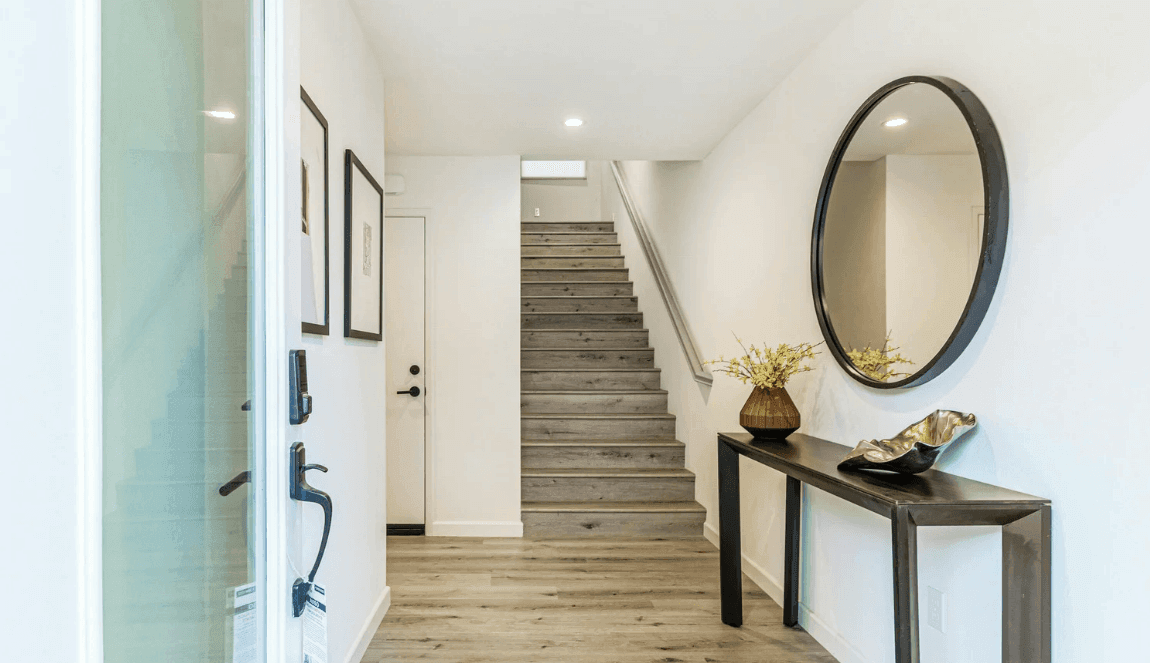
Most family clutter enters through one door. Bags, shoes, jackets, sports gear and mail all land on the nearest flat surface, and that surface is usually the kitchen counter. A dedicated drop zone near your most-used entry fixes this fast. It doesn’t need to be a full mudroom.

A wall of sturdy hooks at kid height, a bench with cubbies or baskets underneath, and a small tray or wall pocket for keys and mail can transform a busy entry. Give each family member their own hook and basket, and label them if that helps. Kids are far more likely to hang up a backpack when the hook is somewhere they can reach.

2. Store Things Where You Use Them

One of the simplest rules for a more functional home is to keep things close to where they’re used. Cleaning supplies belong near the mess they clean, craft supplies near the table where crafts happen, and towels near the bathroom rather than in a hall closet at the other end of the house.

Take a walk through your home and notice where you’re constantly carrying things back and forth. Often a single shelf, a rolling cart or a few drawer dividers in the right spot will save you dozens of trips a week.

When floor space is tight, look up and look underneath. Tall bookcases, wall-mounted shelves and hooks on the back of doors use space that would otherwise go to waste, while a storage ottoman, a bed with drawers underneath, or baskets tucked under the stairs can hide toys, blankets and spare linen. The best storage is easy enough for kids to use, so keep the things they reach for every day low and the occasional items up high.

3. Make the Kitchen Work for Everyone

The kitchen is the heart of most family homes, so small changes here pay off every day.

  • Give kids a low drawer or shelf with their own plates, cups and snacks so they can help themselves and help set the table.
  • Use pull-out drawers instead of deep cupboards where you can. It’s easier to see and reach what’s at the back, and nothing gets lost.
  • Set up a homework or project spot at one end of the island or kitchen table, with a caddy of pencils, scissors and paper that can be tidied away in seconds.
  • Plan a charging station so phones and tablets have a home that isn’t spread across every bench.

4. Choose Durable, Easy-Clean Finishes

Whenever you’re replacing something, choose finishes that can handle real family life. Washable paint in a satin or eggshell finish wipes clean far more easily than flat paint. Hard-wearing flooring in high-traffic zones, rounded edges on furniture and stain-resistant fabrics on the sofa will all save you stress.

This is also a good moment to think about safety: anti-tip straps for tall furniture, outlet covers for little ones, good lighting on stairs, and non-slip mats in wet areas are small, inexpensive steps that make a home calmer for everyone.

5. Build in Flexible Spaces

Families change quickly. The nursery becomes a playroom, the playroom becomes a teenager’s hangout, and the spare room becomes a home office. Rooms that can adapt will serve you for far longer than rooms designed for just one purpose. Simple ways to build in flexibility include:

  • Furniture on casters that can be moved easily.
  • A daybed or sleeper sofa that turns an office into a guest room.
  • Wall-mounted shelving that can be adjusted as needs change.
  • Sliding doors or curtains that can open a space up or close it off.

It’s also worth checking how people move through each room. Furniture that blocks the natural path from the door to the kitchen, or from the bedrooms to the bathroom, causes bumped shins and daily frustration, so aim to leave a clear walkway through the busiest rooms.

If one room does several jobs, such as a living area that doubles as a study corner, a rug, a shelf or the back of a sofa can mark out each zone without adding walls.

6. Give Everyone a Little Space of Their Own

Even in a smaller home, it helps when each person has one spot that feels like theirs. It might be a reading nook under the stairs, a desk in the corner of a bedroom, or a window seat with a basket of books. For parents, a small spot to sit with a coffee before the house wakes up can be just as valuable as an extra room.

7. Plan the Laundry Around Real Life

Laundry never stops in a family home, so make it as easy as possible. A folding surface, a hanging rail for clothes that can’t go in the dryer, and a sorting basket for each family member can cut the time spent on laundry noticeably. If your laundry space is cramped, a wall-mounted drying rack or a shelf above the machines can make a big difference.

8. Think Ahead When You Plan Bigger Changes

If you’re considering a renovation, an addition or even a new build, the most family-friendly decisions are often made on paper long before any work starts. From my years working as a builder, the families who end up happiest with their homes are usually the ones who thought hard about how they’ll live in the space in five or ten years, not just how they live today. A few questions worth asking early:

  • Where will the noise go? Placing bedrooms away from the main living area makes a big difference when kids have different bedtimes or teenagers have friends over.
  • Is there a bedroom and bathroom on the ground floor? This is useful for visiting grandparents, an injury, or simply ageing in place.
  • Is there enough storage? Built-in storage is much easier to plan from the start than to add later.
  • Can you see the yard from the kitchen? Being able to keep an eye on kids playing outside while you cook is something many parents value.
  • Could the home support more than one generation? More families are choosing to live closer to grandparents or adult children while still keeping some independence.

That last question is becoming more common. Some families add a separate suite or an accessory dwelling, while others go further and look at building a duplex for multigenerational living, with two homes side by side on one lot, each with its own entry and kitchen. It isn’t the right fit for everyone, and what’s allowed depends on local planning rules, but for some families it offers the best of both worlds: close enough to help each other, with enough privacy to keep the peace.

9. Bring the Outdoors Closer

A functional family home makes it easy to get outside. A covered patio or deck that connects directly to the kitchen or living area gets used far more than a yard you have to walk around the house to reach. Add some shade, a durable outdoor rug, a bin for outdoor toys and a hose or tap close by for quick clean-ups.

10. Edit Regularly to Keep Your Home Functional

Finally, the most functional homes aren’t the ones with the most storage. They’re the ones where the family regularly lets go of what they don’t use. A quick seasonal clear-out of toys, clothes and kitchen gadgets keeps every other idea on this list working.

Start Small: Ways to Make Your Home More Functional Over Time

You don’t have to tackle everything at once. Pick the one spot in your home that causes the most daily frustration, whether that’s the entry, the kitchen or the laundry, and start there. Small changes add up quickly, and when the time comes for bigger projects, you’ll already have a clear picture of what your family really needs from your home.

  • Page 1
  • Page 2
  • Page 3
  • Go to Next Page »

Primary Sidebar

Heather from Whipperberry
Hello... my name is Heather and I'm the creator of WhipperBerry a creative lifestyle blog packed full of great recipes and creative ideas for your home and family. I find I am happiest when I'm living a creative life and I love to share what I've been up to along the way... Come explore, my hope is that you'll leave inspired!

Footer

  • Privacy Policy
  • Crafts
  • Food
  • Gifts
  • Holidays
  • Home
  • Mom Life
  • Recipes
  • Travel

Copyright © 2026 · Seasoned Pro