• Skip to primary navigation
  • Skip to main content
  • Skip to primary sidebar
  • Skip to footer

Whipperberry

WhipperBerry • Your Home For Creative Inspiration

  • Home
  • Recipes
    • Starters
    • Easy Weeknight Dinners
    • Main Dish
    • Salads
    • Side Dish
    • Soups & Stews
    • Desserts
    • Breakfast
    • Miscellaneous
  • Tutorials
    • Creative Crafts
    • DIY Decor
    • Fabric Crafts
    • Food How-To
    • Jewlery
    • Paint Projects
    • Paper Art
    • Party Styling
    • Photography and Graphic Design
    • Silhouette
  • Holidays
    • Easter
    • Mother’s Day
    • Father’s Day
    • 4th of July
    • Halloween
    • Thanksgiving
    • Christmas
    • Valentine’s Day
  • Gift Ideas
    • Gifts For Everyone
    • Gifts for Dad
    • Mother’s day
    • For The Girls
    • For The Kids
    • Teacher Gift Ideas
    • Christmas
  • Printables
    • Holiday
    • Gift Idea
    • LDS Primary
  • Travel
  • About
    • Terms
  • Contact
  • Nav Social Menu

    • Facebook
    • Instagram
    • Pinterest
    • RSS
    • Twitter

coffee

Is Coffee Good for You?

0 · Dec 31, 2025 · Leave a Comment

Coffee is known for its energizing effects and flavorful aroma. However, a debate persists over its health implications, raising the question: Is coffee good for you? This is your guide to the scientific data surrounding coffee consumption, its potential impacts on your body, and how it can potentially boost your health.

A History of Coffee

Originating in the ancient lands of Ethiopia, coffee has come a long way from its humble beginnings. Legend has it that a shepherd named Kaldi discovered the energizing effects of coffee beans after observing how his goats became energetic upon consuming them.

From there, coffee’s popularity spread far and wide, eventually reaching the bustling coffeehouses of 17th-century Europe. There, it became the drink of choice for intellectuals and socialites alike.

Over the centuries, the methods of brewing and consuming coffee have evolved, with innovations like coffee machines and coffee concentrate entering the scene. These days, coffee enthusiasts can enjoy their favorite brew in various forms, from classic espressos to trendy cold brews to Javvy Coffee concentrate, all offering their own unique flavor profiles and caffeine kicks.

What Are the Potential Benefits of Drinking Coffee?

Coffee can be more than just a morning pick-me-up — it offers a range of potential health benefits that might surprise you. Here are just a few:

Enhanced Physical Performance

Coffee can boost your endurance and performance during physical activities, making it a popular choice among athletes.

Reduced Risk of Certain Diseases

Regular coffee consumption has been associated with a lower risk of conditions like type 2 diabetes, liver disease, and certain types of cancer.

Mood Booster

This aromatic beverage is known to enhance mood, increase feelings of happiness, and even reduce the risk of depression in some individuals.

Potential Protective Effects on the Brain

Research suggests that coffee may help protect against neurodegenerative diseases, such as Alzheimer’s and Parkinson’s, potentially due to its neuroprotective properties.

Metabolic Benefits

Coffee has been shown to increase metabolic rate and improve fat-burning processes, which can be beneficial for weight management and overall metabolic health.

Are There Drawbacks To Drinking Coffee?

While beloved by many, coffee also comes with its share of potential drawbacks. These are a few to consider.
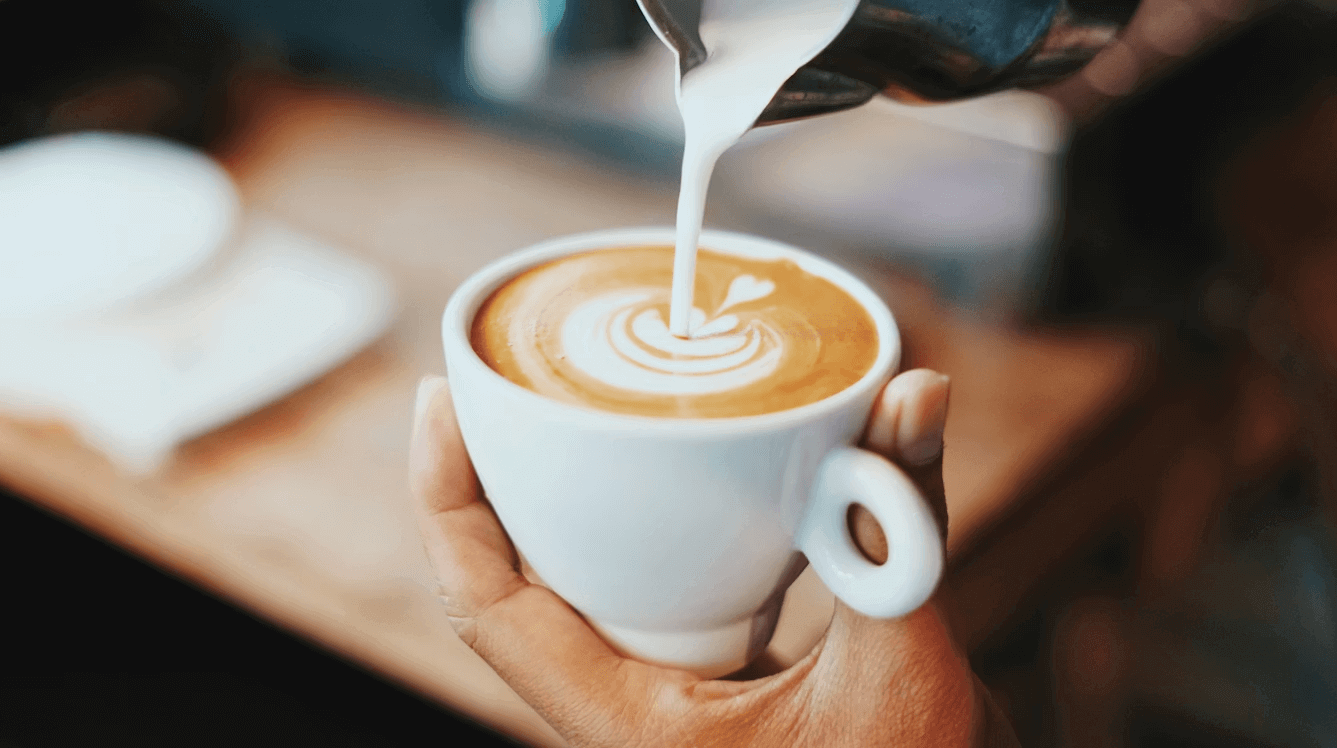
Person adding milk to coffee cup

Disrupted Sleep Patterns

Excessive coffee consumption, especially later in the day, can lead to difficulties falling asleep and disrupted quality of sleep.

Digestive Issues

Some individuals may experience digestive discomfort, such as acid reflux or stomach upset, due to the acidity of coffee.

Anxiety and Jitters

High caffeine intake can trigger anxiety, jitteriness, and increased heart rate in sensitive individuals.

Dependency and Withdrawal

Regular coffee drinkers may develop a dependency on caffeine, leading to withdrawal symptoms like headaches and fatigue if consumption is abruptly reduced.

Hydration Concerns

Despite popular belief, coffee does have a mild diuretic effect, potentially contributing to dehydration if consumed in excess without adequate water intake.

Coffee’s Effect on the Body

When you take that first invigorating sip of coffee, a series of chemical reactions set off in your body. Caffeine, the primary stimulant in coffee, blocks the neurotransmitter adenosine, which promotes wakefulness and alertness. This results in increased neuronal firing and the release of adrenaline, leading to that familiar burst of energy.

A steaming cup of coffee on a table

Moreover, coffee can also help kickstart your metabolism, enabling you to burn calories at a faster rate. Contrary to popular belief, moderate coffee consumption does not significantly impact hydration levels and, in fact, might have minimal diuretic effects in regular coffee drinkers. Additionally, concerns about coffee weakening bones have been largely debunked.

Tips for Healthy Coffee Consumption

While savoring your favorite brew, it’s essential to ensure that your coffee-drinking habits align with your overall wellness goals. These are some practical tips to elevate your coffee experience without compromising your health.

Look for Quality

Choose high-quality, organic coffee beans to minimize exposure to pesticides and additives.

Moderation Is Key

Enjoy coffee in moderation, typically 400 milligrams, to minimize negative side effects such as jitteriness and disrupted sleep.

Mind the Additions

Sweeteners and creamers can add unnecessary calories and sugar. Try healthier alternatives, such as almond milk or cinnamon, for added flavor.

Stay Hydrated

Balance your coffee intake with plenty of water to remain properly hydrated throughout the day.

Time It Right

Avoid consuming coffee late in the day to prevent interference with your natural sleep cycle.

Coffee, Health, and Happiness

The debate over whether coffee is good or bad for you often boils down to one thing: moderation. While coffee offers numerous potential health benefits, overindulgence can lead to negative effects on sleep, digestion, and overall well-being. By understanding coffee’s impact on the body and mind, you can make informed choices and take a balanced approach.

The next time you savor that steaming cup of coffee, remember to appreciate the rich aroma and bold flavor alongside the centuries-old tradition and global camaraderie that coffee brings. Whether you’re a dedicated espresso aficionado or a casual latte sipper, let coffee continue to be a source of comfort, connection, and maybe even a hint of well-being in your daily routine.

Brew Better Mornings: Is It Time to Roast Your Own Coffee?

0 · Jul 17, 2025 · Leave a Comment

Mornings in our house usually start with the hum of the coffee maker and the smell of something warm and familiar brewing in the kitchen. Whether you’re lighting a candle, sneaking a few quiet moments before the kids wake up, or just savoring that first magical sip, we all have our little morning rituals.

For me, coffee is non-negotiable—it’s a comforting pause before the day gets going. But recently, I started wondering if that morning cup could be even more special. Could it be something I made, start to finish, with my own hands?

If you’ve ever been curious about home coffee roasting, you’re definitely not alone. More and more coffee lovers are turning this everyday habit into a hands-on craft, and it’s easier than you might think. With trusted resources like Coffee Equipment Pros, even first-timers can explore roasting with confidence and ease. Let’s explore what roasting your own beans at home looks like and why it might just become your new favorite part of the day.

The Case for Roasting at Home

1. Freshness You Can Taste

Pre-roasted beans start losing their flavor just days after roasting, even in a sealed bag. By the time you get to them, they’re often past their peak. When you roast at home, you’re in total control. You can roast a small batch today and brew it tomorrow, keeping the flavor notes sharp, complex, and deeply aromatic.

That “wow” moment when you sip your first truly fresh cup? Worth it.

coffee beans

Photo by Juan Pablo Serrano from Pexels

2. Full Flavor, Your Way

Ever sip a cup of coffee and think, “It’s good, but I wish it had more brightness,” or “This is too smoky for me”? Home roasting lets you experiment with different beans, roast levels, and profiles until you find your perfect balance. Light and fruity? Dark and chocolaty? It’s your call.

Roasting gives you agency—something store-bought blends can’t offer. And once you dial in your ideal roast, your daily coffee becomes something uniquely yours.

3. It’s Surprisingly Easy to Start

Roasting might sound like an advanced hobby, but beginner-friendly equipment makes it accessible. Air roasters, for example, are compact and intuitive—great for small kitchens and curious beginners. Drum roasters offer more control, and some even come with app integration for extra geek points.

Most home roasting setups don’t require complicated gear or a steep learning curve. If you can toast nuts or bake cookies, you can roast coffee.

Morning Rituals, Upgraded

A Sensory Experience

There’s something almost meditative about roasting. The scent of green beans transforming into something warm and complex. The crackling sound of the beans during their “first crack.” The color change from pale green to rich caramel brown. It’s a feast for the senses—and a way to slow down, even if just for 10 minutes.

For anyone who enjoys the tactile joys of cooking, gardening, or sourdough baking, home roasting offers that same sense of craft and calm.

Roasting = Wellness?

Okay, coffee won’t solve all your problems—but intentional habits can make mornings feel better. Adding a sensory, hands-on step to your coffee routine can help you reconnect with your space and your body before the scroll-and-scroll of daily life begins.

Roasting isn’t just about flavor. It’s about grounding yourself in something simple and rewarding.

What You’ll Need to Get Started

The Beans

You’ll be starting with green coffee beans, which are raw and unroasted. You can buy them in small sample packs or bulk quantities. There are dozens of origins and varietals to explore—Ethiopian, Colombian, Guatemalan, Sumatra, and beyond.

Each origin brings a different personality to your brew. Think of it like wine—but with more caffeine and fewer hangovers.

The Roaster

There are a few types of home roasters to choose from:

  • Air roasters: These circulate hot air around the beans, kind of like a popcorn popper. They’re fast, clean, and perfect for beginners.
  • Drum roasters: These rotate the beans in a heated chamber. They take a bit longer but allow more control over the roast.
  • Manual methods: For the adventurous, you can even roast in a cast iron skillet or oven, though this requires extra attention and smell tolerance.

Most home roasters are about the size of a small countertop appliance and don’t take up much space.

Ventilation

Roasting does produce smoke, especially if you like your beans dark. A vented kitchen fan, an open window, or even roasting on a patio can help. Some people prefer roasting in the garage or near an open door to keep things fresh.

A Cooling Tray

Once your roast is done, the beans need to cool quickly to stop the cooking process. Some roasters come with built-in cooling, but a colander and fan will do in a pinch.

What to Expect Your First Time

It Won’t Be Perfect (And That’s Fine)

Your first roast might come out too light or too dark. You might forget to set a timer or misjudge the “crack” sounds. That’s all part of the learning curve—and the charm. The good news? Coffee is forgiving, and every batch teaches you something new.

You’ll Start Noticing Things

Once you roast your own beans, you’ll become more attuned to differences in origin, roast levels, and even grind size. Suddenly, your palate sharpens, and you start describing coffee like a pro: “jammy,” “toffee,” “floral,” “earthy.”

And it’s not snobbery—it’s curiosity.

Photo by Thirdman from Pexels

FAQs (For the Cautiously Curious)

Is it expensive?

Not really. Green beans cost less per pound than roasted beans, and a solid entry-level roaster pays for itself in a few months. Over time, you’ll spend less and drink better.

Is it time-consuming?

A small batch roast usually takes 8–12 minutes. Add a few more to let it cool, and that’s it. You don’t have to roast every day—just once or twice a week, depending on how much you drink.

Does it make a mess?

A bit, yes. Beans shed a papery skin called chaff during roasting, but it’s easy to sweep or vacuum up. Some roasters come with chaff collectors, which help keep things tidy.

Will it ruin my kitchen?

Nope! As long as you’ve got decent airflow and don’t walk away mid-roast, it’s safe. Just don’t try it under a smoke detector with no ventilation, or your first batch might come with an unexpected fire drill.

Tips for a Smooth Start

  • Start small. Roast 50–100g of beans per batch until you get comfortable.
  • Keep a roast log. Write down time, temperature, and how the roast tasted. It helps you improve fast.
  • Smell and listen. Your senses are your best guide. Watch for color changes and listen for the “crack.”
  • Rest your beans. Let roasted beans sit for 12–24 hours before brewing to allow CO₂ to release and flavors to stabilize.

When Coffee Becomes a Conversation Starter

One fun side effect of home roasting? It becomes part of your story. Friends will ask what you’re brewing. You’ll start giving away little jars of beans as thoughtful, handmade gifts. Coffee stops being something you just drink and becomes something you share.

Even if you’re not planning to become the next small-batch roasting entrepreneur, this hobby fits beautifully into a mindful, home-centered lifestyle. Like baking your own bread or growing herbs on the windowsill—it feels good because it’s yours.

A Final Pour

So, is home coffee roasting worth it? If you’re like me and love adding little moments of intention into your routine, things that slow life down just a bit, then absolutely.

Roasting your own beans turns an everyday cup of coffee into something meaningful. It’s a way to ground yourself before the busyness begins. And who knows? You might even find yourself sharing little jars of your custom roast with friends or turning your kitchen into a cozy conversation starter.

You don’t need to be a coffee expert or have a fancy setup to get started. Just a bit of curiosity and a love for cozy, hands-on rituals. Give it a try—your next great morning might begin not just with a brew, but with your very own roast.

Decoding Coffee Pod Labels: What You Need to Know Before Your Next Brew

0 · Jun 15, 2025 · Leave a Comment

If you’re anything like me, your morning routine starts with a cozy cup of coffee, preferably without a chemistry degree to decode what’s written on the packaging. As a creative mum who loves design and simple living, I’ve found that understanding coffee pod labels can be just as satisfying as sipping that first warm mug. Whether you’re prepping for a family road trip or settling into your kitchen nook with your favorite ceramic mug, choosing the right coffee pod can make your day just a little brighter.

With the coffee pod and capsule market reaching a whopping $15 billion in 2024, there’s a lot to sift through when shopping online. When shopping for coffee pods online, what techniques should you apply to fully understand detailed information? So, here’s everything you need to know about decoding coffee pod labels – from understanding roast levels to spotting the right eco-friendly symbols, for a perfectly personalized brew, every time.

Understanding Coffee Pod Terminology

Have you ever felt confused when looking at coffee pod packaging like you needed a dictionary to understand it? You’re not alone. Coffee pod packaging frequently employs specialized industry terminology which leaves many consumers confused.

You need to understand these terms to locate your ideal cup of coffee.

Let’s break down the most important ones:

Single-Origin vs. Blends

Single-origin coffee pods provide beans that are collected from a specific region which could be a country or even a particular farm. The unique flavor characteristics of single-origin coffees reflect the specific qualities of their particular growing region.

Blends combine beans from multiple locations to create a balanced and consistent flavor profile. Coffee roasters create signature blends to obtain unique taste properties that single-origin beans cannot deliver.

Why this matters: Single-origin coffee pods cost more but offer unique flavors while blended coffee pods ensure uniform taste profiles through balanced flavor combinations.

coffee pod labels

Arabica vs. Robusta

The pod packaging will show Arabica and Robusta as the main varieties of coffee beans.

Arabica beans account for 60% of global coffee production and receive widespread recognition for their superior quality in comparison to other coffee beans. The high-altitude growth environment of Arabica coffee beans results in reduced caffeine content which allows them to develop complex flavor profiles with notes of fruits and sweetness as well as nutty and chocolatey flavors.

Robusta beans contain twice the caffeine level found in Arabica beans and produce a sharper bitter flavor. Coffee products for espresso utilize these beans to improve body and crema while manufacturers of instant coffee products use them as well.

Note: Premium coffee pods contain 100% Arabica beans which packaging usually displays prominently. Robusta beans are probably included when a coffee product does not specify its bean type.

Decoding Roast Levels

The roast level of your coffee significantly influences its taste and understanding various roast types allows you to find your perfect coffee choice. Coffee pod labels list roast levels but consumers often question how these labels describe differences in taste.

Light Roast

  • Retains more of the bean’s original flavors
  • Higher acidity and brightness
  • More complex, nuanced flavor profiles
  • Contains slightly more caffeine than darker roasts
  • Light roast coffee attracts drinkers who enjoy fruit-derived, floral and tea-based taste notes.

Medium Roast

  • Balanced acidity and body
  • More developed sweetness
  • Notes of nuts, chocolate, and caramel
  • Smoother, less acidic taste than light roasts
  • America’s favorite coffee choice is medium roast because people find its cup experience simple to enjoy.

Dark Roast

  • Bold, strong flavors
  • Low acidity
  • Rich, deep body
  • The flavor of dark chocolate combines with smoky notes and toasted nut flavors.
  • People who desire intense coffee flavors will appreciate this roast because it delivers powerful traditional notes.

Coffee Pod Certification Symbols

The symbols on coffee packaging provide important information about the cultivation and trade practices of your coffee as well as its manufacturing process.

Fair Trade Certified

Fair Trade Certified coffee guarantees farmers receive fair compensation for their harvest. Certification allowed farmers to receive the Fair Trade minimum price and created safe working conditions for workers while maintaining proper environmental standards.

USDA Organic

Coffee production used sustainable farming techniques which avoided GMOs and stayed free from synthetic fertilizers and pesticides.

Rainforest Alliance

The program works to safeguard forests and wildlife while promoting social responsibility through equitable worker treatment and climate-smart agricultural practices.

Bird Friendly

Coffee production earned this certification because it adhered to guidelines from the Smithsonian Migratory Bird Center that enable coffee growth under tree canopy formations which provide bird habitats and protect forest ecosystems.

Flavor Profiles and Compatibility

Coffee pod labels provide flavor notes and profiles that let you predict the taste experience after brewing. Coffee pod labels provide genuine usefulness instead of acting as mere marketing tricks.

decoding cofee pod labels

Common Flavor Categories

Distinct categories encompass most coffee flavor profiles.

  • Fruity: Berries, citrus, stone fruit, tropical fruits
  • Floral: Jasmine, lavender, rose
  • Sweet: Caramel, honey, maple, brown sugar
  • Nutty: Almond, hazelnut, peanut
  • Chocolatey: Milk chocolate, dark chocolate, cocoa
  • Spicy: Cinnamon, clove, cardamom
  • Earthy: Woody, mushroom, soil, tobacco

Compatibility matters! Coffee pod systems employ proprietary designs that stop them from operating with universal pod types.

  • In the United States coffee market, Keurig K-Cups maintain their position as the most popular choice.
  • The Nespresso Original and Vertuo product lines represent separate systems that cannot operate with each other.
  • Senseo/Tassimo: Popular in Europe

Make sure the coffee pods you select will function with your coffee machine before buying them. Although manufacturers print compatibility details on product packaging consumers need to confirm these details through online product descriptions at the time of purchase.

Incorrect pods can result in poor coffee quality and may fail to function entirely.

Sustainable Coffee Pod Options

Environmental activists have extensively examined the damage single-use coffee pods inflict on nature. Numerous manufacturers now produce eco-friendly coffee pod replacements for traditional models.

Compostable Pods

Plant-based materials make up these pods which break down during industrial composting processing. Ensure that coffee pods have the Biodegradable Products Institute (BPI) certification and verify they come with straightforward disposal instructions.

Recyclable Pods

Some pods can be recycled after use. To properly recycle coffee pods:

  • You can place used coffee grounds from pods into compost piles.
  • Rinse the pod if required
  • Remove any foil tops or paper filters
  • Check local recycling guidelines

Reusable Pods

The best sustainable choice requires you to fill reusable pods with coffee grounds and wash them repeatedly for continuous use. These products require more effort to use yet provide exceptional flexibility and minimize environmental damage.

Wrapping It Up

If you’re anything like me, your morning routine starts with a cozy cup of coffee—preferably without a chemistry degree to decode what’s written on the packaging. As a creative mum who loves design and simple living, I’ve found that understanding coffee pod labels can be just as satisfying as sipping that first warm mug. Whether you’re prepping for a family road trip or settling into your kitchen nook with your favorite ceramic mug, choosing the right coffee pod can make your day just a little brighter.

With the coffee pod and capsule market reaching a whopping $15 billion in 2024, there’s a lot to sift through when shopping online. So, let’s dive into everything you need to know about decoding coffee pod labels—from understanding roast levels to spotting the right eco-friendly symbols—for a perfectly personalized brew, every time.

Frequently Asked Questions

What do coffee pod roast levels mean?

The roast level information displayed on coffee pods indicates the time and heat used to roast coffee beans. Light roasts preserve the natural flavors and acidity of coffee beans whereas medium roasts create a harmonious taste profile while dark roasts produce intense flavors but with reduced acidity.

Are coffee pods recyclable?

Coffee pods feature recyclable alternatives but each pod’s specific material composition determines proper recycling methods. You can recycle aluminum pods as part of general aluminum recycling yet plastic pods require their parts to be separated for proper recycling. Many manufacturers offer specific recycling programs.

What’s the difference between single-origin and blend coffee pods?

Coffee pods containing single-origin beans come exclusively from one particular geographic area which gives them unique regional flavor characteristics. Blend coffee pods achieve harmonious flavors by combining beans from various regions resulting in predictable taste experiences that conform to established flavor standards.

Primary Sidebar

Heather from Whipperberry
Hello... my name is Heather and I'm the creator of WhipperBerry a creative lifestyle blog packed full of great recipes and creative ideas for your home and family. I find I am happiest when I'm living a creative life and I love to share what I've been up to along the way... Come explore, my hope is that you'll leave inspired!

Footer

  • Privacy Policy
  • Crafts
  • Food
  • Gifts
  • Holidays
  • Home
  • Mom Life
  • Recipes
  • Travel

Copyright © 2026 · Seasoned Pro