Children are often encouraged to discover what they are good at. A child who draws well may be praised as an artist, while one who runs quickly might be called a natural athlete. Positive recognition can help build confidence, but it can also create an expectation that children should succeed quickly at anything they try. When an activity feels difficult, they may become reluctant to continue because they are afraid of making mistakes or appearing less capable.
Yet some of the most valuable experiences in childhood come from activities that do not feel easy at first. Learning to play an instrument, joining a sports team, trying pottery, or attempting a new outdoor activity can involve awkward first attempts and plenty of frustration. These experiences teach children that progress takes time and that being a beginner is not something to be embarrassed about.
Giving children opportunities to explore hobbies they are not immediately good at can help them develop patience, resilience, curiosity, and a healthier relationship with learning.
When Being Good at Something Becomes an Expectation
Children notice how adults respond to their achievements. When praise is consistently connected to being talented, winning, or completing something perfectly, they may begin to believe that their value depends on performing well.
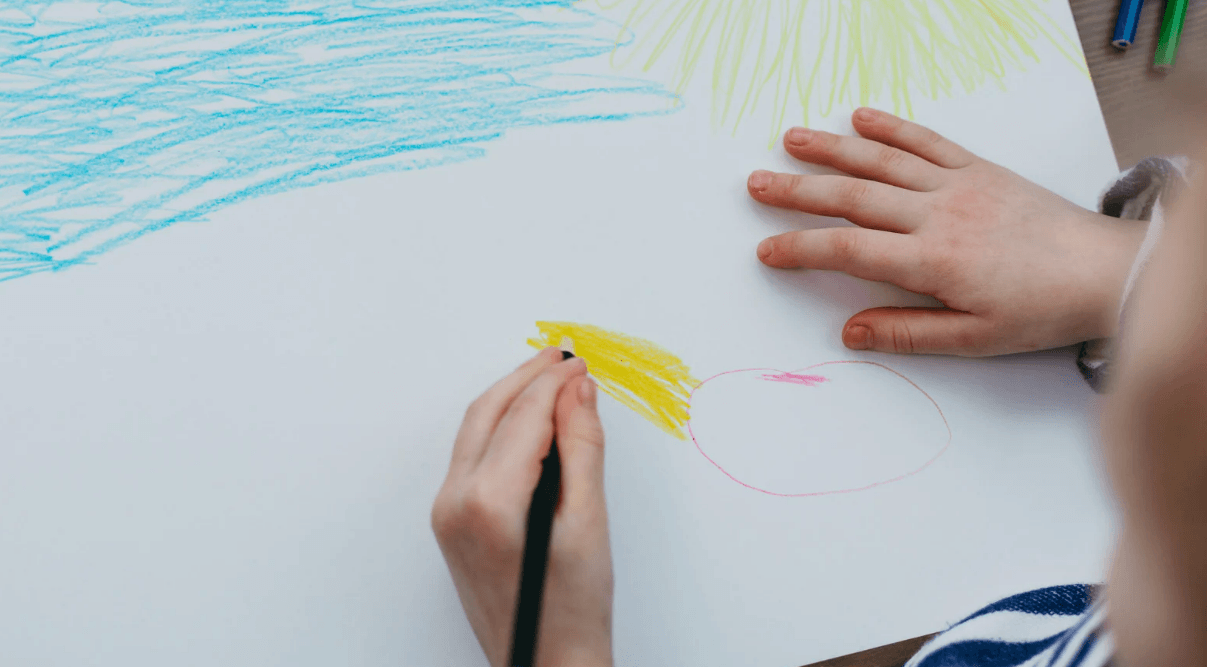
This can contribute to perfectionist thinking. A child might avoid drawing because their picture does not look like the example, become upset when they miss a goal during practice, or refuse to participate in a game if they think they might lose. Even ordinary mistakes can feel like evidence that they are not good enough.
The problem is not that children enjoy succeeding. Achievement can be motivating and rewarding. The difficulty begins when success becomes the only reason to participate.
Hobbies should offer room for experimentation. A child who tries something unfamiliar needs to know that they are allowed to make mistakes, ask questions, and improve gradually. They should not feel that every new experience has to become another opportunity to prove themselves.
Why the Beginner Stage Matters
The early stages of learning can be uncomfortable. Children may struggle to follow instructions, coordinate their movements, remember techniques, or understand unfamiliar rules. They might watch other children perform with ease and wonder why they cannot do the same.
However, this stage is where important learning takes place.
A beginner has to pay attention, experiment with different approaches, and recognize what needs to change. When a child attempts to ride a bicycle, for example, balancing may initially feel impossible. With practice, they begin to understand how small adjustments affect their movement. The same process happens when learning to swim, play chess, cook a simple meal, or perform a dance routine.
These experiences help children become more comfortable with uncertainty. Instead of expecting immediate results, they learn to approach a challenge one step at a time.
They also discover that ability is not always fixed. Something that feels difficult today may become manageable after several attempts. That understanding can influence how they approach challenges in school, relationships, and other parts of life.
Frustration Is Part of Learning, Not a Reason to Quit
One of the most important lessons children can learn through hobbies is how to handle frustration.
A child might spend an afternoon trying to build a model that keeps falling apart. Another might struggle to play a short melody without missing notes. These moments can lead to disappointment, impatience, or the familiar declaration, “I’m not good at this.”
Parents do not need to eliminate every difficult feeling. Instead, they can help children understand what is happening and find a manageable way forward.
For example, rather than immediately fixing a problem, a parent might ask, “Which part is giving you the most trouble?” or “Would you like to try it a different way?” Such questions encourage children to think about the challenge rather than judge their overall ability.
It can also help to break a difficult task into smaller steps. A child learning to skate might focus on balancing first instead of attempting a complicated movement. Someone learning an instrument could practise a few notes before attempting an entire song.
Small improvements make progress easier to recognize. They also show children that frustration does not necessarily mean they should stop. Sometimes it simply means they have reached a part of the learning process that requires more time.
Choosing Hobbies Without Turning Them Into Another Competition
Children benefit from having opportunities to explore different interests. However, the search for a hobby can become stressful if every activity is treated as a decision about their future talents.
Parents can make the process more relaxed by introducing a variety of experiences. Creative activities, team sports, individual physical pursuits, music, gardening, cooking, and hands-on projects all provide different ways to learn and express curiosity.
The goal is not to find the activity at which a child performs best. It is to give them enough opportunities to discover what they enjoy, what challenges them, and what they might like to explore further. For parents who are finding an activity that fits their interests, it can be useful to consider a child’s curiosity, personality, comfort level, and willingness to try something new rather than focusing only on natural ability.
A child who is quiet may enjoy a hobby on their own, or with a small group, while another who likes working with others might prefer a team activity. Some children enjoy structured lessons, whereas others respond better to open-ended creative projects. There is no single formula that works for everyone.
It is also worth remembering that interests can change. A child might enjoy swimming for a year and then become interested in photography or music. Exploring something different does not mean the earlier experience was wasted.
How Parents Can Encourage Effort Without Adding Pressure
Parents play an important role in shaping how children think about learning. Their reactions to mistakes, slow progress, and unfinished projects can influence whether children feel safe experimenting.
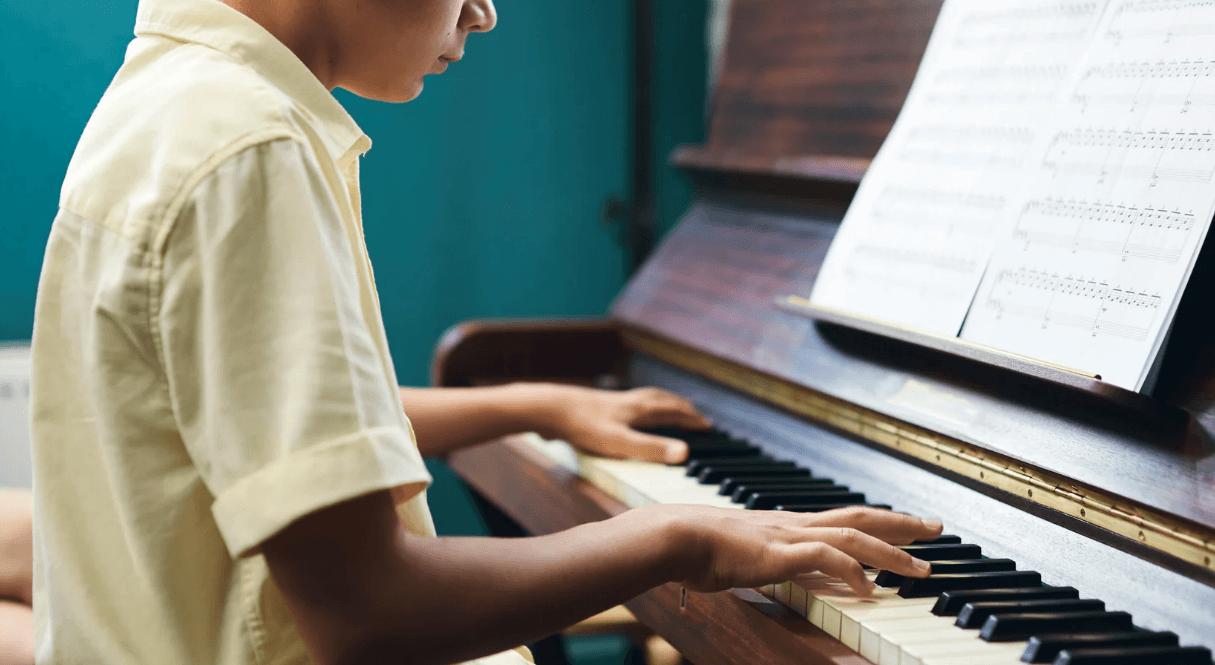
A helpful starting point is to praise effort, curiosity, and persistence rather than focusing exclusively on results. Instead of saying, “You’re naturally talented at this,” parents can say, “You kept practising even when that part was difficult.” This recognizes something the child can influence through their own choices.
It is equally important to avoid comparing siblings, classmates, or friends. Children develop at different rates, and comparisons can make an enjoyable activity feel like a competition they never agreed to enter.
Parents can also model being beginners themselves. Trying a new recipe, learning a few words in another language, joining a recreational sports class, or attempting a practical project gives children an example of an adult learning through trial and error. It sends a simple message: people of every age have things they do not know how to do yet.
Another useful approach is to let children have some control over their learning experience. They might choose which instrument to practise, decide what to make during an art session, or select a small goal for their next lesson. Having a say in the process can make participation feel more meaningful.
Knowing When to Encourage Persistence and When to Let Go
Encouraging children to work through difficulties does not mean insisting that they continue every activity indefinitely. There is a difference between ordinary frustration and genuine disinterest.
A child who feels disappointed after a difficult lesson may still enjoy the activity and want another opportunity to improve. Another child may consistently feel uncomfortable, bored, or disconnected from the experience.
Parents can make space for an honest conversation. Ask what the child enjoys, what they find difficult, and whether they would like to continue. Sometimes a short break, a different instructor, a less demanding class, or a change in approach can make a difference.
If a child decides that an activity is no longer right for them, that decision can also be part of learning. The purpose of trying new hobbies is not to make children persist at everything. It is to help them understand their interests, develop useful skills, and become more confident about making choices.
A balanced approach allows children to experience both commitment and flexibility. They learn that challenges are worth working through, but they are also allowed to recognize when something does not suit them.
Making Room for Progress That Cannot Be Measured
Not every valuable outcome from a hobby is visible. A child may never become an accomplished musician, competitive swimmer, or skilled painter. That does not mean the experience has little value.
Perhaps they become more comfortable asking for help. Maybe they learn to concentrate for longer, cooperate with others, or accept feedback without becoming discouraged. They might discover that they enjoy practising independently or that they feel proud after completing something that once seemed difficult.
These small changes can matter far beyond the activity itself.
Parents can reinforce this by talking about what children enjoyed or discovered rather than immediately asking whether they won, performed well, or improved their score. Questions such as “What was the most interesting part?” and “What would you like to try next time?” help shift attention toward the experience.
It is also helpful to allow hobbies to remain hobbies. Not every interest needs to become a serious commitment, a competition, or a route toward future achievement. Sometimes the best part of an activity is simply having something enjoyable to look forward to.
Let Children Discover What They Can Become
Being a beginner gives children permission to explore without already knowing the outcome. They can make mistakes, change direction, ask for help, and discover abilities they might never have encountered if they only chose activities that came naturally.
Parents can support this process by offering opportunities, showing patience, and resisting the urge to turn every experience into a performance measure. The aim is not to raise children who are immediately good at everything they attempt. It is to help them become comfortable learning, even when progress is slow.
A child who learns to enjoy the process of being a beginner gains something more lasting than a particular skill. They begin to understand that uncertainty is manageable, mistakes are part of improvement, and trying something unfamiliar can be worthwhile in its own right.
0
Leave a Reply