• Skip to primary navigation
  • Skip to main content
  • Skip to primary sidebar
  • Skip to footer

Whipperberry

WhipperBerry • Your Home For Creative Inspiration

  • Home
  • Recipes
    • Starters
    • Easy Weeknight Dinners
    • Main Dish
    • Salads
    • Side Dish
    • Soups & Stews
    • Desserts
    • Breakfast
    • Miscellaneous
  • Tutorials
    • Creative Crafts
    • DIY Decor
    • Fabric Crafts
    • Food How-To
    • Jewlery
    • Paint Projects
    • Paper Art
    • Party Styling
    • Photography and Graphic Design
    • Silhouette
  • Holidays
    • Easter
    • Mother’s Day
    • Father’s Day
    • 4th of July
    • Halloween
    • Thanksgiving
    • Christmas
    • Valentine’s Day
  • Gift Ideas
    • Gifts For Everyone
    • Gifts for Dad
    • Mother’s day
    • For The Girls
    • For The Kids
    • Teacher Gift Ideas
    • Christmas
  • Printables
    • Holiday
    • Gift Idea
    • LDS Primary
  • Travel
  • About
    • Terms
  • Contact
  • Nav Social Menu

    • Facebook
    • Instagram
    • Pinterest
    • RSS
    • Twitter

Crafts

How to Tell If a School Truly Supports Your Child’s Growth

0 · Feb 25, 2026 · Leave a Comment

As moms, we spend so much time thinking about our kids’ futures. We want them to feel brave when they try something new. We want them to feel safe asking questions. Most of all, we want them to grow into confident, kind, capable people.

Choosing the right school plays a big part in that. It is not only about grades or test scores. It is about how our kids feel when they walk through those doors each morning. Do they feel encouraged? Do they feel seen? Do they feel excited to learn?

If you are trying to figure out whether a school truly supports your child’s growth, here are a few simple things I always look for as a mom.

mom preparing child for school

Look for Signs of Real Emotional Support

When a school genuinely supports children’s growth, the environment feels different. Kids are encouraged to express themselves, teachers genuinely listen, and the overall vibe is warm instead of rigid. According to reporting from the New York Post, many parents today worry that their children aren’t reaching their full potential. A big part of that concern comes from schools that focus so heavily on performance that kids feel pressure rather than support.

So what does emotional support actually look like?

A school that supports confidence

Confidence doesn’t come from getting everything right. It comes from knowing it’s okay to fail and try again.

Teachers who celebrate effort

Kids are more likely to enjoy learning when their effort is recognized, not just their results.

A community that feels welcoming

Children should feel like they belong the moment they walk through the door.

These are the little clues that tell you whether a school nurtures your child as a whole person, not just as a student.

Academics Balanced With Room to Explore

children in school

Strong academics matter, but so does having the freedom to explore art, sports, technology, and hands-on activities. Kids grow when they’re allowed to discover what lights them up.

You want a school that understands this balance. That means academics are prioritized, but so are curiosity, creativity, and fun. In a study covered by News24, experts emphasized that children thrive most when learning environments encourage experimentation and a growth mindset, not just memorization.

Here are a few quick signs that a school values exploration:

  • Kids get chances to try new interests, not just stick to core classes
  • Learning includes projects and hands-on activities
  • Students feel excited to talk about what they did at school

Some parents find reassurance when they see schools offering structured academics but with room for creativity. It’s one of the reasons families pay close attention to local options. For instance, the best charter school in Chandler provides Arizona’s parents with a thoughtful mix of academic rigor and opportunities for enrichment, giving kids space to discover what they love. Looking for a similarly supporting and robustly run institution in your area will serve you and your little ones well.

Does the School Encourage Independence and Life Skills?

Life skills are often overlooked, but they’re essential. Kids should learn how to solve problems, manage time, work with others, and handle everyday challenges. These are the things that help them become capable and confident adults.

Look at how students interact

Are they encouraged to collaborate? Do they help one another?

Pay attention to leadership moments

Even the smallest kids can take on roles that make them feel proud and responsible.

If a school makes room for independence, you’ll notice kids taking initiative instead of waiting for instructions at every step.

How the School Talks to Parents Matters

You can learn a lot from how a school communicates. Schools that truly support children’s growth tend to communicate with parents openly and often. They don’t just reach out when there’s a problem. They check in, they share progress, and they welcome questions.

When communication is strong, parents feel like partners instead of outsiders looking in. This level of transparency makes it easier to understand whether your child is thriving in ways that go beyond the report card. And if you’re already committed to your own personal growth journey, you want to see similar attention paid to your kids.

Watch How Your Child Feels

One of the simplest and most powerful indicators is your child’s daily mood. If they come home smiling and excited to share stories, something is working. Growth shows up in the small moments, not just the big achievements.

You might ask yourself:

  • Does my child seem more confident?
  • Do they talk about their day with energy?
  • Do they feel comfortable around teachers and classmates?

When the answer is yes, it’s a sign the school is nourishing their emotional and intellectual growth.

Final Thoughts on School Support Scrutiny

Final Thoughts on Choosing the Right School

Choosing a school is about more than academics. It is about finding a place where your child feels supported, challenged, and cared for as a whole person.

When emotional growth and learning work together, kids do more than succeed in class. They build confidence. They learn resilience. They begin to trust their own abilities.

As parents, we know our children best. Trust your instincts and pay attention to how your child feels each day. When you see them growing in confidence and coming home with stories they are excited to share, that is a beautiful sign you are on the right path.

If you are walking through this season of decision making, you are not alone. We are all learning and growing right alongside our kids.

Most Profitable DIY Hobbies You Can Turn Into a Business in 2026

0 · Feb 14, 2026 · Leave a Comment

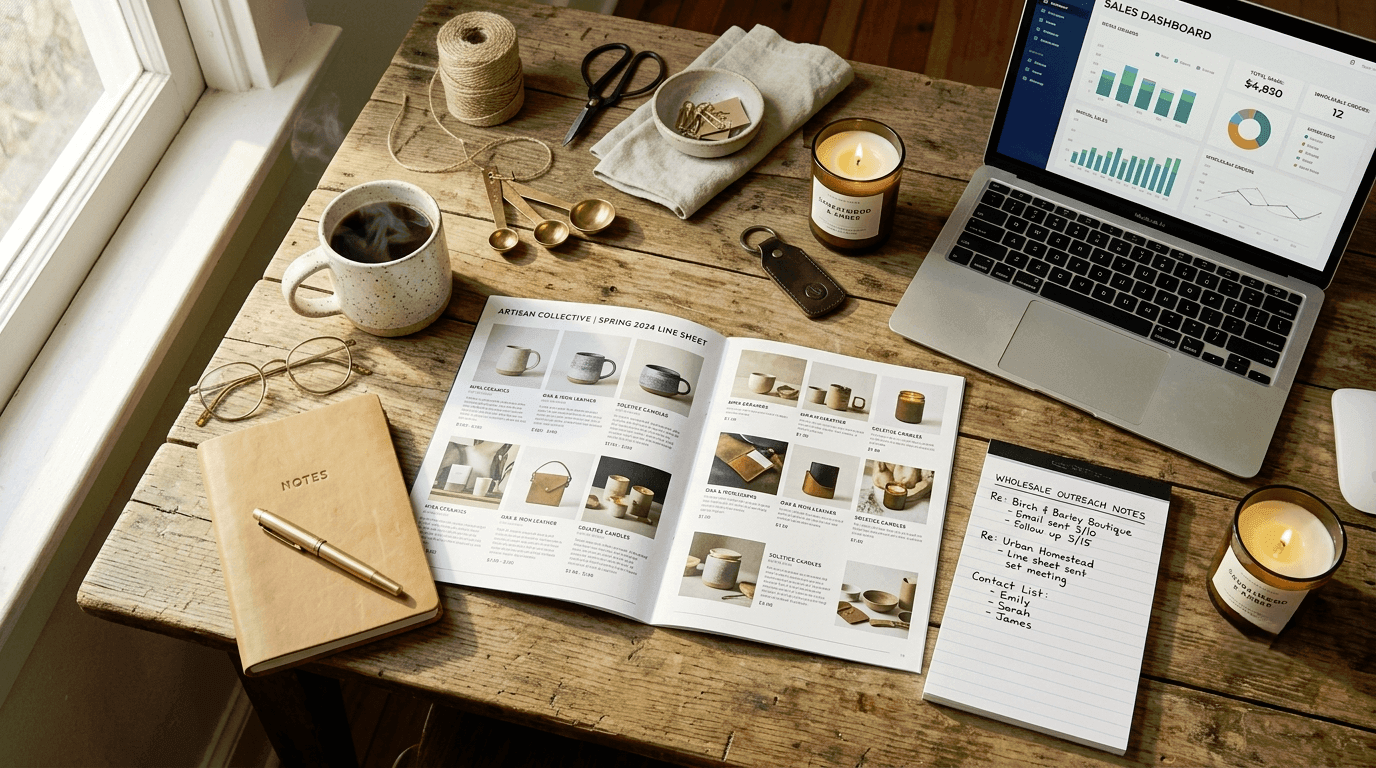
I have always believed that hobbies are more than weekend distractions. In 2026, that feels truer than ever. The right creative skill can grow into a focused, high-margin business because buyers are actively looking for authenticity, specialization, and real craftsmanship.

As technology automates routine tasks and online platforms make it easier to connect directly with customers, makers have more opportunity than ever before. The advantage no longer comes from doing more. It comes from doing something specific, doing it well, and presenting it as a premium handmade offer.

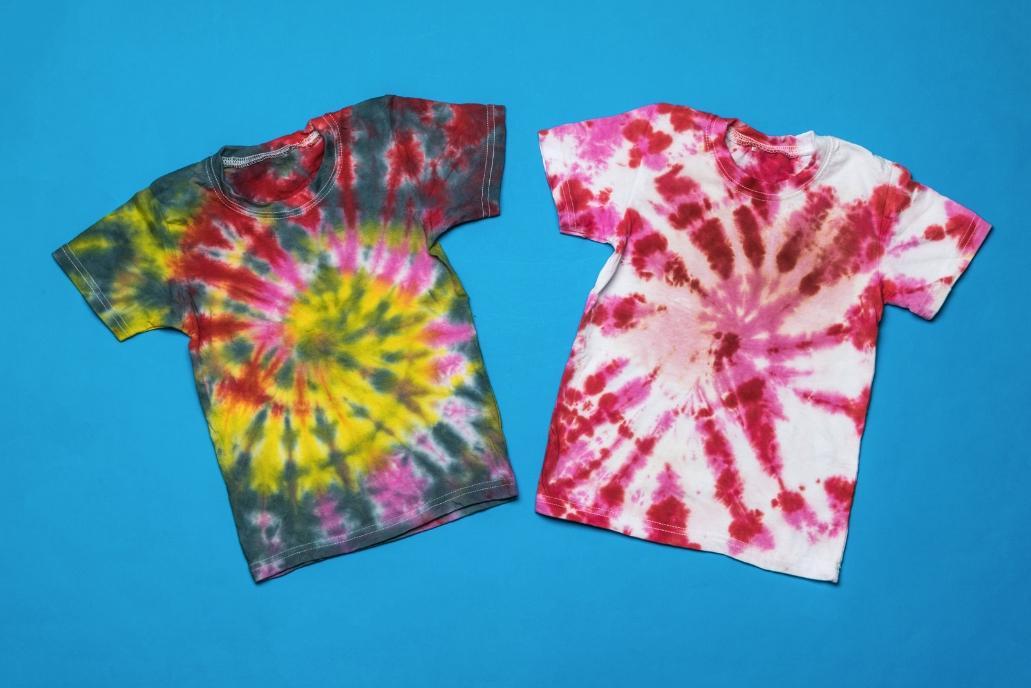
If you love working with wood, paint, clay, fabric, or found treasures from a thrift store, you are already building valuable skills. People want meaningful pieces made by real hands. That demand creates space for thoughtful DIYers to turn creativity into income without losing the heart behind their work.

Let’s look at a few hobbies that fit beautifully into the DIY world and have strong potential to become profitable businesses.

Creative Digital Storytelling with AI Tools

You might not think of AI as a craft, but it can be. Just like a Cricut or a sewing machine, these tools still need a creative hand guiding them.

Right now, anyone can generate a quick image or video with AI. That part has become easy. What still matters is taste, storytelling, and vision.Brands and small businesses need people who can take those raw images and turn them into something meaningful.

If you enjoy photography, styling, video editing, or creating mood boards, you can offer short brand videos or visual content packages using tools like Midjourney and Sora to build short-form ads and layered visual narratives. . A simple AI-generated clip may not sell for much. But when you add thoughtful scripting, editing, music, and a clear message, you create a finished piece that feels custom and intentional.

Pure AI art has become a commodity whereas creative direction has not. The value does not come from the software. It comes from your eye, your style, and your ability to bring everything together in a way that feels polished and human.

For creative DIYers, this is simply another medium to explore.

High-end “Aanalog” Crafting (Woodworking & Ceramics)

As the world becomes more digital, handmade work feels even more special. Buyers are willing to pay more for hand-thrown ceramics, custom wood furniture, or one-of-a-kind decor pieces.

When you focus on quality and detail, you move from hobby pricing to premium pricing. Instead of selling many small items at low margins, you can create fewer pieces with higher value.

If you plan to sell consistently, you may also want to set up your business properly. When researching how to start an LLC in California, you will see that you must Articles of Organization and pay a state fee to form an LLC. There is also an annual franchise tax. While there are costs involved, this structure can protect your personal assets and help you present your brand professionally.

For many makers, that added credibility supports higher pricing and long-term growth.

Teaching Your Craft Online in a Focused Way

In 2026, general online courses struggle. Specific skills do very well.

Instead of teaching “how to paint,” you might teach “how to refinish thrifted furniture with a matte vintage look.” Instead of “sewing basics,” you might teach “how to sew custom farmhouse-style pillow covers.”

The more specific you are, the easier it is to stand out.

You do not need thousands of followers. A small group of dedicated students can create steady monthly income. For example, 200 members paying $25 per month creates $5,000 in recurring revenue. That kind of income grows from depth, not size.

People can search for tutorials anywhere. What they cannot easily find is guidance, feedback, and a clear step-by-step path. When you offer structure and community, you give them something much more valuable than information.

If you already love teaching friends how to complete a project, this could be a natural next step.

Sustainable “Upcycling” & Resale

upcycling and re-sale

Upcycling remains one of the most accessible profitable DIY hobbies.

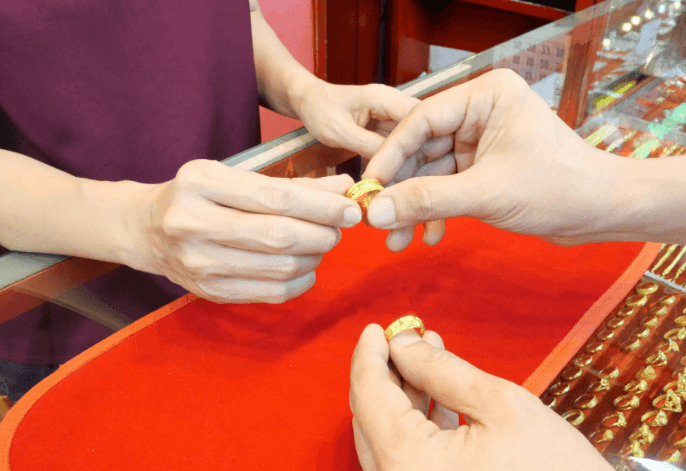
Consumers now actively seek circular fashion and vintage tech. Many shoppers actively look for restored furniture, vintage decor, and refurbished items with character. When you repair and restyle a piece, you add real value.

For example, you might buy a worn dresser, refinish it, update the hardware, and stage it beautifully for photos. Your profit comes from your skill, your eye for design, and your branding.

This model works especially well if you love treasure hunting at thrift stores or estate sales. With the right niche and consistent style, you can build a recognizable brand.

Urban “Micro-farming” and Mycology

Growing specialty products at home has also become a strong opportunity. Gourmet mushrooms, specialty herbs, or microgreens can turn a spare space into a small business.

When you sell directly to local customers or restaurants, you keep more of the profit. Even a few steady accounts can create reliable weekly income.

This path combines hands-on work with practical demand. For DIYers who enjoy experimenting and learning new skills, it can be both creative and profitable.

Conclusion

Hobbies today are not just relaxing side projects. In 2026, they can become focused, profitable businesses when you lean into authenticity and craftsmanship. While technology continues to automate everyday tasks, it also makes it easier for makers to reach the right customers and build loyal communities.

The key is not to make more things. It is to make the right things. Choose a niche. Refine your skill. Offer quality that stands out. When you present your work as a premium handmade product, people are willing to pay for the care and detail behind it.

As DIY creators, we already know how to experiment, learn, and improve with each project. Those same habits help us build sustainable income streams. Your hobby does not have to stay on the sidelines. With focus and intention, it can grow into something meaningful, profitable, and still deeply creative.

How Faith, Communication and Consistency help Protect Kids from Risky Choices

0 · Jan 28, 2026 · Leave a Comment

As a parent, you know the feeling. The moment your child steps foot out the door on their own, your mind starts generating all the possible scenarios. At the same time, the kids have to learn how to make responsible choices on their own. You can’t be there to protect them from every risky ride and peer pressure. Really, the only thing you can do is to build inner guardrails, confidence, and meditative practices that help them make the right calls. With this, faith and honest communication can help protect kids from the worst outcomes. This is how you can shape their identity and help them set boundaries.

Faith as an Anchor for Identity and Self-Respect

Faith can give kids a steady answer to “Who am I?” So, when a friend group tries to define them, they have something deeper to stand on. Also, faith can connect worth to character, not popularity. Then kids are less likely to chase approval through risky choices.

Next, you can talk about integrity in plain language: telling the truth, keeping promises, and treating people with care. However, kids tune out long speeches. Instead, use short moments.

At dinner, share a quick story and ask, “What was the right choice here?” Then ask, “What would that look like at school?” Also, pray together in a way that fits your home, even if it is one sentence. Meanwhile, a faith community can add support through mentors who reinforce the same values.

Finally, kids notice what adults do more than what adults say. So, if you want faith to protect kids, show it in apology, patience, and follow-through.

When a Parent Is in Recovery

Some families carry an extra layer of risk and strength when one parent struggles and is now in recovery. So, if that is your story, you can use it to protect kids with honesty and humility. However, the goal is not to scare children or share adult details. Instead, the goal is to turn experience into wisdom.

Start by naming the truth in age-appropriate words. Next, you can say, “I had a problem with alcohol or drugs, and I got help.” Then add, “I stay healthy by doing certain things,” such as meetings, therapy, prayer, or calling a sponsor. Also, make room for questions. So, your child learns that secrets do not run your home.

Recovery teaches accountability and repair. For example, you can model what it looks like to pause, ask for support, and change course. Meanwhile, you can show healthy coping: sleep, exercise, honest talk, and faith.

A woman pouring cereal into a bowl for her daughter at the table.

It is also fair to set firm boundaries around substances. So be clear about the house rules: no alcohol for minors, no vaping, and no “just trying it.” Then explain why: “Addiction can run in families, and we take it seriously.” Also, give your child an exit plan for parties, because safety plans matter.

Communication That Kids Will Actually Use

Kids do not open up when they expect an explosion. Therefore, the tone you use matters as much as the rules you set. Also, honest conversations do not start with interrogation. Instead, they start with curiosity.

Try questions that invite detail: “Walk me through what happened.” Next, ask, “Who was there?” Then ask, “What did you feel in that moment?” Meanwhile, those questions help you see the pressure behind the choice.

Hard topics should be normal, not taboo. So, talk early about vaping, alcohol, weed, sex, porn, and unhealthy relationships. However, keep it calm and specific. For example, practice one exit line: “No thanks, I’m not doing that.”

The pause is a simple tool that builds trust. Next, when your child admits something, take one breath before you respond. Then start with safety: “Are you safe right now?” Also, say, “Thank you for telling me.” So, your child learns that truth leads to help, not humiliation.

Consistency That Makes Boundaries Feel Safe

Kids may complain about limits, but inconsistent limits create more stress. So, keep rules clear, few, and repeatable. Also, connect rules to reasons: safety, health, and respect. Then your child learns that boundaries are not random.

A mother, daughter, and son sitting on a bench and checking the time on their watches.

Consistency means you follow through. Therefore, avoid threats you will not enforce. Instead, pick consequences you can apply calmly, and apply them the same way each time. Also, repair after discipline so your child feels loved and guided, not pushed away.

A rescue plan can protect kids in real pressure moments. So tell your child, “If you feel unsafe, call me. I will pick you up.” Then repeat that plan before weekends and parties.

Next, write down a few household basics: curfew, check-ins, ride rules, and phone rules at night. Also, include what you promise: listening, fairness, and showing up.

Putting the Three Pillars Into Daily Life

So, build routines that make connection easy: dinner together a few nights a week, a short check-in before bed, or a weekly walk. Also, keep screens out of those moments so conversation can happen naturally.

Then practice quick scripts: “No thanks,” “I have to go,” or “My parents will pick me up.” Meanwhile, teach kids to spot risky setups: unsupervised houses, older teens, substances present, and requests to keep secrets. So, permit them to leave and to blame you if they need an excuse.

Finally, remember that kids will mess up sometimes. Therefore, focus on learning, repairing, and stronger plans. So, when something goes wrong, ask, “What happened? What did you learn? And what will you do next time?” Also, end the talk with a connection so your child keeps coming back.

The Bottom Line

You cannot control every influence your child has. Still, you can shape what they carry into those moments. So, anchor them in faith so they know who they are. Then build communication so they tell the truth before problems grow. Also, keep consistency so boundaries feel safe and predictable. When a parent is in recovery, that same structure can become even more protective, because it turns hard-earned lessons into a healthier family story.

Our Favourite Swingset Games You Should Try

0 · Jan 27, 2026 · Leave a Comment

Are you struggling to find new ways to make your swingset fun? Or are you looking to add a swingset to your garden and want some games that you can play with your children? You have come to the right place! I know how challenging it can be to keep your children entertained, which is why I’m sharing our favourite swingset games that can be tailored for any age or ability to provide hours of outdoor fun. These could become your new favourite games, too!

Swingset Race

Swingset race is the perfect game if you have multiple children, or your child has friends or cousins over. You can have two or more children swinging at the same time. The goal is to see who can swing the highest, adding a competitive edge and providing plenty of fun. You can also switch this to see how it can swing for the longest time, too, taking turns against one another. If you have more children than swings, you can consider rounds until there is one winner.

You can rope in other family members as judges, too, making it the perfect garden party activity!

swingset game

Swing Volleyball

Swing volleyball uses a soft beach ball and can be played as a doubles or singles game. One person plays on a swing, while the other is on foot, a safe distance from the child on the swing. If you have a net to hand, you could even add this to give it a true volleyball feel. The child on foot can use their arms and hands to hit the ball, while the child on the swing can only use their legs, adding a twist to the game.

You can keep score and have the children play in teams if you have two swings, with the first to 5 or 10 winning. Again, you can ask relatives to step in as judges or referees where needed.

Swing Basketball

Some swingsets come with a basketball hoop, or if you have one to hand, you can set it up in front of the swingset to create a swing basketball. If you don’t have a hoop, you can still play, using a bucket and placing it a few feet in front of the swingset. Players will swing, taking shots at the baskets as they swing. This is a fun way to get them to practice shooting baskets if they are basketball fans, or to provide them with a new game to try.

You can make the game more challenging, too, by moving the bucket or basketball hoop further away each time, or by adding a time limit to dunk a basket.

Swingset Obstacle Course

If you have a swingset, an excellent game is to create an obstacle course around it, using whatever you have to hand. Popular choices include jump ropes, cones, and hula hoops. You can incorporate activities on your swings, like chain ladders, poles, and rock-climbing walls, to create a fun obstacle course for your children to complete.

Swingset Tag

The tag can be elevated when you play it on your swingset! You can tailor the rules, but we recommend playing usually and setting part of the swingset as ‘home’, where if you have your feet off the ground for 5 seconds, you cannot be tagged. You can increase the home time to suit your children’s needs and set up spaces, like swings, slides, and other features, where they can pause without getting tagged.

swingset games

Swing Balance Challenge

Finally, you can create a swing balance challenge, which can be fun for children and adults. This one tests their balance, where your child will sit on the swings without swinging or moving. With their arms outstretched, they can hold a soft toy or a water balloon in each hand, seeing how long they can keep their balance. You can add items as a challenge, or lightly swing the swing, but make sure you follow safety precautions to prevent your child from falling and injuring themselves.

Enjoy Swingset Games With An Outdoor Swing Today

Any of these games is sure to provide hours of fun and entertainment for your children and any adults who want to join in! For most of them, a swingset will add to the entertainment, but it isn’t essential. You can upgrade your existing swings to a swingset at Vuly, which offers a vast range to ensure hours of fun outdoors. Check out their outdoor swings and swing sets today.

  • « Go to Previous Page
  • Page 1
  • Page 2
  • Page 3
  • Page 4
  • Page 5
  • Page 6
  • Interim pages omitted …
  • Page 88
  • Go to Next Page »

Primary Sidebar

Heather from Whipperberry
Hello... my name is Heather and I'm the creator of WhipperBerry a creative lifestyle blog packed full of great recipes and creative ideas for your home and family. I find I am happiest when I'm living a creative life and I love to share what I've been up to along the way... Come explore, my hope is that you'll leave inspired!

Footer

  • Privacy Policy
  • Crafts
  • Food
  • Gifts
  • Holidays
  • Home
  • Mom Life
  • Recipes
  • Travel

Copyright © 2026 · Seasoned Pro