• Skip to primary navigation
  • Skip to main content
  • Skip to primary sidebar
  • Skip to footer

Whipperberry

WhipperBerry • Your Home For Creative Inspiration

  • Home
  • Recipes
    • Starters
    • Easy Weeknight Dinners
    • Main Dish
    • Salads
    • Side Dish
    • Soups & Stews
    • Desserts
    • Breakfast
    • Miscellaneous
  • Tutorials
    • Creative Crafts
    • DIY Decor
    • Fabric Crafts
    • Food How-To
    • Jewlery
    • Paint Projects
    • Paper Art
    • Party Styling
    • Photography and Graphic Design
    • Silhouette
  • Holidays
    • Easter
    • Mother’s Day
    • Father’s Day
    • 4th of July
    • Halloween
    • Thanksgiving
    • Christmas
    • Valentine’s Day
  • Gift Ideas
    • Gifts For Everyone
    • Gifts for Dad
    • Mother’s day
    • For The Girls
    • For The Kids
    • Teacher Gift Ideas
    • Christmas
  • Printables
    • Holiday
    • Gift Idea
    • LDS Primary
  • Travel
  • About
    • Terms
  • Contact
  • Nav Social Menu

    • Facebook
    • Instagram
    • Pinterest
    • RSS
    • Twitter

Crafts

Turning Plain Tees Into Handmade Gifts: A Beginner’s Starter Guide

0 · Jun 16, 2026 · Leave a Comment

Handmade gifts beat store-bought every single time.

There’s nothing quite like receiving a meaningful, personalised gift – and a plain t-shirt is a great place to begin. Birthdays, baby showers, or just because you care, a customized t-shirt can really show that you care.

Here’s the thing…

You don’t have to be an artist to create these. Just grab some blank tees and a simple tool like invideo’s image to image tool, where you upload a sketch, doodle, or photo and it turns it into a clean, print-ready design. Then you can:

  • Make beautiful, one-of-a-kind gifts
  • Save a ton of money compared to store-bought options
  • Create something the recipient will actually keep and wear

Here is how to do it…

What you’ll discover:

  1. Why Handmade T-Shirt Gifts Are Trending
  2. Sourcing The Right Plain Tees
  3. Beginner-Friendly Decoration Techniques
  4. Personalisation Ideas That Actually Work
  5. Packaging Your Handmade Tee Like A Pro

Why Handmade T-Shirt Gifts Are Trending

Handmade gifts are having a serious moment right now.
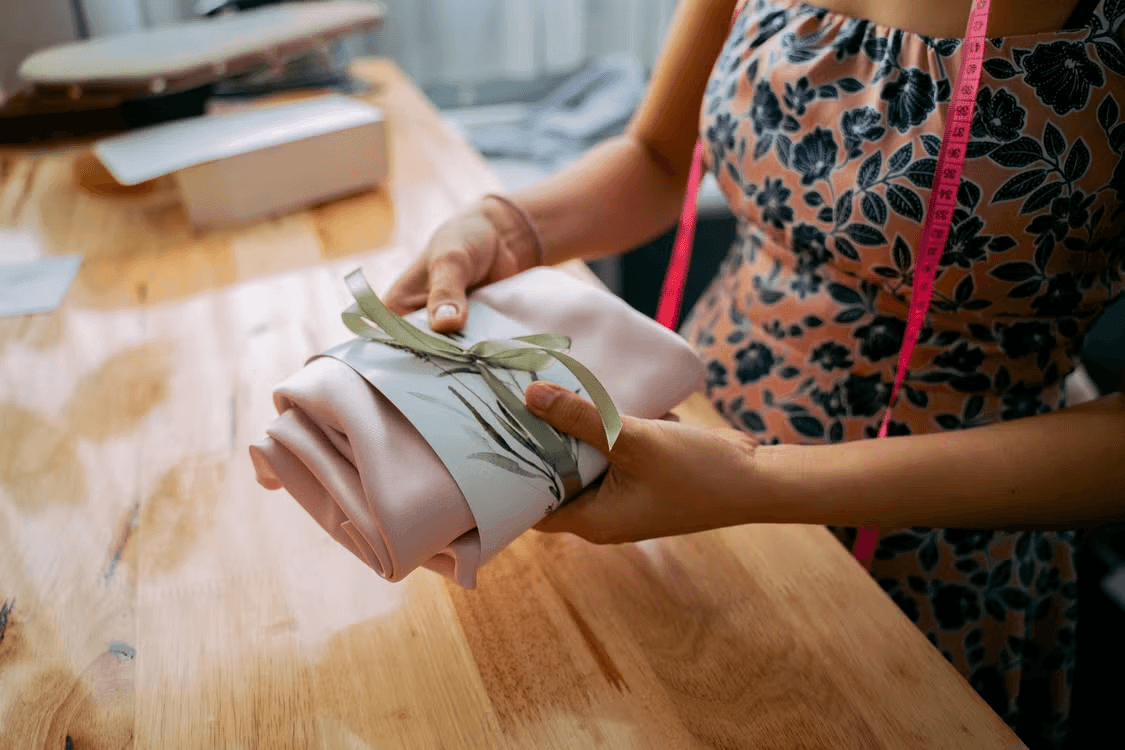
Woman wrapping a handmade gift

The personalised gifts market was worth $26.1 billion in 2024. It’s set to grow almost twice as much by 2033. Consumers crave personalization – they don’t want the same generic mug everyone else is buying for the office party.

And the numbers back it up…

Deloitte found that 36% of buyers prefer personalized gifts. That’s more than 1 in 3 people preferring something custom made over something store bought.

A handmade tee ticks all the boxes:

  • It’s personal: You picked the design, the colour, and the message
  • It’s useful: Unlike a knick-knack, a t-shirt actually gets worn
  • It’s affordable: Plain tees are dirt cheap when you buy smart
  • It’s beginner-friendly: No years of training required

Pretty cool, right?

Sourcing The Right Plain Tees

This is where most beginners mess up.

Buying individual tees at a retail shop costs too much money, and you get poor quality. The smart thing to do is invest in bulk clothing orders. That way you get great pricing, uniform quality, and lots of shirts to practice on before you perfect your process.

You can find thousands of wholesale t-shirt companies out there that provide blank tees in all different colors, sizes, and weight options. Consider these things when choosing which supplier you want to use for your bulk clothing orders:

  • 100% cotton or cotton blends for easier printing and decorating
  • Pre-shrunk tees so the design doesn’t warp after the first wash
  • Tight knit fabric for a smoother surface (no fuzzy fibres)
  • A range of colours because not every recipient wants white

Rule of thumb? Don’t cheap out on the shirt. Nice design + cheap itchy shirt just doesn’t feel right. Pay more in the beginning and your completed gift will look quality.

How Many Should You Order?

This depends on your project but here is a good starting point:

  • 1 gift: Buy 3-5 tees to allow for practice attempts
  • 5-10 gifts: Order at least 15 to cover mistakes
  • Bulk projects (weddings, events): Order 20% more than needed

Orders for bulk clothing almost always come with minimum order requirements. But the price per shirt usually goes way down after you pass that minimum. Perfect for newbies who are bound to mess something up.

Beginner-Friendly Decoration Techniques

Now for the fun part…

There are dozens of tutorials on how to decorate a plain tee shirt, but only a few are very beginner friendly. These four will teach you 90% of what you need to know.

Iron-On Vinyl (HTV)

Heat transfer vinyl is the easiest method by a country mile.

Close-up of an iron on a

Cut vinyl with your machine (Cricut, silhouette, etc.), weed away excess vinyl and iron onto the tee. Looks professional and will last for years!

Why beginners love it:

  • Cheap to start with a basic machine and a few vinyl rolls
  • Forgiving if you mess up
  • Works on cotton, blends, and polyester

Fabric Paint & Stencils

The old-school method — and it still works brilliantly.

Buy some fabric paint, get out a stencil (or cut out your own) and a sponge brush. Lay stencil on tee, sponge on paint, let dry, then heat-set with an iron. Easy peasy.

This is the cheapest option and gives you full creative freedom.

Tie-Dye

Tie-dye made a massive comeback and is not going anywhere.

It’s messy, fun and nearly impossible to do wrong. Every tee comes out completely unique and that’s half the fun of a homemade gift.

Embroidery

For something a little fancier…

Hand embroidery is surprisingly affordable and easy when it comes to apparel. Just try stitching up your own tee. Embroidering a small design – whether it’s a name, date or initial – can take that basic shirt to heirloom status.

Personalisation Ideas That Actually Work

Personalised handmade goods have seen a 26% increase in recent years, and custom tees are taking the lead. Just know your design recipient.

Some ideas that always land well:

  • Inside jokes: A phrase only you two understand
  • Important dates: Wedding day, baby’s birthday, anniversary
  • Names or initials: Monograms never go out of style
  • Hobbies: A guitar for the musician, a paw print for the dog lover
  • Quotes: A line from their favourite book, song, or film

DON’T forget: Make the gift for the recipient, not for yourself. A thoughtful handmade gift celebrates the person: their humour, their style, their passions.

Packaging Your Handmade Tee Like A Pro

Presentation matters just as much as the gift itself.

Throwing a folded tee in a plastic bag doesn’t do justice to all the effort you’ve expended. Spend a few extra minutes and make the packaging part of the gift.
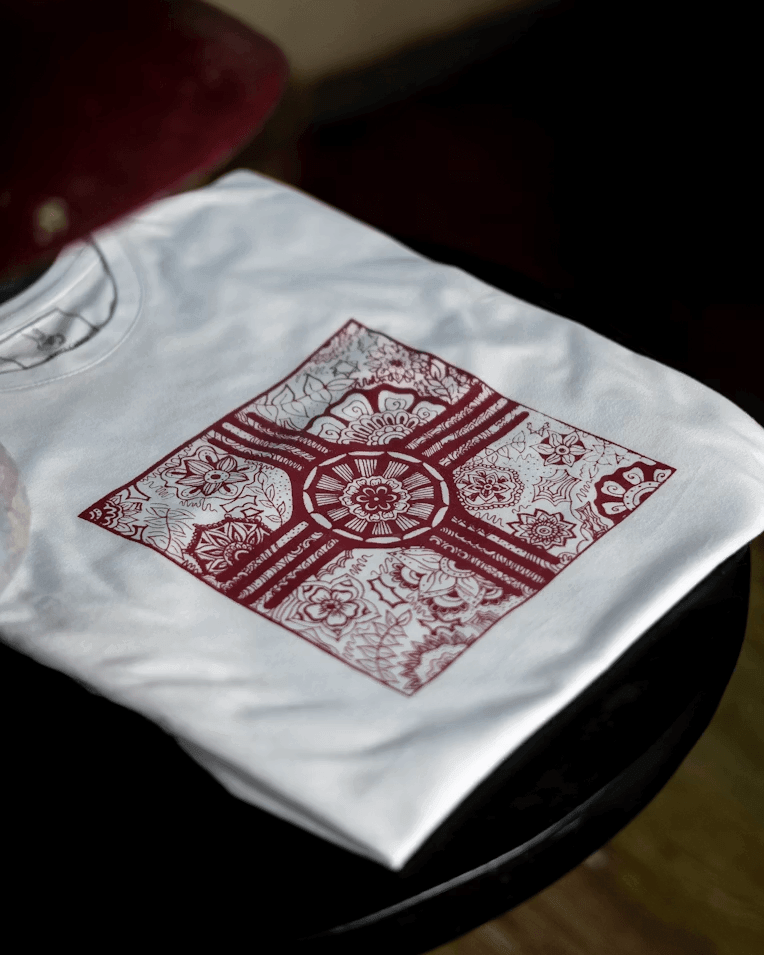
White t-shirt with a handmade

Try this:

  • Fold the tee neatly (the “store fold” works best)
  • Wrap it in tissue paper with a coordinating colour
  • Add a handwritten tag explaining the design’s meaning
  • Place it in a kraft box or a reusable cotton drawstring bag

Bonus if you put washing instructions on a little card. Custom tees require gentle washing to stay in shape and your friend will appreciate the warning.

Final Stitches

Making customized shirts from plain tees is one of the easiest DIY gifts you will ever create. Plus, you don’t need much to get started – just some blank tees, simple tools and your imagination.

To quickly recap:

  • Source quality plain tees through bulk clothing orders to save money
  • Pick a beginner-friendly technique (HTV is a great start)
  • Personalise the design to suit the recipient
  • Package the finished tee thoughtfully

Why does the handmade gift industry continue to flourish? Simple. In a world saturated by mass-produced goods, folks are yearning for personal, unique items that have meaning. Learning how to make a handmade tee and gift giving just became easier (and way less expensive) every birthday, wedding, and holiday.
Painted Furniture Ideas: How to Choose the Right Color Before Painting

0 · May 19, 2026 · Leave a Comment

Painted furniture can completely change the feel of a home without spending a fortune. An old dresser can make a bedroom feel calm and finished. A tired console table can bring warmth to a busy entryway. Even a thrifted bedside table can start to feel like it truly belongs in your home.

The tricky part is choosing the right colour. Many DIY furniture makeovers look beautiful on a paint sample but feel out of place once the piece is back in the room. A colour may look too cool beside warm walls, too dark in a family room, or too flat next to cozy textures and natural wood.

Before pulling out the paintbrush, it helps to look at the room as a whole. Notice the wall colour, flooring, nearby furniture, fabrics, hardware and natural light. If you want to test ideas before starting, an AI paint visualizer for interiors can help preview wall colours, painted furniture finishes and room palettes before the DIY makeover begins.

Here is how to choose painted furniture ideas that help your home feel warm, welcoming and pulled together long after the paint dries.

Painted Dresser Ideas

Start with the Room, Not the Piece

The easiest mistake is falling in love with a furniture colour before checking the room around it. Sage green may look soft in a bright kitchen, but muddy in a north-facing bedroom. Black can make a cheap console table look expensive, but it can also make a narrow hallway feel smaller. White sounds safe until it sits beside warm cream walls and suddenly looks blue.

Take the furniture into its real context. If it is a dresser, look at the bed frame, bedding, bedside tables and wall colour. If it is a console table, check the flooring, stair rail, mirror frame and any baskets underneath. If it is a cabinet in a living room, compare it with the sofa, rug, curtains and TV unit.

A good painted furniture colour usually repeats something already in the room or creates one deliberate contrast. Random colour is what makes a makeover feel like a craft project that never found its place.

A Furniture Color Decision Table

This is the practical part worth doing before buying paint. Match the furniture type to the room problem, then choose the colour family.

Furniture pieceWorks well inSafer paint coloursBe careful with
DresserBedroom, hallway, guest roomsage, mushroom, navy, charcoal, warm whitepure white gloss, bright red, very pale grey in cold rooms
Console tableEntryway, living room, landingblack, olive, warm white, muted blue, dark wood stainhigh-gloss colours in narrow halls
Bedside tableBedroom, small guest roomtaupe, soft green, off-white, pale bluevery dark paint beside a bulky bed
Dining chairsDining room, breakfast nookblack, cream, forest green, muted bluetoo many different colours at once
CabinetLiving room, kitchen, utility roomdeep green, navy, clay, mushroom, soft blacktrend colours that clash with fixed finishes
Coffee tableLiving room, snugblack, warm white, natural top with painted basepaint that cannot handle daily wear

The table is not a rulebook. It is a filter. If a colour fails against the wall, floor and nearby furniture, it probably will not improve once the whole piece is painted.

Painted Dresser Ideas

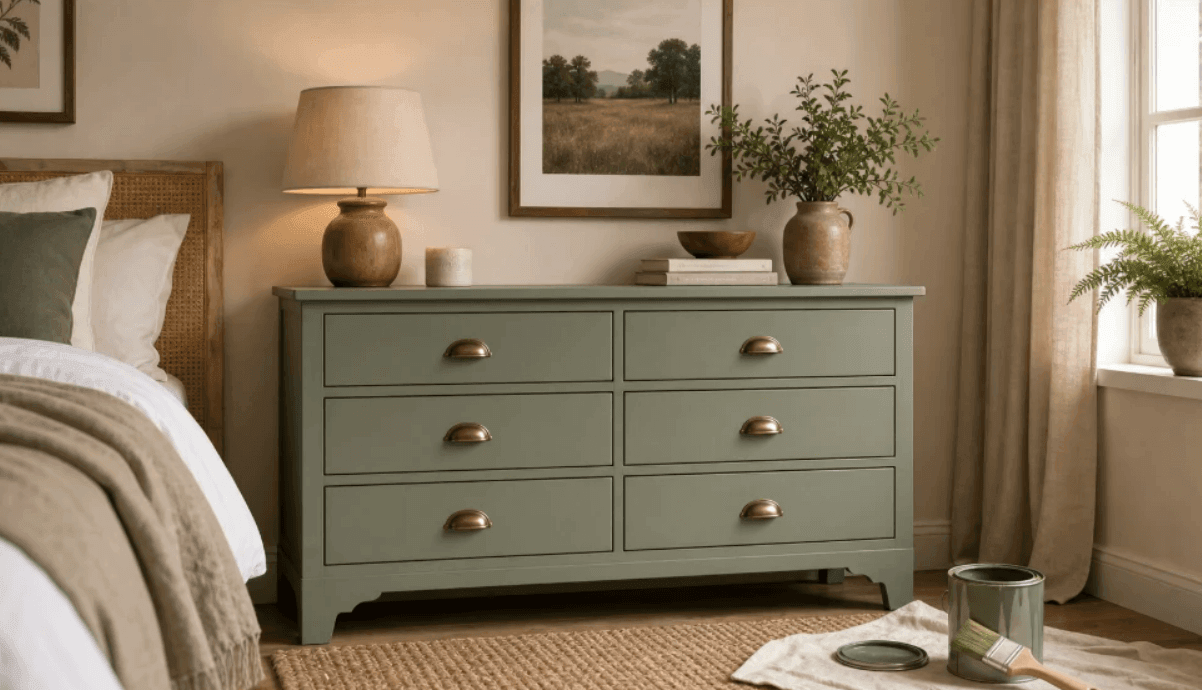
Painted Dresser

A dresser is usually large enough to change the mood of a room. That is why painted dresser ideas need more restraint than small accent pieces. If the bedroom already has patterned bedding, a strong rug or dark curtains, a calm dresser colour often works best. Sage, mushroom, warm white, smoky blue and charcoal are forgiving because they can sit with wood, metal and soft textiles.

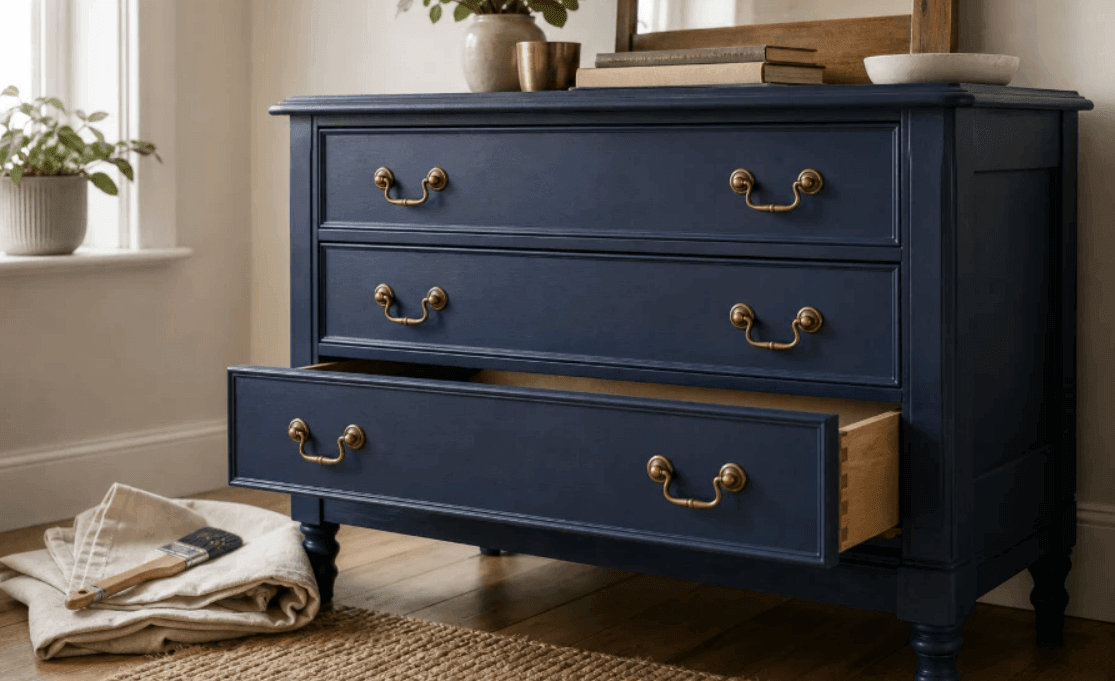
For a plain bedroom, the dresser can carry more character. Navy with brass hardware feels tailored. Deep green with wooden knobs looks warmer and less formal. Black can be excellent if the room has enough light and at least one other dark detail, such as a curtain rod, lamp base or picture frame.

The finish matters as much as the colour. A matte dresser can look soft and handmade, but it may show fingerprints in a busy bedroom. Satin is a good middle ground for most pieces because it cleans more easily without looking too shiny.

Chalk Paint Furniture Ideas

Chalk paint is popular because it gives furniture a soft, matte look and usually needs less prep than traditional paint systems. It suits dressers, bedside tables, hutches, small cabinets and decorative chairs. It is less ideal for surfaces that take heavy daily abuse unless you seal it properly.

The best chalk paint furniture ideas tend to lean into texture rather than fight it. Older wood, carved details and slightly worn edges can look better with chalk paint because the finish does not pretend to be factory-perfect. A flat-pack piece with very smooth laminate can be painted too, but it needs the right primer and more patience.

For colour, chalk paint works well in muted shades: dusty green, warm grey, cream, clay, charcoal, putty, pale blue. Bright colours can work for a child’s room or a playful craft space, but they are harder to place in a main living area.

If the piece has pretty hardware, remove it before painting. If the hardware is cheap or dated, replace it after painting. New knobs can make a simple painted piece feel finished without adding much cost.

Painted Wood Furniture Ideas

Painting wood furniture is not the same as painting a wall. Wood has grain, knots, tannins, old wax, oil, varnish and sometimes mystery residue from decades of polish. The paint colour is only one part of the result.

If the wood is beautiful and in good condition, consider painting only part of the piece. A natural wood top with a painted base can be more interesting than covering everything. This works especially well on coffee tables, console tables, sideboards and dining tables.

For orange-toned wood, cooler colours can calm it down: muted blue, green-grey, charcoal, soft black. For pale pine, warmer neutrals usually look better than cold grey. For dark wood, a deep colour can feel rich, while a pale colour creates stronger contrast and may need more coats.

Prep is where patience pays off. Clean first, sand enough to key the surface, prime if needed, then paint thin coats. Thick paint hides detail and chips more easily.

How to Match Painted Furniture with Wall Color

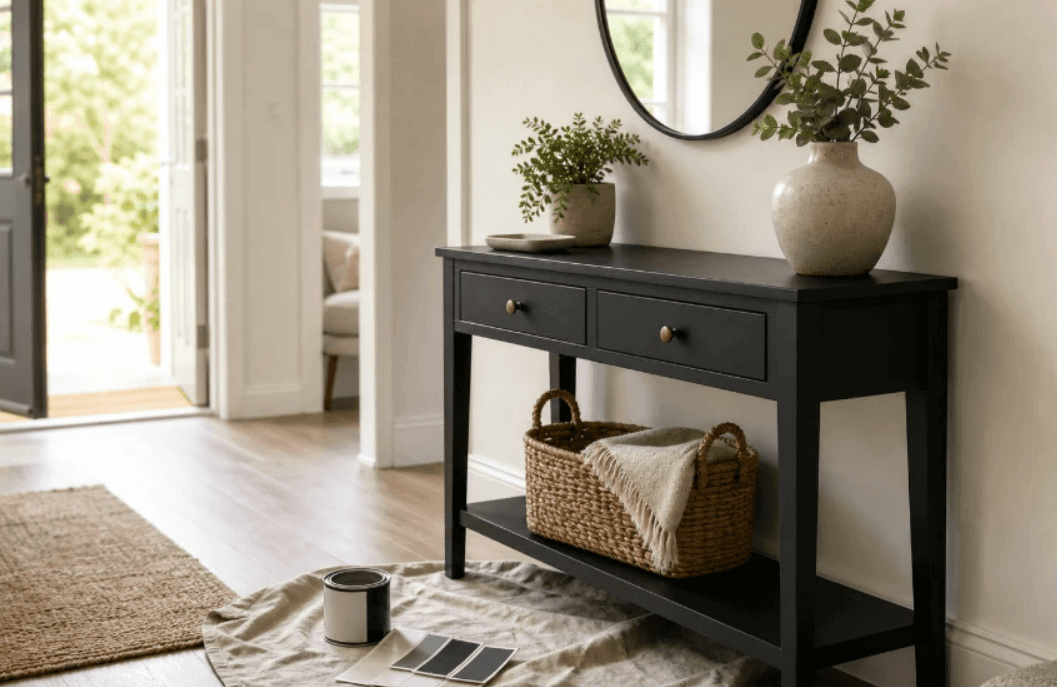
Painted table with mirror and vase

Wall colour can make painted furniture look expensive or slightly wrong. The issue is undertone. A warm cream wall can make a cool white dresser look stark. A grey wall with blue undertones can make a green cabinet look dull. A beige room can make bright white furniture feel unfinished.

Use contrast on purpose. If the wall is light, a darker painted piece can anchor the room. If the wall is dark, a warm neutral or natural wood detail can stop the space feeling heavy. If the wall has a strong colour, the furniture usually looks better in a quieter shade.

A simple test: place the paint sample beside the wall, not just on the furniture. Then check it morning, afternoon and evening. Artificial light can change the colour more than you expect.

When White, Black, Green, Blue and Neutral Paint Work Best

White painted furniture is safest when the room has clean whites, pale woods or soft neutrals already. Choose warm white for older homes, cream walls and vintage pieces. Use cooler white only if the room is already crisp and modern.

Black works when the room needs structure. It is good for console tables, dining chairs, side tables and cabinets with clean lines. In small rooms, black works better when the piece has slim legs or open space around it.

Green is one of the easiest colours for painted furniture because it sits between neutral and colour. Sage feels quiet, olive feels earthy, forest green feels more formal. It works especially well with brass, cane, oak and warm white walls.

Blue is more sensitive. Pale blue can look charming in a bedroom but weak in a busy living room. Navy is safer for larger pieces because it behaves almost like a neutral.

Mushroom, taupe, putty and clay are underrated. They make old furniture look calmer without shouting for attention. They also work well when the room already has several materials: wood, metal, linen, stone, rattan.

How to Test a Furniture Paint Color Before Painting

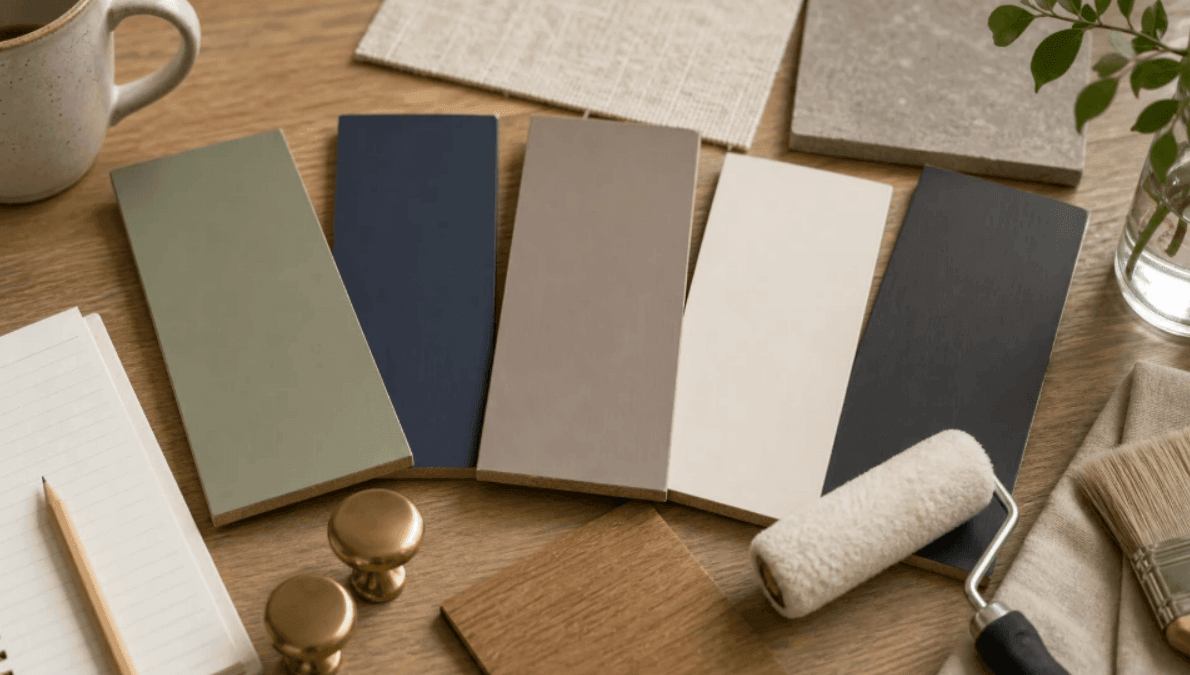
Painted Furniture

Do not test paint only on a tiny card. Paint a sample board or the inside of a drawer if the piece allows it. Put the sample where the furniture will live and leave it there for at least a day. If the piece will sit near a window, check it in direct and indirect light.

Also look at the colour beside hardware. Brass, chrome, black, ceramic and wood knobs all change how a paint colour reads. A green dresser with brass handles feels different from the same green with black handles.

If you are testing several colours, narrow them to three. More than that usually creates confusion. One safe option, one slightly bolder option and one darker option is enough.

DIY Painted Furniture Ideas That Do Not Look Homemade

The difference between charming and unfinished is usually in the edges, hardware and sheen. Clean edges around drawers and legs matter. So does letting paint cure before putting the piece back into heavy use. A cabinet may feel dry after a few hours, but the finish can stay soft for days.

For a more polished result, remove drawers and doors before painting if possible. Label hardware in small bags. Paint thin coats. Sand lightly between coats if the surface feels rough. Seal pieces that will be touched often.

There is nothing wrong with a handmade look. It just needs to look intentional. Distressed edges can suit a farmhouse cabinet, but random chips on a modern sideboard usually look like damage.

Common Painted Furniture Mistakes

One common mistake is skipping cleaning because the piece “looks fine”. Old furniture often carries wax, polish, oil or kitchen film. Paint does not like any of that. Cleaning is not glamorous, but it is often the difference between a finish that lasts and one that peels.

Another mistake is choosing colour in isolation. The painted piece has to live with the wall, floor, rug and nearby furniture. A bright colour that looks fun in the garage can feel loud in the bedroom.

People also rush the cure time. Dry paint and cured paint are not the same. A tabletop, dresser top or cabinet door may need several days before it can handle normal use without marks.

The last mistake is over-styling the finished piece. A painted dresser does not need a tray, vase, stack of books, candle, lamp and framed print all fighting on top. Let the colour do some of the work.

FAQ

What is the best color to paint furniture?

The best colour depends on the room. Sage, mushroom, navy, warm white, charcoal and soft black are reliable because they work with many wall colours and wood tones. Bright colours can look good, but they need a clear link to something else in the room.

Is chalk paint good for furniture?

Chalk paint is good for decorative furniture, dressers, bedside tables and cabinets that do not take heavy daily wear. It gives a soft matte finish and suits older pieces with detail. For tabletops, chairs and busy cabinets, use a durable sealer.

Do I need to sand furniture before painting?

Usually, yes, at least lightly. Sanding helps the paint grip and smooths rough areas. Some chalk paint products need less sanding, but cleaning and surface prep still matter. Glossy, varnished or laminate furniture may also need primer.

What painted furniture ideas work for a small room?

In a small room, choose lighter colours, slim furniture shapes and finishes that repeat the room palette. A dark painted piece can work if it has open legs or sits against a light wall. Avoid painting several large pieces in different bold colours.

How do I make painted furniture look professional?

Clean the piece well, remove hardware, paint thin coats, let each coat dry properly and seal high-use surfaces. Choose hardware that fits the new colour. The finish looks better when the colour, sheen and handles all feel like one decision.

Can I paint wood furniture and leave part of it natural?

Yes. A natural wood top with a painted base works well on console tables, coffee tables, sideboards and dining tables. It keeps some warmth from the wood while still updating the piece. This is especially useful when the wood grain is still attractive.

Final Thoughts

Painted furniture is one of the simplest ways to refresh a family home and give older pieces new life. The best DIY makeovers are not just about the paint colour itself. They work because the piece fits naturally with the walls, flooring, textures and everyday feel of the room.

Take time to test colours in the actual space, pay attention to lighting and choose finishes that suit real family life. When the colour feels right in the room before painting even starts, the finished piece will feel less like a project and more like part of a comfortable, lived-in home.

How to Style Your Graphic Tees for Different Vibes

0 · Apr 29, 2026 · Leave a Comment

Graphic tees are not just for fashion. They can be a fun and creative way to show your personality in everyday outfits. As a busy mom, I love pieces that are easy to mix and match while still feeling put together.

You can find inspiration in local shops and build outfits that feel fresh without overthinking it. A simple tee can become the starting point for so many looks, whether you are heading out for errands, meeting friends, or enjoying a casual day at home.

Versatility remains a top priority for anyone who values a clean and cohesive look. High-quality tee shirts function as the foundation for numerous outfits throughout the entire week. Select a favorite design to build a look that resonates with current street culture.

Style Your Graphic Tees

Professional Approaches for Casual Office Environments

Work style has become more relaxed over time, which makes it easier to wear graphic tees in a professional setting. A structured blazer can instantly dress up a simple top and make it work for a creative office. Dark wash denim adds a polished touch while still feeling comfortable during a full day of work.

Leather loafers or clean white sneakers finish the look in a simple and practical way. This outfit balances personal style with what most workplaces expect. Tucking in the tee helps create a clean shape that looks put together without much effort. High-quality tshirts make it easier to stay comfortable while still looking work ready.

Sophisticated Evening Aesthetics with Bold Prints

It is easy to take a daytime outfit and turn it into something you can wear at night. A silk slip skirt pairs nicely with a graphic tee and adds a soft and dressy feel. The mix of fabrics helps the outfit look styled without feeling too formal.

Statement jewelry can quickly dress things up for an evening out. A small clutch keeps the look simple and neat for dinner or events. Heels or pointed boots help pull everything together for a more elevated outfit. Each piece adds just enough detail to make the look feel complete.

Athletic Leisure Outfits for Daily Comfort

Comfort matters on busy days, especially when you are always on the go. Joggers pair easily with graphic tees for a relaxed and sporty outfit. Choosing breathable fabrics helps you stay comfortable throughout the day.

Running shoes are a great match for this look and keep it practical. A baseball cap adds a simple finishing touch that feels natural and easy. This outfit is great for errands, quick outings, or casual days at home. Premium graphic tees help keep the look neat and pulled together.

Layered Textures for Cooler Seasonal Weather

Cooler weather is the perfect time to layer your outfits and try new combinations. A flannel shirt worn open over a graphic tee adds warmth and a casual feel. Corduroy jackets bring in a bit of texture and work well with many shirt designs.

Chunky cardigans are another cozy option for weekends or relaxed days. Pair these layers with sturdy boots to stay comfortable outside. Each layer adds depth without making the outfit feel too heavy. Standard graphic tshirts work well underneath and help keep the look simple.

Artistic Streetwear Ensembles for Creative Expression

Street style is a fun way to show personality through clothing. Oversized fits are popular and easy to wear for a relaxed look. Wide-leg pants pair well with a loose graphic tee and create a balanced shape. Bold graphics help the outfit stand out and share a personal style.

Canvas sneakers with fun patterns can add even more interest. This style is all about feeling confident and comfortable. Bold streetwear t-shirts keep the outfit practical while still making a statement.

Artistic Streetwear

Weekend Brunch Styles with Relaxed Denim

Weekend outfits should feel easy but still look put together. Light-wash jeans are a great base for a casual brunch look. Rolling the sleeves on your tee adds a relaxed and friendly touch.

Simple jewelry like silver chains can add a bit of detail without overdoing it. Slides or low top sneakers keep things comfortable and laid-back. This outfit works well for meeting friends or stopping by your favorite coffee shop. Graphic tee shirts help keep the focus on enjoying your time.

Retro Inspirations from Classic Music Eras

Older styles often come back in simple ways. Acid wash jeans can give a fun nod to classic rock looks. A leather jacket adds a bold layer that never really goes out of style.

Black distressed jeans help complete this outfit and keep the look a bit edgy. High top boots add structure and finish the outfit well. This style is great if you like a slightly bold and classic look. Dark colors help keep everything feeling balanced.

Minimalist Color Palettes for Clean Appearances

Simple outfits can still make a strong impression. Wearing similar colors from top to bottom creates a clean and modern look. Matching your tee with your pants helps everything feel more put together.

Neutral colors like beige, white, or gray are easy to mix and match. This kind of outfit lets the graphic design stand out more. Small details like socks or a hat can add a little interest. Keeping things simple often makes getting dressed much easier.

Final Words

Styling graphic tees can be simple, fun, and a great way to get creative with what you already have in your closet. With a few thoughtful choices, you can turn a basic piece into something that feels fresh and personal every time you wear it.

Try mixing textures, layering pieces, or adding small details to change the look. The best part is that comfort and style can work together in a way that fits your daily life. When you feel good in what you wear, it shows in everything you do.

5 Safety Risks Parents Overlook When Buying Backyard Playgrounds

0 · Apr 17, 2026 · Leave a Comment

A backyard playground can add fun and daily activity to a child’s life. However, many parents focus on color and price and miss hazards that hide in plain sight. Many parents miss hidden safety risks that can lead to preventable injuries.

This article shows how backyard playground ground cover, weak guardrails, sharp edges, poor fit for age, and loose parts can raise injury risk. It also explains why regular care and proper design matter before a child uses the set.

Improper surfacing materials increasing injury risk

Many parents focus on the structure but overlook the ground below a backyard kids’ playground. High-quality backyard kids’ playground equipment reduces harm since the surface under it is usually made with fall-safe material. However, parents should still pay close attention to the backyard playground ground cover when deciding on which playset to purchase. Falls cause most playground injuries, and the surface often decides how severe those injuries become.

Grass and packed dirt may look soft, yet they harden over time. Concrete, asphalt, or thin rubber mats offer little shock absorption. As a result, a fall from a slide or swing can lead to broken bones or head injuries.

Blue tire in a garden, highlighting potential

Safety groups report that most playground injuries come from falls to the ground. In addition, public safety guidance suggests at least 12 inches of loose-fill material, such as wood chips or mulch, under and around equipment. Shallow layers shift or scatter, which lowers protection.

Equipment height also affects risk. Structures over five feet increase the chance of injury, so deeper and well-kept surfacing becomes even more important. Parents should check the depth often and refill loose material as needed.

Inadequate guardrails on elevated platforms

Elevated platforms add height and fun to a backyard playground. However, they also raise the risk of a hard fall. Many parents focus on slides and swings but pay less attention to guardrails.

A lack of guardrails on platforms above 20 to 30 inches can put young children at risk. Preschool-age children have less balance and weaker judgment. As a result, they can step backward or lose footing near an open edge.

Guardrails should fully cover the open sides of platforms and fit at the right height for the child’s age group. Gaps between rails should stay narrow enough to prevent a child’s body from slipping through. In addition, rails must attach firmly so they do not loosen over time.

Parents should check each elevated surface before purchase. Solid barriers and secure rails reduce the chance of falls and help create a safer play space.

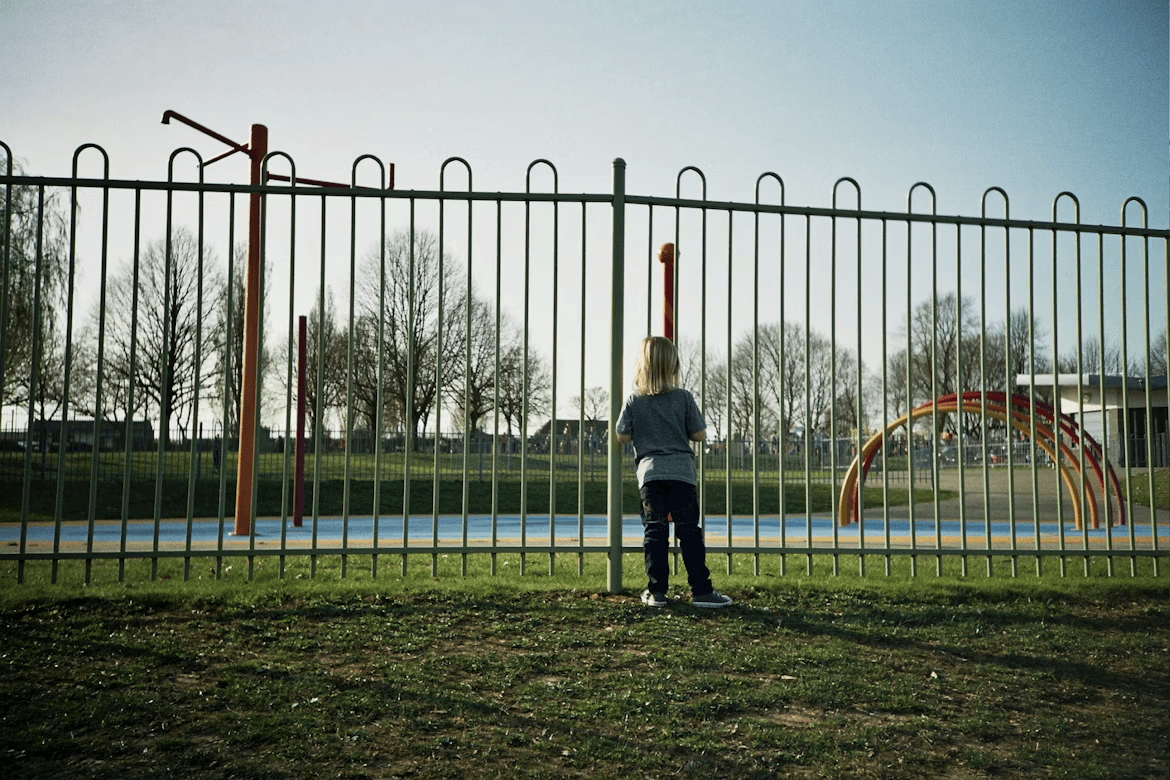
Person near metal fence, considering playground safety

Equipment with sharp edges or pinch points

Sharp edges and pinch points create a real risk on backyard playgrounds. Exposed bolt ends, rough metal, cracked plastic, or splintered wood can cut skin. In addition, open hooks and hardware that stick out can snag clothing or scratch a child’s face or hands.

Pinch points often hide near moving parts such as swing chains, hinges, and slide joints. Small gaps can trap fingers and cause painful injuries. Therefore, parents should check that joints fit tightly and that protective caps cover bolts and hooks.

Surface wear also increases danger over time. Rust, chipped paint, and loose parts can form sharp areas that did not exist at first. As a result, parents should inspect equipment often and fix or replace damaged pieces right away.

A safe playset should have smooth, rounded edges and secure hardware. Careful inspection before purchase helps reduce preventable injuries.

Lack of age-appropriate design and size

Many parents choose a backyard playground based on price or appearance. However, design and size must match a child’s age and ability. Equipment built for older children often includes higher platforms, wider gaps, and more complex features.

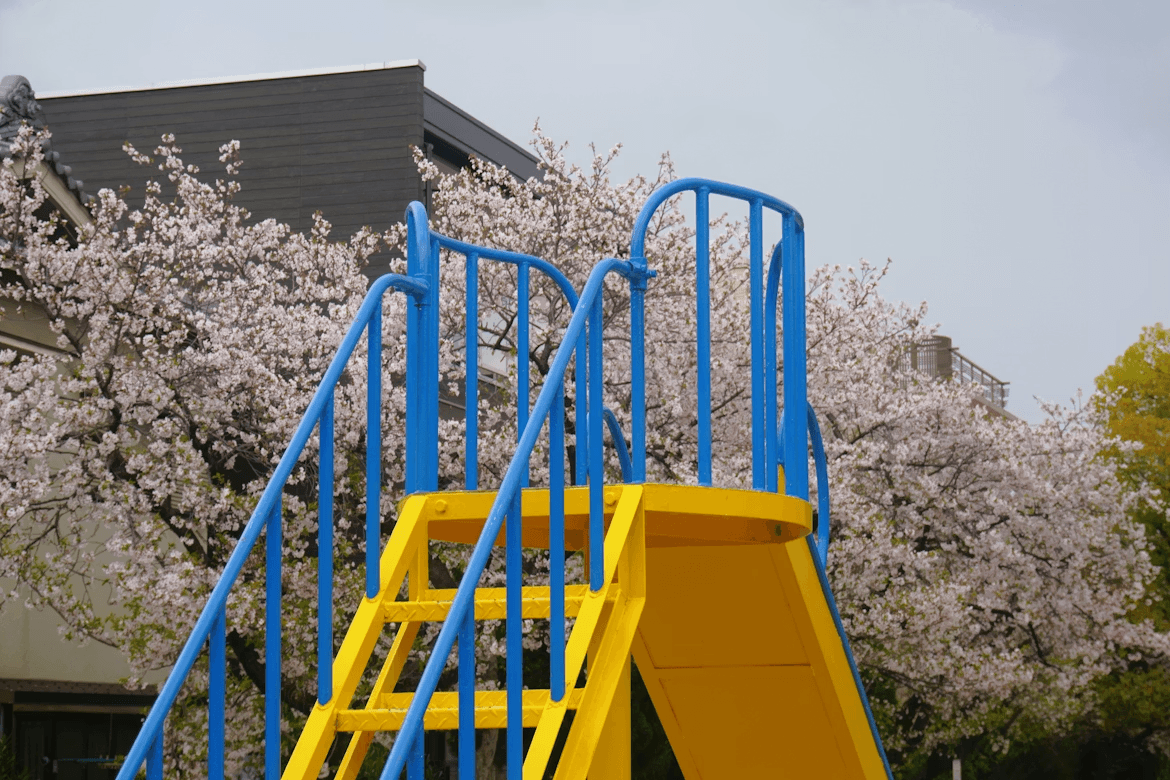
Yellow and blue backyard slide next to a tree,

Younger children lack the strength, balance, and judgment that older kids have. As a result, they face a higher risk of falls and other injuries on oversized structures. Safety groups note that age labels exist for a reason and help guide proper use.

In addition, small children can slip through guardrails that suit older kids. Platforms that sit too high above the ground also increase injury risk. Therefore, parents should check height limits, spacing between bars, and recommended age ranges before purchase.

A playset that fits a child’s size allows safe movement and builds skill at a steady pace.

Poor equipment maintenance and loose parts

Parents often focus on size and features but overlook upkeep. However, poor maintenance can turn even sturdy equipment into a hazard. Backyard playgrounds face sun, rain, and temperature changes that weaken parts over time.

Bolts, nuts, and screws can loosen after months of use. As a result, platforms may shift and handrails may wobble. A child who climbs on unstable parts can slip or fall.

Metal pieces may rust, and wooden beams may crack or splinter. In addition, plastic parts can fade and become brittle. These changes increase the risk of cuts, pinched fingers, and broken pieces.

Experts recommend regular inspections to spot wear and damage early. Parents should check for loose hardware, sharp edges, and worn ropes. They should also tighten fasteners and replace damaged parts right away.

Routine care keeps equipment stable and reduces avoidable injuries.

Conclusion

Parents often focus on price and appearance, yet they must pay equal attention to surface material, equipment spacing, age fit, and routine inspection.

Key safety checks include:

  • Soft impact surfaces, such as mulch or rubber
  • Stable anchors and secure hardware
  • Safe distance from pools, roads, and driveways
  • Clear age labels and weight limits

A careful review of these details helps reduce injury risk and supports safe daily use. With informed choices and regular upkeep, families can create a backyard play space that supports active play without avoidable hazards.

  • « Go to Previous Page
  • Page 1
  • Interim pages omitted …
  • Page 4
  • Page 5
  • Page 6
  • Page 7
  • Page 8
  • Interim pages omitted …
  • Page 93
  • Go to Next Page »

Primary Sidebar

Heather from Whipperberry
Hello... my name is Heather and I'm the creator of WhipperBerry a creative lifestyle blog packed full of great recipes and creative ideas for your home and family. I find I am happiest when I'm living a creative life and I love to share what I've been up to along the way... Come explore, my hope is that you'll leave inspired!

Footer

  • Privacy Policy
  • Crafts
  • Food
  • Gifts
  • Holidays
  • Home
  • Mom Life
  • Recipes
  • Travel

Copyright © 2026 · Seasoned Pro