• Skip to primary navigation
  • Skip to main content
  • Skip to primary sidebar
  • Skip to footer

Whipperberry

WhipperBerry • Your Home For Creative Inspiration

  • Home
  • Recipes
    • Starters
    • Easy Weeknight Dinners
    • Main Dish
    • Salads
    • Side Dish
    • Soups & Stews
    • Desserts
    • Breakfast
    • Miscellaneous
  • Tutorials
    • Creative Crafts
    • DIY Decor
    • Fabric Crafts
    • Food How-To
    • Jewlery
    • Paint Projects
    • Paper Art
    • Party Styling
    • Photography and Graphic Design
    • Silhouette
  • Holidays
    • Easter
    • Mother’s Day
    • Father’s Day
    • 4th of July
    • Halloween
    • Thanksgiving
    • Christmas
    • Valentine’s Day
  • Gift Ideas
    • Gifts For Everyone
    • Gifts for Dad
    • Mother’s day
    • For The Girls
    • For The Kids
    • Teacher Gift Ideas
    • Christmas
  • Printables
    • Holiday
    • Gift Idea
    • LDS Primary
  • Travel
  • About
    • Terms
  • Contact
  • Nav Social Menu

    • Facebook
    • Instagram
    • Pinterest
    • RSS
    • Twitter

Home

Simple Winter Home Upgrades That Make Staying In Feel Extra Cozy

0 · Feb 19, 2026 · Leave a Comment

When winter settles in and the days feel shorter, we naturally spend more time at home. School nights feel longer. Weekends slow down. The cold air outside makes staying in feel like the easy choice. That is when your home really starts to matter. Sometimes that looks like kids in pajamas spread out on the living room floor, or everyone gathering in the kitchen a little longer because it feels warm and welcoming.

I have learned that you do not need a full renovation to make winter feel special. A few thoughtful winter home upgrades can turn everyday spaces into places that feel warm, welcoming, and restful. When our homes feel cozy and cared for, staying in stops feeling like we are missing out. It starts to feel like exactly where we want to be.

Let’s talk about simple winter home upgrades that make a big difference during the colder months.

winter home upgrades

Create a Living Room That Invites You to Linger

The living room is where winter evenings happen, right? Movie nights, lazy weekends, random scrolling sessions under a blanket. So if this space feels awkward or uncomfortable, you’re going to notice.

Start with the basics. Seating matters. A couch that feels stiff or worn out kind of kills the mood. Adding softer pillows, a cozy throw, or even just rearranging furniture can make it feel way more inviting.

Lighting is another big one. Overhead lights can feel harsh, especially at night. Swap in a couple of warm lamps, maybe one by the sofa, one in the corner. Suddenly, the whole room feels calmer.

Add a Sunroom for Light-Filled Comfort

A sunroom is a game-changer, especially during those winter mornings in Long Island when the sun shines bright but the air outside is freezing. You get all the light without dealing with the cold.

It becomes this perfect little spot to unwind, read, sip coffee, or even gather with family when you want something different than the usual living room setup.

To make it even better, you can add comfy seating, insulated windows, and flooring that stays warm.

A Long Island sunroom company can help make sure it’s built right for the weather and fits naturally with the rest of your home.

Upgrade Your Lighting for Mood and Function

Lighting changes everything, no doubt about it. A room can be perfectly decorated, but if the lighting feels off, the whole vibe feels off, too.

Winter makes it even more obvious since it gets dark so early. That’s why layered lighting works best. You want options. Lamps, sconces, maybe even dimmers, so you can adjust the mood depending on the time of day.

Under-cabinet lights in the kitchen are super useful, and softer bedside lamps make evenings feel more relaxing.

Warm-toned bulbs help too. They make spaces feel cozy instead of cold and sterile. Once you fix your lighting, your home instantly feels more comfortable without doing anything major.

Refresh the Kitchen for Everyday Enjoyment

The kitchen isn’t just for cooking. It’s where you end up standing around talking, making snacks, warming up drinks – especially in winter.

And you don’t need a full renovation to make it feel better. Small upgrades go a long way. Swap out old cabinet handles, update your faucet, or add a modern light fixture. Those little details make the space feel fresher.

Storage also matters. If your counters always feel cluttered, it gets stressful. Adding shelves, organizers, or clearing out unused stuff can make cooking feel way easier.

A kitchen that feels clean and functional makes staying in feel nicer because you actually enjoy being in the space.

Turn Your Bathroom Into a Personal Retreat

Bathrooms deserve as much attention as any other area in your home. A few upgrades can make this space feel less like a basic utility room and more like a mini escape.

Start with comfort stuff. A better showerhead, fluffy towels, and warmer lighting can make a regular shower feel more relaxing.

Storage helps too. When everything is scattered everywhere, it feels chaotic. Simple shelves or drawers keep things calm and organized.

If you want to level it up, a heated towel rack is a cozy touch during colder months. It’s those small comforts that make mornings easier and nights feel more peaceful.

Improve Insulation and Overall Comfort

You can have the coziest couch in the world, but if cold air keeps sneaking in, the whole house feels uncomfortable. Winter really exposes those weak spots. Windows that don’t seal right. Doors that let in a chill. Rooms that never feel warm enough.

Check for drafts around windows and doors. Add weatherstripping where you need it. Heavy curtains help more than people think. They hold heat in, especially at night.

If your home still feels uneven, it might be worth looking at insulation. Attics, basements, and even certain walls can lose heat fast. Fixing that doesn’t just make things warmer. It makes the whole place feel steady and comfortable.

winter home

Design a Dedicated Relaxation Corner

Every house needs a spot that feels like yours. Just yours.

It doesn’t have to be a whole room. A corner works. A comfy chair, a soft throw, and a small table for coffee or tea. Maybe a lamp with warm light. That’s it.

The key is intention. Don’t let it turn into a dumping ground for laundry or random stuff. Keep it clean, keep it simple.

Upgrade Flooring for Warmth and Style

Cold floors first thing in the morning? We all hate that!

The right flooring changes how a home feels. If replacing everything isn’t in the cards, start with rugs. Thick area rugs in living rooms and bedrooms add warmth right away. They also soften the look of the space.

If you are thinking bigger, look at materials that feel warmer underfoot. Some options hold heat better and feel more comfortable during colder months.

Even updating worn-out carpet or scratched floors can refresh the whole vibe. It makes the house feel cared for.

And let’s be real, walking across a warm, soft surface beats stepping onto something icy any day.

Bring Nature Indoors

Winter can feel gray. Short days, bare trees, not much color outside. So bring some of that life inside.

Houseplants are the obvious move. They add color, texture, and a bit of freshness to a room. Even a few small ones on a shelf can shift the mood.

Natural materials help too. Wood accents, woven baskets, linen curtains. They soften the space without trying too hard.

And don’t block your windows. Let light in during the day. Clean glass makes a difference. When sunlight hits the room, everything feels lighter.

Conclusion

At the end of the day, winter home upgrades are not about perfection. They are about comfort. They are about creating spaces where your family can relax, recharge, and enjoy being together.

A softer living room, better lighting, warmer floors, and a few peaceful corners can completely change how your home feels. When you walk in from the cold and everything feels warm and welcoming, that is when you know the effort was worth it.

Winter may keep us indoors more often, but that can be a gift. With a few simple winter home upgrades, your home can feel less like a place you are stuck in and more like the coziest place you would rather be.

A Practical Guide to Exterior Home Renovations for Homeowners

0 · Feb 19, 2026 · Leave a Comment

I will be the first to admit that it is easy to focus on the fun projects inside the house. Fresh paint, new decor, a simple weekend DIY upgrade. Those projects feel rewarding right away. But the outside of our homes needs just as much attention, even if it is not as exciting.

Most of the time, exterior home renovations happen slowly. Shingles curl a little. Paint fades. Gutters loosen. We get used to the changes because we see them every day. Then one heavy storm reminds us that the outside of our home works hard to protect everything inside.

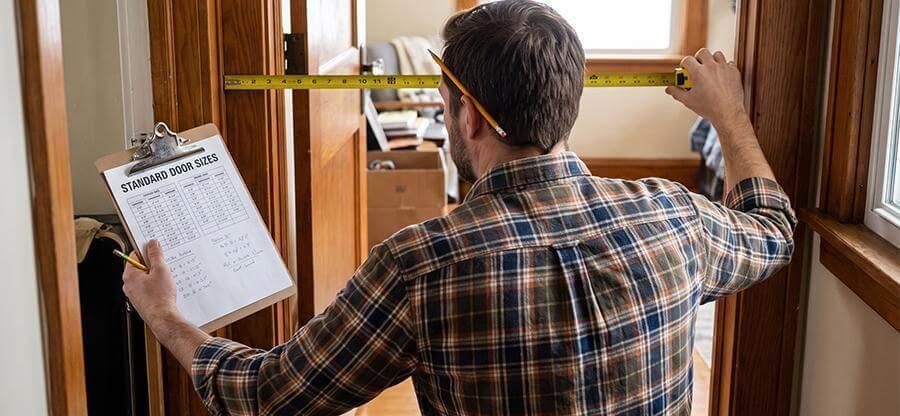
Taking care of your roof, siding, windows, and gutters is not just about curb appeal. It is about protecting your family, your investment, and all the work you have put into making your house feel like home. In this guide, I want to walk through what to watch for and how to approach exterior home renovations with a practical, steady plan.

exterior home renovations

Choosing the Right Exterior Partner

Exterior home renovations rarely stand alone. A home works as a single barrier against the weather, even if updates happen one section at a time. The roof directs rain away, the siding shields the frame, and gutters carry water clear of the foundation.

When one area starts to fail, pressure moves to another. Moisture can slip beneath aging shingles and reach interior walls. Overflowing gutters may wash out soil near the base. These connections often go unnoticed until inside problems appear.

For that reason, it helps to work with professionals who look at the full picture. A roof inspection should include ventilation. Window replacement should account for how trim and siding meet. When the exterior is evaluated as a system, repairs tend to last longer.

Companies like XL Contracting focus on roofing, siding, windows, and gutters as an integrated service rather than isolated fixes. That kind of approach reflects how houses actually function, each layer supporting the next, each detail affecting durability over time.

Start with the Roof

If you are debating where to spend first, start at the highest point of the house. The roof takes the full hit of every season and rarely gets attention until something goes wrong. Sun dries and weakens materials over time. Snow adds weight. Wind tugs at edges and flashing.

Even small branches scraping across shingles can wear them down little by little. Asphalt shingles often last a few decades, though that depends on installation quality and climate. Metal roofing may stretch that timeline, but it is not immune to wear and still needs to be checked now and then.

Most roof issues build quietly. You may notice small granules collecting in gutters or slight color changes in one area. A subtle sag can form along the ridge. Ventilation inside the attic also matters. When heat and moisture linger, roofing materials age faster than expected.

Siding Is More Than Curb Appeal

Siding gets judged for how it looks, but its job goes deeper than color and style. It stands between the structure and rain, wind, and insects. Vinyl remains common because it requires little attention once installed. Fiber cement holds up well against weather and even fire. Wood has charm, though it asks for steady upkeep.

Choosing the right material depends on where you live and how much maintenance you are willing to handle. In storm-heavy areas, durability becomes more than a preference. Insulation is another piece of the puzzle. Some siding products include backing that helps control indoor temperature. That small layer can ease the load on heating and cooling systems, which shows up in comfort long before resale numbers do.

Windows: Quietly Expensive When Ignored

Old windows are easy to tolerate. They still open. They still close. But drafts sneak in. Heating systems work harder. Outside noise seeps through.

Modern windows are designed with multiple panes of glass, often filled with insulating gas between layers. That sounds technical, but the concept is simple: reduce heat transfer. Less heat escapes in winter. Less enters in summer.

If condensation forms between panes, the seal has failed. At that point, efficiency drops significantly. Replacing windows is an investment, but it often improves comfort immediately. Rooms feel steadier in temperature. Bills may ease over time.

home renovations

Don’t Forget the Gutters

Gutters are rarely the focus of renovation conversations. They should be. Their job is to move water away from the home. When they clog or detach, water pools near the foundation or runs down siding.

Small problems like a slight sag can lead to rot or soil erosion. Seamless gutter systems are now common and reduce the risk of leaks at connection points. Gutter guards can help, though they are not maintenance-free despite marketing claims. It’s not the most exciting update. But neither is repairing a cracked foundation.

Timing Matters More Than Trends

Exterior home renovations are not like swapping out throw pillows or repainting a room. Styles shift, but your roof and siding are long-term decisions. A bold color may fade from favor, yet durability stays relevant. When choosing materials, it makes more sense to focus on how they handle weather and age rather than what happens to be trending right now.

Timing also plays a practical role. Prices for materials shift, and contractors get booked quickly after heavy storms. Planning repairs before damage becomes urgent usually means more flexibility and steadier costs. Waiting until you plan to sell can work, but only if wear has not advanced too far. Buyers notice exterior condition right away.

Budgeting Without Panic

Major exterior home renovations has a way of stopping people in their tracks before anything even begins. You see one estimate and immediately start doing math in your head. The totals aren’t minor, and that sticker shock can delay needed repairs longer than it should.

It often makes more sense to phase the work instead of tackling everything at once. Replace the roof now if it’s aging. Plan for windows next year. Leave the siding alone if it’s still solid. Spreading projects out protects your savings and gives you space to think clearly.

Most contractors offer financing, and outside lenders do too, but the terms deserve a slow read. Interest, timelines, warranty coverage; those details add up. The goal isn’t cosmetic perfection. It’s steady protection.

Think Long Term

When it comes to exterior home renovations, I always remind myself that this is about more than looks. It is about protection, comfort, and long term peace of mind. A strong roof, solid siding, efficient windows, and well working gutters all work together to keep our homes safe and comfortable.

You do not have to tackle everything at once. Start where it matters most. Make a plan. Budget thoughtfully. Take care of what needs attention before it becomes an emergency.

As DIY homeowners, we take pride in maintaining and improving our spaces. The outside of your home deserves that same care. When the exterior is strong, everything inside feels more secure, especially when you are listening to heavy rain on the roof and know everything is sealed and protected. And that kind of confidence is worth the effort.

Practical Ways To Regulate Home Temperature Without Raising Your Energy Bills

0 · Feb 16, 2026 · Leave a Comment

Keeping our home comfortable all year has always been important to me. I want my family to feel cozy in the winter and cool in the summer, but I also want to be smart about our budget. Energy bills can sneak up quickly if we are not paying attention.

Over the years, I have learned that staying comfortable is less about expensive upgrades and more about simple habits and thoughtful choices. Small changes around the house can make a big difference. Today I am sharing the practical steps that help our home feel just right without overspending.

Practical Ways To Regulate Home Temperature

The Basics of Home Comfort

When our house starts to feel too cold or too warm, I do not immediately think about replacing equipment. I start by paying attention to how we are actually living in the space.

For example, I noticed that our back bedrooms always felt colder in the winter. Instead of turning up the thermostat for the whole house, I checked the vents to make sure they were open and not blocked by furniture. I also made sure the kids were not closing them without realizing it. That simple check made a bigger difference than I expected.

I have also learned that little daily habits matter more than we think. Leaving blinds open on a hot afternoon can heat up a room fast. Forgetting to change the air filter makes the system work harder than it needs to. None of these fixes are expensive, but together they really affect comfort.

There are times when professional help makes sense. If your system struggles to keep up during extreme weather or starts making unusual noises, it may be worth calling a trusted local company like Len The Plumber Heating & Air to take a look. I see that as part of maintaining our home, just like servicing a car. Staying ahead of small issues keeps everything running smoothly and prevents bigger headaches later.

For me, home comfort is about consistency. I try to keep the temperature steady so our system does not have to work overtime to catch up. When we avoid big swings up and down, the house feels better and our energy bills stay more predictable.

Preparing for Hotter Summers

The summers where we live have definitely felt hotter in recent years. There are more days when the heat seems to stick around from morning until bedtime. On those stretches, I notice our air conditioner working harder than it used to.

Instead of waiting until the first heat wave hits, I try to prepare a little earlier each year. In late spring, we check that our filters are clean and that nothing is blocking the outdoor unit. I also walk around the house and look for small gaps around windows and doors. Sealing those tiny leaks helps keep the cool air inside where it belongs.

On especially hot days, we are more intentional about closing blinds before the sun starts streaming in. That one habit alone can keep certain rooms several degrees cooler. It also helps the system run less often, which shows up on our energy bill.

I cannot control the weather, but I can control how prepared our home is for it. A little planning before summer really does make those long, hot weeks easier on both our family and our budget.

Making Your Home Work Harder In The Heat

If you live in a neighborhood with lots of pavement and closely built homes, you have probably noticed that the heat lingers well into the evening. I have experienced that heavy, trapped warmth that does not seem to go away even after the sun sets.

Because of that, I try to be intentional about how we manage heat during the day.

We keep blinds and curtains closed in rooms that get strong afternoon sun. In a few spots, I have added light colored shades to reflect heat instead of absorbing it. Outside, even simple touches like potted plants near windows or a small shade tree can make a difference over time.

During the hottest part of the day, we keep windows closed to hold in the cool air. Later in the evening, if the temperature drops, we open them briefly to let fresh air move through the house.

None of these changes are complicated. They are small adjustments that help our home work with the weather instead of against it. When we stay consistent with these habits, the house feels more comfortable and our cooling system does not have to work as hard.

Using Zoned Heating and Cooling Wisely

One thing I realized over time is that we do not use every room in our home the same way every day. Heating or cooling the entire house to the exact same temperature is not always necessary.

If you have zoned controls or multiple levels, it helps to focus comfort where your family actually spends time. Closing doors to unused rooms or adjusting settings by floor can lower energy use without sacrificing comfort.

It is a practical way to be mindful of both your budget and lower your carbon footprint.

Simple Steps for Daily Savings

You can improve your home’s efficiency without buying expensive new machines right away. Some of the most effective changes cost little or nothing.

We close blinds when direct sunlight hits the windows.
We set ceiling fans to spin counter clockwise in the summer.
We change air filters at least four times a year.
We keep vents and radiators clear of dust and furniture.

These small tasks keep the system from straining during peak seasons. They also help improve air quality for everyone in the house.

Managing Your Thermostat Settings

Managing Your Thermostat Settings

How you set your thermostat has a direct impact on your monthly bill.

We lower the heat by several degrees at night while we sleep. During the day, we use a programmable schedule that matches our routine. I also avoid turning the dial to extreme settings in an attempt to cool or heat a room faster. It does not work that way, and it only makes the system run longer.

Placement matters too. A thermostat near a sunny window or drafty door can give inaccurate readings, which affects comfort throughout the house.

It takes a little observation to find the right balance, but once you do, keeping settings steady tends to work best.

Regular Maintenance Tasks

Neglecting your furnace or air conditioner usually leads to higher costs later. Small issues can turn into expensive repairs if they are ignored.

I listen for unusual sounds when the system turns on. Banging, rattling, or whistling can signal that something needs attention. We also check the outdoor unit for leaves or debris and keep the area clear.

Taking a few minutes to check these things each season saves time, stress, and money in the long run.

The Impact of Proper Insulation

Insulation quietly does a lot of work behind the scenes. Without it, you are trying to heat or cool the outdoors.

Most heat loss happens through the attic or around older windows and doors. Adding weather stripping is an inexpensive weekend project that can make a noticeable difference. Checking the basement or crawl space for drafts also helps keep floors warmer in the winter.

These improvements may not be glamorous, but they directly affect comfort and efficiency.

Conclusion

Creating a comfortable home does not have to be complicated or expensive. It comes down to paying attention, building good habits, and taking care of what you already have. When we stay consistent with small tasks like adjusting the thermostat, sealing drafts, and maintaining our systems, our home feels better and our bills stay manageable.

For me, home is about creating a space where my family can relax and feel cared for. A steady, comfortable temperature is part of that. With a little planning and a few simple routines, you can enjoy a cozy home all year while staying mindful of your budget.

How to Keep Heating and Cooling Costs Predictable

0 · Feb 15, 2026 · Leave a Comment

When the weather shifts fast, I feel it right away in our home. One week we are cozy in socks, and the next we are grabbing extra blankets or turning on fans. The thermostat gets adjusted more often, and suddenly the energy bill feels like a surprise.

Over the years, I have learned that keeping heating and cooling costs steady is less about big projects and more about simple family habits. A few small changes in how we manage comfort at home make a big difference.

It also helps to have a local HVAC team for routine care. If you are in Southwestern Ontario,for instance, you may run to a local HVAC team like Handy Bros. When our systems run smoothly and our routines stay consistent, our house feels more comfortable and our monthly bills feel much easier to plan for.

man trying to keep cool with electric fans

Photo by Wolrider YURTSEVEN

A Simple Baseline That Helps You Spot Changes

Predictable bills start with knowing what “normal” looks like in your house. That usually means a quick look at past statements and a few notes. You are not chasing perfect math, you are building a steady reference.

A helpful baseline can come from two months you remember clearly. One from heating season and one from cooling season works well. The total cost matters, and so does what life looked like then.

Outdoor temperature is part of the picture, but so is your schedule at home. A stretch of remote work can change run time without any equipment problem. Guests, holiday cooking, and laundry loads can shift things too.

It helps to keep one small checklist in your notes app. Nothing fancy, just details you can compare later. When a bill rises, the checklist keeps the guesswork lower.

Here is a baseline list that stays practical:

  • Thermostat pattern: usual settings, plus any day and night changes.
  • Fan setting: auto or on, and whether it runs during shoulder seasons.
  • Filter timing: the last change or rinse, plus the filter type.
  • Draft spots: one or two rooms that feel off, even on calm days.

Once those basics are tracked, patterns show up sooner. A higher bill plus a clogged filter is a believable match. A higher bill plus a new work schedule is a believable match too.

Thermostat Habits That Feel Normal, Not Strict

A predictable temperature plan is less about the “right” number. It is more about fewer big swings during the day. When the setting jumps a lot, the system works longer to catch up.

Small setbacks can add up across a season, especially when they repeat. The U.S. Department of Energy estimates you can save around 10 percent yearly by setting the thermostat back 7 to 10°F for eight hours a day. That is a guideline, and your comfort still comes first.

Two set points per season often feels realistic for busy homes. One can match “home and awake,” and another can match “sleep or away.” A modest gap usually prevents that harsh catch up cycle.

Humidity matters in summer, and it quietly affects spending. When indoor air feels sticky, people lower the temperature more than they need. Cleaner airflow and a steady fan setting can make rooms feel cooler.

It also helps to avoid constant tiny tweaks during the day. The house takes time to respond, especially in older builds. When the setting changes every hour, the bill often feels less steady.

Home heating and cooling system

Airflow And Maintenance That Keep Run Time Steadier

Airflow is a quiet driver of cost swings, and it is easy to miss. When air cannot move well, the system runs longer and still feels uneven. That extra run time is often where bills start drifting upward.

Filters are the obvious part, but vents and returns matter too. A rug over a register, or a sofa pressed to a return, can add friction. Dusty grilles can also slow air without looking dramatic.

Maintenance becomes more helpful when it is consistent, not reactive. That same logic applies to HVAC maintenance; this WhipperBerry piece on preventive heating services breaks down how minor issues quietly grow into bigger repair costs when routine checks get skipped.

A simple habit that helps is keeping one short service note each visit. It can be a photo of the invoice, or a quick summary in your phone. The goal is being able to compare year to year without guessing.

When a system is acting up, the best information comes from measurements. Things like temperature rise, airflow, and refrigerant checks have real meaning. If your technician explains those numbers clearly, future decisions feel calmer.

Sealing Drafts And Managing Sunlight Where It Counts

If costs still feel jumpy after thermostat habits and airflow improve, the next place is the shell. Tiny leaks around doors and windows add up in cold snaps and heat waves. You often feel it as a draft at ankle level.

A lot of draft control can happen without turning the home into a project zone. The easiest wins usually show up in the rooms you use most. Comfort improves, and the thermostat tends to get touched less.

Door sweeps, weatherstripping, and better window closure often make an immediate difference. Curtains and blinds also matter, especially on sunny winter days. In summer, the same sun can push indoor temperatures up quickly.

It helps to think in terms of “where does the house leak comfort first.” A chilly entry, a bonus room, or an older basement window is a common start. Once those are handled, the rest feels less urgent.

If you like home ideas that feel lived in, this WhipperBerry post on keeping your home warm and energy efficient during cold months fits nicely with this approach. It connects comfort changes with practical home routines, which is where bills often become steadier.

When you want a broader checklist, ENERGY STAR has a solid overview of heating and cooling, including maintenance, duct sealing, and thermostat guidance. It is useful when you are deciding what is worth doing next. It also helps keep decisions grounded in basics.

A Predictable Bill Starts With A Simple Rhythm

For me, keeping energy costs predictable is really about caring for the home we live in every day. It comes down to steady thermostat habits, clear airflow, and paying attention to the little comfort leaks that show up in busy family life.

We do not try to change everything at once. We focus on simple routines that fit into our schedule. When we stay consistent, our home feels comfortable in every season, and our energy bill stops feeling like a surprise. That kind of rhythm brings peace of mind, and that is something every family can appreciate.

  • « Go to Previous Page
  • Page 1
  • Interim pages omitted …
  • Page 9
  • Page 10
  • Page 11
  • Page 12
  • Page 13
  • Interim pages omitted …
  • Page 70
  • Go to Next Page »

Primary Sidebar

Heather from Whipperberry
Hello... my name is Heather and I'm the creator of WhipperBerry a creative lifestyle blog packed full of great recipes and creative ideas for your home and family. I find I am happiest when I'm living a creative life and I love to share what I've been up to along the way... Come explore, my hope is that you'll leave inspired!

Footer

  • Privacy Policy
  • Crafts
  • Food
  • Gifts
  • Holidays
  • Home
  • Mom Life
  • Recipes
  • Travel

Copyright © 2026 · Seasoned Pro