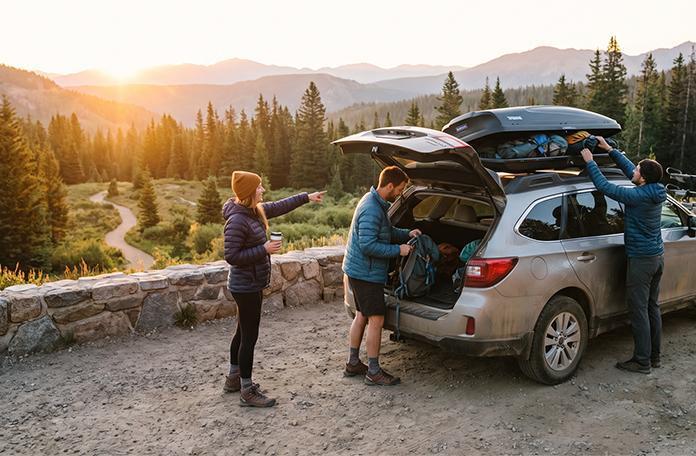
After a long working week, sometimes the best family plans are the ones that come together at the last minute. Pack a few bags, load the kids into the car, fill up the tank, and head somewhere new for the weekend. There’s something special about a spontaneous family road trip that doesn’t require a six-month itinerary or reservations locked in months in advance.
More families are pointing their cars toward mountain passes, backroad forests, coastal routes, and places that don’t always appear on postcards. As a mum, though, spontaneity still comes with a little preparation. When the kids are in the back seat, changing weather and unfamiliar roads are things you want to be ready for. Before setting out on these adventures, it’s important to consider what your vehicle needs to help keep the journey safe and enjoyable for everyone.
Why Road Trips Are More Popular Than Ever
Remote and hybrid work have quietly rewritten the rules of travel. When you’re not tied to a strict work schedule, a weekend adventure can easily stretch into a four-day trip with a laptop tucked in your backpack. This flexibility drives the shift away from crowded airports and packed itineraries toward a slower, more personal experience, one that discovers hidden gems often overlooked by travel shows.
National parks and scenic highways remain popular, but they are no longer the whole story. Travelers are just as likely to end up in a small town they’d never heard of, simply by changing the route, because a side road looked interesting. A road trip can offer something that air travel can’t, and it is the freedom to change your mind. You can just skip a stop, add a detour, or stay one extra night.
The Challenge of Unpredictable Driving Conditions
The forecast predicts a sunny day, but three hours into the drive, the sky over the mountains turns gray, and you begin to see a few raindrops on your windshield. Soon, your wipers are working overtime. This is the trade-off that comes with spontaneous road trips: the same routes that offer stunning views also come with weather that can shift in the blink of an eye.
Travelers who enjoy climbing several thousand feet should be aware that temperatures can fall by 20 degrees in less than an hour. A cold front that was not forecasted the night before can transform a scenic drive into a slow, cautious crawl. Additionally, a passing summer storm can leave backroads slick and covered in debris long after the rain has stopped. If you’re heading to higher elevations later in the season, be prepared for early fall conditions to unexpectedly resemble a light winter.
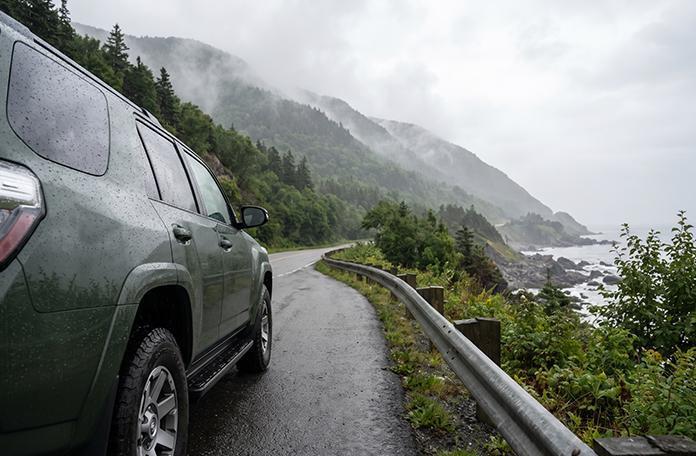
What Makes All Weather Tires Different?
For travelers facing frequent weather changes, all weather tires can be an ideal choice. They occupy a middle ground that didn’t really exist a decade ago. Unlike traditional all season tires, these tires are a true year-round option.
All season tires are mainly designed for moderate, dry to wet conditions, while all weather tires are engineered to perform in both warm summer heat and genuine winter cold, without the need for seasonal tire changes.
All weather tires feature a rubber compound that stays flexible in low temperatures, and the tread pattern is designed to bite into snow and slush, giving drivers better winter traction. These tires also feature a Three-Peak Mountain Snowflake certification, which means they meet specific industry standards for snow traction. For drivers who don’t want the hassle of swapping to winter tires every year and back again in spring, all weather tires offer a practical choice that can handle whatever a spontaneous road trip throws at it.
Benefits for Today’s Road Trip Traveler
For families who enjoy road trips, all weather tires can solve a handful of practical problems at once. These tires add flexibility, since there’s no need to avoid any route just because the forecast looks unpredictable. All weather tires can also give drivers more confidence when road and weather conditions change along the way.
They are convenient, eliminating the seasonal swap that used to be part of the trip preparation. These tires are also cost-efficient, since one tire set can replace the need to buy, store, and rotate. Most importantly, they can offer peace of mind, so families can focus more on the journey and less on changing road conditions.
Simple Vehicle Prep Before Your Next Adventure
A little preparation goes a long way when the destination and the weather aren’t fully predictable. Great tires can be a strong start in this prep, but they’re just one part of getting a vehicle ready for the road. Before your next weekend adventure, run through a quick prep checklist to ensure safety.
- Check tire pressure – Underinflated or overinflated tires affect the vehicle’s handling, cornering, and fuel economy.
- Inspect tread depth – Lower tread depth means longer stopping distance, especially on wet or snowy roads.
- Test brakes – A quick check can lower the chance of bad surprises later.
- Check fluids – Oil, coolant, and washer fluid should all be at the right level.
- Pack emergency supplies – Flashlight, jumper cables, blanket, and a basic first aid kit need to be in your trunk.
- Review weather forecasts – Always look for the whole route, not just the final destination.
- Plan fuel stops – Important once you’re off the beaten path.
- Carry a phone charger – Cell service and battery life can both run out at inconvenient times.
This preparation is quick but transforms a spontaneous trip into a well-prepared one, with tires playing a crucial role in safety.
Conclusion
What makes a family road trip so appealing is the freedom it offers. There is no fixed itinerary, and sometimes the best memories come from an unexpected stop, a change of plans, or a place you didn’t know you would discover until you got there. As a mum, it’s much easier to enjoy that freedom when I know we’ve taken a few simple steps to prepare the car before leaving home.
All weather tires can take one concern off the list, while a quick vehicle prep checklist helps make sure the basics are covered. Once those practical details are taken care of, there’s more time to focus on what the family road trip is really about: enjoying the journey, spending time together, and seeing where the road takes you.