Comfort at home means more than having pretty furniture or trendy design. For busy families in Bellevue and beyond, long-term comfort comes from making thoughtful home upgrades that support how you live each day with your kids. When your space works well for family routines you spend less time dealing with daily frustration and more time enjoying moments together.
Whether you are adjusting layouts, updating systems, or adding features that improve function, the right upgrades can help your home feel easier to live in and more family friendly. In this guide, we will share simple and practical home upgrades that help create a more comfortable life for your whole family.
Here’s how you can get started:
Understand Why Comfort-Driven Upgrades Matter
A more comfortable environment leads to smoother routines and fewer daily frustrations. Small changes—like improved lighting, better floor plans, or convenient built-ins—can add up quickly. Instead of focusing on visual appeal alone, think about how a space supports rest, movement, and ease.
Upgrades that prioritize comfort also tend to be more energy-efficient and less stressful to manage. You’re not just making things look better—you’re making them work better. Planning ahead and working with experienced remodelers can lead to smart upgrades that stand the test of time. The goal is to invest in features that make everyday living more enjoyable and easier to manage.
Interior Design Services That Put Comfort First
In Bellevue, it’s common to find homes that blend beauty with purpose. Many residents work with full-service design teams that help customize every detail of a remodeling project. A Bellevue interior remodeling company can help with concept planning and 3D renderings to complete remodels that include layout adjustments and finish selections.
Their work covers everything from kitchen redesigns to spa-style bathrooms, offering guidance at each step. They take time to understand your goals, which helps them deliver designs that look good and function even better.

Kitchen Upgrades That Improve Everyday Life
The kitchen is where many people start their remodeling journey. Replacing outdated layouts with open, functional designs can improve everything from meal prep to cleanup. Upgrades like slide-out pantry shelves, soft-close drawers, and motion-sensor faucets make everyday tasks smoother. Adding better lighting, especially under cabinets, can reduce eye strain and help you move around with ease.
Countertops that resist stains and scratches are worth considering if you cook often. Appliances that combine performance with energy savings also contribute to long-term satisfaction. Every element plays a role, so it’s smart to work with professionals who know how to balance style with practical upgrades.
Bathroom Installations That Add Function and Ease
Bathrooms tend to get overlooked until something becomes inconvenient. Simple changes, like replacing a tub with a walk-in shower or adding double vanities, can help reduce clutter and improve your daily routine. Many people also install heated floors or better ventilation to add comfort and control humidity.
Upgrading tile, faucets, and lighting not only enhances appearance but also improves safety. Choosing fixtures with clean lines and easy-to-clean finishes can cut down on regular scrubbing. With the right planning, your bathroom can go from cramped and outdated to functional and relaxing. It’s one of the most valuable areas to upgrade for comfort.
Windows and Insulation: Climate Control You’ll Appreciate Year-Round
Older windows and poor insulation can lead to constant temperature swings and higher energy bills. If you’re tired of cold drafts in winter or hot spots during summer, this is one area that makes a real impact.
Installing double-pane or low-E glass windows helps manage indoor temperatures while reducing outside noise. Insulation upgrades—whether in walls, attics, or floors—can also improve comfort and lower costs over time. These updates make your space feel more stable and pleasant all year. You don’t need major renovations to notice the effects. Even moderate upgrades in this area can support more comfortable, efficient living.
Flooring That Feels Right and Lasts Longer
Flooring sets the tone for every room and plays a key role in how your space feels. Durable options like luxury vinyl plank, tile, or engineered hardwood can handle daily wear and still look great. Choosing materials that resist scratches and moisture will save time and stress down the road.
Comfortable underfoot textures and low-maintenance finishes are ideal if you have kids or pets. Don’t forget the importance of good subflooring—especially in kitchens or bathrooms where water is a concern. With proper installation, quality flooring helps your space stay cleaner, quieter, and more enjoyable to move through every day.
Smart Home Features That Keep It Simple
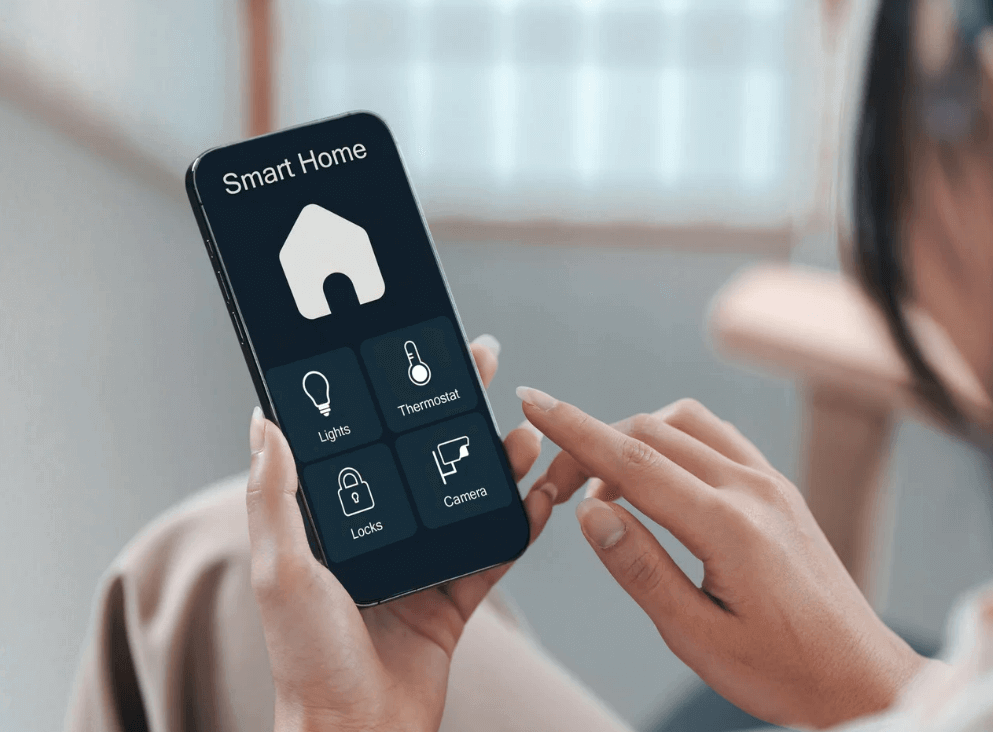
Smart technology is more than just a trend. It’s a practical way to make life easier. Devices like Wi-Fi thermostats, app-controlled lights, and smart door locks offer added convenience and peace of mind. You can program your lighting to follow your schedule or adjust temperatures remotely, even while you’re away.
Smart outlets and sensors help monitor energy use and add safety to your daily setup. These tools are easy to install and often integrate well with existing systems. By bringing more control to your living spaces, you reduce the hassle and increase long-term usability without overcomplicating things.
Better Layouts for Flexible Living
Your space should support how you live—not get in the way of it. That’s why layout changes can be such a powerful upgrade. Maybe it’s time to remove a wall that blocks light, or turn an unused formal dining room into a home office or creative studio.
Creating flexible zones gives you more ways to enjoy your environment without expanding the footprint. Whether you want open-concept living or dedicated quiet zones, adjustments to flow can make your space feel bigger and more accommodating. This kind of redesign isn’t about chasing trends—it’s about creating areas that fit your life.
Conclusion
Making your home more comfortable for your family does not happen by accident. It takes thoughtful upgrades that help your space support everyday life now and in the future. Whether you are refreshing a bathroom, opening up your floor plan, or adding smart features that make daily tasks easier, each improvement can make a real difference.
You don’t have to do every project at once. Even small changes, when chosen with care, can help your home feel more relaxing, functional, and ready for family memories. With a solid plan and support from trusted professionals, your home can become a place that feels great for your family today and for years to come.