• Skip to primary navigation
  • Skip to main content
  • Skip to primary sidebar
  • Skip to footer

Whipperberry

WhipperBerry • Your Home For Creative Inspiration

  • Home
  • Recipes
    • Starters
    • Easy Weeknight Dinners
    • Main Dish
    • Salads
    • Side Dish
    • Soups & Stews
    • Desserts
    • Breakfast
    • Miscellaneous
  • Tutorials
    • Creative Crafts
    • DIY Decor
    • Fabric Crafts
    • Food How-To
    • Jewlery
    • Paint Projects
    • Paper Art
    • Party Styling
    • Photography and Graphic Design
    • Silhouette
  • Holidays
    • Easter
    • Mother’s Day
    • Father’s Day
    • 4th of July
    • Halloween
    • Thanksgiving
    • Christmas
    • Valentine’s Day
  • Gift Ideas
    • Gifts For Everyone
    • Gifts for Dad
    • Mother’s day
    • For The Girls
    • For The Kids
    • Teacher Gift Ideas
    • Christmas
  • Printables
    • Holiday
    • Gift Idea
    • LDS Primary
  • Travel
  • About
    • Terms
  • Contact
  • Nav Social Menu

    • Facebook
    • Instagram
    • Pinterest
    • RSS
    • Twitter

Food

Best Ways to Enhance Your Home with Flooring

0 · Jan 11, 2026 · Leave a Comment

Your floors take a beating. Kids run across them. Pets scratch them. Furniture scrapes them. Yet somehow, flooring gets treated like an afterthought during home renovations.

Most people pick paint colors and furniture first. They leave the floors for last. That’s backwards. Your floors cover more square footage than anything else in your home. They set the mood for every room you walk into. Get them right and everything else falls into place.

Types of Flooring Materials

Different rooms need different flooring. What works in your kitchen might be terrible for your bedroom. Cost matters too, but so does how you actually live in your space.

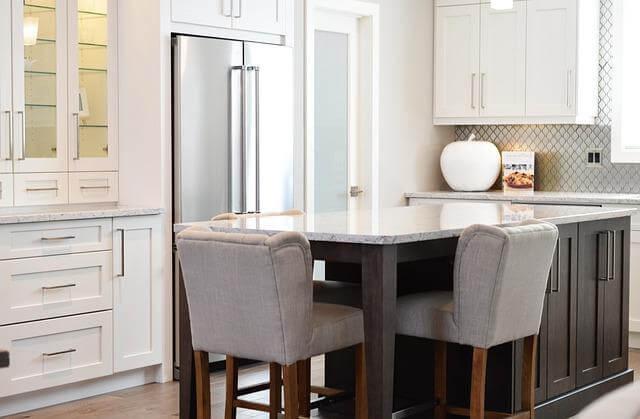
Modern kitchen with white cabinets and black stovetop oven

Wood Options That Last

Hardwood floors can last 100 years if you treat them right. Real wood adds value to your home. It also feels warmer under your feet than tile or laminate. Engineered wood uses real wood on top with plywood underneath. It handles moisture better than solid hardwood. This makes it perfect for basements or areas where humidity swings happen.

Budget Friendly Alternatives

Laminate looks like wood but costs half as much. Modern vinyl planks fool most visitors into thinking they’re real wood. Tile belongs in bathrooms and kitchens where spills happen daily. Some vinyl products now come with lifetime warranties. That’s hard to beat for peace of mind.

Dark Wood Floors Create Drama and Warmth

Light floors show every speck of dirt. Dark floors hide the mess between cleanings. They also make furniture pop against them. Walk into any high end home and you’ll likely see dark floors.

Many homeowners find https://www.reallycheapfloors.com/shop/dark-wood-floors/ offers solid and engineered versions that fit their needs. Walnut gives you deep brown tones. Mahogany leans reddish. Dark oak sits somewhere in between. Each wood species has its own grain pattern. Some are straight and uniform. Others look wild and organic.

Picking the Right Finish

Matte finishes hide scratches way better than glossy ones. They also look less fake under bright lights. Hand scraped wood adds texture that makes your floors look custom. Site finished floors let you pick any stain color you want. Factory finished planks limit your choices but install faster.

The Dust Problem Nobody Mentions

Dark floors show every piece of lint and pet hair. You’ll sweep more often than you did with lighter floors. Some people hate this. Others think the elegant look makes up for it. Light colored walls help balance out dark floors. Without that contrast, rooms feel cave-like.

Getting Your Space Ready

Ripping out old flooring reveals all sorts of surprises. Squeaky subfloors. Uneven spots. Sometimes even water damage nobody knew about. Fix these problems now or they’ll haunt you later.

Your subfloor needs to be flat within 3/16 inch over 10 feet. That’s the industry standard for hardwood. Use a leveling compound for dips. Sand down the high spots. This prevents gaps that let cold air through and make floors squeak.

Let Your Wood Adjust

Wood flooring ships from warehouses with different humidity levels than your home. Leave the boxes in the room for three to five days before installing. The planks will expand or contract to match your indoor air. Skip this step and you’ll get gaps in winter or buckling in summer.

The EPA warns that new flooring releases chemicals into your air. Open windows during installation. Run fans for a few days after. Some products off-gas more than others. Check the label if you’re sensitive to smells.

How to Install Different Floor Types

Three installation methods cover most flooring projects. Each one needs different tools and skill levels. Pick wrong and you’ll waste time and money.

Nail Down vs. Floating vs. Glue Down

Nail down works only for solid hardwood over wood subfloors. You need a pneumatic nailer that costs a few hundred bucks. Floating floors snap together like puzzle pieces. No glue or nails needed. Most DIYers can handle this method. Glue down creates the most stable floor. It also makes a permanent mess if you ever want to remove it.

Here’s what you’ll need for a floating floor install:

  • Circular saw or miter saw for cuts
  • Tapping block to snap planks together
  • Pull bar for the last row
  • Spacers to maintain expansion gaps
  • Knee pads because your knees will hurt

Planning Your Layout Matters

Start your first row along the longest wall. This makes the room look bigger. Leave a half inch gap around all edges for expansion. Wood moves with the seasons whether you like it or not. Hide your worst cuts under baseboards or inside closets.

Some manufacturers void warranties for DIY installs. Read the fine print before you start. Professional installers cost more upfront. They also finish faster and fix mistakes you’d make as a beginner.

Keeping Floors Looking Good

Daily sweeping beats occasional deep cleaning. Grit acts like sandpaper under your feet. It slowly wears down the finish. Stop dirt at the door with good mats.

Damp mop weekly with the right cleaner for your floor type. Too much water ruins wood floors. It seeps between cracks and causes swelling. Furniture pads cost five bucks and prevent hundreds in scratch repairs. Pet owners should trim nails every two weeks.

When to Refinish

Solid hardwood can be sanded and refinished seven to ten times. That means your floors could outlive you. Engineered wood has a thinner top layer. You get one or two refinishes max before hitting plywood. Some engineered products can’t be refinished at all.

Sunlight fades floors near windows. Rotate rugs twice a year so everything ages evenly. Close blinds during peak afternoon sun. These habits add years to your floor’s life.

Open door revealing living room and dining room hardwood floors

Time to Choose Your Flooring

Visit a showroom before buying anything online. Photos lie about color and texture. Bring paint samples and fabric swatches from your home. Check how everything looks together under store lights and natural light.

Most places let you take home sample planks. Live with them for a few days. Look at them in morning light and evening light. Make sure you actually like them before ordering 1000 square feet.

Budget for both materials and installation. Cheap floors installed poorly look worse than good floors installed right. Your floors support your furniture, your family, and your daily life. They deserve a real investment.

Exploring the Nutritional Value of Flourless Lentil Bread

0 · Jan 10, 2026 · Leave a Comment

If you’re looking for a bread with the real nutrition value, you might want to consider making some flourless lentil bread.

Bread made without flour has gained massive popularity over the last years in the healthy baking industry, and it’s no secret to anyone why it’s this way. A swap from the original recipes can deliver proteins, fiber, and a variety of different nutrients that most bread cannot offer.

Making a simple recipe for flourless lentil bread at home is not that difficult. It does not require you to gather many different ingredients and rather on the opposite. Let’s find out why this kind of bread is so beneficial and nutritious.

What to Know About Flourless Lentil Bread?

1. It’s Different

The main difference between the original bread recipes and this one is the fact that they leave out the most important ingredient in the regular baking – the wheat flour. Flourless lentil bread recipes instead of the first main ingredient use soaked and blended lentils.

This can actually create a base that’s naturally gluten-free, which makes it hold together properly when being baked.

There is something that makes this bread special.

When the lentils are soaked and mixed with a few other necessary ingredients and a bit of baking, it will provide a dense and moist bread that has an earthy flavor and goes well with both sweet and savory toppings.

There’s no kneading required. It also does not need to wait until it rises. Also, there are no special techniques to learn in order to make it. The result of making flourless lentil bread will always be the same.

2. Nutritional Breakdown

As we already have learned, it’s where flourless lentil bread really shines.

Lentils are very nutritious. According to research published in Legume Science, one cup of cooked lentils can provide about 15,6 grams of fiber, which already completes about 62% of your daily requirements.

One regular serving of lentil bread usually contains:

  • High-quality plant protein
  • Complex carbohydrates that will give you the needed energy
  • Iron and folate
  • Magnesium and potassium
  • B vitamins that are essential for your body’s metabolism

The amount of protein is what really makes this bread so popular and delicious. Lentils contain approximately 25% of protein by weight. This means that every single slice you take from your baking will provide you with this nutritious ingredient that is necessary for your body and will keep your hunger pangs away for many hours to come.

If we compare the two types of bread, the regular one and flourless, most commercial options contain empty calories with almost no protein or fiber. The bread without flour offers the opposite. Every bite that you take actually contributes to the value of your daily intake.

3. Health Benefits

There are other health benefits of this baking option that should be taken into consideration.

Blood Sugar Management

One of the facts is that lentils have a very low glycemic index of 29. As you may know, a higher the value is, the higher spike in the blood sugar levels will be after eating. By creating lentil bread, you automatically decrease the number and offer your body and brain much more stable and slow nutrient delivery.

Digestive Health

As we already have said, the fiber in lentils does more than just fill you up. It also feeds the beneficial bacteria in your gut, as well as helps you maintain regular bowel movements. Having a healthy microbiome in your gut is related to almost everything, from the improved immunity to even better mental health.

Flourless lentil bread can help you get this fiber in an easier and tastier package.

Heart-Friendly Nutrition

This bread contains a few other nutrients that are essential for supporting your heart. As an example, the potassium in lentils is needed to maintain a healthy blood pressure level, whereas the fiber helps you maintain a normal level of cholesterol. At the same time, the lack of processed ingredients means that there is no added salt and no hidden sodium in this kind of bread.

Do you see how impressive it can be for such a simple bread?

4. Regular Bread vs. Flourless Lentil Bread

There are a few important differences between the usual bread and the flourless option.

Regular white bread is based on refined flour, which is stripped of the nutrients during the manufacturing process. The producers do add some synthetic vitamins and minerals, but their bioavailability will never be the same as in the case of whole foods.

Flourless lentil bread does not make it. It actually keeps everything. Lentils add their nutritional profile to the mix.

The most important differences are:

  • More protein in every slice
  • Higher fiber content
  • Lower glycemic effect
  • Naturally gluten-free
  • No refined ingredients

This also makes the gluten-free bakery market to continuously develop, as the consumer’s interest is rising. For example, according to Grand View Research, this market reached the mark of USD 772,5 million by 2024 and will continue growing, as more and more people become aware of what they actually eat.

5. Get the Best Results

If you decided to make flourless lentil bread at home, it would be essential to pay attention to a few details.

Soak Lentils Properly

This is a process that should not be skipped, as it softens lentils and allows them to be well-blended into a smooth batter. Usually, there are at least two hours of soaking required by the majority of recipes. But, to be honest, the best is to leave it overnight for the optimal texture.

Blend Until Completely Smooth

The presence of chunks of lentils that have not been blended well enough will cause unevenness in the finished bread. So, the time you will spend on the blending process will be rewarded. The batter needs to look completely uniform.

Baking Time

As mentioned before, lentil bread bakes differently than the original one. The outside may look as though it is completely done, while the inside may still be underdone. In order to make sure that the center is baked as well as the rest, it is better to use a toothpick to check it. It should come out clean before you take the bread out of the oven.

Cool It Completely

This is very important. Cutting it too early will only make the bread texture gummy. It should cool on the wire rack for at least half an hour before you can slice it. Trust me, the texture will become much firmer after the resting period.

Storage

Flourless lentil bread is good for about three days at room temperature when it is stored in an airtight container. But, if you need it for a longer period of time, slice it and freeze it. The portions will thaw fast in the toaster or in the microwave.

lentil bread

Conclusion

Flourless lentil bread is something truly special in the industry of healthy baking. This option is able to provide a good amount of protein, fiber, and other essential nutrients that other bakes often lack.

Some of the most important nutritional benefits of this product are:

  • The high content of protein that is necessary for you to have a sustained amount of energy
  • Fiber that can help your body maintain a healthy digestive system
  • Low glycemic impact for blood sugar levels to be stable
  • A number of vitamins and minerals
  • Gluten-free properties that are a crucial element nowadays

It is not difficult to make this bread at home. It takes almost no effort and requires a small amount of ingredients and kitchen tools. For those of you who are seriously thinking about improving their bread game, flourless lentil bread recipes and all their options and flavors should be taken into consideration.

Nutrition will speak for itself. The taste will provide you satisfaction. The simplicity will make this baking choice available to all skill levels. All that is left to do is to try it for yourself.

10 Things Every Home Emergency Binder Needs

0 · Jan 10, 2026 · Leave a Comment

Emergencies rarely give advance notice. Whether it’s a wildfire evacuation, medical crisis, power outage, or an unexpected call from school, having critical information in one place can save time and reduce panic.

That’s where a home emergency binder comes in. In 2025, more households are turning to organized, easy-to-grab binders as part of their preparedness plans and for good reason.

A well-built binder acts as a central hub for information your family might need when stress levels are high and decisions need to be made quickly. Below are 10 things every home emergency binder needs, with practical tips to keep it both functional and family-friendly.

1. Emergency Contacts and Legal Support Numbers

This section should come immediately after your introduction page, so it’s the first thing anyone sees when opening the binder.

Include:

  • Immediate family contact details
  • Out-of-area emergency contact
  • Local police and non-emergency numbers
  • Family attorney or legal aid
  • Trusted neighbors or nearby relatives

For California households, it can also be helpful to include legal support resources for unexpected situations.

For example, families may want a simple reference that explains the local bail process and where to post bail in Riverside County if an emergency arrest occurs. Having this information prepared ahead of time helps avoid frantic searching and reduces stress during an already difficult moment.

Home Emergency Binder

Source: Copilot

2. Insurance Policies and Claim Information

Insurance paperwork is often scattered across emails, apps, and filing cabinets. In an emergency, you want quick access.

Your binder should include:

  • Homeowners or renters insurance
  • Auto insurance
  • Health insurance cards and policy numbers
  • Photos or PDFs of policy declarations

Tip: Add a one-page summary listing policy numbers and claim phone lines so you don’t have to flip through full documents.

3. Medical Information for Each Household Member

This is especially important for families with children, seniors, or anyone managing a chronic condition.

Include:

  • Current medications and dosages
  • Allergies
  • Medical conditions
  • Primary care physician and pharmacy
  • Copies of insurance cards

Store this section in clear sheet protectors so it can be updated easily as medications change.

4. School and Childcare Pickup Authorizations

During evacuations or unexpected closures, schools and childcare centers will only release children to approved adults.

This section should contain:

  • Copies of pickup authorization forms
  • School and daycare contact information
  • Class schedules and teacher names

If a trusted friend or relative is authorized for pickups, list their contact details clearly.

5. Pet Care Instructions and Records

Pets are often overlooked in emergency planning, but responders or helpers may need clear guidance.

Helpful items include:

  • Feeding schedules and food brand
  • Medication instructions
  • Vaccination records
  • Vet contact information
  • Microchip or license numbers

A short “Pet Care Quick Notes” page can make a big difference if someone else is caring for your animals temporarily.

6. Utility Shutoff Instructions

Knowing how to shut off utilities can prevent further damage during fires, earthquakes, or flooding.

Add:

  • Photos or diagrams showing gas, water, and electrical shutoffs
  • Step-by-step instructions
  • Emergency utility contact numbers

This section is particularly valuable for babysitters, house sitters, or relatives unfamiliar with your home.

7. Evacuation Routes and Meeting Points

In fast-moving emergencies, clarity matters.

Include:

  • Primary and secondary evacuation routes
  • Pre-determined family meeting locations
  • Local shelter information

Consider adding printed maps in case mobile data is unavailable.

8. Copies of Identification and Important Documents

You don’t need originals, but copies can be essential for recovery and verification.

Recommended copies:

  • Driver’s licenses or state IDs
  • Passports
  • Birth certificates
  • Marriage or custody documents

Keep these in a sealed plastic sleeve to protect against moisture.

9. Household Inventory and Photos

A basic home inventory can help speed up insurance claims after loss or damage.

Include:

  • Photos of major rooms
  • Serial numbers for electronics
  • High-value items with receipts (if available)

This doesn’t need to be exhaustive – clear documentation is more important than perfection.

10. Quick-Reference Emergency Checklist

End your binder with a simple, calming checklist that outlines what to grab or do in the first 5–10 minutes of an emergency.

Emergency Checklist

Examples:

  • Grab binder, phones, chargers
  • Secure pets
  • Shut off utilities if safe
  • Contact out-of-area family

Many families design this page with printable dividers or a DIY cover that matches a clean, cozy aesthetic, something in line with WhipperBerry’s style, so the binder feels approachable rather than intimidating.

Final Thought

A home emergency binder isn’t about preparing for worst-case scenarios. It’s about creating calm through organization. When information is easy to find, families can focus on safety, communication, and next steps instead of scrambling for paperwork.

Once assembled, review your binder every six to twelve months to keep details current. It’s a small investment of time that can make a meaningful difference when it matters most.

Can Breast Reduction Relieve Back and Shoulder Discomfort?

0 · Jan 10, 2026 · Leave a Comment

If you’re a mom dealing with daily back or shoulder pain, you know how hard it can be to keep up with everything — chasing kids, lifting car seats, managing the never-ending to-do list. For many women, especially after pregnancy or nursing, larger breasts can add to the physical strain. It’s no surprise that breast reduction surgery is something more moms are considering as a way to feel better in their own bodies.

Maybe you’ve wondered if it really works. Can it actually ease the pain and help you move more comfortably through your day? The short answer is yes. Breast reduction can offer real relief when it’s done with care by an experienced surgeon. Many women notice less tension in their shoulders, better posture, and more freedom in everyday movement.

Here’s how it works and why it might be worth exploring.

Basics of Breast Reduction

Before exploring how breast reduction can help with physical discomfort, it often helps to understand what the procedure involves. In simple terms, it is a surgical procedure that decreases breast size by removing excess tissue, fat, and skin. It is also called reduction mammaplasty. Beyond making the breasts smaller, the goal is to create a shape that feels balanced, supported, and comfortable. Breast reduction surgeries vary in technique depending on the patient’s anatomy and goals, so understanding the available approaches can help set realistic expectations before any consultation.

Trusted centers providing breast reduction in Beverly Hills, such as PERK Plastic Surgery, guide the procedure with detailed preparation. Board-certified surgeons study breast structure and body proportions before making any surgical plan. During surgery, excess weight is removed, the nipple is repositioned for a natural placement, and the remaining tissue is shaped to create a smooth contour.

The operation is performed under anesthesia in a controlled medical environment. Incisions are carefully planned to allow precise tissue removal and reshaping. This helps support safe surgery and well-structured results. Recovery is usually straightforward. It often involves one to two weeks of focused rest, supportive garments, and a gradual return to normal activities as healing progresses.

Breast Reduction

How Breast Reduction Helps With Back and Shoulder Discomfort

Large breasts place continuous weight on the upper body. Over time, this weight pulls the shoulders forward and adds strain to the neck and upper back muscles. The body works harder to maintain posture, which can lead to tightness, soreness, and tension that does not easily fade. Bra straps also dig into the shoulders, creating grooves and pressure points that add to discomfort.

By reducing breast volume, the surgery helps make the constant load lighter. The shoulders no longer bear the same downward pull. The spine can return to a more natural alignment. Muscles that were under daily strain gain a chance to relax. Many women describe feeling physical relief that extends beyond the chest area and into the neck, shoulders, and back.

Several changes typically contribute to this improvement:

  • Less forward weight pulling on the shoulders and spine
  • Reduced shoulder strap pressure and indentation
  • Improved posture support through better weight distribution
  • Easier movement during daily tasks and exercise
  • Less skin irritation beneath the breast fold

Relief is not only physical. Clothing fits more comfortably. Activity feels easier. Simple routines such as carrying groceries, playing with children, or sitting at a desk become less taxing. Over time, posture can improve as the body no longer compensates for excess front weight.

While results vary from person to person, the surgery has consistently shown strong potential to reduce chronic discomfort tied to breast size. For many, it becomes a turning point toward long-term comfort.

Is Breast Reduction Right for You?

Not every woman with back or shoulder discomfort will choose surgery, and that is completely valid. Breast reduction is a personal decision. It may be worth exploring if persistent pain affects daily life, physical activity feels limited, or supportive garments no longer provide relief.

Good candidates are generally in overall stable health and have realistic expectations. A consultation helps assess body structure, breast composition, and symptom history. It also provides space to ask questions and understand recovery needs.

This choice is not about chasing trends. It is about comfort, function, and feeling at ease in your body. Taking time to gather information helps make the decision feel clear and confident.

Wrapping Up

Breast reduction is more than a cosmetic decision — for many moms, it’s about reclaiming comfort and confidence. When large breasts cause daily pain or limit your ability to move freely, surgery can offer a new kind of relief. By reducing the physical burden, many women feel lighter, more balanced, and better able to keep up with the demands of everyday life.

If you’re tired of feeling weighed down and want to feel more at ease in your body, learning about your options is a great first step. A thoughtful, well-planned breast reduction can help you move through motherhood with a little more freedom and a lot less discomfort.

Why BOTOX Is Still One of the Most Trusted Anti-Aging Treatments Today

0 · Jan 9, 2026 · Leave a Comment

Between school drop-offs, work meetings, and everything in between, finding time for yourself can feel nearly impossible. That’s why many moms look for beauty treatments that are quick, effective, and natural-looking. One treatment that continues to stand the test of time? BOTOX.

While trends in skincare and beauty come and go, BOTOX remains one of the most trusted options for softening fine lines and refreshing your look—without the need for surgery or long recovery times. It’s a go-to for many women, including moms. In fact, according to the American Society of Plastic Surgeons, more than 4 million treatments were performed in the U.S. in 2023 alone, including in smaller cities like Conroe. And that number only keeps climbing. 

With a legacy that spans decades, this injectable continues to hold its place as one of the most trusted cosmetic treatments in the world. So what makes BOTOX stand the test of time? Is it science, subtlety, or something deeper?

What Makes Botox The Most Trusted Anti-Aging Treatment

Reason 1: Delivers Effective Yet Natural-Looking Results

One of the biggest reasons BOTOX continues to be trusted is how well it improves the look of the face without announcing itself. Fine lines and expression wrinkles can gradually make features look heavier or more fatigued. The injectable helps soften these effects, allowing the face to appear smoother and more relaxed while still moving naturally.

Even more impressive is how natural the outcome can look with the right approach. Leading practices offering BOTOX in Conroe, such as SGK Plastic Surgery, focus on customization rather than routine dosing. Treatment begins with an in-depth assessment of facial structure, muscle strength, and how the face moves at rest and in expression. This careful planning allows for precise treatment, enhancing the face without making changes feel obvious or overdone.

why Botox is Trusted Anti-Aging Treatment

Reason 2: Can Be Used Across Multiple Facial Areas

BOTOX is trusted not only because it works, but because it works in many different areas of the face. It is far more versatile than many people realize, which allows treatments to be tailored based on individual concerns rather than a fixed template.

Depending on your goals, the injectable is commonly used to address:

  • Forehead lines that deepen with repeated expressions
  • Frown lines between the brows that can make the face appear tense or tired
  • Crow’s feet that form around the eyes when smiling
  • Subtle brow heaviness that affects facial balance

This flexibility makes the injectable approachable for both first-time patients and those maintaining long-term results. Treatments can be conservative, targeted, and adjusted over time as facial needs change.

Reason 3: Fits Seamlessly Into Modern Lifestyles

In a world where convenience matters, BOTOX fits easily into modern routines. Appointments are typically quick, often taking less than half an hour from start to finish. There is no need for extended downtime, and most people return to their normal activities the same day.

This ease has made the injectable especially appealing to busy professionals, parents, and anyone juggling multiple responsibilities. It feels less like a major cosmetic decision and more like a practical self-care choice. Something you can do quietly, without disruption, while still seeing visible benefits.

Reason 4: Works for Both Prevention and Visible Aging

Another reason the injectable continues to earn trust is its adaptability across different stages of aging. Some people use it preventively, addressing muscle movement early to help delay the formation of deeper lines. Others turn to it later to soften wrinkles that have already become more noticeable.

Both approaches are valid. What matters is timing and technique. BOTOX can be adjusted in dosage and placement to match where you are now, not where you think you should be. This flexibility helps remove the pressure of being “too early” or “too late” and keeps the focus on what feels right for you.

Trusted Anti-Aging Treatment

Reason 5: Has a Long Track Record of Safety

Botox has earned trust through time, research, and experience. It is FDA-approved for cosmetic use and supported by decades of clinical studies and widespread application. When administered by qualified medical professionals, its safety profile and outcomes are well understood.

While new aesthetic treatments appear regularly, BOTOX remains a constant because of its reliability. Patients feel confident knowing what results to expect, and providers rely on proven techniques to deliver subtle, appropriate improvements. This combination of regulatory approval and long-term use helps explain why it continues to lead the field.

Conclusion to Draw

Beauty trends will always evolve, but BOTOX has proven it is more than a passing phase. Its ability to deliver subtle results, adapt to different facial needs, and fit seamlessly into everyday life has kept it relevant year after year.

As a mom, you’re constantly doing so much for everyone else. Choosing a self-care option like BOTOX can be a simple, effective way to focus on yourself for once—without a big time commitment or dramatic changes. It’s trusted for a reason: the results are subtle, the treatment is quick, and it can help you feel refreshed and confident in your own skin.

When approached thoughtfully and with realistic expectations, BOTOX remains a trusted option for looking refreshed while still feeling like yourself.

  • « Go to Previous Page
  • Page 1
  • Interim pages omitted …
  • Page 50
  • Page 51
  • Page 52
  • Page 53
  • Page 54
  • Interim pages omitted …
  • Page 450
  • Go to Next Page »

Primary Sidebar

Heather from Whipperberry
Hello... my name is Heather and I'm the creator of WhipperBerry a creative lifestyle blog packed full of great recipes and creative ideas for your home and family. I find I am happiest when I'm living a creative life and I love to share what I've been up to along the way... Come explore, my hope is that you'll leave inspired!

Footer

  • Privacy Policy
  • Crafts
  • Food
  • Gifts
  • Holidays
  • Home
  • Mom Life
  • Recipes
  • Travel

Copyright © 2026 · Seasoned Pro