• Skip to primary navigation
  • Skip to main content
  • Skip to primary sidebar
  • Skip to footer

Whipperberry

WhipperBerry • Your Home For Creative Inspiration

  • Home
  • Recipes
    • Starters
    • Easy Weeknight Dinners
    • Main Dish
    • Salads
    • Side Dish
    • Soups & Stews
    • Desserts
    • Breakfast
    • Miscellaneous
  • Tutorials
    • Creative Crafts
    • DIY Decor
    • Fabric Crafts
    • Food How-To
    • Jewlery
    • Paint Projects
    • Paper Art
    • Party Styling
    • Photography and Graphic Design
    • Silhouette
  • Holidays
    • Easter
    • Mother’s Day
    • Father’s Day
    • 4th of July
    • Halloween
    • Thanksgiving
    • Christmas
    • Valentine’s Day
  • Gift Ideas
    • Gifts For Everyone
    • Gifts for Dad
    • Mother’s day
    • For The Girls
    • For The Kids
    • Teacher Gift Ideas
    • Christmas
  • Printables
    • Holiday
    • Gift Idea
    • LDS Primary
  • Travel
  • About
    • Terms
  • Contact
  • Nav Social Menu

    • Facebook
    • Instagram
    • Pinterest
    • RSS
    • Twitter

Food

Best Family Activities for Beachside Getaways

0 · Oct 21, 2025 · Leave a Comment

Mornings by the water start early, and families feel that pull. Kids want swims and sand, parents want calm routines. A strong plan moves you from breakfast to your first splash without friction. The best trips mix simple structure, short outings, and easy wins.

Waterfront spots near Fort Lauderdale give families many choices within a short drive. If you want the beach within reach, you can book a beach house in Fort Lauderdale and still spend time at nearby lakes and canals. That location makes quick outings possible with kids and grandparents. Keep days balanced, and leave room for naps and snacks.

Plan Water Time That Fits All Ages

Kids have different comfort levels in open water, so set sessions by age and mood. Start with short swims near lifeguards or marked areas, then extend if energy stays high. Rotate shallow play, kayak floats, and shady breaks. The mix keeps interest up and meltdowns down.

Scout gentle entry points before your first full day. Look for calm coves, park lagoons, or protected canals. In the Fort Lauderdale area, families combine ocean mornings with lagoon afternoons. That variety keeps sun and wind manageable. It also spreads crowds and gives you more parking options.

Bring a simple structure to each session. Begin with sunscreen and water shoes, then a quick safety talk. Set a timer for water breaks and snack windows. End with a rinse, and a few minutes of shade time. The ritual helps transitions feel smooth.

family activities for Beachside Getaways

Photo by Eric Prouzet

Pick Lodging That Simplifies Family Logistics

Where you sleep can make or break your plan. Choose a place with quick waterfront access, a washer, and a kitchen you will actually use. If you’re planning a relaxing escape, consider destinations that offer both comfort and unique experiences. Properties like Westgate River Ranch Resort & Rodeo combine rustic charm with modern amenities, giving you the chance to unwind while enjoying outdoor adventures.

Proximity matters with sleepy toddlers and early risers. If you are near the sand or a calm canal, short sessions are easy to repeat. Families can split up without stress. One parent takes an early stroll with a stroller while another cooks breakfast. Everyone meets back rested.

Think through food and nap rhythms before arrival. Stock simple lunches and fruit you can pack fast. If your rental has a shaded patio, that becomes your reset zone. A steady midday rest window sets up happy afternoons. Even teens relax more when the house flows well.

Outdoor Learning That Feels Like Play

Kids remember trips that mix discovery with movement. Boardwalk trails, short paddles, and ranger chats turn a vacation into a story. Around Fort Lauderdale, families can pair beach mornings with freshwater learning stops. Bring binoculars, field cards, and a notebook for sketches.

For a day of wildlife and water history, check official park resources before you go. The National Park Service page for Everglades National Park lists family-friendly trails, water levels, and current conditions. Choose short loops for small legs. Keep bug spray and hats in your daypack, and start early for cooler air.

Turn simple outings into low-stress challenges. Count bird species near a lagoon, or measure how far your paddle reaches. Let kids pick a plant or shell to research back at the rental. Tie that learning to a simple chore, like rinsing gear or sorting snacks. The mix builds pride.

Make It Hands-On

  • Create a sketch hunt for three bird shapes and three leaf shapes.
  • Time a quiet sit, looking for ripples, wakes, and wind changes.
  • Track tide times or canal traffic, then compare with your notes at night.

Rainy-Day Backups Near the Water

Storms pass through fast in coastal Florida, and families need quick pivots. Set a rainy-day bin before the first cloud shows. Pack cards, a compact puzzle, washable markers, and a small speaker. Add a map to plan the next clear hour. Keep it near the kitchen table.

Museums and aquariums fill a gap without draining energy. Pick places within thirty minutes to limit drive time. Choose exhibits that match your kids’ attention spans. Pair a short indoor visit with a covered boardwalk or marina stroll. The switch keeps everyone fresh.

Use the weather to recharge the house. Wash swimsuits, dry towels, and prep tomorrow’s snacks. Talk about one new skill each kid wants to try next. Maybe a longer float, a quicker paddle turn, or a first cast from the dock. Small goals motivate the next outing.

Safety, Gear, and Budget Tips

Safety talks work best when short and routine. Review swim rules during sunscreen time, not after a scare. Keep a bright kit ready near the door. Add water shoes, rash guards, and extra towels. A compact dry bag reduces lost phones and soggy snacks.

Bring layered gear that works across activities. One lightweight cooler handles lakeside picnics and car snacks. Quick-dry towels double as shade for naps. A simple wagon moves life jackets, sand toys, and chairs without strain. Clean gear nightly, and reset for the morning.

Florida waterways have clear rules on life jackets and boating practices. If you plan to paddle or join a guided ride, review the Florida Fish and Wildlife boating safety guidance ahead of time. Share the highlights with kids in plain terms. Reinforce the plan with hand signals you practice on dry land.

A Short, Practical Checklist

  • Reusable water bottles, labeled for each person, filled before every outing.
  • Two swim sessions daily, with a mid-day shade break and quiet time.
  • One backup plan indoors within thirty minutes, checked before breakfast.
  • Nightly gear reset, with kids assigned simple roles they can manage.

Sample Two-Day Plan Near Fort Lauderdale

Families thrive with light structure and room to wander. Use this two-day frame, then adapt as moods shift. Keep morning sessions short, and protect that early afternoon rest. Even teens benefit from a quiet hour.

Day One: Early beach walk, short swim near flags, and tide pool search. Snack in shade, then nap and laundry reset. Late afternoon lagoon paddle with a guide, followed by an easy picnic. Evening board game and next-day plan.

Day Two: Canal stroll with binoculars, then a calm kayak float. Lunch at the rental, rain bin backup if clouds build. Museum hour or shaded park loop, then free play near the water. Close with a short sunset walk and stories.

Tie local flavor into the plan without overloading the schedule. Pick one sweet treat after a big paddle, not after every outing. Choose a family photo spot each day, and keep it quick. The goal is steady energy, not a checklist that wipes you out.

Beachside Getaway

Photo by Eric Prouzet

How To Keep Memories Without Losing The Moment

Photos feel better when they take seconds, not minutes. Set your phone for burst shots, and store it in a dry pouch. Choose one framed picture goal per day. The rest can be candid and quick. Kids stay present when cameras feel invisible.

Write a short line in a shared notes app each night. Start with weather, a highlight, and one funny moment. Add a tiny map pin for where it happened. By the week’s end, you will have a clean record. That log helps you plan your next water trip with less guesswork.

Small keepsakes also help without clutter. Save one ticket stub or a pressed leaf under a heavy book. Add a label with the date and spot. Store it with a family trip folder in your home office. Pull that folder when planning the next visit.

Simple Memory Prompts

  • “What surprised you near the water today, and why?”
  • “Which snack kept you happy the longest, and when did you eat it?”
  • “What new skill did you try, and what would make it easier tomorrow?”

Bring It All Together For Low-Stress Fun

Families do best with short water sessions, a steady rest window, and a home base that works. Mix beach, lagoon, and canal time to spread sun and crowds. Add hands-on learning, a rain backup, and a nightly reset. Keep goals small, and keep gear light. You will head home rested, with stories worth saving.

Kids, Chaos, and Check-Ins: Family Travel Prep That Works

0 · Oct 21, 2025 · Leave a Comment

Why does taking a trip with kids feel more like moving a small army than going on vacation?

There’s packing, planning, snacks, and screen time negotiations—all before you even leave the driveway. Family travel isn’t just about going somewhere new. It’s about staying one step ahead of the chaos that comes with little people in unfamiliar places. Between airport delays, bathroom emergencies, and lost stuffed animals, it’s easy to feel like you need a second vacation just to recover from the first.

That’s why good travel prep matters more than ever. And when families head to places known for entertainment and kid-friendly fun, having a plan makes the difference between a meltdown and a memory. Take Pigeon Forge, for example. With its mix of outdoor adventures, quirky museums, and live shows, it’s become one of the top picks for parents who want a getaway that keeps kids excited and schedules full. But even in a place packed with fun, things can fall apart fast without the right prep.

In this blog, we will share how to manage chaos, enjoy your time together, and make traveling with kids truly fun.

travelling with kids

What Kids Actually Remember (and Why You Should Care)

Here’s a secret most travel blogs won’t tell you: kids rarely remember the fancy resort or the upgraded rental car. What they remember are the weird chickens at the roadside zoo or the hotel breakfast where they got to use the waffle machine by themselves.

That’s why picking activities that are actually fun for them (not just bearable) can turn a good trip into a great one. More families today are choosing destinations filled with variety. Places where kids can laugh out loud, sing along, and be amazed—without being constantly reminded to stay quiet.

That’s why it’s worth checking out the top rated shows in Pigeon Forge TN, which have become go-to favorites for family trips. When your kids are wide-eyed at magic tricks, laughing at jugglers, or clapping for animal acts—and you’re not worried about what they’ll hear—it’s a rare kind of win.

And that’s where The Comedy Barn Theater stands out. It’s not just clean comedy; it’s two hours of full-on family entertainment with magicians, musicians, barnyard animals, and jokes that land across all age groups. No screens, no eye rolls, just real laughs from real people on a real stage. And for once, no one will ask, “Can I have your phone?”

Your Vacation Isn’t a Military Operation (But It Might Feel Like One)

Some parents go into travel mode like generals heading into battle. They print out color-coded itineraries, assign roles, and set alarms with military precision. And yet, within 24 hours, those same parents are whisper-screaming in hotel lobbies, holding a sock someone just vomited into, and questioning why they ever left home.

Here’s the reality: structure helps, but flexibility wins. It’s okay to have plans. It’s better to have backup plans. And it’s essential to build in margins for meltdowns, bathroom emergencies, and spontaneous snack stops.

One way to make things easier? Rethink your packing list. Instead of starting with what your kids “might need,” start with what they’ve screamed for in the past. That’s your list. Whether it’s a favorite blanket, a certain kind of cracker, or a tablet charger that actually works, you’ll be grateful you packed for patterns, not just possibilities.

family travel prep

The Check-In Is Not the Finish Line

There’s something about arriving at your hotel that makes you want to think the hardest part is over. You survived TSA, the bathroom stop marathon, and the parking garage maze. You’re here. Bags down. Shoes off.

But here’s the catch: your kids still need structure, even on vacation. The difference is, the structure should feel like freedom. A few easy habits go a long way. Start by unpacking right away. It’s tempting to live out of a suitcase, but a small sense of order—snacks in one spot, pajamas in another—reduces chaos by half.

Next, build in transition time. Don’t go from “just arrived” to “we’re off to the aquarium!” in five minutes. Kids need time to reset. So do adults, for that matter. Give yourselves an hour to do nothing. Put on a silly show. Play a board game. Let the kids test out the hotel bed bounce. Just breathe before jumping into the next plan.

And if your hotel room has a microwave? Use it. Sometimes a warm cookie or familiar bowl of mac and cheese works more magic than a five-star dinner reservation ever could.

Forget Picture-Perfect. Go for Memory-Worthy.

Every parent’s been there. You’re trying to take the perfect vacation photo and one kid is blinking, the other’s crying, and you’re smiling so hard it hurts. The whole thing feels ridiculous. And honestly? It kind of is.

The best memories don’t usually make it to the scrapbook. They happen in between moments. Like watching your child discover how good cotton candy tastes. Or hearing them burst out laughing at a corny joke during a show. Or finding out that your teenager, who “hates everything,” actually loved the animal act.

Family travel isn’t about proving something. It’s about collecting moments your kids might carry with them longer than you think. That doesn’t happen through perfection. It happens through presence.

So, leave some room in your itinerary for the unexpected. That side-of-the-road diner that looks sketchy but serves the best pancakes? Go. The cheesy mini-golf course that looks like it hasn’t been updated since the ‘90s? Do it. Let go of the polished version of the trip. Embrace the slightly chaotic, often hilarious, and beautifully imperfect reality of it.

Family Travel Prep – Small Wins Matter More Than Big Plans

In the end, successful family travel prep isn’t about avoiding chaos. It’s about managing it with just enough humor to keep going. You won’t get every detail right. But you can give yourself and your kids enough wins to make the trip worthwhile.

Wins like:

  • No one crying before noon.
  • Everyone wearing the shoes they left with.
  • Someone genuinely enjoying something you picked.
  • Getting through a show or activity without a bathroom emergency.

And when something goes sideways—and it will—it helps to laugh about it. Or at least text a friend and vent. You’re not doing it wrong. You’re just doing it with kids. And that’s a different kind of success.

Traveling with family can be chaotic. But with a little prep, a bit of flexibility, and one solid comedy show along the way, it can also be unforgettable in all the best ways.

From One Mom to Another: Why I Chose American Education in Singapore

0 · Oct 20, 2025 · Leave a Comment

When it comes to raising a family abroad, choosing the right school is one of the biggest decisions we face. Living in Singapore means you are surrounded by a rich mix of cultures, languages, and opportunities. That includes a variety of schools to choose from. Among those, American international schools have become a popular and trusted option for many families.

As a mom who values both learning and a strong sense of home, I appreciate how the American approach supports the whole child. It encourages creativity, flexibility, and growth in a way that fits beautifully into a family-centered lifestyle. If you are wondering whether this kind of education might be right for your child, here is what makes the American system stand out in Singapore.

Let’s look into some of the main reasons families choose American education in Singapore for their children and the unique strengths that set it apart from other systems.

College and Career Pathways

When planning for university admissions, you’ll likely find that an American curriculum provides a direct advantage. The emphasis on grade point averages, well-rounded transcripts, and standardized testing is closely aligned with what US colleges expect. Beyond that, many American schools in Singapore also guide students through the application process by offering college counseling and support with essays and extracurricular planning. This makes it easier for your child to compete for spots in top institutions. Even outside the United States, universities worldwide recognize the American high school diploma and Advanced Placement courses, which gives graduates a strong foundation for their academic and career goals.

People discussing around laptops in a meeting room

Familiarity and Continuity for Expats

Consistency in education can reduce stress during transitions for families moving in and out of Singapore. If your child has already been in the American system, enrolling in an American international school here ensures that the curriculum, grading, and teaching style remain familiar. That means fewer disruptions and a smoother adjustment whenever you relocate. Even if you aren’t American, you may still find this continuity valuable. The American model is widely known, which helps children integrate easily into schools in other countries, should your family’s plans change.

Emphasis on Breadth and Flexibility

Not every child knows exactly what he or she wants to pursue at a young age, and that’s where the American approach can be especially helpful. Instead of forcing students to specialize early, it allows them to explore a wide range of subjects, from math and science to arts and humanities. It’s an approach designed to encourage curiosity and discovery and give your child time to figure out what excites them most. Later on, he or she can choose to go deeper in areas of interest without having been limited too soon by rigid subject requirements.

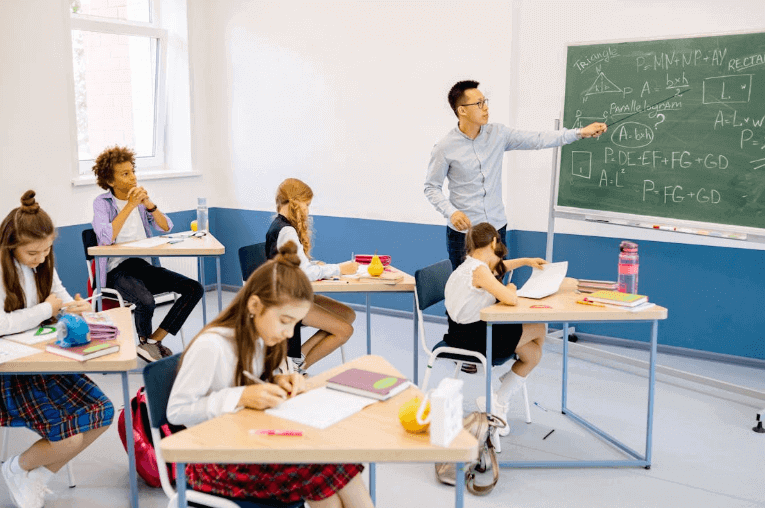
Children in a Singapore classroom

Strong Extracurricular and Holistic Development

Schools that follow the American system often place extracurricular activities on equal footing with academics. Sports, music, theater, debate, and volunteer work are all encouraged as part of a well-rounded education. These opportunities help your child build leadership skills, teamwork, and confidence outside the classroom. For parents, the appeal lies in knowing that personal growth is valued just as much as academic performance, and that the school environment shapes students who are prepared for both life and higher learning.

English as the Medium of Instruction

Many families consider learning in English a top priority. American international schools in Singapore use English across all subjects, providing daily immersion in the language. If English is not your child’s first language, this environment can strengthen proficiency in a way that prepares him or her for global communication. And if your child already speaks English, the consistency of instruction ensures he or she continues to refine his or her skills in reading, writing, and speaking.

Global Mobility and Recognition

A key benefit of American education is that it travels well. Whether your family expects to stay in Singapore or eventually move elsewhere, the American high school diploma and courses like Advanced Placement are widely accepted. This eases university applications not only in the United States but also in Europe, Asia, and beyond.

Children walking on street in Singapore related to American education

Cultural Values and Teaching Style

Classrooms in the American system tend to be interactive, with teachers encouraging open dialogue, debate, and creativity. Your child is likely to be asked for opinions, to collaborate with classmates, and to think critically about problems rather than simply memorizing information. Families often choose this environment because it mirrors the skills needed in modern workplaces: communication, adaptability, and problem-solving. This style contrasts with exam-driven systems and provides a learning experience that feels dynamic and empowering.

Choosing an education system is one of the most significant decisions you’ll make for your child’s future. While the American model offers clear advantages in flexibility, recognition, and holistic development, the best choice always depends on your child’s needs and aspirations. As you consider your options in Singapore, it’s worth asking how the environment you select today can shape your child’s academic success in the present and also the kind of person he or she will grow up to be.

Conclusion

Every child is different, and as parents, we all want to choose a school that helps our children grow into thoughtful, confident people. The American education model offers a gentle balance between strong academics and personal development. It gives children space to explore who they are and what they love while building a solid foundation for the future.

Whether your family plans to stay in Singapore or move again someday, choosing a school that feels right today can shape your child in meaningful ways. It is not just about academics. It is about giving your child a place to feel supported, inspired, and ready for whatever comes next.

Outdoor Pools vs Indoor Pools: What to Consider?

0 · Oct 19, 2025 · Leave a Comment

Outdoor pools vs indoor pools, which one is better? If your family loves splashing in the water, adding a pool to your home might be one of the best upgrades you can make. But before the kids start planning pool parties, there’s one big decision to make: should you go with an indoor pool or an outdoor one?

Each option has its own perks—and knowing which fits your home, lifestyle, and local weather best can help you make the right choice. A pool builder with experience can help you get the perfect pool for your needs and goals. Whether you want to install a pool just to cool off when the weather is hot, or you are looking for a pool to utilize for staying in shape, your pool builder should be able to help you create the right swimming pool solution for you.

In this guide, we’ll walk you through the pros and cons of outdoor pools vs indoor pools so you can start planning the perfect backyard (or indoor) retreat for your family.

outdoor pool

What Are the Differences Between Outdoor Pools vs Indoor Pools?

Beyond the obvious differences in location between these two kinds of pools, there are some other differences between the two types of pool that you should be aware of.

Indoor pools offer a climate-controlled and private environment to swim in all year long, but you do need to have special ventilation installed around them, and you will need to have a larger budget to tackle this kind of installation job. Some people place their indoor pool in the lower floors or basement of their home, but most people need to build a structure around the pool, which can also increase the cost and complexity of the job of adding this kind of pool to the property.

Indoor pools will need less maintenance since they will not be exposed to outside elements and things like tree debris and animal incursions. However, managing the chemicals in the water in an indoor pool can sometimes be challenging because the chlorine gas levels inside a structure can be tougher to balance than when a pool is located outside and maintained with chlorine.

Outdoor pools offer the chance to enjoy the sunshine and to be truly outside as you have fun swimming, which is not possible with an indoor pool for obvious reasons. However, if you live in an area that has tough winter weather or the sun is not present other than a few months of the year, your indoor pool might be much more usable regardless of the lost time enjoying some vitamin D.

Outdoor pools almost always require protection to be placed around the pool area to keep kids and animals from falling into the pool. You will need to be sure that your outdoor pool does not expose you to this kind of risk by protecting others from access to your pool without an invitation. Indoor pools do not necessitate this kind of added protection, which can be ideal if you are worried about safety or liability.

indoor pool

Preparing For Pool Installation

Whichever one of the two types of pools you want to install, you need to be sure that you are ready to have a swimming pool added to your property. You will want to shop around for your options when it comes to builders, and you need to carefully contemplate your projected budget and the things that you don’t want to compromise on about your pool.

Once you know what you can afford and have an idea of what you want, work with your pool installer to come up with an estimate that will cover all the details of your installation job thoroughly. You should be able to work with your pool builder to come up with customizations that will make your pool area perfect for you and your family or guests.

Having a skilled pool installation team working on your project will make all the difference when it comes to being able to keep to a budget and ensuring that you are going to end up with a pool that will hold up for years to come. Pool installation is a big commitment, so you need the right support for your efforts to be sure that your swimming pool will be ideal for your needs. Many people just jump into building a pool without thinking about all of these details, which can lead to disappointment and frustration.

Be sure that you ask to see completed projects from each pool builder you want to contract with. You will get an idea of their style from looking at work they have already done, and you will also have a better feel for whether they are capable of the kind of work that you want to have done for your swimming pool.

Indoor pools and outdoor pools are also very different to install, so be sure that you ask the builder if they have installed both kinds of pools before you start talking about designs and budget. If you are sure that you don’t want an indoor pool, then you will not need to ask about this design process, but if you are torn about which type of pool to invest in, your builder needs to be able to advise you about each of the pool types.

When planning an outdoor pool, it’s important to think beyond the initial installation and consider long-term functionality, materials, and how the pool integrates with your overall landscape design. A well-designed in-ground pool should feel like a natural extension of your home and outdoor living space. Homeowners in Indiana often work with experienced Carmel in-ground pool specialists who understand local climate considerations, soil conditions, and design trends to ensure a pool that is both beautiful and built to last.

outdoor pools vs indoor pools

Installing a Swimming Pool Can Make Your Home Special and Unique

Whether you dream of summer days filled with sunshine and poolside fun or want a year-round space for the kids to swim and stay active, choosing the right type of pool starts with understanding your family’s needs.

Outdoor pools bring that classic summer vibe and give everyone room to play, while indoor pools offer convenience during cooler months or unpredictable weather. No matter which you choose, planning ahead with a trusted pool builder ensures your new space is safe, fun, and perfect for making family memories.

So take your time, explore your options, and start designing a pool area that your whole family will love—season after season.

Why a Foldable Electric Bike May Be What You Needed to Take With You All Along While Traveling

0 · Oct 19, 2025 · Leave a Comment

Whether you’re traveling solo or with family, getting around easily can make or break your trip. Walking everywhere gets tiring, taxis add up quickly, and public transport doesn’t always take you where you want to go. That’s where a foldable electric bike comes in.

The best foldable electric bikes are compact, and make it easy to explore new places without the usual stress. You can bring them along in a car trunk, carry them into your hotel room, or hop on a bus without skipping a beat. In this article, you’ll learn why a folding e-bike might be the perfect fit for your next adventure—and how it can change the way you think about travel.

Foldable Electric Bike

Why A Folding Electric Bike Might be Right For You

A folding e-bike can make all the difference when it comes to traveling with your e-bike. You don’t have to be limited to bike transportation everywhere you go. The highly portable nature of this kind of e-bike also makes it a great fit for commuting and running errands. If bike theft and other inconveniences are worrisome to you, a folding e-bike can eliminate most of your concerns. Folding bikes are often thought of as being useless for daily riding and tasks, but that is far from the case, and you can use your folding e-bike all the time.

1. Highly Portable

Foldable e-bikes are highly portable. These bikes can be stored at the office, in your apartment, or even come along with you when you ride the bus without needing to be stowed in some special way. There is less risk of your bike being damaged as well, which can offer peace of mind if you are concerned about having a standard-style bike during your travels.

The fact that your foldable e-bike can be carried with ease will make so many of the logistics of your travel plans a lot easier overall. Being able to avoid walking everywhere and being able to bring your bike with you at the same time is a big help for nearly any kind of travel plans.

2. Fits Into the Trunk of a Car

Imagine being able to pack your e-bike with your suitcases into your rental car or an Uber. This is the reality that is possible with a portable e-bike. You can just drop your e-bike into the trunk or tuck it onto the luggage cart if you need to take it to your room. There is no other kind of bike that is this portable and convenient to transport.

If you are going to be using transportation like Lyft or Uber, you can’t always count on getting a car that is big enough for lots of items, along with your luggage. This is one of the reasons that a folding e-bike is so helpful. You can tuck it into just about any kind of rental car or cab without issue due to its design.

Electric Bike

3. Easy to Keep Safe

Being able to leave your folding e-bike in the hotel room can also allow you to get around on foot or using other transportation without worrying about where you put your bike while you are gone. This is not the case with any other kind of bike, and it can offer superior peace of mind to be able to leave your e-bike in the room while you do other things.

Many people look at bike trips as being limited due to the need to store the bike and keep it safe. You often need to camp or pick hotels where you have a place to lock up your bike safely when you are doing other things. This means that your travel plans can be cramped by the fact that you have your bike with you.

Being able to keep your e-bike safe and secure with ease can change everything about the way that you travel with an e-bike.

4. Makes it Easy to Explore

Travel is about exploration. If you can’t explore, how can you make the most of your time traveling? When you can bring a mode of transportation with you, you can count on being able to get around with ease and have fun at the same time. Most of us don’t want to have to walk everywhere for our whole vacation, but it can be expensive to have to pay for Lyft and Uber for a whole trip as well.

Your folding e-bike will make your adventures more accessible and lots more fun overall. Being able to get into all the places that you want to see and experience can make your travel experiences so much more enjoyable.

man on e-bike

Folding E-bikes Offer Convenience and Travel Fun

If you’ve ever felt limited by transportation while traveling, a folding electric bike could be the solution you’ve been looking for. It’s easy to pack, simple to store, and flexible enough for everything from daily errands to sightseeing with the kids.

Unlike traditional bikes, a folding e-bike lets you switch between walking, driving, or biking—all without stress. Whether you’re heading out on a family road trip or flying solo for a weekend getaway, this kind of e-bike makes exploring simple and fun.

No more worrying about where to lock up your bike or how to get it from place to place. With a folding e-bike, travel becomes smoother, safer, and more enjoyable.

  • « Go to Previous Page
  • Page 1
  • Interim pages omitted …
  • Page 89
  • Page 90
  • Page 91
  • Page 92
  • Page 93
  • Interim pages omitted …
  • Page 450
  • Go to Next Page »

Primary Sidebar

Heather from Whipperberry
Hello... my name is Heather and I'm the creator of WhipperBerry a creative lifestyle blog packed full of great recipes and creative ideas for your home and family. I find I am happiest when I'm living a creative life and I love to share what I've been up to along the way... Come explore, my hope is that you'll leave inspired!

Footer

  • Privacy Policy
  • Crafts
  • Food
  • Gifts
  • Holidays
  • Home
  • Mom Life
  • Recipes
  • Travel

Copyright © 2026 · Seasoned Pro