• Skip to primary navigation
  • Skip to main content
  • Skip to primary sidebar
  • Skip to footer

Whipperberry

WhipperBerry • Your Home For Creative Inspiration

  • Home
  • Recipes
    • Starters
    • Easy Weeknight Dinners
    • Main Dish
    • Salads
    • Side Dish
    • Soups & Stews
    • Desserts
    • Breakfast
    • Miscellaneous
  • Tutorials
    • Creative Crafts
    • DIY Decor
    • Fabric Crafts
    • Food How-To
    • Jewlery
    • Paint Projects
    • Paper Art
    • Party Styling
    • Photography and Graphic Design
    • Silhouette
  • Holidays
    • Easter
    • Mother’s Day
    • Father’s Day
    • 4th of July
    • Halloween
    • Thanksgiving
    • Christmas
    • Valentine’s Day
  • Gift Ideas
    • Gifts For Everyone
    • Gifts for Dad
    • Mother’s day
    • For The Girls
    • For The Kids
    • Teacher Gift Ideas
    • Christmas
  • Printables
    • Holiday
    • Gift Idea
    • LDS Primary
  • Travel
  • About
    • Terms
  • Contact
  • Nav Social Menu

    • Facebook
    • Instagram
    • Pinterest
    • RSS
    • Twitter

Home DIY

Frame Your View: DIY Patio Door and Window Upgrades

0 · Aug 25, 2025 · Leave a Comment

Creating a home that feels like a reflection of your personal style does not always mean hiring an expensive contractor. In fact, many homeowners are discovering that with the right tools, research, and a free weekend, you can take on projects that completely transform the look and feel of your space. One of the most rewarding upgrades you can do yourself is installing new patio doors and windows. These changes go beyond appearances. They can improve energy efficiency, comfort, and even the way your home connects with the outdoors.

Whether you want to brighten up your living room with a wide glass door or replace drafty old windows with something more efficient, DIY home updates let you put your own touch on your space while saving money.

Why Patio Doors Matter

Think of the patio door as more than just an entryway. It is a frame for your view and a bridge between indoor and outdoor living. A good patio door makes your home feel open, inviting, and connected to your backyard or garden.

The exciting part is that there are so many styles available, making it easy to find the perfect fit for your home.

  • Sliding patio doors are one of the most popular choices. They glide smoothly along a track and do not take up extra floor space, which makes them perfect for smaller rooms. With large glass panels, they also bring in natural light and create a clear view of the outdoors.
  • French patio doors add charm and elegance. These doors swing open and work well for homes that want a more traditional look. When both doors are open, they create a wide entry that is perfect for entertaining.
  • Bi-fold patio doors fold to the side like an accordion. They allow the entire wall to open, creating a seamless flow between your indoor and outdoor spaces. This option is especially popular with homeowners who love to entertain or want their home to feel airy and connected to nature.
  • Telescoping and pivot doors provide modern and stylish alternatives. Telescoping doors slide and stack behind each other, while pivot doors rotate on a hinge point for a bold architectural look. These options require a bit more planning but make a dramatic statement.

Materials and Glass Options

Once you decide on the style of windows or patio door, it is time to think about materials. Each has its benefits.

  • Vinyl is durable, affordable, and low-maintenance.
  • Wood provides a warm, natural look but requires upkeep to prevent warping or damage from moisture.
Green plants on building facade


  • Aluminum is strong and sleek, perfect for a modern aesthetic.
  • Fiberglass offers excellent insulation and durability.

Do not forget about glass. Double-pane and triple-pane glass options help keep your home comfortable year-round by improving insulation and reducing outside noise. This is one of the smartest investments you can make for energy savings.

Before buying, carefully measure your opening. A well-fitted door is crucial for both appearance and energy efficiency. Many home improvement stores also offer workshops and tutorials to guide you through the process if you are new to DIY projects.

Upgrading Your Windows

Windows play an equally important role in your home. They shape the character of each room, influence how much light you get, and affect energy costs. Old or inefficient windows can let in drafts, cause condensation, and make your home less comfortable. Replacing them is a project many homeowners can handle themselves with a bit of preparation.

Black and white window in brick building

If you live in an area with changing seasons, it is smart to look for local expertise. For example, researching Amherst window companies is a great way to learn what types of windows perform best in that region. Local suppliers understand the climate and the kinds of homes in the area, which can save you from making costly mistakes.

Types of Replacement Windows

When choosing new windows, consider options that fit into your existing openings. This makes installation simpler and keeps costs down. Popular styles include:

  • Double-hung windows – These are classic and practical. Both the top and bottom sashes move, making them easy to clean and great for ventilation.
  • Casement windows – Hinged on the side, these windows open outward with a crank. They are easy to operate and seal tightly for energy efficiency.
  • Sliding windows – These glide horizontally and work well in tight spaces where a swinging window might not fit.

Beyond style, make sure to check energy ratings. Look at the U-factor, which measures how well a window insulates, and the Solar Heat Gain Coefficient (SHGC), which tells you how much heat from the sun the window lets in. Choosing efficient windows means more comfort and lower energy bills.

Tips for a Successful DIY Project

DIY projects can feel intimidating, but they are also deeply rewarding. Here are a few tips to help your project go smoothly:

  1. Plan ahead – Measure carefully, research styles, and make a list of needed tools before you start.
  2. Ask for guidance – Use resources from local suppliers, online tutorials, and manufacturer instructions.
  3. Take your time – Rushing can lead to mistakes. Set aside a weekend or two to complete your project.
  4. Stay safe – Use gloves, goggles, and proper lifting techniques, especially with large glass panels.

The Rewards of DIY

One of the best parts of a DIY upgrade is the pride you feel when the project is finished. Installing a new patio door or replacing your windows can completely transform your home. Rooms feel brighter, more open, and more comfortable. You also save money by improving energy efficiency and avoiding costly professional installation fees.

Cozy living room with furniture and ceiling fan

Perhaps most importantly, your home will feel more like yours. Each project you take on adds a personal touch that reflects your taste and creativity. Whether you are opening your living room to the backyard with a wide sliding door or improving your bedroom with quiet, energy-efficient windows, the results are worth the effort.

Bringing It All Together

Your home is more than just walls and a roof. It is a space that should feel welcoming, comfortable, and uniquely yours. Patio doors and windows play a huge role in shaping that feeling. With a little research and a willingness to try, you can take on these upgrades yourself and enjoy the process along the way.

How to Protect Your Home From Weather Damage

0 · Aug 22, 2025 · Leave a Comment

In areas like Pittsburgh, PA, weather can shift quickly from season to season—snow in the winter, heavy rain in the summer, and strong winds in between. These changing conditions can cause real wear and tear on homes over time, especially on roofs, siding, windows, and foundations.

Knowing how to protect your home from weather damage is key to avoiding costly repairs and maintaining a safe, comfortable space. Whether you’re a homeowner in Pittsburgh or another region with unpredictable weather, taking preventive steps now will help your home stay strong through every season.

6 Tips to Protect Your Home From Weather Damage

Inspect and Maintain the Roof

The roof is the first line of defense against rain, snow, and wind. A roof in poor condition leaves your home vulnerable to leaks, water damage, and even structural problems. Regular inspections are the best way to prevent these issues.

Look for missing or curling shingles, cracked flashing, or signs of water stains inside the attic. These are early warnings that repairs may be needed. Cleaning off debris like branches and leaves also prevents extra strain on the roof.

If problems are spotted early, they are easier and less expensive to fix. A well-maintained roof can last for decades, while a neglected one may need replacement much sooner. Scheduling seasonal checks gives you confidence that your roof is ready to handle changing weather.

Strengthen Siding and Exterior Walls

Siding acts as the outer shield of your home. It blocks wind, sheds rain, and protects the structure underneath from harsh weather. When siding is cracked, warped, or loose, water can seep in and cause rot or mold. Damaged siding also reduces energy efficiency, making it harder to keep your home comfortable.

For homeowners based in Pittsburgh, if you’re looking for a siding repair company Pittsburgh has skilled professionals who can restore damaged panels and keep your home well-protected. A professional team can identify weak spots, replace broken sections, and recommend upgrades that last longer. Repairing siding before damage spreads helps you avoid bigger structural issues later.

Siding may not always seem urgent, but it plays a major role in keeping your house safe. By taking care of it early, you add both strength and value to your property.

protect your home from bad weather

Keep Gutters and Drainage Clear

Gutters direct water away from your roof and foundation. When they are clogged with leaves, dirt, or ice, water overflows and spills down the side of your house. This can lead to damaged siding, basement leaks, and cracks in the foundation.

To keep gutters working properly, clean them at least twice a year—once in the spring and once in the fall. During cleaning, check for holes, sagging sections, or loose brackets that may need repair. Downspouts should carry water several feet away from the home, so adding extensions or splash blocks is a smart move.

For extra protection, gutter guards reduce the amount of debris that collects. In areas with frequent storms, upgrading to seamless or larger gutters can also help manage heavy rainfall. Clean and functional gutters keep water moving away from your home, protecting it from long-term damage.

Protect Windows and Doors

Windows and doors are more vulnerable to weather than most people realize. Gaps around frames allow rain, wind, and drafts to get inside. Over time, this can raise energy bills and cause water damage. Sealing these areas is one of the easiest ways to protect your home.

Start by checking for cracks or gaps around window and door frames. Caulking or weatherstripping can close off these openings quickly. For older windows, replacing them with double-pane or storm-resistant glass makes a big difference. Stronger materials hold up better during heavy winds and rain while also improving insulation.

Doors can benefit from upgrades too. Solid-core doors or reinforced storm doors provide extra strength and help keep moisture out. These improvements not only protect the structure but also make your home more comfortable in every season.

Maintain Foundations and Basements

The foundation carries the entire weight of your house, so keeping it strong is essential. Weather can affect this part of your home more than you might think. Water pooling near the base can lead to cracks, shifting, or leaks into the basement.

Walk around your home after a storm and check for standing water. If you see it collecting near the foundation, you may need to improve drainage. Sealing cracks with the right materials helps stop water from seeping inside. In some cases, adding a sump pump to the basement is a smart step for extra protection against flooding.

Basements should also be checked regularly for dampness or musty smells. These can be early signs of water intrusion. Taking action early prevents mold and keeps the structure stable. Protecting your foundation is one of the best ways to strengthen your home against long-term damage.

protect your home from weather damage

Prepare Outdoor Areas and Landscaping

The yard around your home plays a role in how well it stands up to harsh weather. Trees with overhanging branches can break during storms and damage the roof or siding. Regular trimming lowers the risk. Loose outdoor furniture and equipment should also be secured or stored before strong winds hit.

Landscaping affects drainage as well. Soil should slope away from your home to move water away from the foundation. Adding ground cover or plants with strong roots helps reduce erosion during heavy rain. Gravel or stone paths can also improve drainage in areas where water tends to collect.

By paying attention to your yard and outdoor spaces, you lower the chances of weather-related problems and create a safer environment overall.

Weather damage can happen slowly or strike suddenly, but homeowners have the ability to reduce the risks. From sealing windows to clearing gutters and maintaining foundations, every step adds another layer of protection. Regular care not only prevents costly repairs but also keeps your home safer and more comfortable. With the right approach, you can stay ahead of weather challenges and keep your house strong for years to come.

Protect Your Home Before the Weather Strikes

No matter where you live, the weather can take a toll on your home if you’re not prepared. From clearing gutters to reinforcing windows and inspecting your roof, simple steps make a big difference in reducing long-term damage.

Regular maintenance doesn’t just prevent expensive repairs—it helps keep your home comfortable, energy-efficient, and ready for anything nature throws your way. Whether you face icy winters or stormy summers, protecting your home from weather damage starts with planning ahead and paying attention to the details that matter most.

How to Cut Wood Slat Panels Like a Pro for Beautiful Home Projects

2 · Mar 11, 2025 · Leave a Comment

Wood slat panels are the secret weapon of a stylish, modern home. Whether you’re creating a dreamy accent wall, an elegant headboard, or a show-stopping ceiling treatment, these panels bring warmth and texture to any space. But if you’ve ever tried cutting them without a plan, you know things can get messy—splintered edges, uneven cuts, and lots of wasted material (ouch!).

The good news? With the right tools, a little patience, and a few pro tips, you can cut wood slat panels like a champ and achieve that crisp, polished look you see in designer spaces.

In this DIY guide, I’ll walk you through everything you need to know to make clean, precise cuts of wood slat panels every time—because no one wants wonky woodwork ruining their masterpiece!

Why Cutting Wood Slat Panels the Right Way Matters

The beauty of wood slat panels lies in their seamless, uniform look. This is particularly important when working with decorative wood slat wall panels, where symmetry and precision significantly impact the final aesthetic.

Wood slat panels often form patterns or alignments, and even minor inconsistencies in cutting can disrupt the overall symmetry. A single misaligned or splintered cut can throw off the entire design, making installation tricky and final results less than perfect. Plus, using the right cutting techniques means:

  • Fewer mistakes (which saves you time and money)
  • Cleaner, professional-looking edges (no one wants jagged cuts!)
  • Better panel alignment for that magazine-worthy finish
  • Less wasted material (because who wants to run back to the hardware store?)

What You’ll Need

Before we dive in, let’s talk about tools. Having the right gear will make all the difference. Here’s what you’ll need:

Tools:

  • Circular saw (for straight cuts)
  • Table saw (optional, but great for large panels)
  • Miter saw (for angled cuts—hello, chic corners!)
  • Jigsaw (for curves or intricate designs)
  • Clamps (to keep everything steady)
  • Measuring tape
  • Pencil or chalk (to mark cut lines)
  • Sandpaper (120-220 grit) (smooth edges = pro finish)
  • Safety goggles, dust mask, and ear protection (because safety first!)

Materials:

  • Wood slat panels
  • Masking or painter’s tape (prevents splintering)
  • Workbench or sawhorses (a sturdy surface is key!)
  • Wood glue (if needed for reattachment)

Cutting Wood Slat Panels

Prep Like a Pro

Before making any cuts, take a moment to prep your panels properly. Trust me, a few extra minutes here will save you a ton of frustration later!

  1. Measure & Mark: Use a measuring tape and pencil to mark the exact cut lines. Double-check before cutting—measure twice, cut once!
  2. Secure the Panel: Clamp your wood slat panel to a stable surface so it doesn’t shift while cutting.
  3. Choose the Right Blade: A fine-toothed blade works best for smooth cuts and minimal splintering.
  4. Apply Tape Over the Cut Line: This helps prevent chipping—just peel it off after you cut!

Cutting Techniques for Wood Slat Panels

Now for the fun part—making those precise cuts!

Straight Cuts (Using a Circular Saw or Table Saw)

A circular saw is your go-to tool for straight cuts. Here’s how to get that clean, professional look:

  • Clamp the panel down on a sturdy work surface.
  • Align the saw blade with your marked cut line.
  • Use a guide rail or straight edge to keep the saw steady.
  • Move the saw at a controlled pace—rushing can cause jagged edges!

For extra precision, a table saw is a fantastic alternative, especially for cutting multiple panels at once.

Angled or Miter Cuts (Using a Miter Saw)

Want to create a sleek, custom look with angled cuts? A miter saw is your best friend.

  • Adjust the saw to your desired angle before cutting.
  • Double-check your measurements to avoid gaps in the final project.
  • Cut slowly and steadily to maintain control and avoid chipping.

Perfect for corners, chevron patterns, and custom designs!

Intricate Cuts (Using a Jigsaw)

If you’re working on a project that calls for curves or detailed shapes, grab a jigsaw.

  • Mark your cutting lines carefully.
  • Use a fine-toothed jigsaw blade for smoother cuts.
  • Go slow and steady—let the saw do the work!
  • Make relief cuts if needed to avoid splintering in tight curves.

Cutting Multiple Panels at Once

Want all your panels to be the exact same size? Stack them together and cut them at the same time.

  • Line them up perfectly and clamp them down securely.
  • Use a circular saw or table saw to make one clean cut through the entire stack.
  • This method saves time and ensures uniformity across your project!

Safety First!

Woodworking can be fun and rewarding, but let’s keep it safe. Follow these safety tips while cutting:

  • Wear safety goggles, a dust mask, and ear protection.
  • Keep your hands clear of the saw blade.
  • Work in a well-ventilated space to avoid dust buildup.
  • Let the saw do the work—don’t force the cut!

Cut Wood Slat Panels

Finishing Touches

Once you’ve made your cuts, a little finishing work will take your project to the next level.

1. Sanding the Edges
Use fine-grit sandpaper (120-220 grit) to smooth any rough edges. Sand in the direction of the wood grain for the best results.

2. Cleaning the Panel
Wipe away sawdust with a damp cloth before staining or sealing.

3. Sealing & Staining (Optional)
For a polished, durable finish, apply a wood stain or sealant. Use a brush or cloth to spread it evenly, and let it dry before installation.

Common Mistakes to Avoid

  • Using the wrong saw blade (A dull or coarse blade = splinters galore.)
  • Rushing the cutting process (Slow and steady wins the race.)
  • Not securing the panel properly (Wobbly wood = uneven cuts.)
  • Skipping sanding (A little sanding goes a long way.)
  • Ignoring safety precautions (Protect those eyes and fingers!)

Recap: Cutting Wood Slat Panels Step-by-Step

  1. Gather your tools and materials.
  2. Measure and mark your cut lines.
  3. Secure the panel firmly.
  4. Choose the right saw and blade.
  5. Cut using the appropriate technique.
  6. Sand and clean the edges.
  7. Apply a finish if needed.

Final Thoughts

Cutting wood slat panels the right way can take your DIY project from amateur to amazing! With the right prep, tools, and techniques, you’ll achieve clean, professional-looking cuts that make your finished piece look like it was done by a pro.

So whether you’re tackling a statement wall, a chic headboard, or a custom piece of furniture, you now have the know-how to cut wood slat panels with confidence. Happy DIY-ing!

DIY Cage Pendant Light

7 · Jan 19, 2012 · 27 Comments

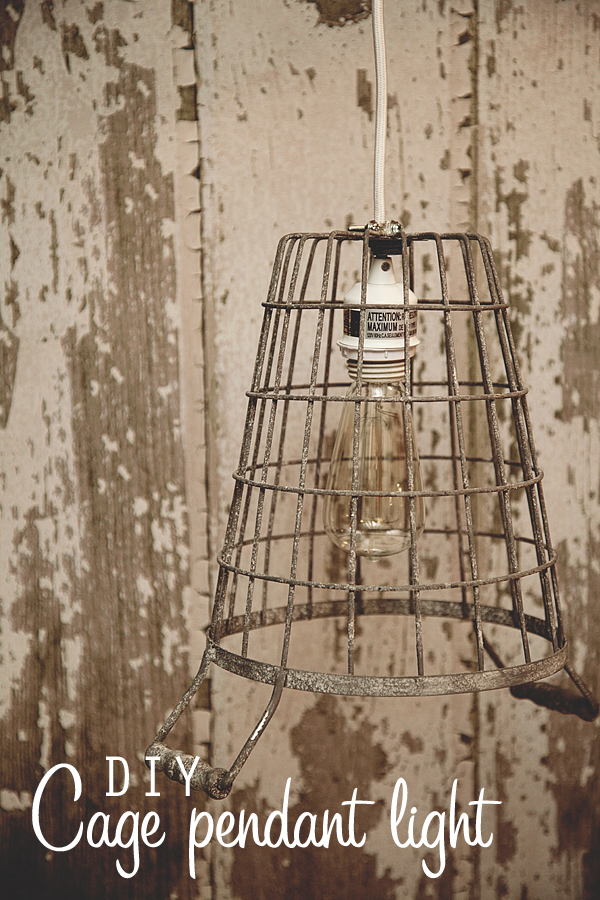
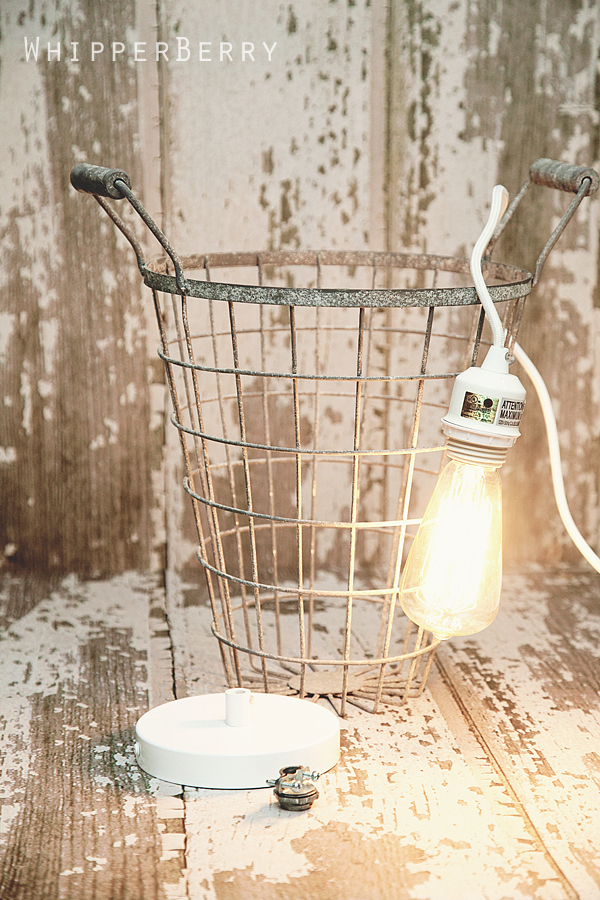
Back in December, I was in Colorado visiting family and found the most amazing shop called Urban Home +Design by Old Glory Antiques in Centennial. My Mom frequents this shop and I couldn't wait to spend some quality time there.  While we were there we found these fabulous old metal baskets that I immediately thought would make some stunning cage pendant lights for my kitchen.  The other day I showed a sneak peak of the final project and promised I would have the tutorial up later this week. Today, I have the tutorial on how to make your very own DIY cage pendant light…

Now when you begin this process you can go several different routes when it comes to creating your own light fixture.  You can by lamp kits at your local hardware store for one. Buy all of the components and build your own.  I found in my research that I was having a hard time finding the components for the type of pendant light that I was looking for.  In my search I made my way to West Elm and found that they have a pendant cord that was the exact look I was going for and decided to go that route.  Is it the cheapest route? No, but for my vision for the project it was the best choice.

Here is what you will need…

  • a metal basket
  • pendant light cord set
  • pendant light conversion kit
  • 3/8"  non-metal clamp connector
  • step drill
  • vintage light bulb {optional}
  • round metal file

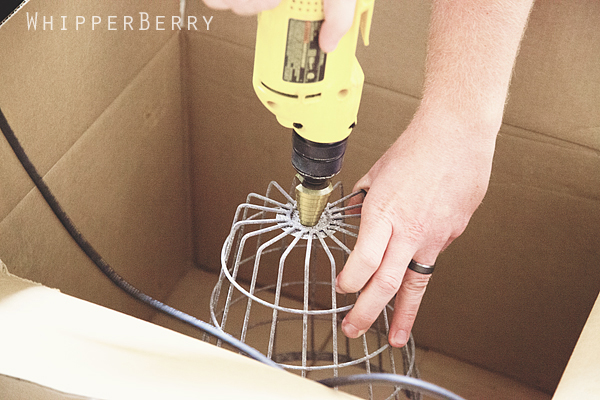
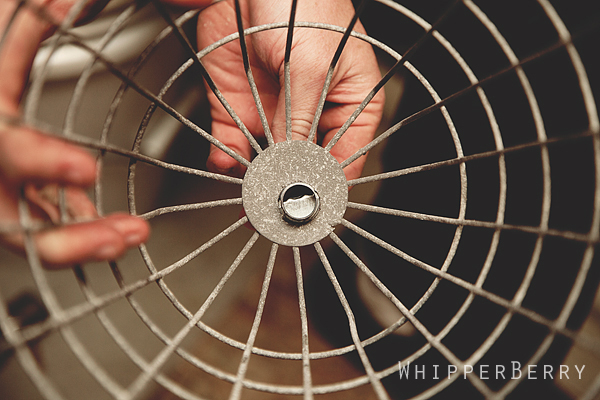
To begin you need to drill a hole into the bottom of your basket.  For this project my SWEET brother-in-law came over and helped.  He is BRILLIANT when it comes to anything around the home.  He used the step drill to drill the hole in the metal at the bottom of the basket…

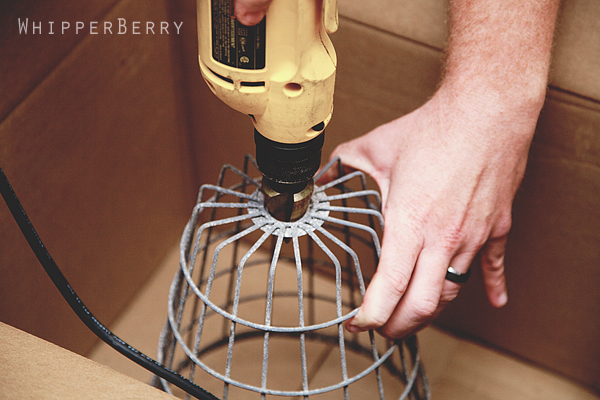
The step drill in a fabulous tool to help you slowly and carefully create the proper size whole that you will need.  We also drilled it in a box to minimize metal shavings flying all over the garage.


It was amazing how slick the step drill was.  As you can see the edges were pretty rough so he filed down the edges with a round metal file…

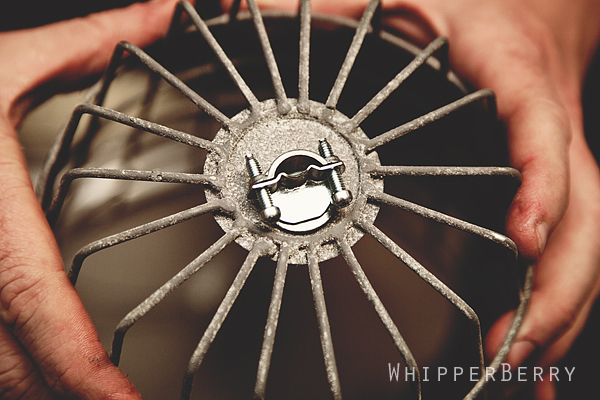
Place the clamp connector into the hole and secure…


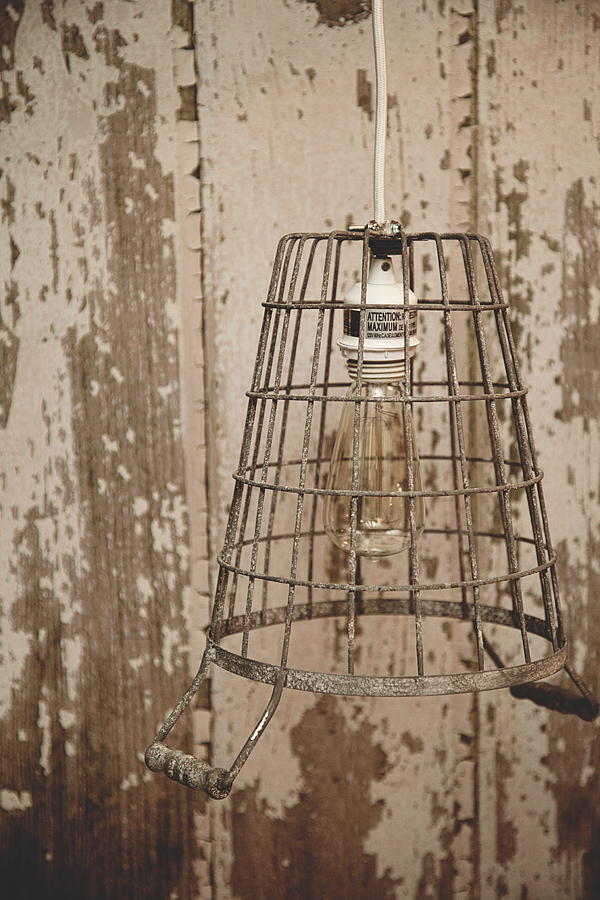
Cut the plug off the pendant light and feed the cable through the clamp.  Secure the clamp and voila… you have yourself your very own cage pendant light.

Now I don't plan on posting about how to hardwire this to your electrical system, because quite frankly I am not an electrician.  I would recommend that you have someone who knows what they are doing hard wire your lights into your system.  I will post some suggestions on how to place your light or lights soon.  I made a set of three lights in order to create a fun pendant cluster to put over my kitchen table.

Aren't they fun?  Thank you so much to my brother-in-law for all the help.  You're amazing!!

  • Page 1
  • Page 2
  • Go to Next Page »

Primary Sidebar

Heather from Whipperberry
Hello... my name is Heather and I'm the creator of WhipperBerry a creative lifestyle blog packed full of great recipes and creative ideas for your home and family. I find I am happiest when I'm living a creative life and I love to share what I've been up to along the way... Come explore, my hope is that you'll leave inspired!

Footer

  • Privacy Policy
  • Crafts
  • Food
  • Gifts
  • Holidays
  • Home
  • Mom Life
  • Recipes
  • Travel

Copyright © 2026 · Seasoned Pro