• Skip to primary navigation
  • Skip to main content
  • Skip to primary sidebar
  • Skip to footer

Whipperberry

WhipperBerry • Your Home For Creative Inspiration

  • Home
  • Recipes
    • Starters
    • Easy Weeknight Dinners
    • Main Dish
    • Salads
    • Side Dish
    • Soups & Stews
    • Desserts
    • Breakfast
    • Miscellaneous
  • Tutorials
    • Creative Crafts
    • DIY Decor
    • Fabric Crafts
    • Food How-To
    • Jewlery
    • Paint Projects
    • Paper Art
    • Party Styling
    • Photography and Graphic Design
    • Silhouette
  • Holidays
    • Easter
    • Mother’s Day
    • Father’s Day
    • 4th of July
    • Halloween
    • Thanksgiving
    • Christmas
    • Valentine’s Day
  • Gift Ideas
    • Gifts For Everyone
    • Gifts for Dad
    • Mother’s day
    • For The Girls
    • For The Kids
    • Teacher Gift Ideas
    • Christmas
  • Printables
    • Holiday
    • Gift Idea
    • LDS Primary
  • Travel
  • About
    • Terms
  • Contact
  • Nav Social Menu

    • Facebook
    • Instagram
    • Pinterest
    • RSS
    • Twitter

Craft

Creative Joy After 65: How Crafting Supports Wellness and Memory

0 · Sep 16, 2025 · Leave a Comment

Retirement doesn’t mean giving up creativity. It’s often when people finally have the time and freedom to explore it. For many adults discovering creative joy after 65, creative hobbies like quilting, painting, knitting, or woodworking aren’t just enjoyable ways to spend their time.

These hands-on projects are also powerful tools for keeping the mind sharp, boosting mood, and staying connected with others. And just like understanding the basics of Medicare or seeing Medigap explained in simple terms can bring peace of mind, embracing creative outlets can be a meaningful part of aging with confidence and clarity.

Let’s take a closer look at why crafting is more than just a hobby, and how it can be a source of wellness and joy later in life.

Creative Joy

Crafting and Brain Health

There’s growing research showing that crafting can help support brain health as we age. Activities like sewing, woodworking, or even coloring involve focus, coordination, planning, and problem-solving, all of which engage different parts of the brain.

One study from the Journal of Neuropsychiatry found that older adults who regularly engaged in crafts had a lower risk of developing mild cognitive impairment. In other words, the simple act of working with your hands and following creative steps may help preserve memory and attention over time.

Good for the Mind and the Mood

Crafting is also a great way to support emotional health. After retirement or a major life change, it can be easy to feel a loss of purpose or routine. Creative projects can bring that sense of structure and fulfillment back.

There’s something deeply satisfying about making something with your own hands, whether it’s a finished blanket, a painted canvas, or a handmade card. The feeling of accomplishment is a natural mood booster, and a hands-on process can be calming. Many people describe crafting as a form of meditation in the way it gives your mind a break and lets you focus on something simple and rewarding.

It also offers a safe space to express feelings and work through memories of the past. For some, creative projects become a way to tell their story or leave something meaningful behind for future generations.

Staying Social Through Creativity

Loneliness is a real epidemic for many older adults, and crafting can be a way to help with this as well. Whether it’s a weekly quilting group, a painting class at the local community center, or a virtual craft circle over Zoom, creative hobbies can bring people together in a natural, low-pressure way.

Sharing projects, teaching others, or just chatting while working on something side-by-side can help build connections. It’s not just about the craft—it’s about the conversation, the laughter, and the friendships that come with it.

Crafting is also a great way to bond across generations. Teaching a grandchild how to knit or make a scrapbook together creates shared memories and keeps traditions alive.

It Doesn’t Have to Be Complicated

One of the best things about crafting is its accessibility. You don’t need fancy supplies or years of experience. Many crafts are easy to start and adjust based on skill level or mobility. If arthritis makes certain activities harder, there are larger tools, adaptive supplies, and simplified patterns designed specifically for seniors.

Some easy, low-pressure ways to begin:

  • Adult coloring books
  • Paint-by-number kits
  • Simple knitting or crochet projects
  • Scrapbooking or journaling
  • Clay or air-dry sculpting
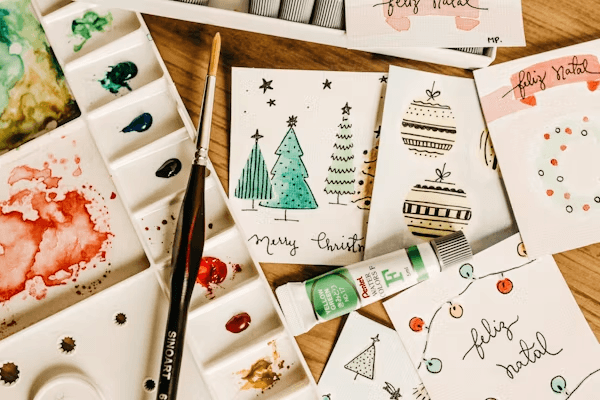
  • DIY greeting cards

You can find tutorials online, join a local group, or just dive in and see what feels fun.

Creative Joy after 65

Final Thought

Creativity doesn’t have an expiration date. In fact, tapping into it later in life can open new doors by bringing joy, purpose, and connection in ways that are both deeply personal and incredibly powerful. Whether you’re returning to an old hobby or trying something completely new, crafting offers a simple, meaningful way to care for your mind, your mood, and your memory. So go ahead and pick up those paintbrushes, knitting needles, or scrapbook scissors. There’s still plenty of beauty to create!

Easy DIY Sewing Ideas That Add Heart to Your Home

0 · Jun 25, 2025 · Leave a Comment

As a mom who’s always had a heart for handmade things and a home full of curiosity, I’ve found that sewing is one of those timeless skills that brings both peace and purpose. Whether we’re on the go or cozied up at home, there’s something so grounding about creating with your own two hands. If you’ve ever thought, “I wish I knew how to sew,” I promise—it’s not as hard as it seems. Especially if you start small. These beginner-friendly sewing projects are perfect for easing into the craft. They’re practical, fun, and most importantly, doable in a single afternoon.

Sewing is more than just a pastime. It’s a timeless, practical skill that allows you to create thoughtful gifts, custom clothing, and unique home decor. It also encourages a more sustainable lifestyle by helping you reuse leftover fabric instead of tossing it out.

Whether you’re brand new to sewing or brushing up on old skills, these beginner projects are a great place to dive in. Let’s get started.

Get Ready to Sew: Tools and Tips for Beginners

The right tools and materials will make your first sewing project much more enjoyable. You should start with a few simple items rather than loading up on specialized equipment.

Simple sewing tools to start with

A good pair of fabric scissors is the life-blood of any sewing kit. Fabric shears have a bent handle that lets the lower blade glide along flat surfaces for precise cutting. It also needs:

  • Straight pins with glass heads (they won’t melt under an iron)
  • Flexible measuring tape (60″ long)
  • Seam ripper (for inevitable mistakes)
  • Hand-sewing needles (size 7 sharps are great for beginners)
  • Quality all-purpose thread
  • Pin cushion or magnetic pin dish
  • Fabric marking tools (water-soluble pencils work well)

These simple tools will help you complete most beginner projects without spending too much money.

How to choose beginner-friendly fabric

Your fabric choice can make the difference between frustration and success in your first projects. Cotton broadcloth and quilting cotton are accessible to more people and perfect for beginners. These fabrics stand out because they’re stable, don’t stretch much, and move smoothly through the sewing machine.

Look for fabrics that are:

  • Not too thin or thick
  • Minimal stretch
  • Tightly woven
  • Natural fibers like cotton or linen (they press better than synthetics)

Stay away from tricky fabrics like silk, satin, velvet, or sequined materials until you’ve developed your skills.

Understanding simple stitches and seams

Learning a few key stitches will give you the skills for almost any beginner sewing project. The running stitch lets the needle pass over and under the fabric in a straight line—perfect for getting started. The backstitch provides more strength by doubling back on itself and creates a solid seam that holds together well.

Your project’s purpose determines the right stitch. The backstitch works best to join two pieces securely, while the blanket stitch creates beautiful decorative edges on felt or fleece projects.

These basics in your toolkit prepare you well for the simple sewing projects we’ll explore next.

Start Simple: Easy Sewing Projects You Can Finish Today

Let’s dive into some sewing projects you can finish in a single day. These projects will help build your confidence and give you something useful right away.

Pillowcase with straight seams

The pillowcase stands out as my top pick for anyone starting to sew. The simple design makes it perfect since it only needs straight lines and doesn’t need body measurements like clothes do. You can make a simple pillowcase in 15 minutes with the “burrito method” – a smart way to hide all raw edges for a professional look. The easiest version needs just three straight lines. One yard of fabric is enough to make this practical project with almost no waste.

Simple drawstring bag

A drawstring bag makes a great next step after you’ve made your pillowcase. These bags are quick to make and have so many uses:

  • Jewelry or small craft supply storage
  • Special occasion gift wrapping
  • Toy and household item organization
  • Light backpacks for kids

The design stays simple with just a few straight seams and a drawstring channel. You can make an easier version from flannel shirt sleeves to skip some cutting and hemming. Most beginners can finish these bags in under an hour.

Explore punch needle as a beginner-friendly option

Punch needle gives you a relaxed alternative to regular sewing that most people find easier to start. This craft uses a special hollow needle that creates yarn or embroidery floss loops through fabric. The technique becomes second nature once you get used to it — just the thing you need to unwind.

Punch needle needs just a few things: a punch needle tool, the right open-weave fabric (like monk’s cloth), and some yarn or embroidery floss. If you’re ready to give it a try, you can buy punch needle kits that include everything you need to get started in one convenient bundle.

The method is straightforward — you simply punch the needle through the fabric while keeping it near the surface. Though it’s different from machine sewing, you can create beautiful textured designs without advanced skills.

Make It Useful: Beginner Projects for Everyday Life

Sewing becomes more rewarding as you create items you can use every day. Let’s look at some simple beginner sewing projects that solve common problems and help you practice key skills.

Reusable snack or sandwich bags

These eco-friendly fabric pouches help eliminate disposable plastic bags. The sort of thing I love about them is how perfect they are to pack crackers, popcorn, cookies, or dried fruits. You’ll need:

  • Cotton fabric for the exterior
  • Waterproof food-safe fabric for the liner
  • Velcro for closure

We constructed these by cutting two pieces each of outer fabric and liner (approximately 6½” x 5″). You attach velcro strips near the top edges and sew them together with the right sides facing. After turning right-side out through a small opening, just topstitch to close. These bags are simple to clean—you can wipe the interior or wash in cold water when needed.

Tote bag for groceries or books

A simple tote bag makes a great starter project. Its size (approximately 13″ x 13″ x 2″) works perfectly for library books or grocery shopping.

To make a simple lined tote, cut rectangles of exterior and lining fabrics. Sew the side seams of each separately and create corner pleats for a flat bottom. Join them with right sides together, leaving a gap to turn. Press well and topstitch around the opening. The handles can be canvas straps or folded fabric strips that you attach about 3″ from each side seam.

Utensil or makeup roll-up pouch

Roll-up pouches are a great way to get storage for items you use daily. They’re basically a fabric rectangle with pockets and ties.

You’ll need for a simple utensil roll:

  • 17″ x 17″ medium-weight fabric
  • 24-28″ ribbon for ties

Make individual pockets by folding up the bottom portion about 5-6 inches. Stitch vertical lines at intervals that fit your items. This design works great for makeup brushes, art supplies, or camping cutlery. It reduces plastic waste and keeps everything tidy and available.

Add Personality: Creative and Decorative Sewing Ideas

Sewing can change your living space with personalized decor pieces. A few simple techniques will help you add unique touches throughout your home.

Envelope pillow cover

Envelope pillow covers are one of the most rewarding starter sewing projects. They refresh your decor quickly without zippers or buttons. You can make one in about 10 minutes, which makes them perfect for impatient beginners! These covers fit snugly and look professional while you can wash them easily.

A standard square pillow needs:

  • Fabric (quilting cotton, linen, or cotton blends work well)
  • Measuring tape
  • Pins
  • Thread

The clever construction makes envelope covers special. A 16×16 inch pillow needs one piece cut at 17×17 inches for the front. The back needs two pieces cut at 17×11 inches to create overlap. Hem one long edge of each back piece, place them overlapping on top of your front piece (right sides together), and sew around the perimeter. The final step is to turn it right-side out and poke out the corners.

Fabric bunting for decor

Fabric bunting brings charm to any space—nurseries, kitchens, parties, or outdoor gatherings. Small fabric pieces make bunting a great way to use leftover scraps from other projects.

Start your simple bunting with a paper triangle template (13cm wide by 16cm high works well). Pin this template to your fabric and cut pairs of triangles. Place two triangles right sides together and sew along both diagonal edges, but leave the top open. Trim excess fabric near the point, turn right-side out, and press flat.

The next step is to fold bias binding tape over the unstitched edges of your triangles. Position them about 8cm apart. Stitch along the binding and leave at least 30cm at each end to hang it. Your bunting will last for years as special occasion decor or permanent room decoration.

These projects give you quick results. You’ll see your work’s impact right away and build confidence to tackle more complex sewing projects.

Conclusion

Learning to sew isn’t just about fabric and thread—it’s about creating something with care and intention. As a mom who juggles many roles, I’ve found that sewing adds a gentle rhythm to my day and gives me something personal to show for it. With each project, you gain a little more confidence and a lot more joy. So don’t overthink it—pick a pattern, pull out your fabric scraps, and enjoy the process. Whether you’re crafting a tote for your next family outing or making cute reusable pouches for your kids’ snacks, every stitch is a small celebration of creativity and heart.

How to Lighten Stained Wood

39 · Oct 14, 2024 · Leave a Comment

Want to know how to lighten stained wood? When refinishing furniture, changing the wood color is often the top priority. I learned this myself when I bought an antique cupboard for my kitchen.

Today, I’m excited to share several effective methods to lighten stained wood. From using steel wool to applying wood bleach, there are many ways to achieve a lighter look.

Look at that little brush! Isn’t it cute?

For more creative ideas, you might also be interested in learning if you can use tempera paint on wood. Additionally, exploring the best chalk paint options can give you more finishing techniques to consider.

Stick around until the end to get all the answers to your questions and find the best technique for your project!

7 Ways to Lighten Stained Wood

When it comes to lightening stained wood, there are several methods you can use. Here are the top 7 techniques:

  1. Steel Wool
  2. Paint and Varnish Stripper
  3. Sanding
  4. Wood Bleach
  5. Whitewash
  6. White Stain or Pickling
  7. Liming or Cerusing Wax

The best method for you will depend on the piece of furniture you’re working on and your level of expertise.

How to Lighten Stained Wood Without Sanding

First, let’s discuss how to lighten wood without sanding. Many people prefer to skip sanding because it’s tedious, messy, and physically demanding, especially for large pieces.

You might also want to lighten a wood stain that turned out darker than expected. Fortunately, there are a few methods to lighten stained wood without sanding.

Start by thoroughly cleaning your piece with mild soap and water if it’s older. Allow it to dry completely before proceeding, as only fully dry wood will reveal its true tone.

another question that I get a lot:

How to Lighten Wood Stain That Is Too Dark

To lighten a wood stain that is too dark, you can use several methods. If the stain is still wet, immediately wipe off the excess with a clean cloth.

For dried stain, apply mineral spirits to a clean cloth and rub it on the stained wood to remove some of the surface pigment. Another option is to apply a lighter stain over the dark stain to achieve the desired color.

Additionally, you can use wood bleach to lighten the stain; follow the manufacturer’s instructions for the best results.

Lighten Stained Wood with Steel Wool

Using steel wool is an effective way to lighten wood without sanding. Begin by dampening 0000-grade steel wool in warm water. Gently run the steel wool along the wood grain to prevent scratching.

This method requires some effort. Make several passes with light pressure and observe if the wood lightens. If it does, continue the process.

If the wood doesn’t lighten as desired, try adding mineral spirits or turpentine. Repeat the process with steel wool or a clean cloth until you achieve the desired lightness.

Remove Stain with Paint and Varnish Stripper

If steel wool doesn’t lighten the wood to your satisfaction and you want to avoid sanding, the next step is to remove the stain as much as possible.

Using a paint and varnish stripper is an effective way to lighten stained wood. This method allows you to remove the existing stain and start fresh.

Best Way to Lighten Wood

After exploring various methods to lighten wood without sanding, let’s discuss what I recommend as the most effective approach.

This method combines sanding, bleaching, and applying a top coat.

Keep in mind that each wood species has its unique undertone that you’ll need to consider.

For my cabinet, I was working with significant red undertones along with subtle yellow ones. I wanted to achieve a much whiter appearance without resorting to whitewashing.

Here are the straightforward steps I followed:

Step 1: Sand

To lighten wood with sanding, start by gathering sandpaper in various grits (coarse, medium, and fine), a sanding block or electric sander, and a dust mask.

Ensure your workspace is well-ventilated and protected. Begin sanding with coarse-grit sandpaper (60-80 grit) to remove the existing stain and finish, always sanding in the direction of the wood grain.

Apply even pressure and sand the entire surface thoroughly. Progress to medium-grit sandpaper (120-150 grit) to smooth out the surface, then finish with fine-grit sandpaper (220 grit) for a smooth look.

Clean the surface with a tack cloth or damp rag to remove dust. Optionally, apply wood bleach for an even lighter color. This process effectively lightens the wood, giving it a raw, natural appearance.

Step 2: Add Wood Bleach

To lighten wood using wood bleach, start by reading the manufacturer’s instructions carefully. Wear protective gloves and ensure your workspace is well-ventilated.

Use a brush or sponge to evenly apply the wood bleach to the sanded wood surface. Allow the bleach to penetrate the wood for the recommended time, typically 20 minutes to an hour. Afterward, neutralize the bleach with a mixture of water and vinegar, or as directed by the product instructions.

Wipe down the wood with a clean, damp cloth to remove any residue, and let the wood dry completely before proceeding. This process helps achieve a significantly lighter and more uniform color on the wood.

Step 3: Lighten Your Wood Further with a Top Coat

To lighten the wood further, apply a light-colored top coat. Begin by ensuring the wood surface is clean and completely dry from the previous steps. Choose a top coat that has a lightening effect, such as a whitewash or a light-toned stain.

  1. Select the Right Product: Choose a whitewash, light stain, or light-toned polyurethane to further lighten the wood. These products are designed to add a subtle lightening effect while protecting the wood.
  2. Apply the Top Coat: Using a clean brush or a lint-free cloth, apply the top coat evenly over the wood surface. Work in the direction of the grain to ensure a smooth application. Apply a thin layer and avoid over-saturating the wood.
  3. Let it Dry: Allow the top coat to dry according to the manufacturer’s instructions. This typically takes a few hours. Ensure the surface is free from dust and debris while it dries.
  4. Add Additional Coats if Needed: If you desire a lighter appearance, apply additional coats. Lightly sand with fine-grit sandpaper (220 grit) between coats for a smooth finish and to ensure good adhesion.
  5. Final Touch: Once you have achieved the desired lightness, let the final coat dry completely. This will not only lighten the wood but also provide a protective layer, enhancing the durability and beauty of your piece.

By following these steps, you can effectively lighten the wood further with a top coat, achieving a bright, refreshed look for your furniture.

How to Lighten Wood with White Stain, Pickling, or Color Wash

To lighten wood using white stain, pickling, or a color wash, first gather supplies including your chosen white stain, pickling solution, or diluted white paint, along with a brush or cloth, sandpaper, and a clean cloth for wiping.

Lightly sand the wood surface with fine-grit sandpaper (220 grit) to ensure it’s smooth and ready to accept the stain or wash. Clean the wood thoroughly to remove any dust or debris.

Apply the white stain, pickling solution, or color wash evenly with a brush or cloth, following the direction of the wood grain. Wipe off any excess with a clean cloth, adjusting the pressure to achieve the desired lightness.

Allow the wood to dry completely before applying any additional coats or finishes. This method helps achieve a lighter, more uniform color on the wood.

Can I Apply Household Bleach to the Wood?

Yes, you can apply household bleach on wood to lighten it. However, household bleach is not as effective as wood bleach for this purpose.

To use household bleach, mix it with water and apply it evenly on the wood surface using a brush or sponge. Let it sit for several minutes, then rinse thoroughly with water and allow the wood to dry completely.

Keep in mind that household bleach may not provide the same level of lightening as wood bleach, and it may also raise the grain of the wood, requiring additional sanding.

Wood Bleach Products I Love

When it comes to bleaching wood, several products can help achieve the desired result and I love these:

Savogran Wood Bleach Savogran wood bleach uses oxalic acid mixed with water to lighten the wood color. It’s particularly effective at removing black spots and stains. While it may require multiple applications to reach the desired lightness, it works well on furniture that isn’t extremely dark.

Zinsser Wood Bleach Zinsser wood bleach is a more heavy-duty option, ideal for dark woods like cherry or mahogany. This bleach removes the color from the wood without affecting the grain, preserving the natural texture. Start with one application and, if necessary, apply additional coats until you achieve the desired color.

Both products offer effective solutions for lightening wood, but the choice depends on the wood’s initial darkness and your specific needs.

Lighten Your Wood Further with Liming Wax or Cerusing Wax

To further lighten wood, use liming wax or cerusing wax. These products highlight the grain and give the wood a beautiful, aged look. Here’s how:

  1. Clean the Surface: Ensure the wood is clean and dry.
  2. Apply the Wax: Use a clean cloth or brush to apply the wax, working it into the grain.
  3. Remove Excess Wax: Wipe away any excess wax with a clean cloth, leaving it in the grain and crevices.
  4. Buff the Surface: Buff the wood with a soft cloth for a smooth, polished finish.
  5. Seal the Finish (Optional): Apply a clear top coat for added protection.

Using liming wax or cerusing wax effectively lightens wood and enhances its natural grain, giving it a vintage look.

Can You Change the Color of the Wood Stain?

Yes, you can change the color of the wood stain. To do this, you need to follow a few key steps:

  1. Remove the Old Stain: Start by sanding the wood to remove the existing stain and finish. Use coarse-grit sandpaper to strip away the old stain, then smooth the surface with finer grits.
  2. Clean the Surface: Wipe the wood clean with a tack cloth or a damp rag to remove any dust and debris.
  3. Choose a New Stain: Select the new stain color you want to apply. Test the stain on a small, inconspicuous area of the wood to ensure it achieves the desired color.
  4. Apply the New Stain: Using a brush or cloth, apply the new stain evenly, following the direction of the wood grain. Wipe off any excess stain with a clean cloth to avoid blotches and streaks.
  5. Let It Dry: Allow the stain to dry completely according to the manufacturer’s instructions.
  6. Seal the Wood: Apply a clear topcoat or sealant to protect the new stain and enhance its durability.

By following these steps, you can successfully change the color of your wood stain and give your wood pieces a fresh, new look.

Conclusion

Thank you for joining me on the blog today! I’m glad you stopped by and hope you found this article on how to lighten stained wood helpful.

Remember, changing the color of your wood furniture or projects can be fun and rewarding, but it’s important to take your time and follow each step carefully.

Whether you’re using steel wool, wood bleach, or another method, don’t rush the process. Good preparation and careful application are key to getting the best results. If you have any questions or run into any problems, feel free to ask in the comments.

FAQ

How do you whiten stained wood?

Use a wood bleach or a white stain to lighten the color of stained wood.

Can I sand-stained wood to make it lighter?

Yes, sanding can remove some of the stains and make the wood lighter.

Can you remove stains from wood without sanding?

Yes, you can use a wood stain remover or stripper to remove the stain without sanding.

Is there a way to remove dark stains from wood?

Yes, using a wood bleach or a stain remover can help remove or lighten dark stains.

How do you lighten wood stains with vinegar?

Mix vinegar with water and apply it to the wood to lighten the stain, but results may vary.

Can you put a light wood stain over a dark stain?

No, you need to remove or lighten the dark stain first for the light stain to show properly.

How to make wood lighter in color?

Sand the wood, apply wood bleach, or use a lighter stain to make the wood lighter.

How do you dilute wood stains to make them lighter?

Mix the wood stain with a clear wood stain or mineral spirits to dilute it.

Can you stain wood lighter than its natural color?

Yes, but it often requires bleaching the wood first to achieve a lighter color.

What to do if the wood stain is too dark?

Use a wood bleach or lightly sand the wood to remove some of the stains.

Is there a way to lighten the stain after applied?

Yes, you can use wood bleach or sand the surface to lighten the stain.

Best Cricut Accessories for Beginners to Advanced

8 · Jun 23, 2024 · Leave a Comment

A common question I get is about the essential Cricut tools needed to start using any Cricut machine.

In this article, I’ll list the must-have, nice-to-have, and tools for special crafting projects.

The best Cricut accessories can help you get the most out of your machine. These include tools for heat press machines and storage for your materials and cutting machines.

In this guide, I’ll show you the best Cricut accessories. Some are must-haves, while others make great gifts. Storage devices and cases are also important.

If you’re new to Cricut and want to try a machine before buying, check out this helpful article on renting a Cricut machine. And, if you’re thinking about upgrading or selling your Cricut machine, read this comprehensive selling guide.

Now, let’s jump into the questions.

What Cricut Accessories Do You Need as a Beginner?

As a beginner, you’ll need a few essential Cricut tools to get started with your projects. Here are the must-have tools:

Cricut Machine: Choose the model that best fits your needs, such as the Cricut Explore Air 2, Cricut Maker, or Cricut Joy.

Cutting Mats: Different mats (LightGrip, StandardGrip, StrongGrip, and FabricGrip) are needed for different materials.

Weeding Tools: These tools help you remove excess vinyl or paper from your designs.

Scoring Stylus: Useful for creating fold lines in cards and other paper crafts.

Spatula: Helps lift delicate cuts from the mat without tearing them.

Scraper: Used to burnish (rub or polish) your material to your cutting mat and clean all the small bits left on the mat after a cut.

Fine Point Blade: Essential for making intricate cuts in paper, vinyl, and iron-on materials.

Transfer Tape: Helps transfer vinyl designs from the backing sheet to your project surface.

Pens and Markers: Used for drawing and writing on various materials.

Basic Tool Set: A set that typically includes a spatula, scraper, scissors, tweezers, and a weeding tool.

These tools will help you get started on a variety of Cricut projects, from vinyl decals to custom cards and more. As you gain experience, you can explore additional tools and accessories to expand your crafting capabilities.

For more detailed information, you can explore various Cricut project ideas in our guide.

What Are the Best Cricut Accessories for Advanced Users?

The best Cricut accessories for advanced users include:

  1. Rotary Blade: Perfect for cutting fabric and other soft, delicate materials with precision.
  2. Knife Blade: Ideal for thicker materials like balsa wood, matboard, and chipboard.
  3. Engraving Tool: Adds intricate designs to metal, acrylic, leather, and more.
  4. Scoring Wheel: Creates deep, crisp score lines for perfect folds in thick materials.
  5. Perforation Blade: Makes tear-off lines for coupons, raffle tickets, and more.
  6. Wavy Blade: Adds a decorative edge to your projects.
  7. Debossing Tip: Add professional-looking debossed details to your crafts.
  8. Cricut EasyPress: Ensures even heat distribution for flawless iron-on transfers.
  9. BrightPad: Illuminates your design for easier weeding and intricate cuts.
  10. Smart Materials: Use with compatible machines for mat-free, continuous cutting.

These accessories enhance your Cricut machine’s capabilities, allowing you to tackle complex projects with ease and precision.

What are the Cricut Maker 3 Accessories

The Cricut Maker 3 is a versatile machine that works with a variety of accessories to enhance your crafting experience. Here are some of the essential and optional accessories for the Cricut Maker 3:

  1. Cutting Mats:
    • StandardGrip Mat: Ideal for medium-weight materials like vinyl, iron-on, and cardstock.
    • LightGrip Mat: Perfect for lighter materials such as printer paper and light cardstock.
    • StrongGrip Mat: Designed for heavy materials like chipboard, thick cardstock, and fabric with a backing.
    • FabricGrip Mat: Specially made for cutting fabric.
  2. Blades and Tools:
    • Fine-Point Blade: For precise cuts on thin to medium-weight materials.
    • Rotary Blade: Ideal for cutting fabric and other soft materials without backing.
    • Knife Blade: For thicker materials like balsa wood, matboard, and leather.
    • Scoring Wheel: Creates crisp creases in materials to make folding projects easier.
    • Deep-Point Blade: Cuts thicker materials like foam sheets and magnetic sheets.
    • Perforation Blade: Creates tear-off lines on paper and cardstock.
    • Wavy Blade: For decorative edge cuts.
    • Debossing Tip: Add debossed details to materials.
    • Engraving Tip: Engraves designs on materials like metal and acrylic.
  3. Pens and Markers:
    • Cricut Pens: For drawing and writing on various materials.
    • Infusible Ink Pens and Markers: Create designs that can be transferred to Cricut Infusible Ink compatible blanks.
  4. Transfer Tools:
    • Transfer Tape: Helps transfer vinyl designs to your project surface.
  5. Cricut Smart Materials:
    • Smart Vinyl: For creating decals, labels, and more without a cutting mat.
    • Smart Iron-On: For heat transfer projects without needing a cutting mat.
    • Smart Paper Sticker Cardstock: Cuts without a mat and has a sticky back.
  6. Scoring Stylus: Creates fold lines on cards and other paper projects.
  7. Cricut EasyPress:
    • A heat press that ensures even heat distribution for iron-on and Infusible Ink projects.
  8. Cricut BrightPad: Illuminates your design for easier weeding of intricate cuts.
  9. Basic Tool Set:
    • Spatula: Lifts delicate cuts from the mat.
    • Weeder: Removes unwanted vinyl pieces from your design.
    • Scraper: Cleans mats and applies vinyl smoothly.
    • Scissors and Tweezers: For detailed cutting and picking up small pieces.
  10. Storage Solutions:
    • Tool Organizer: Keeps your blades, tools, and accessories organized.
    • Machine Tote: Protects and transports your Cricut Maker 3.
    • Material Storage: Organizes your vinyl, paper, and other crafting materials.

These accessories help you get the most out of your Cricut Maker 3, making it easier to tackle a wide range of projects and materials.

What are the Cricut Explore Air 2 Accessories

The Cricut Explore Air 2 is a versatile cutting machine that can be used with a variety of accessories to enhance your crafting experience. Here are some essential and optional accessories for the Cricut Explore Air 2:

For more detailed information, you can explore various Cricut Explore Air 2 review.

  1. Cutting Mats:
    • StandardGrip Mat: Ideal for medium-weight materials like vinyl, iron-on, and cardstock.
    • LightGrip Mat: Perfect for lighter materials such as printer paper and light cardstock.
    • StrongGrip Mat: Designed for heavy materials like chipboard, thick cardstock, and fabric with a backing.
    • FabricGrip Mat: Specially made for cutting fabric.
  2. Blades and Tools:
    • Fine-Point Blade: For precise cuts on thin to medium-weight materials.
    • Deep-Point Blade: Cuts thicker materials like foam sheets and magnetic sheets.
    • Bonded-Fabric Blade: Designed specifically for cutting bonded fabric or fabric with an iron-on backing.
    • Scoring Stylus: Creates fold lines in cards and other paper projects.
  3. Pens and Markers:
    • Cricut Pens: For drawing and writing on various materials.
    • Infusible Ink Pens and Markers: Create designs that can be transferred to Cricut Infusible Ink compatible blanks.
  4. Transfer Tools:
    • Transfer Tape: Helps transfer vinyl designs to your project surface.
  5. Cricut Smart Materials (for Cricut Explore 3 but some are compatible with Explore Air 2 with a mat):
    • Smart Vinyl: For creating decals, labels, and more without a cutting mat.
    • Smart Iron-On: For heat transfer projects without needing a cutting mat.
    • Smart Paper Sticker Cardstock: Cuts without a mat and has a sticky back.
  6. Cricut EasyPress:
    • A heat press that ensures even heat distribution for iron-on and Infusible Ink projects.
  7. Cricut BrightPad: Illuminates your design for easier weeding of intricate cuts.
  8. Basic Tool Set:
    • Spatula: Lifts delicate cuts from the mat.
    • Weeder: Removes unwanted vinyl pieces from your design.
    • Scraper: Cleans mats and applies vinyl smoothly.
    • Scissors and Tweezers: For detailed cutting and picking up small pieces.
  9. Storage Solutions:
    • Tool Organizer: Keeps your blades, tools, and accessories organized.
    • Machine Tote: Protects and transports your Cricut Explore Air 2.
    • Material Storage: Organizes your vinyl, paper, and other crafting materials.

These accessories will help you get the most out of your Cricut Explore Air 2, allowing you to tackle a wide range of projects and materials with ease.

What are the Cricut Joy Accessories

The Cricut Joy is a compact and versatile cutting machine that can be paired with various accessories to enhance your crafting projects. Here are some essential and optional accessories for the Cricut Joy:

For a detailed review of the Cricut Joy, you can check out this Cricut Joy review.

  1. Cutting Mats:
    • StandardGrip Mat: Ideal for medium-weight materials like vinyl, iron-on, and cardstock.
    • Card Mat: Specifically designed for making custom cards quickly and easily.
  2. Blades and Tools:
    • Fine-Point Blade: For precise cuts on thin to medium-weight materials.
    • Replacement Blades: To keep your cuts clean and accurate, have a few extra fine-point blades on hand.
  3. Pens and Markers:
    • Cricut Joy Pens: For drawing and writing on various materials. They come in a variety of colors and tip sizes.
    • Infusible Ink Pens and Markers: Create designs that can be transferred to compatible Cricut Infusible Ink blanks.
  4. Transfer Tools:
    • Transfer Tape: Helps transfer vinyl designs to your project surface.
  5. Smart Materials:
    • Smart Vinyl: For creating decals, labels, and more without a cutting mat.
    • Smart Iron-On: For heat transfer projects without needing a cutting mat.
    • Smart Label Writable Vinyl: Allows you to write and cut labels without needing a cutting mat.
    • Smart Paper Sticker Cardstock: Cuts without a mat and has a sticky back.
  6. Cricut Joy Card Inserts: Pre-cut cards and inserts that fit perfectly in the Card Mat for easy, professional-looking cards.
  7. Cricut Joy Insert Cards: Designed for use with the Card Mat to create quick and easy custom cards.
  8. Cricut Joy Tote: A compact and stylish bag for transporting and storing your Cricut Joy and accessories.
  9. Basic Tool Set:
    • Spatula: Lifts delicate cuts from the mat.
    • Weeder: Removes unwanted vinyl pieces from your design.
    • Scraper: Cleans mats and applies vinyl smoothly.
    • Scissors and Tweezers: For detailed cutting and picking up small pieces.
  10. Cricut EasyPress Mini:
    • A small heat press that is perfect for applying iron-on designs to small or uniquely shaped objects.
  11. Storage Solutions:
    • Tool Organizer: Keeps your blades, tools, and accessories organized.
    • Material Storage: Organizes your Smart Materials, paper, and other crafting supplies.

These accessories will help you make the most out of your Cricut Joy, allowing you to create a wide variety of projects with ease and precision.

Another question that I get asked the most:

What Can the Cricut Engraving Tool Do?

The Cricut Engraving Tool allows you to engrave detailed designs on a variety of materials, including metal, acrylic, leather, plastic, and wood. It enables you to create personalized gifts like custom jewelry, home decor items, and keepsakes with intricate patterns and text.

The tool is perfect for adding professional-looking details to DIY projects and customizing items for events such as weddings and awards. Additionally, it can be used to offer personalized products in a crafting business or create unique promotional items. The Cricut Engraving Tool enhances your crafting capabilities, making it easy to add a personalized and professional touch to a wide range of projects.

What are Cricut Weeding Tools Used For?

Cricut weeding tools are used for removing excess material from around your cut designs, particularly with vinyl and iron-on projects. These tools help you precisely lift and remove unwanted bits from intricate cuts, ensuring clean and professional-looking results.

They are essential for detailed work, allowing you to easily separate and discard small pieces without damaging your design.

What Does a Cricut Scoring Tool Do?

A Cricut Scoring Tool is used to create precise fold lines on materials such as cardstock, paper, and other thin materials. It makes it easier to fold your projects neatly and accurately, which is especially useful for creating cards, envelopes, boxes, and 3D paper crafts.

By using the Scoring Tool, you can achieve professional-looking creases and folds, enhancing the overall quality of your crafting projects.

Conclusion

The best Cricut accessories can take your crafting to the next level, whether you’re a beginner or advanced. From essential tools like blades and mats to special items like the Engraving Tool and EasyPress, these accessories help you achieve amazing results.

Don’t forget about storage solutions to keep your workspace tidy and your materials organized. These tools make crafting easier and more enjoyable.

Explore the best Cricut accessories and see how they can boost your creativity. For more tips and ideas, check out our other Cricut projects. Happy crafting!

  • Page 1
  • Page 2
  • Page 3
  • Page 4
  • Go to Next Page »

Primary Sidebar

Heather from Whipperberry
Hello... my name is Heather and I'm the creator of WhipperBerry a creative lifestyle blog packed full of great recipes and creative ideas for your home and family. I find I am happiest when I'm living a creative life and I love to share what I've been up to along the way... Come explore, my hope is that you'll leave inspired!

Footer

  • Privacy Policy
  • Crafts
  • Food
  • Gifts
  • Holidays
  • Home
  • Mom Life
  • Recipes
  • Travel

Copyright © 2026 · Seasoned Pro