In recent years, homeowners have become increasingly mindful of the products they bring into their living spaces. Comfort remains a top priority, but it is no longer the only factor influencing purchasing decisions. Sustainability, durability, and environmental responsibility are now playing a significant role in how people furnish and maintain their homes.
As awareness of environmental challenges continues to grow, many consumers are seeking practical ways to reduce their impact without sacrificing quality or comfort. This shift has led to a greater appreciation for natural materials, thoughtfully crafted products, and home furnishings designed to last for years rather than seasons.
Today, sustainable home comfort is more than a trend. It has become an essential part of creating healthier, more responsible living environments.
A Growing Focus on Long-Term Value
For many years, convenience and affordability often drove purchasing decisions. However, many homeowners are now recognizing the hidden costs of frequently replacing low-quality products. Fast furniture, synthetic textiles, and cheaply made home accessories may initially seem economical, but they often wear out quickly and contribute to unnecessary waste.
Sustainable home products offer a different approach. By prioritizing quality materials and expert craftsmanship, these items are designed to provide lasting performance. Although they may require a larger upfront investment, their durability often makes them more cost-effective over time. This emphasis on longevity aligns with a broader movement towards mindful consumption, where buying fewer but better products has become increasingly appealing.
Creating Healthier Indoor Environments
The modern home is where people spend a significant portion of their lives. As a result, interest in indoor air quality and overall wellness has increased substantially. Many homeowners are paying closer attention to the materials used in furniture, bedding, flooring, and décor.

Natural fibres such as wool, cotton, and linen have become popular alternatives to heavily processed synthetic materials. These materials are often valued for their breathability, comfort, and ability to contribute to a more pleasant indoor environment. By selecting products made from natural, responsibly sourced materials, homeowners can create spaces that feel both comfortable and aligned with their personal values.
Sustainability and Comfort Can Coexist
There was a time when sustainable products were sometimes perceived as less luxurious or less effective than conventional alternatives. Today, that perception has changed dramatically. Modern sustainable home products combine environmental responsibility with exceptional comfort and performance. Advances in manufacturing and design have made it possible for consumers to enjoy premium-quality furnishings without compromising on their sustainability goals.
Whether choosing bedding, furniture, or home accessories, homeowners can now find products that offer both comfort and responsible sourcing. This combination has helped sustainable living move from a niche interest into the mainstream.
Reducing Environmental Impact at Home
Small changes within the home can collectively make a meaningful difference. Choosing products made from renewable resources, supporting responsible manufacturing practices, and investing in durable furnishings all contribute to reducing environmental impact. Sustainable home comfort is not about achieving perfection. Instead, it involves making thoughtful decisions that align with long-term environmental goals.
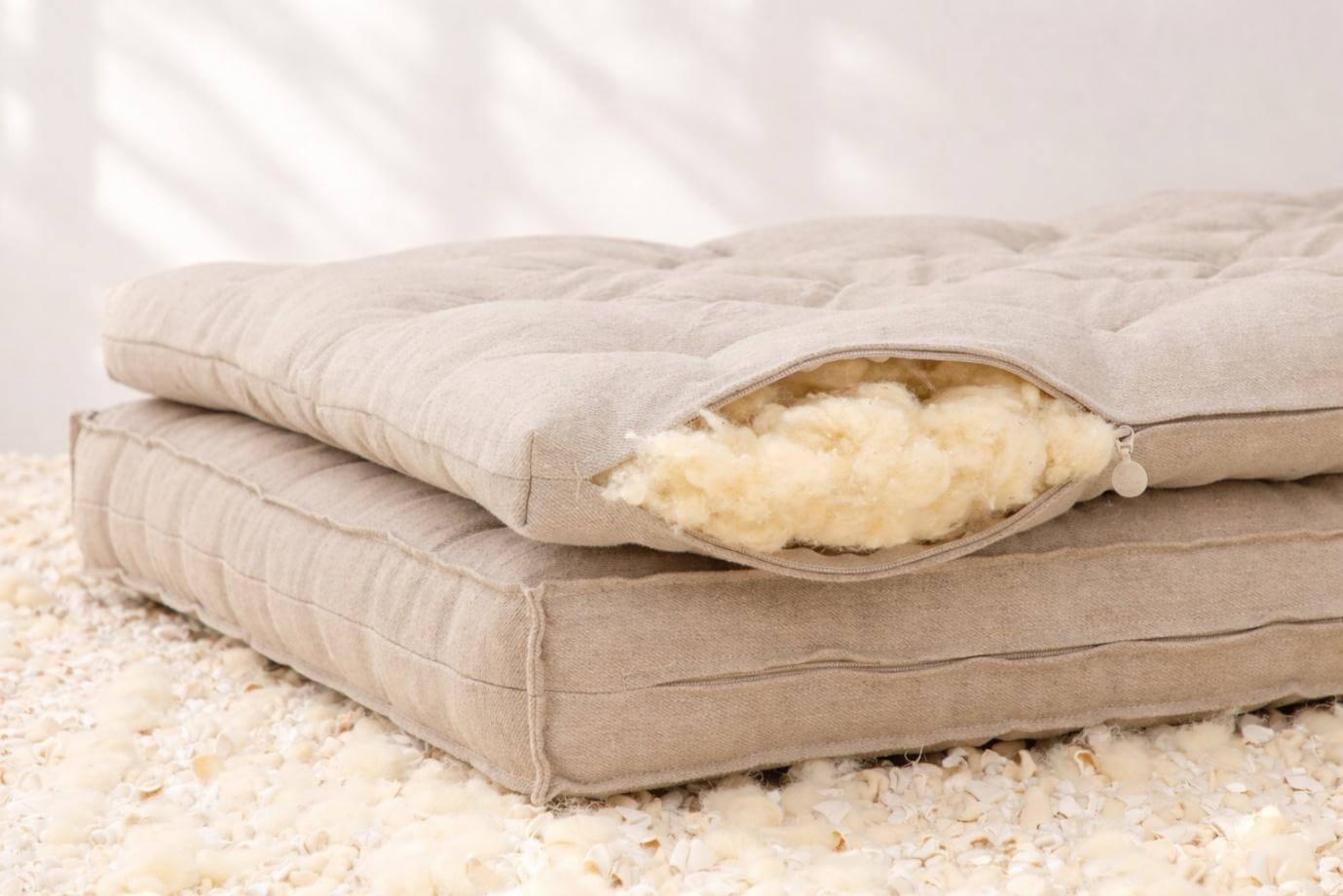
Every product chosen for its quality and longevity helps reduce waste and encourages more responsible consumption patterns. For many consumers, these choices provide a sense of satisfaction that extends beyond the product itself. One area where people are opting for products like this is the bedroom. Sleep quality has become a major focus for consumers, leading many people to explore alternatives to traditional synthetic bedding products. Natural bedding materials offer several advantages, including breathability, temperature regulation, and long-term durability. Wool, in particular, has attracted attention for its ability to adapt to changing temperatures while maintaining comfort throughout the year.
As a result, many homeowners are investing in products such as a handmade organic wool topper to enhance both comfort and sustainability within their bedrooms. These products appeal to individuals seeking natural materials that support a more balanced and comfortable sleep environment while reducing reliance on synthetic alternatives.
Supporting Craftsmanship and Ethical Production
Sustainability is often closely connected to craftsmanship. Many consumers are increasingly interested in understanding where products come from, how they are made, and who makes them. Handcrafted home furnishings frequently reflect a commitment to quality and attention to detail that mass-produced alternatives may lack. Supporting companies that prioritize ethical sourcing and responsible production enables consumers to support more sustainable business practices while receiving products built to last. This appreciation for craftsmanship has become a defining feature of the modern home furnishings market.
Comfort for the Future
In a world where environmental concerns are becoming increasingly urgent, making sustainable choices at home is one of the most meaningful ways people can support both their own well-being and the future of the planet.